


 Vaata sisu
 Jaga teost
 Jaga
Jaga
 Detailid
 Õppekate juhend

 Laadi alla
 Sarnased teosed
 Röntgenuuring
 Slaidietendus
 Statistika
The Lighthouse at Collioure


André Derain's 'The Lighthouse at Collioure' (1905) – A vibrant Fauvist masterpiece showcasing bold colors and dynamic composition. Own a piece of art history!
 Loe lähemalt
André Derain (1880-1954): Fauvismi võtmeinimene, tuntud julgete värvide ja väljendusliku stiili poolest. Avastage tema ikoonilised Londoni maalid ja evolutsioon klassitsismi suunas.
Käsitsi valmistatud õlimaalireproduktsioon
Meie kunstnike poolt tellimusel valmistatud käsitsi maalitud õli-kainaste teos teie soovitud suuruses ja raamis. ( Lülita trükkitoodetele Ülemineku digitaalse pildi müügi kanalisse)




P118B €10

P118H €10

P118W €10

P438Z €10

P508JH €12

P508YH €12

P805H €10

P805Z €10

P919BZ €10

P919G €10

P919XJ €10

P959ZH €10

P968JZ €12

W106C €8

W218G €10

W218JH €8

W218Y €10

W307PJ €10

W316G €10

W316PJ €8

W316Y €10

W398PJ €8

W4111J €10

W500HY €15

W500JH €15

W692G €12

W849H €8

W940BG €15

W953PJ €8




Standardne suurus
kohandatud
CM
INCH
Vali meie eelmääratud suurused, mis vastavad teose algupärastele proportsioonidele.
Loading sizes...

laius
kõrgus
Sisestage vajalik laius ja kõrgus, et teos sobiks teie raamile või seinale. Kuna tegu on käsipainatud teosega, siis erineva kujuga suuruse korral võib kunstnik jätta pildi ümber veidi rohkem marginaali või lõigata osa ära — valik on teie. Enne maali alustamist saadame teile kinnitamiseks digitaalse näidisprojektsiooni. Sellel lehel näidatud pilt ei kajasta tegelikku tulemust — seda näitab ainult näidisprojekttsioon.
Näited muudetavatest elementidest: asenda nägu kliendi fotoga; lisa lemmikloom (nt asenda kass koeraga); lisa taustale peidetud sõnum; muuda tausta maastikku või elemente.
Pärast tellimust saadab TopImpressionists.com meeskond kliendile e-posti juhised ning esitab eelvaate kavandi
Pärast tellimust saadab TopImpressionists.com meeskond kliendile e-posti juhised ning esitab eelvaate kavandi
Maailmline tarne 3–4 nädala jooksul tavalise 5 nädala asemel. (22 oktoober). Kvaliteedis kompromisse ei tehta.

Tasuta ekspresssaatmine üle maailma

Kõrgekvaliteediline lina-kangastest muld

Täielik transpordikindlustus

Tollimaksude tagastamise garantii

Värvitoime täpsuse garantii

100 päeva tagastusõigus (ainult defektide korral)

100% raha tagasi garantii

Hulgusoodustus
 Klaasivalik on saadaval ainult kuni 110 cm suuruses teostes

The Lighthouse at Collioure
Reproduktsiooni materjal
Reproduktsiooni mõõtmed
-


Lõppsumma
€ 235
The Lighthouse at Collioure: A Fauvist Symphony of Light and Emotion
André Derain’s “The Lighthouse at Collioure,” painted in 1905, isn't merely a depiction of a coastal scene; it’s an immersive experience—a vibrant explosion of color and movement that encapsulates the heart of the Fauvist movement. Housed within the Musée d’art Moderne de la Ville de Paris, this oil on canvas transports the viewer to the picturesque harbor village of Collioure in southern France, capturing not just a landscape but also a fleeting moment of intense feeling. The painting immediately assaults the senses with its audacious palette: searing yellows and oranges dominate the sky and buildings, juxtaposed against deep ultramarine blues and greens of the sea and surrounding vegetation. This deliberate departure from naturalistic color was a defining characteristic of Fauvism – a rebellion against academic tradition where color served not to represent reality but to express emotion directly.
Derain’s technique is equally striking. He employs loose, expressive brushstrokes, applying paint with a visible and energetic hand. The forms are simplified and flattened, prioritizing the impact of color and light over meticulous detail. Notice how he uses broken color—small dabs of contrasting hues layered upon each other—to create shimmering effects on the water and to suggest the play of sunlight. This technique, combined with his use of bold outlines, contributes to a sense of dynamism and immediacy, as if the scene is constantly shifting and evolving before our eyes. The lighthouse itself, rendered in stark white against the vibrant backdrop, acts as a focal point, drawing the viewer’s gaze into the heart of the composition.
A Window into Fauvism's Soul
To understand “The Lighthouse at Collioure,” it’s crucial to grasp the context of its creation. The late 1890s and early 1900s witnessed a profound shift in artistic sensibilities, fueled by advancements in color theory and a growing dissatisfaction with the constraints of academic art. Derain, along with Henri Matisse, spearheaded the Fauvist movement – a short-lived but hugely influential period characterized by its unrestrained use of color, often divorced from naturalistic representation. The term “Fauves” (wild beasts) was initially applied derisively by critic Louis Vauxcelles, reflecting the critics’ perception of the artists' work as chaotic and primitive. However, the Fauves embraced this label, recognizing it as a badge of rebellion against established artistic norms.
The painting reflects the Fauvist fascination with light and atmosphere. Derain wasn’t simply recording what he saw; he was attempting to capture the *feeling* of being present in that particular moment – the warmth of the sun, the freshness of the sea air, the vibrant energy of the harbor. The inclusion of multiple smaller lighthouses scattered throughout the scene adds a layer of complexity and reinforces this sense of movement and visual richness. The composition itself is deliberately unbalanced, creating a dynamic tension that mirrors the emotional intensity of the subject matter.
Symbolism and Emotional Resonance
Beyond its purely aesthetic qualities, “The Lighthouse at Collioure” carries significant symbolic weight. The lighthouse, a traditional symbol of guidance and safety, can be interpreted as representing hope and stability amidst the chaos of life. Its stark white form stands in contrast to the swirling colors of the surrounding landscape, suggesting a desire for clarity and direction. The harbor itself, with its bustling activity and diverse elements – boats, buildings, people – embodies the complexities and contradictions of human experience. The painting’s overall mood is one of joyful exuberance tempered by a subtle undercurrent of melancholy—a recognition that even in moments of beauty and vibrancy, there exists an underlying sense of transience.
The choice of Collioure as the setting for this pivotal work is also noteworthy. The village, with its distinctive architecture and stunning coastal scenery, provided Derain with a perfect canvas for his artistic experiments. It was a place where he could freely explore color and form without the constraints of traditional expectations. “The Lighthouse at Collioure” remains a powerful testament to Derain’s genius—a vibrant celebration of light, color, and emotion that continues to captivate viewers over a century later.
Küsimused ja vastused
Kes on teose "The Lighthouse at Collioure" autor ja mis on selle loomisaasta?
André Derain loomis teose "The Lighthouse at Collioure" aastal 1905.
Kui palju valgust tundub värvid teosele "The Lighthouse at Collioure" peegeldatav olevat?
Teose „The Lighthouse at Collioure“, autor André Derain luminants on Bright Balance. Luminants kirjeldab, kui palju valgust värvid peegeldavad.
Mis on teose „The Lighthouse at Collioure“, autor André Derain domineeriv toonsalm?
Teose „The Lighthouse at Collioure“, autor André Derain domineeriv toon on Ochre to Sepia. See toon on paleti alusvärv.
Sarnased teosed


Kunstniku elulugu
Varajane Elu ja Fauvismi Algus
André Derain sündis 1880. aastal võluvõitu Chatou külas Pariisi lähedal, mitte kohe kunstimaailma sügavatesse värvide ja lõuendite maailma. Vastupidiselt mõnele narratiivile, mis viitab vahetule kunstilisele ärkamisele kohtumiste kaudu maalijatega nagu Vlaminck või Matisse, alustas Derain oma kunstireisi iseseisvalt umbes 1895. aastal. Need varajased uurimised toimusid sageli isa Jacomini ja tema poegade seltskonnas maameeskonnaseikluste käigus – vormiv kogemus, mis andis sügava hindamise loodusmaailmale. Ta õppis lühikest aega inseneri eriala Académie Camillos 1898. aastal, kus ta saatuslikult kohtus Henri Matisse’iga, algatades olulise kunstiliste partnerluse. Täiendavad uuringud Eugène Carrière'i juhendamisel lihvisid tema põhialused oskused, kuid sõjaväeteenistus aastatel 1901–1904 katkestas ajutiselt tema kasvava karjääri. Pärast naasmist ja Matisse’i vankumatu usu veenmisel loobus Derain otsustavalt inseneritööst ja pühendas end täielikult maalimisele, jätkates õpinguid Académie Julianis. See pühendumine tähistas pöördepunkti, suunates ta teele, et saada üheks kaasaegse kunsti revolutsioonilisema liikumise keskfiguuriks.Värviline Plahvatus: Fauvism
Suvi 1905 osutus Derainile ja Matisse’ile plahvatavaks hetkeks, kui nad koostööd tegid päikeseküllases Collioure'i rannakülas. See periood tõi ilmale töid nagu “Mountains at Collioure”, mida iseloomustas radikaalne lahkumine representatiivsest värvist. Maastikud ei olnud pelgalt kohtade kujutised; need olid tunnete väljendus, milleks renderdati intensiivselt elavate, mitterepresentatiivsete toonidega. Kui nende tööd eksponeeriti samal aastal Salon d'Automne’il, põhjustas see viha ja üllatust. Kriitik Louis Vauxcelles nimetas neid kuulsalt “Les Fauves” – metsikud loomad –, nimi, mis oli algselt mõeldud halvustavaks, kuid mille kunstnikud lõpuks omaks võtsid. Deraini panus selle liikumisse ei olnud pelgalt stilistiline; tal oli ainulaadne võime tõlkida emotsionaalset intensiivsust puhtaks värviks. 1906. aastal tellis Ambroise Vollard temalt Londoni maalide seeria, mille tulemuseks olid silmatorkavad lõuendid Tamse ja Tower Bridge’ist. Need ei olnud tavalised linnavaated; need olid julged interpretatsioonid, mis tabasid Londoni energiat ja atmosfääri ebatraditsioonilisest vaatenurgast – tunnistus Deraini uuenduslikust visioonist. Van Goghi ja Cézanne’i mõjul nihutas ta värvi ja vormi piire, luues aluse tulevaste ekspressionistlike maalikunstnike põlvkondadele.Fauvismist Eemale: Nihe Esteetikas
Fauvismi algne hoog ei määratlenud Deraini kogu kunstilist teekonda. Umbes 1907. aastal hakkas tema stiil olulist evolutsiooni läbi käia, liikudes piiramatust kromaatilisest elavusest summutatud toonide ja suurenenud vormi rõhu suunas. Seda perioodi, mida sageli nimetatakse tema “gooti” faasiks (1911–1914), peegeldas kasvav huvi struktuuri ja kompositsiooni vastu. Ta süvendas end vanade meistrite uurimisse, lisades Cubismi elemente, otsides samal ajal inspiratsiooni klassikalistest vormidest. See ei olnud varemise töö tagasilükkamine, vaid pigem tema kunstiliste sõnavara laiendamine. Deraini mitmekülgsus ulatus maalimisest kaugemale; 1919. aastal kujundas ta balleti “La Boutique Fantasque” Sergei Djaghilevi Ballets Russes’i jaoks, demonstreerides oma andekust teatrikujunduse alal ja näidates veelgi tema mitmekülgseid talente. Olulised tööd sellel perioodil, nagu "Harlequin ja Pierrot" ning monumentaalne fresko "Ulyssese tagasitulek", on näiteks see stilistiline nihe – liikumine kontrollitumate ja intellektuaalselt rangemate lähenemiste suunas kunstitegemisele.Pärand ja Komplikatsioonid
André Deraini koht kaasaegse kunsti ajaloos on kindel kui Fauvismi kaasasutajat, liikumist, mis muutis pöördumatult kaasaegse maalikunsti kulgu. Tema ainulaadne Londoni visioon, tabatud tema elavates lõuendites, pakkus värske perspektiivi ikoonikule linnale. Pärast Esimest maailmasõda sai ta uuesti tunnustust oma panuse eest klassitsismi taaselustamisse, demonstreerides oma kohanemisvõimet ja püsivat kunstilist tähtsust. Deraini hilisemat elu iseloomustasid aga vaidlused. Tema viibimine Saksamaal Teise maailmasõja ajal tõi kaasa kriitikat, mis viis pärast sõda mõne endise toetaja hüljeks võtmiseni. Vaatamata sellele varjule jääb tema mõju järgnevatele kunstnike põlvkondadele muutumatuks. Ta suri 1954. aastal, jättes maha tööde kogu, mis jätkab lummanud ja inspireerimist. Tema pärand ei seisne lihtsalt julgetes värvides ja väljendusrikka pintslikäigus, vaid ka kunstnikus, kes väljakutse esitas pidevalt endale, uuris uusi väljendusviise ja jättis kustumatu jälje kaasaegse kunsti maastikule. Ta on tunnistuseks kunstilise uuenduse jõust ja keerukusest, mis kaasneb kiiresti muutuvas maailmas navigeerimisega. Deraini teekond meenutab meile, et tõeline kunstiline meisterlikkus ei seisne ühe stiili järgimises, vaid pidevas loovuse otsingus.
André Derain
1880 - 1954 , Prantsusmaa
Lühikest infot
- Artistic Movement Or Style: Fauvism, Kubism
- Artists Or Movements Influenced By This Artist:
- Matisse
- Kubism
- Artists Who Influenced This Artist:
- Van Gogh
- Cézanne
- Date Of Birth: 10. juuni 1880
- Date Of Death: 8. september 1954
- Full Name: André Derain
- Nationality: Prantslane
- Notable Artworks:
- Mountains at Collioure
- Harlequin and Pierrot
- The Cup of Tea
- London Paintings
- Place Of Birth: Chatou, Prantsusmaa
Sarnased artiklid

André Derain: Fauvism's Bold Visionary & the Evolution of Modern Color
Explore the revolutionary art of André Derain, co-founder of Fauvism. Discover his bold use of color, evolution from radical expressionism to classicism, and lasting influence on modern art history. Learn more at TopImpressionists.

The Gilded Age Reimagined: Exploring the Aesthetic Principles & Enduring Legacy of Art Deco
Explore the captivating world of Art Deco! Discover its origins, defining features, cultural impact & enduring legacy. Expert insights for collectors and design enthusiasts. Shop handmade reproductions at TopImpressionists.
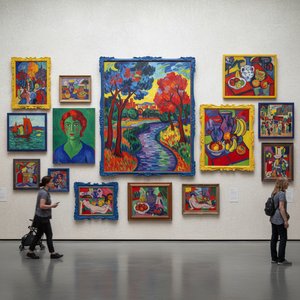
Fauvism'i 10 Meisterteost: Kunst, Värvid ja Sisekujunduse Inspiratsioon
Sukeldu fauvismi maailma! Avasta 10 meistriteost, mis defineerisid värviküllust ja ekspressionismi. Henri Matisse'i, André Deraini jt kunstnike teosed – kunstireproduktsioonid TopImpressionists.com-ist. Leia inspiratsioon interjööriks ja kaunista kodu! Uuri kogu kollektsiooni veebis.

Impressionism's Masterpieces: 10 Paintings That Defined a Movement | TopImpressionists
Journey through Impressionism's heart with 10 iconic paintings by Monet, Renoir & Degas. Explore light, color & the stories behind these masterpieces. Find museum-quality art reproductions and elevate your home decor on TopImpressionists.com.

Fauvism's Boldest Visions: 10 Masterpieces That Revolutionized Modern Art | TopImpressionists
Explore 10 Fauvist masterpieces by Matisse, Derain & Vlaminck that ignited Modern Art! Discover bold colors, expressionist landscapes & the history of this revolutionary movement. Find museum-quality prints at TopImpressionists.com.
Avastage teoseid, mis on koondatud teemade, stiilide ja omaduste kaupa.
