

Näidatud: · koos raamiga:
 Eelvaade
 Saada
Saada Jaga
Jaga
 Teave teose kohta
 Juhend

 Laadi alla
 Sarnased teosed
 Röntgenuuring
 Slaidietendus
 KÜSIMUSED JA VASTUSID
 Statistika
- 158.0 x 106.0 cm


€ 240
Käsitsi valmistatud õlimaalireproduktsioon
Meie kunstnike poolt tellimusel valmistatud käsitsi maalitud õli-kainaste teos teie soovitud suuruses ja raamis. ( Lülita trükkitoodetele Lülita digitaalse pildi juurde)
Suurus
·Standardne suurus
kohandatud
CM
INCH
Vali meie eelmääratud suurused, mis vastavad teose algupärastele proportsioonidele.
Suuruste laadimine...

laius
kõrgus
Sisestage vajalik laius ja kõrgus, et teos sobiks teie raamile või seinale. Kuna tegu on käsipainatud teosega, siis erineva kujuga suuruse korral võib kunstnik jätta pildi ümber veidi rohkem marginaali või lõigata osa ära — valik on teie. Enne maali alustamist saadame teile kinnitamiseks digitaalse näidisprojektsiooni. Sellel lehel näidatud pilt ei kajasta tegelikku tulemust — seda näitab ainult näidisprojektsioon.
 Loe lähemalt
Lõpuleviimine
·
Valge serv €1

häguse servaga lõppviimistlus €1

Laiendatud €1

P118B €10

P118H €10

P118W €10

P438Z €10

P508JH €12

P508YH €12

P805H €10

P805Z €10

P919BZ €10

P919G €10

P919XJ €10

P959ZH €10

P968JZ €12

W106C €8

W218G €10

W218JH €8

W218Y €10

W307PJ €10

W316G €10

W316PJ €8

W316Y €10

W398PJ €8

W4111J €10

W500HY €15

W500JH €15

W692G €12

W849H €8

W940BG €15

W953PJ €8

H24-GOLD €30

H24-SILVER €30

H36-GOLD €45

H36-SILVER €45
Saadetakse kaitsetorus, et te võiksite selle ise raamida.
Üle 105 cm suurust raami saadetakse komplektina professionaalse raamija jaoks — lugeege lisainfot.
Lisateenused
valikulineMida lisad sisaldavad?
Näited sellest, mida saab muuta: asendage nägu kliendi fotoga; lisage lemmikloom (nt asendage kass koega); lisage taustale peidetud sõnum; muutke tausta maastikku või elemente.
Pärast tellimust saadetab TopImpressionists.com meeskond klientile e-posti juhised ning esitab ette tasandatud eelvaate
Pärast tellimust saadetab TopImpressionists.com meeskond klientile e-posti juhised ning esitab ette tasandatud eelvaate
Maailmline tarne 3–4 nädala jooksul tavalise 5 nädala asemel. (4 november). Kvaliteedis kompromisse ei tehta.
Kaitsevärnitsus
Nimesildikiri
Graveeritud pronksplaadi üksikasjad
This elegant plaque features the artist's name and the title of the artwork, finely engraved for a timeless presentation.
It is made from bronze with a refined, elegant finish. The text is precisely laser-engraved for a sharp and permanent result. Measuring 9x2 cm, the plaque is compact yet easy to read. It's built to be durable and scratch-resistant, offering a professional, museum-quality look. Mounting is simple thanks to the included adhesive backing.
Läbipaistva akrüülplaadi üksikasjad
The plaque includes essential engraved details such as the artist's name, the title of the artwork, the date it was created, the type of media used-like oil on canvas or watercolor-a brief description of the piece, and a QR code that links to the complete artwork information.
It is crafted from clear acrylic, offering a sleek, modern appearance. The text is UV-engraved in black to ensure strong visual contrast. With a size of 10x15 cm, it ensures optimal readability. It comes equipped with two metal hooks for secure wall mounting. The plaque is designed to be weather-resistant, making it suitable for various environments, and it includes interactive features that work seamlessly with smartphone scanning.
Musta akrüülplaadiรายละเอียด (Note: The user provided "Musta akrüülplaadi detailid" as the current translation and asked for an improved version. Since "Musta akrüülplaadi
This elegant plaque includes engraved information such as the artist's name, the title of the artwork, the date it was created, the type of media used (like oil on canvas or watercolor), a short description of the artwork, and a QR code for quick access to more information.
The plaque itself is made from refined black acrylic with a premium finish. The text is laser-engraved in white for high contrast and readability. Its size is 10x15 cm, designed to be easy to read. It comes with two metal hooks for professional mounting. The design is sleek and fits any interior style. It is also weather-resistant and durable, with built-in digital integration for mobile compatibility.
Klaasivalik on saadaval ainult kuni 110 cm suuruses teostes
 Klaasivalik on saadaval ainult kuni 110 cm suuruses teostes
- Tasuta ekspresssaatmine üle maailma
- Kõrgekvaliteediline lina-kangas
- Täielik transpordikindlustus
- Tollimaksude tagastamise garantii
- Värvitoime täpsuse garantii
- 100 päeva tagastusõigus (ainult valmistusdefektide korral)
- 100% raha tagasi garantii
- Hulgusoodustus


Kogumisobjekti kirjeldus
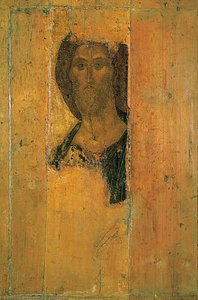
Contemplative portrait of Christ by Andrei Rublev (c. 1410), showcasing masterful Russian iconography; discover this timeless piece today.
Kunstniku elulugu
Andrey Rublyov (c. 1360-1428): Vene ikoonmaalingate meistrite, teada oma mistiliste ja emotsionaalsete teosidega nagu 'Annunsiatsioon' ja 'Püha Trinitaat'. Uuringge hingepuurust ja byzantilisi mõju.
Teemal maalid
A Glimpse into Sacred Contemplation: The Aura of Rublev's Deesis
To stand before an image evocative of Andrei Rublev’s profound spiritual vision is to step across the threshold of time itself. This depiction, echoing the solemnity of a Deesis grouping, centers on a figure whose gaze seems to penetrate the veil between worlds. The subject, bearing the unmistakable gravitas associated with Christ or a deeply contemplative saint, commands attention through sheer emotional resonance. It is not merely a portrait; it is an encounter. The artist has captured that fleeting moment where introspection deepens into profound understanding, allowing the viewer to feel the weight of sacred thought emanating from the canvas.
Mastery in Pigment and Spirit: Technique and Craftsmanship
The technical brilliance evident in this work speaks volumes about Andrei Rublev’s unparalleled skill. Observe the meticulous handling of the paint; every visible brushstroke contributes to a tapestry of light and shadow that gives the figure an almost lifelike dimensionality. The contrast between the luminous quality of the face and the simplicity of the background—that striking yellow wall—is nothing short of masterful. This deliberate use of color serves not merely as decoration, but as a structural element guiding the eye directly to the emotional core: the man’s contemplative expression. For those who appreciate fine art reproduction, understanding this technique is key; it allows us to recreate the depth and subtlety that only painstaking hand-painting can achieve.
The Weight of History: Context in Russian Iconography
Dating back to 1410, this piece situates itself within a pivotal era for Russian art. Andrei Rublev was more than just a painter; he was the spiritual chronicler of his age. His work is deeply embedded in the tradition of Orthodox iconography, yet it possesses a unique psychological depth that elevates it beyond mere religious depiction into universal human experience. The style speaks to a period where Byzantine influences mingled with a burgeoning national artistic voice—a confluence that imbues the piece with both timeless sacredness and palpable human drama. Owning a reproduction allows one to bring this historical dialogue into a modern setting.
Symbolism of the Gaze: Emotional Impact for the Modern Collector
The most captivating element remains the subject’s gaze, directed slightly over the shoulder. This averted yet knowing look invites participation from the viewer. Symbolically, it speaks to themes of divine mystery, eternal watchfulness, and quiet wisdom. For collectors and interior designers alike, this piece offers more than just aesthetic beauty; it offers an atmosphere. It suggests a sanctuary within a room—a focal point that encourages pause, reflection, and a deeper appreciation for the enduring narratives of faith and humanity. The rich tones and profound subject matter ensure that this artwork will not merely hang on a wall, but rather inhabit the space with quiet dignity.
Korduvad küsimused
Kui intensiivsed on värvid teoses „Deesis Range: The Saviour“, autor Andrej Rubljov?
Teose „Deesis Range: The Saviour“, autor Andrej Rubljov värvid on Vivid intensiivsusega.
Kas teoses "Deesis Range: The Saviour" on nähtav tugev kerge-tume kontrast?
Teoses „Deesis Range: The Saviour“, autor Andrej Rubljov on nähtav Serene kontrast heellemiste ja tumedate alade vahel.
Milleks on teose „Deesis Range: The Saviour“, autor Andrej Rubljov reproduktsiooni soovitatud kasutada?
Teose „Deesis Range: The Saviour“, autor Andrej Rubljov reproduktsiooni kasutamist on soovitatav Focal jaoks. See soovituse on tulenev teose motiivist, meelelojast ja värvigabast.
Kiirinfo ja kunstiviktoriin
Info Andrej Rubljov kohta

Andrej Rubljov
1360 - 1428, Venemaa
Kunstniku elulugu
Andrei Rublev: Vene ikoonmaalingu hing
Andrei Rublev (umb. 1360 – umbes 1430) on jäänud üheks vene kunsti ajaloo kõige salapärasemast ja sügavalt mõjutusrikkaimast tegelaskujundist. Ta ei olnud pelgalt maalari; ta kehastab vaimset pühendumust, kunstilist meistriklust ja keskmaja Venemaa olemust – rahvast, kes võitles oma identiteediga Byzantiumie mõju ja alguse sainud rahvusliku teadlikkuse vahel. Kuigi detailid tema elust on endiselt hämaruse katte all, on tema pärand kui oma ajastu esiliikne ikoonimaalistaja vääramatu – ta kujundas mitte ainult vene õiguse ikoonmaalingu visuaalset keelt, vaid avaldas sügavat mõju ka järgnevatele kunstnikutest põlvkondadele.
Rublevi varajastest aastatest on säilinud vähe konkreetset teavet. Arvatakse, et ta sündis Moskva, kuigi mõned kirjutised viitavad võimalikule päritolu linnast lähedal asuvas Trinitas-Sveta Sergii Lavra kloosteris – kohale, mis oleks tema kunstilist arengut sügavalt mõjutanud. Tema õpilikkus Theophanes Greki juures, kuulus bysantini ikoonimaalistaja, kes oli migreerinud Venemaale, pakkus talle vääramatu aluse ajastu tehnikatele ja stiilsetele konventsioonidele. Kuid Rublev ületas kiiresti pelgama imitatsiooni, sisustades need kehtestatud vormid unikaalse vene tundlikkusega – kättesaadava와 alandlikkuse, vaimse sügavuse ja emotsionaalse resonantsi, mis eraldas tema teoseid tema bysantini esiisist.
- Varajane karjäär Kremlis: Rublevi varajane karjäär on lahutumatu seotud Moskva Kremliga. 1405. aastal ühines ta Theophanese ja Gorodetsi Prokhoriga Annunsiatsioonikatedraali dekoreerimisel, mis oli võtuline hetk vene ikoonmaalingus. See koostöö eksponeeris Rublevit võimu kõrgetaimatele tasemetele ning pakkus talle vääramatu kogemuse suuremõõliskultuuris töötamisel.
- Andronikovi klooster: Pärast tööd Kremlis veetas Rublev oma karjääri lõpposa Moskva lähedal asuvas Andronikovi kloostris. Siin jätkas ta ikoonide ja freskodega töötamist, sealhulgas hämmastavate freskodega Salvatorikatedralis, demonstreerides oma arenevat stiili ja süvenevat vaimset uurimist.
Bysantiini ja vene traditsioonide suland
Rublevi kunstiline visjon ei sündinud isolatsioonis; see oli sügavalt juurdunud nii bysantini traditsioonides kui ka tekkellevates vene tundlikkustes. Theophanese mõju on kinnitamatu – hoolikas detailikäsitlus, rikked värvid ja kompositsioonide formaalne struktuur on kõik bysantini ikoonmaalingu earmärgid. Kuid Rublev integreeris need elemendid oskuslikult distinctly vene esteetikaga – sügava alandlikkuse tunnetega, rõhuasetusega emotsionaalse avaldusele ja ühendusega kloosterkogukonna vaimses elus.
- Bysantiini mõju: Bysantiini ikonograafia mõju on kättesaadav Rublevi hierarhiliselt kompositsiooni kasutamisel, draperii hoolikas kujundamine ja järgimine koos kehtestatud ikoonograafilistele konventsioonidega. Tema töö demonstreerib sügavat bysantini kunstiprintsiipide mõistmist, peegeldades kultuurilist ja religioosset vahetust Venemaa ja Bysantiumi vahel.
- Vene vaimsus: Samas infuseeris Rublev oma kunstiga unikaalset vene vaimset perspektiivi. Tema figuurid ei ole idealiseeritud ega kangelaslikud; neil on vaikne väärikus ja sügava alandlikkuse aura. See rõhuasetus sisemisele vaimsustusele resonantsis sügavalt oma ajastu kloosteretõsikuga – perioodiga, mida isikutas intensiivne religioosne põletus ja igatsus jumalikuks ühenduseks. lik
- Novgorodi ikonograafia: Rublevi stiilis on näha ka jälgi Novgorodi ikoonmaalingust, mis oli tuntud oma ekspressiivsete nägude ja emotsionaalse intensiivsuse poolest. See mõju aitas kaasa psühholoogilisele sügavusele ja emotsionaalsele resonantsile, mis tema teoseid iseloomustab.
Sümbolism ja vaimne sügavus
Rublevi ikoonid ei ole pelgalt kaunid pildid; need on täidetud sümbolite kihtide, peegeldades sügavat arusaatust kristlikust teoloogiast ja vaimsest praktikast. Tema kompositsioonides on sageli peidetud žeste, näheliikud ja ruumilised asendid, mis edastavad keerulisi teoloogilisi ideid.
- Trinitaat-ikoon: "Trinitaat"-ikoon on sümbolismilt eriti rikkal. Kolm inglise figuurit esitavad Isa, Poega ja Püha Vaimu, samas kui keskne tegelane – lihtne talupoeg – sümboliseerib inimkonna vajadust jumaliku armu järele. Abrahami ja Sarai puudumine kompositsioonis viitab liikumisele traditsioonilistest narratiividest eemale, suunas seda intimituse ja isikupärase arusaatuse poole Jumala suhtest inimkonnaga.
- Muud ikoonograafilised elemendid: Rublev kasutas sagedalt sümbolilisi žeste, nagu palves kokku surutud käed või taevasse pööratud silmad, et väljendada vaimset igatsust ja pühendumust. Tema värvide kasutamine – eriti rikkad sinised ja kuld – kannab samuti sümbolilist kaalu, tekitades mõtteid jumalikusest ja ülevusest.
Pärand ja ajalooline tähendus
Hoolimata oma suhteliselt lühikesest elust, jättis Andrei Rublev Russi kunstile ja kultuurile kustumatute jälgi. Tema töö mõjutas sügavalt järgnevaid ikoonimaalari põlvkondi, kujustades vene ikoonograafia arengut sajandeid. 1551. aasta Stoglavi Sobor kuulutas Rublevi stiili ametlikult kirikumaalingu mudeliks, kinnistades tema staatust riikliku kunstisaajuna.
- Andrei Tarkovski 1966. aasta film "Andrei Rublev" mängis kriitilist rolli kunstniku elu ja tööd uuesti elustamisel. Film, kuigi lahtlaselt ajaloolistele sündmustele põhinedes, tabas Rublevi vaimset sügavust ja kunstilist geniuslikku, tutvustades teda laiemale publikule.
- 1988. aastal kanoniseeris Vene õigeuslik kirik Rublevi pühaks, tunnustades tema sügavat panust vene vaimsustusele ja kunstile. Tema püha päeva tähistatakse 29. jaanuaril, mälestades nii tema surma kui ka tema igavene pärandit.
- Tänapäeval on Andrei Rublev üks Venemaa armastatuimaid kunstnikke – vaimse pühendumuse, kunstilise meistrikluse ja usku igavene jõu sümbol. Tema ikoonid jätkavad aukartust ja austust tekitamist, pakkudes pilgu vene keskmaja hinge ja kristliku ikonograafia ajatut kaunidust.
Kiirinfo Andrej Rubljov kohta
- Artistic Movement Or Style: Venemaa ikoonmaaling
- Artists Or Movements Influenced By This Artist:
- Bizantiilikaanonid
- Venemaa ortodoksose kunst
- Artists Who Influenced This Artist:
- Theophanes Gresk
- Prokhor Gorodets
- Date Of Birth: c. 1360
- Date Of Death: c. 1428
- Full Name: Andrei Rublyov
- Nationality: Venemaalane
- Notable Artworks:
- Triünniste ikoon
- Annunratsioonikoon
- Place Of Birth: Moskva, Venemaa
Andrej Rubljov
Deesis Range: The Saviour
() ·
koos raamiga: · Käsitööna õliga linale maaldud
Kokkuvõte