


 Jaga teost
 Jaga
Jaga
 Detailid
 Õppekate juhend

 Laadi alla
 Sarnased teosed
 Slaidietendus
 Statistika
Venus and Mars


Marvel at Antonio Canova's 'Venus and Mars,' a neoclassical sculpture celebrating peace & harmony. This iconic marble masterpiece, commissioned by the Prince Regent, embodies love and war’s union.
 Loe lähemalt
Avastage võrratu uusklassitsismi skulptor Antonio Canova (1757-1822) maailm! Imetlege tema hinget leitavaid marmor статуusi nagu Amorus ja Psühhe, Kolm Graatsit ja palju muud. Avastage tema elu ja pärand!
Giclée / Kunstiprint
Muuseumikvaliteediga giclée- või kangasprint kiire tootmisega ja paindlikud viimistlusvõimalused. ( Telli käsitsi maalitud reproduktsioon Ülemineku digitaalse pildi müügi kanalisse)




































Standardne suurus
kohandatud
CM
INCH
Vali meie eelmääratud suurused, mis vastavad teose algupärastele proportsioonidele.
Loading sizes...

laius
kõrgus
Saate sisestada oma mõõdud, et need sobiks konkreetse raami või ruumi sisse. Kui valitud suurus ei vasta originaalteose proportsioonidele, lõigame teose ära või laiendame pilti peegeldatud või ühtlase servaga. Enne tootmisprotsessi algust saadetakse Teie kinnitamiseks digitaalne näidis.
Palun märka, et ekraanil kuvatav eelvaade ei kajasta tegelikku lõigamist või laiendamist. Ainult näidis kujutab täpselt lõplikku kompositsiooni.
Kuigi erimõõdu on saadaval, soovitame originaaproportsioonide säilitamiseks valida mõõt ette määratud nimekirjast.
Ülemaailmne tarne () 2 nädala jooksul, tavalise 4/5 nädala asemel. (10 oktoober)

Tasuta ekspresssaatmine üle maailma

Kõrgekvaliteediline lina-kangastest muld

Täielik transpordikindlustus

Tollimaksude tagastamise garantii

Värvitoime täpsuse garantii

100 päeva tagastusõigus (ainult defektide korral)

100% raha tagasi garantii

Hulgusoodustus
 Klaasivalik on saadaval ainult kuni 110 cm suuruses teostes

Venus and Mars
Giclée / Kunstiprint
Reproduktsiooni mõõtmed
-


Lõppsumma
€ 59
A Moment of Divine Union: Antonio Canova’s “Venus and Mars”
Antonio Canova's "Venus and Mars," completed in 1822, is more than just a sculpture; it’s a carefully orchestrated tableau of opposing forces achieving an unexpected harmony. This magnificent marble work, currently residing within the Royal Collection at Buckingham Palace, offers a profound meditation on love, war, peace, and the enduring power of artistic creation. Commissioned by Prince Regent George IV during his visit to London, the sculpture represents a pivotal moment in Canova’s career – a bold departure from the rigid formality of Neoclassicism while firmly rooted in classical ideals.
The subject matter itself is strikingly original for its time. Rather than depicting Venus and Mars engaged in battle or mythological drama, as was common in earlier representations, Canova presents them in an intimate embrace. The goddess Venus, a figure synonymous with beauty, fertility, and love, is rendered with exquisite sensuality – her flesh soft and yielding, her limbs draped in delicate folds of fabric that hint at both vulnerability and power. Her gaze is directed towards Mars, the god of war, creating a dynamic tension within the composition. Mars, traditionally portrayed as a stern and imposing figure, stands powerfully upright, his musculature meticulously sculpted to convey strength and resolve. He holds his spear firmly in one hand, a symbol of his dominion over conflict, yet his posture suggests a willingness to yield to the allure of Venus’s affection.
The Neoclassical Masterstroke: Technique and Form
Canova's mastery of marble carving is immediately evident. The sheer scale of “Venus and Mars” – standing nearly two meters tall – commands attention, while the intricate detail of each muscle fiber, wrinkle, and drapery fold speaks to his unparalleled skill. The sculpture exemplifies the Neoclassical style, drawing inspiration from the idealized forms and balanced compositions of ancient Greek and Roman art. However, Canova transcends mere imitation; he infuses these classical elements with a profound sense of emotion and psychological depth. The smooth, polished surface of the marble creates an illusion of life, capturing the subtle nuances of human expression and movement.
The technique employed is particularly noteworthy. Canova utilized a subtractive method, carefully removing material from a larger block of Carrara marble to reveal the desired form. This process demanded immense patience and precision, allowing him to achieve an astonishing level of realism and anatomical accuracy. The subtle gradations in tone – achieved through meticulous polishing and shading – further enhance the sculpture’s three-dimensionality, creating a captivating interplay of light and shadow.
A Symbol of Reconciliation: Historical Context and Meaning
The creation of “Venus and Mars” coincided with the Congress of Vienna (1814–1815), an international conference that reshaped Europe after Napoleon’s defeat. The sculpture, therefore, can be interpreted as a potent symbol of reconciliation – a visual representation of the end of war and the dawn of a new era of peace. Venus, representing love and harmony, gently embraces Mars, signifying the triumph of diplomacy over conflict. This theme resonated deeply with Prince George IV, who commissioned the work to celebrate the restored stability of Europe.
Furthermore, Canova’s choice of depicting the figures in the nude was a deliberate artistic statement. In classical art, nudity served as a means of celebrating human beauty and virtue, stripping away artificial conventions to reveal the inherent dignity of the human form. By presenting Venus and Mars unclothed, Canova elevates their union to a realm of pure emotion and spiritual significance.
An Enduring Legacy: Emotional Impact and Artistic Significance
“Venus and Mars” continues to captivate viewers with its profound emotional resonance. The sculpture’s inherent tension – the interplay between love and war, beauty and strength – invites contemplation on the complexities of human nature. The figures' embrace is not merely a physical gesture; it represents a merging of opposing forces, suggesting that even the most seemingly irreconcilable elements can find harmony within themselves.
Beyond its historical and symbolic significance, “Venus and Mars” stands as a testament to Canova’s artistic genius. It remains one of his most celebrated works, admired for its technical brilliance, emotional depth, and enduring beauty. Reproductions of this iconic sculpture offer an opportunity to experience the power and grace of Canova's vision in any setting – a timeless reminder of the transformative potential of art.
Küsimused ja vastused
Kust saan alla laadida „Venus and Mars“, autor Antonio Canova?
Teosest "Venus and Mars" on võimalik alla laadida: teose Laadi alla lehel on saadaval kõrge resolutsiooniga digitaalse pildi allalaadimine.
Kes on teose "Venus and Mars" autor ja millises suunast see on?
Teose "Venus and Mars" on loonud Antonio Canova Neoclassical Sculpture stiilis. Kunstnik ja suunamine määratlevad teose traditsiooni.
Millal loodi teos "Venus and Mars"?
Teos „Venus and Mars“, autor Antonio Canova loodi aastal 1816.
Kes lõi "Venus and Mars"?
Teose "Venus and Mars" autoriks on mõeldud Antonio Canova.
Kui tuntud on Antonio Canova teos "Venus and Mars"?
Teose „Venus and Mars“, autor Antonio Canova populaarsusaste on Iconic. See klassifikatsioon peegeldab teose tuntust ja tunnustust.
Kui vana oli Antonio Canova, kui ta loos 1816 aastal teose "Venus and Mars"?
Antonio Canova oli 59 aastane, kui ta lõi teose "Venus and Mars" aastal 1816. Empiiriline vanus on arvutatud kunstniku sünnaaasta põhjal, 1757.
Kas teos „Venus and Mars“, autor Antonio Canova kuulub avalikku omandisse?
Autoriõiguse teave teose „Venus and Mars“, autor Antonio Canova kohta: teos kuulub luba ala avalikus õiguses – selle autoriõigud onหมดunud. See määrab, kas kujundist on lubatud vabadelt reproduktsioone teha.
Kunstniku elulugu
Antonio Canova: Elu marmoris kes see
- Sündis: Possagno, Itaalia (1757)
- Suri: 1822
Antonio Canova tõuseb Lääne kunstiajal hiigelplaanina, olles laialdaselt tunnustatud kui klassitsimi esimeetne skulptor. Tema meistriklassis marmori üligravimine ja võime infuseerida klassikalisi vorme sügavate emotsioonidega kindlustas talle koha kõigi aegade suurimate kunstikodade seas. Sündinud Itaalias Possagnos kivilaulataja Pietro Canova perre, oli Canova varajane elu tugevalt mõjutatud teda ümbritsevast kunstilisest keskkonnast.
Varajane elu ja koolitus
- Pere taust: Tema isa profession pakkus esmast kokkupuudet kivilõikmisega ning tema vanaisa Pasino Canova, altarite ja madalreljeefide spetsialist, mängis otsustavat rolli tema talendi eestlemisel.
- Varajane kunstiline areng: Juba enne keskülemiku aastaid näitas Canova märkimisväärset oskust, luues väikeseid marmorist pühaalseid, mis demonstreerisid tema loomulikku võimekust. Ta õppis õpilasena Giuseppe Bernardi ('Torretto') ja Giovanni Ferrari juures, pöhendades oma oskusi veelgi täiendavamaks.
- Akadeemilised õpingud: Tema õpingud Veneetsia Kunstakadeemias tõid kaasa arvukalt preemiaid, kinnistades tema mainet lootekustava noore kunstnikuna. Kloostris asuv tööbaas pakkus talle piisavalt ruumi oma käsitöö arendamiseks.
- Varajased tellimused: Varajased tellimused, nagu Orfeuse ja Eurydike statues senator Giovanni Falierile (1775-1777), näitasid algavat rokoko stiili, ennustades tema hilisemat klassitsistlikku rafineerimist.
Tõus au nn klassitsismi stiili ääredele
- Klassitsismi määratlus: Canova teoseid iseloomustavad elegantne vorm, idealiseeritud figuurid ja naatekke tagasipöördemine antiikse Kreeika ja Rooma esteetilistele printsiipidele. Ta suutis oskuslikult vältida barokkdispleei melodrama ning vastustada külmust, mis oli sageli seotud varasemate klassikalise taastamise katsetega.
- Olulised teosed ja tunnustus: Skulptuurid nagu Amor ja Psyche (umb. 1787-1793), Kadunud Magdaleena ja Herkulees ja Lichas loosisid tema mainet üle kogu Euroopa. Tema tööd olid väga nõutud nii kuningate kui ka väliminfalistide seas.
- Maine edendamine: Canova edaldas strateegiliselt oma karjääri läbi oma teoste ettekandjade avaldamise ja plasterist valatud vormide marmorsete versioonide loomise, tagades oma kunsti laia levikut.
- Rahvusvaheline tunnustus: Tellimused üle kogu Euroopa, sealhulamas Theseus ja Minotaur statue Girolamo Zulianile (Veneetsia suurlasele Roomas), kinnistasid tema staatust ühe Euroopa kuulsaima kunstniku positsioonina.
Suured teosed ja pärand
- Märkimisväärsed skulptuurid: Lisaks juba mainitud teostele kuuluvad Canova oluliste teostega ka Itaalne Venus, Muusa Polyhymnia, Kolm Graatsit tantsimas ning tema võimas ja kurb kujustus Eurydike.
- Monumentaalsed tellimused: Ta sai prestiižseid tellimusi haudaukade loomiseks, eriti märkimisväärne on pedantne Paavst Clement XIII haaud Rooma Püeva Peteri katedraalis – see on tunnistus tema oskusest nii skulptuuris kui ka arhitektuuridisainis.
- Antonio Canova Gipsoteka: Muuseum Gipsoteca Antonio Canova hoiab endas kõige olulisemat kogumikut tema teostest, pakkudes vääramatut vaadet tema loovprotsessile ja kunstilisele arengule.
Ajalooline tähendus
- Klassitsismi kehastus: Antonio Canova sai sünkronne klassitsistliku liikumisega, kehastades selle ideaale korrast, selgusest ja tagasipöördest klassikalisse antiikiväärtusesse.
- Hoogukunstnik ja diplomaat: Tema positsioon paljude Euroopa valitsejate õukonna skulptorina andis talle olulist poliitilist mõju ning võimaldas tal kujundada kunstiline maitse kogu kontinental.
- Tehniline innovatsioon: Canova võrratu oskus marmori üligravimisel lükkas piire, mida peeti võimalikuks, kehtestades uue standardi skulpturaalse suurepärasuse jaoks.
- Iseloomulik kunstiline pärand: Tema skulptuurid võlustavad edasi publikut üle maailma, kinnistades tema kohta ajaloo ühe olulisema ja mõjuvama kunstniku rollina.

Antonio Canova
1757 - 1822 , Italia
Lühikest infot
- Artistic Movement Or Style: Neoklassitsism
- Artists Or Movements Influenced By This Artist: ['Hilisemad neoklassitsistlikud kunstnikud']
- Artists Who Influenced This Artist: ['Hilisbarokk-skulpturid']
- Date Of Birth: 1757
- Date Of Death: 1822
- Full Name: Antonio Canova
- Nationality: Itaalia
- Notable Artworks:
- Amor ja Psyche
- Kadunud Magdaleena
- Herkulees ja Lichas
- Theseus ja Minotaur
- Kolm Graatia tants
- Eurydike
- Venere Italica
- Place Of Birth (City And Country): Possagno, Itaalia
Sarnased artiklid
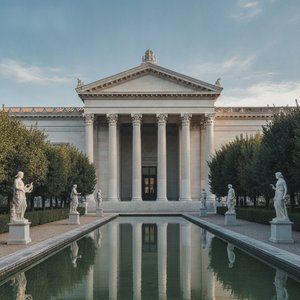
Neoclassicism Unveiled: Discovering the Timeless Elegance and Rational Order of Classical Art
Unveil the timeless elegance of Neoclassicism. Journey through an era defined by reason, order, and the revival of Greco-Roman ideals. Our expert exploration offers a sophisticated look at the transition from Rococo excess to classical precision for the true art enthusiast.

The Timeless Elegance of Academic Classicism: A Journey Through Order, Precision, and the Pursuit of Perfection
Explore the profound beauty of Academic Classicism. Discover how masters used order, precision, and classical ideals to achieve timeless perfection in art history, from Neoclassical portraits to the pursuit of ideal beauty.

The Eternal Beauty of Marble: A Guide to Sculpting Light, Stone, and the Soul of Art History
Explore the sublime artistry of marble sculpture. From Greek antiquity to the masters of light, discover how stone captures the eternal essence of human beauty and emotion through expert craftsmanship and historical mastery.
Avastage teoseid, mis on koondatud teemade, stiilide ja omaduste kaupa.
