

Näidatud: · koos raamiga:
 Eelvaade
 Saada
Saada Jaga
Jaga
 Teave teose kohta
 Juhend

 Laadi alla
 Sarnased teosed
 Röntgenuuring
 Slaidietendus
 KÜSIMUSED JA VASTUSID
 Statistika
- 237.0 x 189.0 cm


€ 239
Käsitsi valmistatud õlimaalireproduktsioon
Meie kunstnike poolt tellimusel valmistatud käsitsi maalitud õli-kainaste teos teie soovitud suuruses ja raamis. ( Lülita trükkitoodetele Lülita digitaalse pildi juurde)
Suurus
·Standardne suurus
kohandatud
CM
INCH
Vali meie eelmääratud suurused, mis vastavad teose algupärastele proportsioonidele.
Suuruste laadimine...

laius
kõrgus
Sisestage vajalik laius ja kõrgus, et teos sobiks teie raamile või seinale. Kuna tegu on käsipainatud teosega, siis erineva kujuga suuruse korral võib kunstnik jätta pildi ümber veidi rohkem marginaali või lõigata osa ära — valik on teie. Enne maali alustamist saadame teile kinnitamiseks digitaalse näidisprojektsiooni. Sellel lehel näidatud pilt ei kajasta tegelikku tulemust — seda näitab ainult näidisprojektsioon.
 Loe lähemalt
Lõpuleviimine
·
Valge serv €1

häguse servaga lõppviimistlus €1

Laiendatud €1

P118B €10

P118H €10

P118W €10

P438Z €10

P508JH €12

P508YH €12

P805H €10

P805Z €10

P919BZ €10

P919G €10

P919XJ €10

P959ZH €10

P968JZ €12

W106C €8

W218G €10

W218JH €8

W218Y €10

W307PJ €10

W316G €10

W316PJ €8

W316Y €10

W398PJ €8

W4111J €10

W500HY €15

W500JH €15

W692G €12

W849H €8

W940BG €15

W953PJ €8

H24-GOLD €30

H24-SILVER €30

H36-GOLD €45

H36-SILVER €45
Saadetakse kaitsetorus, et te võiksite selle ise raamida.
Üle 105 cm suurust raami saadetakse komplektina professionaalse raamija jaoks — lugeege lisainfot.
Lisateenused
valikulineMida lisad sisaldavad?
Näited sellest, mida saab muuta: asendage nägu kliendi fotoga; lisage lemmikloom (nt asendage kass koega); lisage taustale peidetud sõnum; muutke tausta maastikku või elemente.
Pärast tellimust saadetab TopImpressionists.com meeskond klientile e-posti juhised ning esitab ette tasandatud eelvaate
Pärast tellimust saadetab TopImpressionists.com meeskond klientile e-posti juhised ning esitab ette tasandatud eelvaate
Maailmline tarne 3–4 nädala jooksul tavalise 5 nädala asemel. (4 november). Kvaliteedis kompromisse ei tehta.
Kaitsevärnitsus
Nimesildikiri
Graveeritud pronksplaadi üksikasjad
This elegant plaque features the artist's name and the title of the artwork, finely engraved for a timeless presentation.
It is made from bronze with a refined, elegant finish. The text is precisely laser-engraved for a sharp and permanent result. Measuring 9x2 cm, the plaque is compact yet easy to read. It's built to be durable and scratch-resistant, offering a professional, museum-quality look. Mounting is simple thanks to the included adhesive backing.
Läbipaistva akrüülplaadi üksikasjad
The plaque includes essential engraved details such as the artist's name, the title of the artwork, the date it was created, the type of media used-like oil on canvas or watercolor-a brief description of the piece, and a QR code that links to the complete artwork information.
It is crafted from clear acrylic, offering a sleek, modern appearance. The text is UV-engraved in black to ensure strong visual contrast. With a size of 10x15 cm, it ensures optimal readability. It comes equipped with two metal hooks for secure wall mounting. The plaque is designed to be weather-resistant, making it suitable for various environments, and it includes interactive features that work seamlessly with smartphone scanning.
Musta akrüülplaadiรายละเอียด (Note: The user provided "Musta akrüülplaadi detailid" as the current translation and asked for an improved version. Since "Musta akrüülplaadi
This elegant plaque includes engraved information such as the artist's name, the title of the artwork, the date it was created, the type of media used (like oil on canvas or watercolor), a short description of the artwork, and a QR code for quick access to more information.
The plaque itself is made from refined black acrylic with a premium finish. The text is laser-engraved in white for high contrast and readability. Its size is 10x15 cm, designed to be easy to read. It comes with two metal hooks for professional mounting. The design is sleek and fits any interior style. It is also weather-resistant and durable, with built-in digital integration for mobile compatibility.
Klaasivalik on saadaval ainult kuni 110 cm suuruses teostes
 Klaasivalik on saadaval ainult kuni 110 cm suuruses teostes
- Tasuta ekspresssaatmine üle maailma
- Kõrgekvaliteediline lina-kangas
- Täielik transpordikindlustus
- Tollimaksude tagastamise garantii
- Värvitoime täpsuse garantii
- 100 päeva tagastusõigus (ainult valmistusdefektide korral)
- 100% raha tagasi garantii
- Hulgusoodustus


Kogumisobjekti kirjeldus
Michelangelo Merisi da Caravaggio’s "The Conversion of St. Paul" is a Baroque masterpiece! Witness the dramatic moment of divine intervention through intense chiaroscuro and psychological depth. A visceral depiction of faith's transformation.
Kunstniku elulugu
Barokmeistri Caravaggio (1571-1610) vapustav realismi ja chiaroscuroga! Tema dramaatilised usupildid, intensiivne valgusmäng ning revolutsiooniline stiil mõjutas Rubensit ja Rembrandti.
Teemal maalid
The Conversion of St. Paul: A Baroque Drama Illuminated
Michelangelo Merisi da Caravaggio’s “The Conversion of St. Paul” stands as an unparalleled achievement in Baroque art—a visceral depiction of divine intervention and spiritual transformation that continues to captivate audiences centuries later. Painted in 1600, this monumental canvas (237 x 189 cm), housed within the Odescalchi Balbi Collection in Rome, transcends mere representation; it’s an immersive experience fueled by Caravaggio's revolutionary use of chiaroscuro and imbued with profound psychological depth.A Moment Frozen in Time
The scene captures the pivotal instant when Saint Paul—formerly Saul of Tarsus, a zealous persecutor of Christians—experienced his dramatic conversion on the road to Damascus. Illuminated by an ethereal divine light emanating from above, Paul collapses to the ground, overwhelmed by spiritual ecstasy. This depiction isn’t simply recounting scripture; it's conveying the overwhelming force of faith and the shattering of preconceived notions. Caravaggio masterfully portrays this transformative moment with unflinching realism—a stark contrast to the idealized depictions prevalent in earlier Renaissance art.The Power of Light and Shadow: Caravaggio’s Technique
Caravaggio’s signature technique, chiaroscuro, dominates the composition. He employs extreme contrasts between light and dark, sculpting figures from darkness while highlighting Paul's body with radiant illumination. This dramatic effect isn’t merely stylistic; it serves to heighten emotional intensity and draw the viewer into the scene. The artist meticulously renders textures—the rough linen of Paul’s robe, the weathered face of Saint Peter—creating a palpable sense of physicality that underscores the profound spiritual significance of the event. Furthermore, Caravaggio utilizes atmospheric perspective, subtly blurring distant figures to emphasize the immediacy of the conversion experience.Symbolism and Narrative Depth
Beyond its technical brilliance, “The Conversion” is rich in symbolic elements. The scattered birds represent chaos and disorientation—mirroring Paul’s shattered worldview before his encounter with God. Saint Peter, positioned on the left, offers a gesture of compassion and reassurance, symbolizing divine grace. The overall arrangement contributes to a dynamic narrative, inviting contemplation on themes of repentance, faith, and redemption. Caravaggio deliberately avoids portraying Paul as a saintly figure; instead, he presents him as a man humbled by suffering—a relatable portrayal that resonates powerfully with viewers across time.Influence Beyond Rome
Caravaggio’s influence extended far beyond the confines of Rome, impacting artists throughout Europe. His innovative approach to lighting and dramatic composition challenged artistic conventions and paved the way for developments in Baroque painting, notably in Venice where Giorgione, Titian, and Tintoretto adopted similar techniques. “The Conversion of St Paul” remains a cornerstone of art history—a testament to Caravaggio’s ability to transform biblical narratives into emotionally resonant visual experiences that continue to inspire artists and collectors alike. Its enduring legacy speaks volumes about the power of art to convey profound spiritual truths.Korduvad küsimused
Mis on teose „The Conversion of St. Paul“, autor Caravaggio domineeriv värv?
Quinacridone Magenta (#765b54) on teose „The Conversion of St. Paul“, autor Caravaggio domineeriv värv.
Mida „The Conversion of St. Paul“, autor Caravaggio kujutab ja milline on selle meeleolu?
Teos "The Conversion of St. Paul" kujutab teemasid religious narrative, conversion miracle, biblical figure, dramatic lighting, chiaroscuro technique, saint paul, roman baroque art ning selle meeleolu on Dramatic.
Millist tehnikat teose "The Conversion of St. Paul" valmistamisel kasutati ja millal see loodi?
Teose „The Conversion of St. Paul“, autor Caravaggio tehnika on Acrylic On Canvas ning selle valmimisajaks on märgitud 1600.
Kiirinfo ja kunstiviktoriin
Info Caravaggio kohta

Caravaggio
1571 - 1610, Hispaania
Kunstniku elulugu
Varju ja Valguse Kujundatud Elu: Michelangelo Merisi da Caravaggio
Michelangelo Merisi da Caravaggio, kelle nimega on seostatav barokkmaali dramaatiline intensiivsus, sündis 1571. aastal Milanos, ajastus, mis oli täis nii kunstilist õitsemist kui ka ühiskondlikku rahutust. Tema varajane elu oli märgitud kaotuste poolt; katk haaras tema kodulinnat, nõudes kuus aastaselt nii isa kui vanaisa elud. Surelõuna keskel kasvanud noor Michelangelo omandas kiiresti teadliku arusaamise inimeste kannatustest ja vastupanuvõimest – teemad, mis hiljem domineerisid tema lõuaneid. Milano all Simone Peterzano juures toimunud kunstnikukoolitus andis talle renessansitehnika põhialused, kuid juba siis viitas tema loomingus peituva rebelsusvaim, mis peaagu purustaks kehtivaid norme. See õppeperiood pakkus kindla aluse, kuid just Roomas, sinna jõudes umbes 1592. aastal, leidis Caravaggio tõelise hääle, kuigi mitte ilma algseteks võitlusteks ja raskusteta. Linn, kunstimeistrite toetajate ja usulise vaimustuse elav keskus, osutus ambitsioonikale noorele maalijale nii ahvatlevaks kui ka armutu.Revolutsiooniline Visioon: Tehnika ja Stiil
Caravaggio saabumine Rooma andis itaalia kunsti maastikule seismilise nihke. Ta hülgas valitseva mannerismi stiili – mida iseloomustas kunstlik elegants ja pikendatud vormid – ning eelistades kompromissitu realismi, mis šokeeris ja vaimustas publiku. Tema määravamaks innovatsiooniks oli tema oskusliku chiaroscuro kasutamine, valguse ja varju dramaatiline kontrast, mille ta uuele väljendusrikka tasemele tõstis. Seda tehnikat, mida sageli nimetatakse tenebrismiks, ei olnud pelgalt esteetiline valik; see oli vahend emotsionaalse mõju intensiivistamiseks, vaataja kutsumiseks stsiooni südamesse ja tema kujude andmiseks käegakatsutava olemasoluga. Ta jätsime idealiseeritud kujutised maha ning täitis oma maalijaid tavaliste inimestega – sageli Roomi tänavatelt pärit modellidega – religioossete tegelasteks. See radikaalne lähenemine esitas kahtlusi ilu ja püha suhtes, muutes sakra seostuvaks ja sügavalt inimlikuks. Tema kompositsioonid olid sageli jõulised ja otsekoored, keskendudes intensiivse dramaatilise hetke põhisündmusele, olgu see siis „Kristuse vahiteenistuse“ brutaalne realism või „Püha Franciscuse ekstaasi” vaikne kaalutlus.Peamised Teosed ja Püsiv Mõjutus
Tema suhteliselt lühikese karjääri jooksul lõi Caravaggio teoste kogumiku, mis jätkab tänapäevani publiku poolel kõikumist. Varased tööd nagu „Rahapealtnaine” (1594) näitavad tema kasvavat andekust realistliku detaili ja psühholoogilise nüansi tabamisel. „Viimane õhtusöök Emmauses” (1601–1602), mis asub Londoni Rahvusgaleriis, kehastab suurepäraselt chiaroscuro valitsemist ja võimet väljendada uskumatu emotsionaalset sügavust piibellikus jutustuses. „David Goliathi peaga” (u 1610) on eriti kummaline, mida tõlgitakse sageli kui eneseportree, mis kajastab Caravaggio enda segaseid sisemisi tundeid. Tema mõju ulatub kaugemale Itaaliast ja inspireeris põlvkonda kunstnikke, keda tuntakse „Caravaggistidena” või „varjujatena”, kes omandasid tema stiili kogu Euroopas. Tähtsad järgijad olid Peter Paul Rubens, Jusepe de Ribera ja Gerrit van Honthorst, igaüks kohandades Caravaggio tehnikaid oma ainulaadse kunstilise visiooni jaoks.Tormiline Elu ja Püsiv Pärand
Caravaggio elu oli sama dramaatiline ja rahutu kui tema kunst. Volatiilne iseloom ja peksmiste kalduvus viisid teda sageli seadusega konfliktini, mille kulminatsiooniks 1606. aastal mõrvsüüdistus, mis sundis teda Roomast põgenema. Ta veetis järgmised neli aastat rändades Napoli, Malta ja Sitsiilia vahel, maalides samal ajal otsides innukalt paavsti andestust. Vaatamata oma jõupingutustele jäi ta kurjategijaks, kimbutatud oma mineviku poolt ja isiklike konfliktidega. Ta suri 1610. aastal Porto Ercoles, Itaalias, salaperastes asjaoludes – tema surma põhjust on arvatavatel põhjustel veelgi vaieldud, teooriad ulatuvad palavikust mürgitamiseni. Kuigi tema elu lühikeseks jäi, jääb Caravaggio kunstiline pärand tõestuseks tema revolutsioonilisest visioonist ja kompromissitu pühendumisest realismile. Ta esitas oma aja konventsioone väljakutsetes, avas tee kaasaegsema lähenemise maalijale ning jättis kustumatu jälje lääne kunsti ajalukku. Tema teosed jätkavad imetlust ja mõtisklemist äratades, tuletades meile meelde kunsti jõudu valgustada inimkogemuse pimedamaid nurgi.Kiirinfo Caravaggio kohta
- Artistic Movement Or Style: Barokk, Tenebrism
- Artists Or Movements Influenced By This Artist:
- Rubens
- Ribera
- Caravaggisti
- Artists Who Influenced This Artist:
- Titian
- Leonardo da Vinci
- Michelangelo
- Date Of Birth: 29. september 1571
- Date Of Death: 18. juuli 1610
- Full Name: Michelangelo Merisi da Caravaggio
- Nationality: Itaalia
- Notable Artworks:
- Väravade ennustaja
- Emaus's õhtumaal
- David ja Goliath
- Pattu kahetsev Magdaleena
- Place Of Birth: Milan, Hispaania
Avastage teoseid, mis on koondatud teemade, stiilide ja omaduste kaupa.




Caravaggio
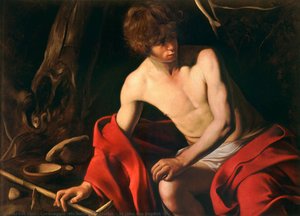
The Conversion of St. Paul
() ·
koos raamiga: · Käsitööna õliga linale maaldud
Kokkuvõte