
Näidatud: · koos raamiga:
 Eelvaade
 Saada
Saada Jaga
Jaga
 Teave teose kohta
 Juhend

 Laadi alla
 Sarnased teosed
 Röntgenuuring
 Slaidietendus
 KÜSIMUSED JA VASTUSID
 Statistika

€ 241
Käsitsi valmistatud õlimaalireproduktsioon
Meie kunstnike poolt tellimusel valmistatud käsitsi maalitud õli-kainaste teos teie soovitud suuruses ja raamis. ( Lülita trükkitoodetele Lülita digitaalse pildi juurde)
Suurus
·Standardne suurus
kohandatud
CM
INCH
Vali meie eelmääratud suurused, mis vastavad teose algupärastele proportsioonidele.
Suuruste laadimine...

laius
kõrgus
Sisestage vajalik laius ja kõrgus, et teos sobiks teie raamile või seinale. Kuna tegu on käsipainatud teosega, siis erineva kujuga suuruse korral võib kunstnik jätta pildi ümber veidi rohkem marginaali või lõigata osa ära — valik on teie. Enne maali alustamist saadame teile kinnitamiseks digitaalse näidisprojektsiooni. Sellel lehel näidatud pilt ei kajasta tegelikku tulemust — seda näitab ainult näidisprojektsioon.
 Loe lähemalt
Lõpuleviimine
·
Valge serv €1

häguse servaga lõppviimistlus €1

Laiendatud €1

P118B €10

P118H €10

P118W €10

P438Z €10

P508JH €12

P508YH €12

P805H €10

P805Z €10

P919BZ €10

P919G €10

P919XJ €10

P959ZH €10

P968JZ €12

W106C €8

W218G €10

W218JH €8

W218Y €10

W307PJ €10

W316G €10

W316PJ €8

W316Y €10

W398PJ €8

W4111J €10

W500HY €15

W500JH €15

W692G €12

W849H €8

W940BG €15

W953PJ €8

H24-GOLD €30

H24-SILVER €30

H36-GOLD €45

H36-SILVER €45
Saadetakse kaitsetorus, et te võiksite selle ise raamida.
Üle 105 cm suurust raami saadetakse komplektina professionaalse raamija jaoks — lugeege lisainfot.
Lisateenused
valikulineMida lisad sisaldavad?
Näited sellest, mida saab muuta: asendage nägu kliendi fotoga; lisage lemmikloom (nt asendage kass koega); lisage taustale peidetud sõnum; muutke tausta maastikku või elemente.
Pärast tellimust saadetab TopImpressionists.com meeskond klientile e-posti juhised ning esitab ette tasandatud eelvaate
Pärast tellimust saadetab TopImpressionists.com meeskond klientile e-posti juhised ning esitab ette tasandatud eelvaate
Maailmline tarne 3–4 nädala jooksul tavalise 5 nädala asemel. (10 november). Kvaliteedis kompromisse ei tehta.
Kaitsevärnitsus
Nimesildikiri
Graveeritud pronksplaadi üksikasjad
This elegant plaque features the artist's name and the title of the artwork, finely engraved for a timeless presentation.
It is made from bronze with a refined, elegant finish. The text is precisely laser-engraved for a sharp and permanent result. Measuring 9x2 cm, the plaque is compact yet easy to read. It's built to be durable and scratch-resistant, offering a professional, museum-quality look. Mounting is simple thanks to the included adhesive backing.
Läbipaistva akrüülplaadi üksikasjad
The plaque includes essential engraved details such as the artist's name, the title of the artwork, the date it was created, the type of media used-like oil on canvas or watercolor-a brief description of the piece, and a QR code that links to the complete artwork information.
It is crafted from clear acrylic, offering a sleek, modern appearance. The text is UV-engraved in black to ensure strong visual contrast. With a size of 10x15 cm, it ensures optimal readability. It comes equipped with two metal hooks for secure wall mounting. The plaque is designed to be weather-resistant, making it suitable for various environments, and it includes interactive features that work seamlessly with smartphone scanning.
Musta akrüülplaadiรายละเอียด (Note: The user provided "Musta akrüülplaadi detailid" as the current translation and asked for an improved version. Since "Musta akrüülplaadi
This elegant plaque includes engraved information such as the artist's name, the title of the artwork, the date it was created, the type of media used (like oil on canvas or watercolor), a short description of the artwork, and a QR code for quick access to more information.
The plaque itself is made from refined black acrylic with a premium finish. The text is laser-engraved in white for high contrast and readability. Its size is 10x15 cm, designed to be easy to read. It comes with two metal hooks for professional mounting. The design is sleek and fits any interior style. It is also weather-resistant and durable, with built-in digital integration for mobile compatibility.
Klaasivalik on saadaval ainult kuni 110 cm suuruses teostes
 Klaasivalik on saadaval ainult kuni 110 cm suuruses teostes
- Tasuta ekspresssaatmine üle maailma
- Kõrgekvaliteediline lina-kangas
- Täielik transpordikindlustus
- Tollimaksude tagastamise garantii
- Värvitoime täpsuse garantii
- 100 päeva tagastusõigus (ainult valmistusdefektide korral)
- 100% raha tagasi garantii
- Hulgusoodustus


Kogumisobjekti kirjeldus
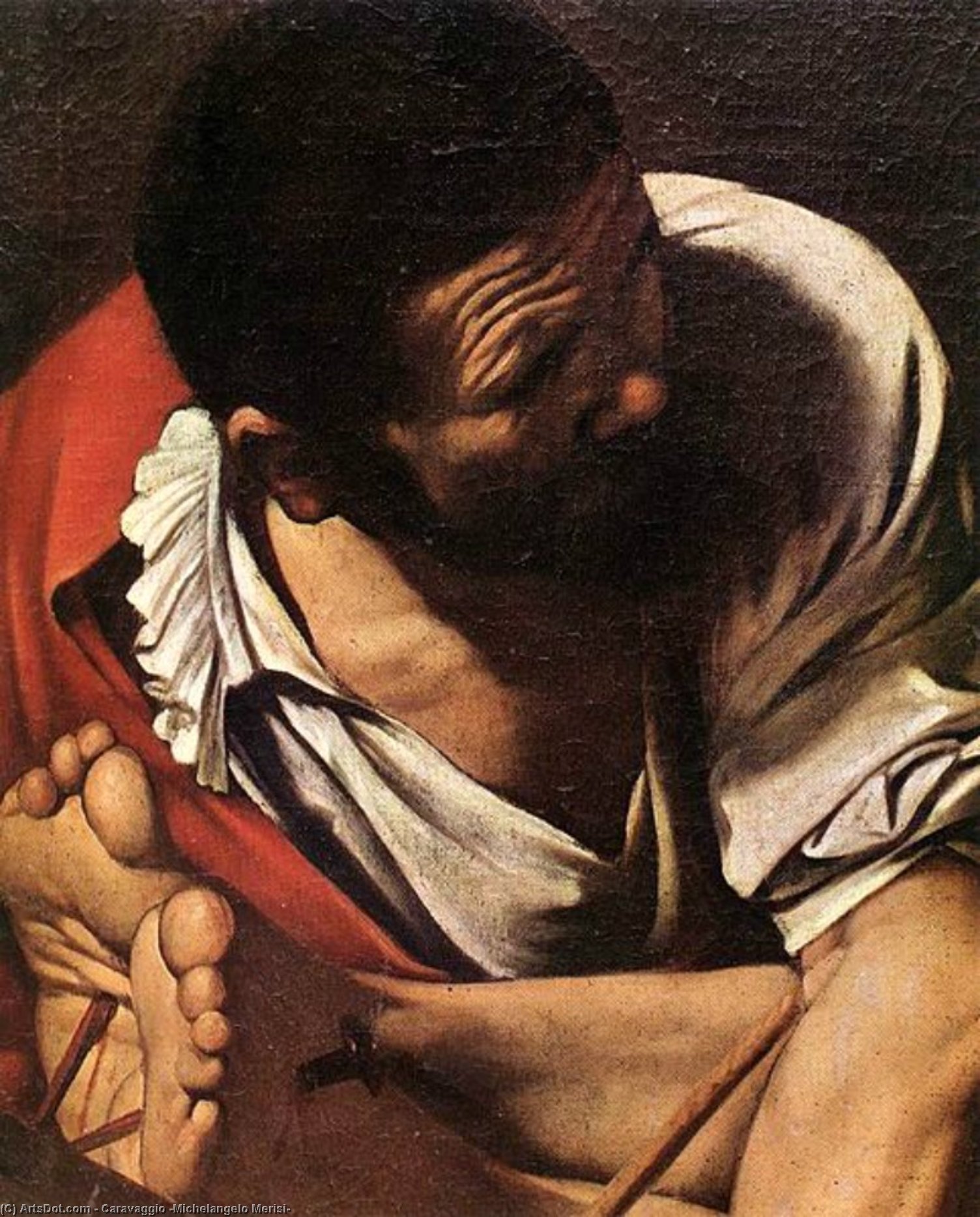
Caravaggio's 'Untitled (92)' depicts a tormented man reflecting on violence and despair, showcasing his signature dramatic chiaroscuro and psychological intensity – a haunting masterpiece.
Kunstniku elulugu
Baroki meistri Caravaggio tõi tenebrismi ellu teostega nagu Cardsharps. Avastage tema revolutsioonilise realismi jõud tänases maailmas.
Teemal maalid
The Weight of Silence: Caravaggio’s ‘Untitled (92)’ – A Study in Human Anguish
Michelangelo Merisi da Caravaggio's “Untitled (92)” is not merely a depiction of a man in distress; it’s a profound exploration of the human condition, rendered with the artist’s signature mastery of light and shadow. This painting, shrouded in mystery regarding its precise date and location within his prolific output, nevertheless possesses an immediate and unsettling power. The subject, a figure seated on the floor, his hands clasped tightly over his knees, embodies a palpable sense of inward turmoil – a silent scream trapped within a posture of profound contemplation. The composition is strikingly simple yet intensely effective; the limited palette—primarily deep reds, browns, and blacks—amplifies the drama and draws the viewer’s eye directly to the man's face, etched with an expression that speaks volumes without uttering a single word.
A Baroque Masterpiece Forged in Shadow – Caravaggio’s Technique
Caravaggio’s genius lay not just in his dramatic subject matter but also in his revolutionary technique. He employed what he termed “tenebrism,” a theatrical use of light and dark, to create an almost hyperrealistic effect. Here, the darkness dominates, enveloping the figure and suggesting a world of uncertainty and despair. A single, unseen source of illumination cuts through this gloom, highlighting the man’s face, hands, and the subtle details of his clothing – a worn red shirt that hints at a life lived with hardship. Notice how Caravaggio uses chiaroscuro—the sharp contrast between light and dark—to sculpt the figure's form, giving it an almost three-dimensional quality. This technique wasn’t simply stylistic; it served to heighten the emotional impact of the scene, forcing the viewer to confront the subject’s suffering directly.
Symbolism Within the Depths – Interpreting the Details
Beyond the immediate portrayal of distress, “Untitled (92)” is rich in symbolic elements. The knife resting on the left side of the image immediately introduces a note of violence and potential conflict—a past trauma perhaps, or an ongoing threat. The bowl, positioned centrally, could represent sustenance consumed before this moment of despair, suggesting a previous state of well-being now irrevocably lost. Crucially, the man’s downward gaze is key; it signifies introspection, regret, and possibly even self-condemnation. The fact that he appears to be looking at the ground suggests a grounding in earthly realities, a stark contrast to the turmoil within his mind. Considering Caravaggio's own turbulent life – marked by poverty, legal troubles, and early loss – one can’t help but see echoes of his personal struggles reflected in this haunting portrait.
Connections & Context: Caravaggio’s Influence and Beyond
Caravaggio’s influence on subsequent generations of artists is undeniable. He paved the way for Baroque painting, shifting away from idealized Renaissance forms towards a more realistic and emotionally charged style. His use of everyday people as subjects—rather than noble figures—was equally revolutionary. Interestingly, research reveals parallels with other works by Caravaggio, such as “Medusa,” where he similarly explored themes of violence, psychological torment, and the confrontation between beauty and horror. The image’s stark realism also connects it to Mughal art, particularly the intricate crowd scenes and psychological dramas found in Shah Jahan's albums – a testament to Caravaggio’s ability to evoke powerful emotions through simple compositions and masterful use of light. The photograph “Untitled 92” by Cindy Sherman, while vastly different in medium, shares a similar exploration of identity and vulnerability, demonstrating the enduring power of Caravaggio’s artistic vision.
TopImpressionists offers meticulously crafted hand-painted reproductions of this iconic work, allowing you to experience the raw emotion and dramatic intensity of Caravaggio's masterpiece in stunning detail. Each reproduction is created by skilled artists using traditional techniques, ensuring an authentic representation of this timeless portrait. Explore our collection today and bring a piece of art history into your home or office.
Korduvad küsimused
Kuidas kunstiliikumine ja ajastu kohtuvad teoses „untitled (92)“, autor Caravaggio?
Teos "untitled (92)" kuulub Baroque Realism suunale ning selle looja tegutses Varajärgne modernne ajastu ajastul.
Kui karge on teose "untitled (92)" väripalett?
Teose „untitled (92)“, autor Caravaggio värvitoit on Balanced Soft kütkusega.
Kas „untitled (92)“, autor Caravaggio on tuntud teos?
Teose „untitled (92)“, autor Caravaggio registreeritud populaarsusaste on Iconic.
Kiirinfo ja kunstiviktoriin
Info Caravaggio kohta

Caravaggio
1571 - 1610, Hispaania
Kunstniku elulugu
Varju ja Valguse Kujundatud Elu: Michelangelo Merisi da Caravaggio
Michelangelo Merisi da Caravaggio, kelle nimega on seostatav barokkmaali dramaatiline intensiivsus, sündis 1571. aastal Milanos, ajastus, mis oli täis nii kunstilist õitsemist kui ka ühiskondlikku rahutust. Tema varajane elu oli märgitud kaotuste poolt; katk haaras tema kodulinnat, nõudes kuus aastaselt nii isa kui vanaisa elud. Surelõuna keskel kasvanud noor Michelangelo omandas kiiresti teadliku arusaamise inimeste kannatustest ja vastupanuvõimest – teemad, mis hiljem domineerisid tema lõuaneid. Milano all Simone Peterzano juures toimunud kunstnikukoolitus andis talle renessansitehnika põhialused, kuid juba siis viitas tema loomingus peituva rebelsusvaim, mis peaagu purustaks kehtivaid norme. See õppeperiood pakkus kindla aluse, kuid just Roomas, sinna jõudes umbes 1592. aastal, leidis Caravaggio tõelise hääle, kuigi mitte ilma algseteks võitlusteks ja raskusteta. Linn, kunstimeistrite toetajate ja usulise vaimustuse elav keskus, osutus ambitsioonikale noorele maalijale nii ahvatlevaks kui ka armutu.Revolutsiooniline Visioon: Tehnika ja Stiil
Caravaggio saabumine Rooma andis itaalia kunsti maastikule seismilise nihke. Ta hülgas valitseva mannerismi stiili – mida iseloomustas kunstlik elegants ja pikendatud vormid – ning eelistades kompromissitu realismi, mis šokeeris ja vaimustas publiku. Tema määravamaks innovatsiooniks oli tema oskusliku chiaroscuro kasutamine, valguse ja varju dramaatiline kontrast, mille ta uuele väljendusrikka tasemele tõstis. Seda tehnikat, mida sageli nimetatakse tenebrismiks, ei olnud pelgalt esteetiline valik; see oli vahend emotsionaalse mõju intensiivistamiseks, vaataja kutsumiseks stsiooni südamesse ja tema kujude andmiseks käegakatsutava olemasoluga. Ta jätsime idealiseeritud kujutised maha ning täitis oma maalijaid tavaliste inimestega – sageli Roomi tänavatelt pärit modellidega – religioossete tegelasteks. See radikaalne lähenemine esitas kahtlusi ilu ja püha suhtes, muutes sakra seostuvaks ja sügavalt inimlikuks. Tema kompositsioonid olid sageli jõulised ja otsekoored, keskendudes intensiivse dramaatilise hetke põhisündmusele, olgu see siis „Kristuse vahiteenistuse“ brutaalne realism või „Püha Franciscuse ekstaasi” vaikne kaalutlus.Peamised Teosed ja Püsiv Mõjutus
Tema suhteliselt lühikese karjääri jooksul lõi Caravaggio teoste kogumiku, mis jätkab tänapäevani publiku poolel kõikumist. Varased tööd nagu „Rahapealtnaine” (1594) näitavad tema kasvavat andekust realistliku detaili ja psühholoogilise nüansi tabamisel. „Viimane õhtusöök Emmauses” (1601–1602), mis asub Londoni Rahvusgaleriis, kehastab suurepäraselt chiaroscuro valitsemist ja võimet väljendada uskumatu emotsionaalset sügavust piibellikus jutustuses. „David Goliathi peaga” (u 1610) on eriti kummaline, mida tõlgitakse sageli kui eneseportree, mis kajastab Caravaggio enda segaseid sisemisi tundeid. Tema mõju ulatub kaugemale Itaaliast ja inspireeris põlvkonda kunstnikke, keda tuntakse „Caravaggistidena” või „varjujatena”, kes omandasid tema stiili kogu Euroopas. Tähtsad järgijad olid Peter Paul Rubens, Jusepe de Ribera ja Gerrit van Honthorst, igaüks kohandades Caravaggio tehnikaid oma ainulaadse kunstilise visiooni jaoks.Tormiline Elu ja Püsiv Pärand
Caravaggio elu oli sama dramaatiline ja rahutu kui tema kunst. Volatiilne iseloom ja peksmiste kalduvus viisid teda sageli seadusega konfliktini, mille kulminatsiooniks 1606. aastal mõrvsüüdistus, mis sundis teda Roomast põgenema. Ta veetis järgmised neli aastat rändades Napoli, Malta ja Sitsiilia vahel, maalides samal ajal otsides innukalt paavsti andestust. Vaatamata oma jõupingutustele jäi ta kurjategijaks, kimbutatud oma mineviku poolt ja isiklike konfliktidega. Ta suri 1610. aastal Porto Ercoles, Itaalias, salaperastes asjaoludes – tema surma põhjust on arvatavatel põhjustel veelgi vaieldud, teooriad ulatuvad palavikust mürgitamiseni. Kuigi tema elu lühikeseks jäi, jääb Caravaggio kunstiline pärand tõestuseks tema revolutsioonilisest visioonist ja kompromissitu pühendumisest realismile. Ta esitas oma aja konventsioone väljakutsetes, avas tee kaasaegsema lähenemise maalijale ning jättis kustumatu jälje lääne kunsti ajalukku. Tema teosed jätkavad imetlust ja mõtisklemist äratades, tuletades meile meelde kunsti jõudu valgustada inimkogemuse pimedamaid nurgi.Kiirinfo Caravaggio kohta
- Artistic Movement Or Style: Barokk, Tenebrism
- Artists Or Movements Influenced By This Artist:
- Rubens
- Ribera
- Caravaggisti
- Artists Who Influenced This Artist:
- Titian
- Leonardo da Vinci
- Michelangelo
- Date Of Birth: 29. september 1571
- Date Of Death: 18. juuli 1610
- Full Name: Michelangelo Merisi da Caravaggio
- Nationality: Itaalia
- Notable Artworks:
- Väravade ennustaja
- Emaus's õhtumaal
- David ja Goliath
- Pattu kahetsev Magdaleena
- Place Of Birth: Milan, Hispaania
Avastage teoseid, mis on koondatud teemade, stiilide ja omaduste kaupa.




Caravaggio
untitled (92)
() ·
koos raamiga: · Käsitööna õliga linale maaldud
Kokkuvõte