
![Landscape at Céret [Paysage à Céret], autor Chaim Soutine, käsitsi maalatud õli linenile](/media/artworks/images-full/35/5a/355a615cc0de7aff615dd914cfa996d2.jpg)
Näidatud: · koos raamiga:
 Eelvaade
 Saada
Saada Jaga
Jaga
 Teave teose kohta
 Juhend

 Laadi alla
 Sarnased teosed
 Röntgenuuring
 Slaidietendus
 KÜSIMUSED JA VASTUSID
 Statistika
- 79.0 x 87.0 cm


€ 240
Käsitsi valmistatud õlimaalireproduktsioon
Meie kunstnike poolt tellimusel valmistatud käsitsi maalitud õli-kainaste teos teie soovitud suuruses ja raamis. ( Lülita trükkitoodetele Lülita digitaalse pildi juurde)
Suurus
·Standardne suurus
kohandatud
CM
INCH
Vali meie eelmääratud suurused, mis vastavad teose algupärastele proportsioonidele.
Suuruste laadimine...

laius
kõrgus
Sisestage vajalik laius ja kõrgus, et teos sobiks teie raamile või seinale. Kuna tegu on käsipainatud teosega, siis erineva kujuga suuruse korral võib kunstnik jätta pildi ümber veidi rohkem marginaali või lõigata osa ära — valik on teie. Enne maali alustamist saadame teile kinnitamiseks digitaalse näidisprojektsiooni. Sellel lehel näidatud pilt ei kajasta tegelikku tulemust — seda näitab ainult näidisprojektsioon.
 Loe lähemalt
Lõpuleviimine
·
Valge serv €1

häguse servaga lõppviimistlus €1

Laiendatud €1

P118B €10

P118H €10

P118W €10

P438Z €10

P508JH €12

P508YH €12

P805H €10

P805Z €10

P919BZ €10

P919G €10

P919XJ €10

P959ZH €10

P968JZ €12

W106C €8

W218G €10

W218JH €8

W218Y €10

W307PJ €10

W316G €10

W316PJ €8

W316Y €10

W398PJ €8

W4111J €10

W500HY €15

W500JH €15

W692G €12

W849H €8

W940BG €15

W953PJ €8

H24-GOLD €30

H24-SILVER €30

H36-GOLD €45

H36-SILVER €45
Saadetakse kaitsetorus, et te võiksite selle ise raamida.
Üle 105 cm suurust raami saadetakse komplektina professionaalse raamija jaoks — lugeege lisainfot.
Lisateenused
valikulineMida lisad sisaldavad?
Näited sellest, mida saab muuta: asendage nägu kliendi fotoga; lisage lemmikloom (nt asendage kass koega); lisage taustale peidetud sõnum; muutke tausta maastikku või elemente.
Pärast tellimust saadetab TopImpressionists.com meeskond klientile e-posti juhised ning esitab ette tasandatud eelvaate
Pärast tellimust saadetab TopImpressionists.com meeskond klientile e-posti juhised ning esitab ette tasandatud eelvaate
Maailmline tarne 3–4 nädala jooksul tavalise 5 nädala asemel. (3 november). Kvaliteedis kompromisse ei tehta.
Kaitsevärnitsus
Nimesildikiri
Graveeritud pronksplaadi üksikasjad
This elegant plaque features the artist's name and the title of the artwork, finely engraved for a timeless presentation.
It is made from bronze with a refined, elegant finish. The text is precisely laser-engraved for a sharp and permanent result. Measuring 9x2 cm, the plaque is compact yet easy to read. It's built to be durable and scratch-resistant, offering a professional, museum-quality look. Mounting is simple thanks to the included adhesive backing.
Läbipaistva akrüülplaadi üksikasjad
The plaque includes essential engraved details such as the artist's name, the title of the artwork, the date it was created, the type of media used-like oil on canvas or watercolor-a brief description of the piece, and a QR code that links to the complete artwork information.
It is crafted from clear acrylic, offering a sleek, modern appearance. The text is UV-engraved in black to ensure strong visual contrast. With a size of 10x15 cm, it ensures optimal readability. It comes equipped with two metal hooks for secure wall mounting. The plaque is designed to be weather-resistant, making it suitable for various environments, and it includes interactive features that work seamlessly with smartphone scanning.
Musta akrüülplaadiรายละเอียด (Note: The user provided "Musta akrüülplaadi detailid" as the current translation and asked for an improved version. Since "Musta akrüülplaadi
This elegant plaque includes engraved information such as the artist's name, the title of the artwork, the date it was created, the type of media used (like oil on canvas or watercolor), a short description of the artwork, and a QR code for quick access to more information.
The plaque itself is made from refined black acrylic with a premium finish. The text is laser-engraved in white for high contrast and readability. Its size is 10x15 cm, designed to be easy to read. It comes with two metal hooks for professional mounting. The design is sleek and fits any interior style. It is also weather-resistant and durable, with built-in digital integration for mobile compatibility.
Klaasivalik on saadaval ainult kuni 110 cm suuruses teostes
 Klaasivalik on saadaval ainult kuni 110 cm suuruses teostes
- Tasuta ekspresssaatmine üle maailma
- Kõrgekvaliteediline lina-kangas
- Täielik transpordikindlustus
- Tollimaksude tagastamise garantii
- Värvitoime täpsuse garantii
- 100 päeva tagastusõigus (ainult valmistusdefektide korral)
- 100% raha tagasi garantii
- Hulgusoodustus


Kogumisobjekti kirjeldus
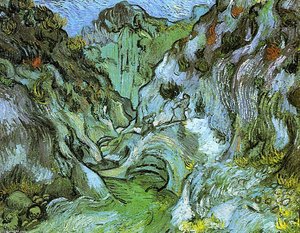
Chaim Soutine’s ‘Landscape at Céret’ captures a turbulent yet serene Pyrenean scene with dancing brushstrokes and vibrant yellow foliage, reflecting the artist's intense style from 1922. Discover this powerful work by Soutine and bring home a unique piece of art history.
Kunstniku elulugu
Chaim Soutine (1893-1943): ekspressionistlik maalikunstnik, tuntud tormiliste maastike ja portreede poolest. Ühendab traditsiooni ja modernsuse rahes emotsioonidega. Kooli Pariisi oluline tegelane.
Teemal maalid
Landscape at Céret by Chaim Soutine: A Vision of Turbulent Beauty
Chaim Soutine’s “Landscape at Céret” is more than just a depiction of a Pyrenean hillside; it's a visceral expression of the artist’s inner turmoil and a testament to his singular artistic vision. Painted in 1922, during a pivotal period of his career, this work embodies the raw emotion that would come to define Soutine’s oeuvre – a style characterized by intensely expressive brushwork, distorted forms, and a profound engagement with the psychological landscape.
- Subject Matter: The painting presents a dramatic mountain scene dominated by gnarled trees ablaze with autumnal hues. A small village nestles amongst the foliage, adding a touch of human presence to the otherwise imposing natural world.
- Historical Context: Soutine’s time in Céret was profoundly influential. Following World War I, he sought refuge and creative renewal in this region, a place already associated with artistic innovation – notably, the Cubist explorations of Picasso and Braque. His relationship with art dealer Zachari Zborowski proved crucial to his success, providing both support and access to the Parisian art market.
A Style Forged in Emotion: Soutine’s Technique
Soutine's technique is immediately arresting. He employs a dynamic, almost violent brushstroke – thick impasto applied with a frenetic energy that seems to capture the very essence of movement and instability. The trees aren’t rendered realistically; instead, they are monumentalized, their branches twisting and reaching like tormented limbs. This distortion isn't merely stylistic; it reflects Soutine’s emotional state, his struggle to reconcile beauty with suffering.
- Impasto Technique: The heavy application of paint (impasto) creates a tactile surface, inviting the viewer to engage physically with the artwork.
- Color Palette: Dominated by yellows, ochres, and browns, the color palette evokes a sense of heat, intensity, and perhaps even decay – mirroring the themes of mortality and transformation often present in Soutine’s work.
- Brushwork: The swirling, directional brushstrokes create a powerful sense of movement and energy, drawing the eye across the canvas and contributing to the painting's overall feeling of unease.
Symbolism and Emotional Resonance
"Landscape at Céret" is laden with symbolic weight. The towering trees can be interpreted as representing both strength and vulnerability, while the solitary figure gazing out towards the viewer suggests a sense of isolation and contemplation. The chaotic arrangement of elements – the distorted forms, the intense colors – reflects Soutine’s own psychological state, hinting at the anxieties and uncertainties that permeated his life. The painting speaks to themes of memory, loss, and the struggle for meaning in a world often perceived as hostile or absurd.
- Interpretation: The scene can be seen as a reflection of Soutine's own emotional landscape – turbulent, passionate, and deeply personal.
- Human Element: The presence of the figure adds another layer of complexity, inviting viewers to consider their own relationship with nature and the act of observation.
Dimensions & Details
This exceptional reproduction captures every nuance of Soutine’s original masterpiece. The dimensions are 79 x 87 cm (31 ¼ x 34 ¼ inches), making it suitable for a variety of interior spaces. Produced using high-quality materials, this hand-painted reproduction offers an authentic representation of this iconic work, ensuring that its beauty and emotional power will be enjoyed for generations to come.
Korduvad küsimused
Kuidas saan vaadata reproduktsiooni teosele „Landscape at Céret [Paysage à Céret]“, autor Chaim Soutine?
Leht Eelvaade teose "Landscape at Céret [Paysage à Céret]" kohta võimaldab teil teost enne tellimist eelvaatata.
Millist tunnet "Landscape at Céret [Paysage à Céret]" edastab?
„Landscape at Céret [Paysage à Céret]“, autor Chaim Soutine edastab Reflective emotsionaalset toonust.
Kust saan osta teose „Landscape at Céret [Paysage à Céret]“, autor Chaim Soutine käsitsi maalatud reproduktsiooni?
Teose „Landscape at Céret [Paysage à Céret]“, autor Chaim Soutine käsitsi maaldatud reproduktsiooni saab tellada otse selle Käsitsi maalatud reproduktsioon lehelt: käsitsi maalatud õlireproduktsioon linaelapale, valmistatud tellimusest.
Kiirinfo ja kunstiviktoriin
Info Chaim Soutine kohta

Chaim Soutine
1894 - 1943, Venemaa
Kunstniku elulugu
Elu keerukuses: Chaim Soutine'i maailm
Chaim Soutine sündis 1893. aastal Smilovichi juudi perekonda (tänapäeva Valgevene), ja tema varajane elu oli täidetud raskustega. See kujundav kogemus – lapsepõlv, mida iseloomustas nii materiaalne nappus kui ka õigeusu kogukonna piirangud – mõjutas sügavalt tema kunstilist visiooni. Kuigi figuuride kujutamine oli tema religioosses kasvatuses keelatud, õitses tal siiski varajane joonistamisandekus, mis vihjas kirgliku intensiivsuse kohta, mis tuleks määratleda tema tööd. Ta sai formaalse koolituse Vilna kunstiakadeemias (praegune Vilnius, Leedu) aastatel 1910–1913, kuid tema emigreerumine Pariisi 1913. aastal osutus tõeliselt pöördeliseks. Soutine astus Fernand Cormoni juurde École des Beaux-Arts'i, kus ta leidis end elava kunstikogukonna keskel, ent jäi suuresti valitsevatest suundadest eemale, luues oma unikaalse tee. Tema varased Pariisi aastad olid iseloomulikud äärmise vaesusega, võitlusega, mis peegeldas tema lõuendite all voolavat emotsionaalset turbulentsi.Väljendusliku kunstniku eraldi: stiil ja mõjud
Kuigi Soutine'i sageli kategoriseeritakse väljenduslikuks kunstnikuks, on teda ainult selle raamistikku paigutamine piirav. Tema stiil oli sügavalt individuaalne, veenv süntees traditsioonilisest Euroopa maalikunstist – eriti hollandi meistritest nagu Rembrandt ja Chardin ning Courbet' realistlikust kunstist –, mida filtreeris läbi toore emotsionaalse intensiivsuse prisma. Ta ei jäljendanud neid meisterkunstnikke lihtsalt; ta imas endasse nende tehnikaid ja kompositsioonistrateegiaid, seejärel interpreteeris need vägivaldselt oma sisemaailma väljendamisel. Tema stiili tunnustunnused on julged värvid, mida kantakse paksu impastoga – tekstuuriline värvikihiga pealekandmine, mis annab tema pindadele käegakatsutava füüsilisuse – ja rahutu pintslikäsitlus. Soutine ei olnud huvitatud täpsest esitusest; ta otsis oma teemade emotsionaalset olemust, andes neile sageli ebamugavustunde või psühholoogilist pinget. Maastikud, portreed ja natüürstilised pildid said tema valitud vahenditeks selle uurimisel, korduvad teemad nagu toit ja loomad peegeldasid nii isiklikke kogemusi kui ka tema juudi päritolu. Need ei olnud pelgalt kujutused; need olid viskeraalsed väljendusvormid tunnetest, mis olid maalitud peaaegu meeleheitliku energiaga.Areng ja määratlevad teosed
Soutine'i kunstiline areng toimus erinevate perioodide kaudu, mida iseloomustas ainulaadne stilistiline uurimine. Varased Pariisi aastad (1913–1917) nägid teda võitlemas oma hääle leidmisega finantsiliste raskuste keskel. Periood Céret's aastatel 1919–1922 osutus otsustavaks. Just siin, Lõd-Prantsusmaa dramaatilises maastikus, lõi ta palju oma kuulsaimaid teoseid. Neid maale iseloomustavad elavad värvid, moonutatud vormid ja peaaegu vägivaldne energia tunne. Puud, kaljud ja põllud muutuvad keerlevateks värvimassideks, mis peegeldavad mitte ainult seda, mida Soutine nägi, vaid ka seda, kuidas ta nende kohal *tundis*. Tema portreed paistavad samuti silma oma psühholoogilise sügavuse poolest. Ta kujutas sageli töölisklassi inimesi toore aususega, mis väljakutse traditsioonilisele portreekunstile, paljastades oma teemade väärikust ja haavatavust. Samuti tema natüürstilised pildid – toidu- ja esemete kompositsioonid – edastavad elujõudu, aga ka rahutu energiat, justkui isegi elutud objektid on täis elu ja emotsioone. Märkimisväärsed teosed sellel perioodil hõlmavad uuringuid seoses “Elu tantsuga”, samuti arvukalt maastikke, mis tabasid Céret' olemust, ning südant puudutavaid portreede Pariisi juudi pagulastest.Tunnustus, pärand ja kestev mõju
Soutine oli võtmeisik Pariisi koolkonnas, mitmekesises kunstnikurühmas, kes töötas linna 20. sajandi alguses. Tema tee tunnustamiseni ei olnud aga lihtne. Kunstigalerii omanik Leopold Zborowski mängis olulist rolli Soutine'i töö edendamisel ja tema finantsilise stabiilsuse tagamisel, tunnistades tema ainulaadse visiooni jõu. Esialgne kriitiline vastuvõtt oli segatud, kuid tema maine kasvas järk-järgult aja jooksul. Tema väljenduslik värvikasutus ja emotsionaalne intensiivsus mõjutasid sügavalt hilisemaid kunstnikke, sealhulgas Willem de Kooningut ja Francis Baconit, kes nägid Soutine'is sugulast – kunstnikku, kes oli valmis nihutama esituspiire autentset väljendust otsides. Tänapäeval tunnustatakse Chaim Soutine'i õigustatult väljendusluse oluliseks figuuriks ja 20. sajandi kunsti oluliseks panustajaks. Tema teoseid hoitakse mainekates muuseumites üle maailma, mis on tunnistuseks tema kestvale pärandile. Ta esindab olulist silda traditsiooniliste Euroopa maalikunstitehnikate ja Abstract Expressionismi tekkivate vormide vahel, seades emotsionaalse väljenduse objektiivse esituse kohale ning arendades kunstilist häält, mis ületas tavalised väljendusliku kunsti mured. Tema uuenduslik stiil rajas tee tulevaste põlvkondade kunstnikele, kes otsisid sügavaid inimtundeid värvi jõu kaudu.Kiirinfo Chaim Soutine kohta
- Artistic Movement Or Style: Ekspressionism
- Artists Or Movements Influenced By This Artist:
- Willem de Kooning
- Francis Bacon
- Artists Who Influenced This Artist:
- Rembrandt
- Chardin
- Courbet
- Date Of Birth: 13. jaanuar 1893
- Date Of Death: 1943
- Full Name: Chaim Soutine
- Nationality: Prantsuse
- Notable Artworks:
- Suburban Landscape...
- Untitled (2161)
- Study for the Dance...
- Place Of Birth (City And Country): Smilovichi, Venemaa
Sarnased teosed




Chaim Soutine
Landscape at Céret [Paysage à Céret]
() ·
koos raamiga: · Käsitööna õliga linale maaldud
Kokkuvõte