

Shown: · With its frame:
 Eelvaade
 Saada
Saada Jaga
Jaga
 Teave teose kohta
 Juhend

 Laadi alla
 Sarnased teosed
 Röntgenuuring
 Slaidietendus
 Q&A
Q&A Statistika

€ 239
Käsitsi valmistatud õlimaalireproduktsioon
Meie kunstnike poolt tellimusel valmistatud käsitsi maalitud õli-kainaste teos teie soovitud suuruses ja raamis. ( Lülita trükkitoodetele Lülita digitaalse pildi juurde)
Size
·Standardne suurus
kohandatud
CM
INCH
Vali meie eelmääratud suurused, mis vastavad teose algupärastele proportsioonidele.
Loading sizes...

laius
kõrgus
Sisestage vajalik laius ja kõrgus, et teos sobiks teie raamile või seinale. Kuna tegu on käsipainatud teosega, siis erineva kujuga suuruse korral võib kunstnik jätta pildi ümber veidi rohkem marginaali või lõigata osa ära — valik on teie. Enne maali alustamist saadame teile kinnitamiseks digitaalse näidisprojektsiooni. Sellel lehel näidatud pilt ei kajasta tegelikku tulemust — seda näitab ainult näidisprojektsioon.
 Loe lähemalt
Finish
·
White €1

Blurside €1

Extended €1

P118B €10

P118H €10

P118W €10

P438Z €10

P508JH €12

P508YH €12

P805H €10

P805Z €10

P919BZ €10

P919G €10

P919XJ €10

P959ZH €10

P968JZ €12

W106C €8

W218G €10

W218JH €8

W218Y €10

W307PJ €10

W316G €10

W316PJ €8

W316Y €10

W398PJ €8

W4111J €10

W500HY €15

W500JH €15

W692G €12

W849H €8

W940BG €15

W953PJ €8

H24-GOLD €30

H24-SILVER €30

H36-GOLD €45

H36-SILVER €45
Shipped in a protective tube, ready for your own framer.
Above 105 cm the frame is shipped as a kit for a professional framer — read the details.
Extras
optionalWhat do the extras include?
Examples of what can be changed: Replace face with customer photo; Add pet (e.g., replace cat with dog); Include hidden message in background; Change background landscape or elements.
After order, TopImpressionists.com team will email client for instructions and provide a mockup preview
After order, TopImpressionists.com team will email client for instructions and provide a mockup preview
Maailmline tarne 3–4 nädala jooksul tavalise 5 nädala asemel. (31 oktoober). Kvaliteedis kompromisse ei tehta.
Kaitsevärnitsus
Nimesildikiri
Graveeritud pronksplaadi üksikasjad
This elegant plaque features the artist's name and the title of the artwork, finely engraved for a timeless presentation.
It is made from bronze with a refined, elegant finish. The text is precisely laser-engraved for a sharp and permanent result. Measuring 9x2 cm, the plaque is compact yet easy to read. It's built to be durable and scratch-resistant, offering a professional, museum-quality look. Mounting is simple thanks to the included adhesive backing.
Läbipaistva akrüülplaadi üksikasjad
The plaque includes essential engraved details such as the artist's name, the title of the artwork, the date it was created, the type of media used-like oil on canvas or watercolor-a brief description of the piece, and a QR code that links to the complete artwork information.
It is crafted from clear acrylic, offering a sleek, modern appearance. The text is UV-engraved in black to ensure strong visual contrast. With a size of 10x15 cm, it ensures optimal readability. It comes equipped with two metal hooks for secure wall mounting. The plaque is designed to be weather-resistant, making it suitable for various environments, and it includes interactive features that work seamlessly with smartphone scanning.
Musta akrüülplaadiรายละเอียด (Note: The user provided "Musta akrüülplaadi detailid" as the current translation and asked for an improved version. Since "Musta akrüülplaadi
This elegant plaque includes engraved information such as the artist's name, the title of the artwork, the date it was created, the type of media used (like oil on canvas or watercolor), a short description of the artwork, and a QR code for quick access to more information.
The plaque itself is made from refined black acrylic with a premium finish. The text is laser-engraved in white for high contrast and readability. Its size is 10x15 cm, designed to be easy to read. It comes with two metal hooks for professional mounting. The design is sleek and fits any interior style. It is also weather-resistant and durable, with built-in digital integration for mobile compatibility.
Klaasivalik on saadaval ainult kuni 110 cm suuruses teostes
 Klaasivalik on saadaval ainult kuni 110 cm suuruses teostes
- Tasuta ekspresssaatmine üle maailma
- Kõrgekvaliteediline lina-kangas
- Täielik transpordikindlustus
- Tollimaksude tagastamise garantii
- Värvitoime täpsuse garantii
- 100 päeva tagastusõigus (ainult valmistusdefektide korral)
- 100% raha tagasi garantii
- Hulgusoodustus


Kogumisobjekti kirjeldus
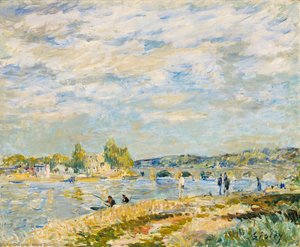
Claude Monet's 'The Basin at Argenteuil' captures the idyllic waterfront of France with shimmering light and fleeting impressions, embodying the essence of Impressionist art.
Kunstniku elulugu
Avastage impressionismi suurmeister Claude Moneti maailm, kes jäädvustas ikoonilistes maastikudes nagu Veeputked ja Høistud hävetava valguse ja värvi.
About the painting
A Symphony of Light on the Seine
Claude Monet’s The Basin at Argenteuil is far more than a mere depiction of a riverside scene; it is a profound distillation of the burgeoning spirit of Impressionism itself. Painted in 1872, this canvas captures a movement that sought to embrace fleeting moments of beauty and emotion rather than striving for the rigid photographic realism of previous eras. The painting serves as an emblem of artistic innovation, transforming a simple waterfront into a vibrant stage where light and life perform their daily dance. As one gazes upon the water, there is an immediate sense of being transported to a time when Parisians sought refuge in the tranquil landscapes of the Seine, finding joy in the simple elegance of a summer afternoon.
The composition unfolds with remarkable serenity, inviting the viewer to wander along the embankment. Within this picturesque setting, Monet captures the essence of leisure, featuring figures strolling near the shore and boats gliding gracefully across the tranquil water. A subtle yet captivating element—a horse visible within the scene—adds a touch of pastoral charm, grounding the ethereal light in the reality of everyday life. The way the scene is structured creates a wonderful sense of depth, where distant elements are softly blurred, emphasizing the immediacy and the preciousness of the present moment.
The Mastery of Impressionistic Technique
To observe The Basin at Argenteuil is to witness Monet’s masterful command over the interplay of light and shadow. Eschewing the traditional method of meticulously blending colors to achieve smooth, porcelain-like surfaces, Monet employed short, broken brushstrokes that convey a palpable sense of dynamism. This technique allows the eye to participate in the creation of the image, as the visible dashes of pigment simulate the way sunlight filters through trees and shimmers upon the water’s surface. It is a revolutionary approach where color itself becomes an illusion created by the viewer's perception.
The palette is both vibrant and harmonious, dominated by soothing blues and lush greens that evoke the refreshing atmosphere of the Seine and its surrounding foliage. Monet abandons traditional, hard contours in favor of loose, expressive strokes that suggest shapes rather than defining them with clinical precision. This is particularly evident in the depiction of the clouds, which appear to shift and drift across the sky, mirroring the fluid nature of the water below. For the collector or interior designer, this technique offers a sense of movement and vitality, making the piece an ideal centerpiece for spaces that require a touch of organic energy and luminous warmth.
An Emotional Invitation to Serenity
Beyond its technical brilliance, the painting carries a deep emotional resonance. It captures a sense of peace and nostalgia, evoking the atmosphere of a sun-drenched day where time seems to slow down. The dappled sunlight and the soft reflections on the water create an environment brimming with warmth, making the artwork feel less like a static object and more like a living memory. This ability to capture the very breath of a moment is what makes Monet’s work so enduringly captivating.
For those seeking to infuse their homes or galleries with a sense of tranquility and historical elegance, The Basin at Argenteuil offers unparalleled inspiration. It is an invitation to pause, to breathe, and to appreciate the ephemeral beauty that surrounds us. Whether viewed as a window into the Second Empire era or as a masterclass in color theory, this work remains a timeless testament to the power of light to transform the ordinary into the extraordinary.
Korduvad küsimused
Millist värvigamma teos "The Basin at Argenteuil" kasutab?
Teoses „The Basin at Argenteuil“, autor Claude Monet on kasutatud Neutrals väripaletti, mis kokkuvõtab teose üldist värilist olemust.
Milline värv domineerib teose „The Basin at Argenteuil“, autor Claude Monet kompositsioonis?
Putty (#cacdc7) on teose „The Basin at Argenteuil“, autor Claude Monet domineeriv värv.
Kust saan leida sarnaseid teoseid kui „The Basin at Argenteuil“, autor Claude Monet?
Teosed, mis sarnanevad teosega "The Basin at Argenteuil", on loetletud selle teose Sarnased teosed lehel.
Quick facts and art quiz
About Claude Monet

Claude Monet
1840 - 1926, Prantsusmaa
Kunstniku elulugu
Valgusest Üleandev Elu: Claude Monet Maailm
Oscar-Claude Monet, nimi, mis on sünkronneeritud impressionismiga, ei olnud pelgalt maastikumaalija; ta oli hävetavate hetkede kroonik, valguse ja värvi poet. Sündinud Pariisis 14. novembril 1840, võttis tema varane elu ootamatut suunda, kui tema pere kolis viieaastaselt Normandiasse, Le Havre’i. Kuigi isa lootis algselt poja suunduvat ärikarjäärile, tõusel noore Claude loomulik kunstiline talent kiiresti üles, välendudes esialgselt kohalikult müüdavate südamlikute südametutega füüsiliste karikatuuride näol – see oli tunnistus nii tema oskustest kui ka ettevõtlusvaimust. Siiski oli just kohtumine Eugène Boudiniga otsustav hetk. Boudin ei õpetanud Monetile lihtsalt seda, *kuud* maalida; ta sisemaas talle revolutsioonilise idee maalistamast en plein air – otse loodusest – praktikat, mis määras tema kogu kunstilist teekonda.
Moneti ametlik õpe algas Pariisis, esmalt lühikese aja Académie Suisse'is ja hiljem Charles Gleyre juhendamisel. Just siin sõlmis ta püsivaid sõprussuhteid teiste kunstnikega, nagu Auguste Renoir, luues sideme, mis põhines ühistel kunstilistel muredel ja soovil vabaneda traditsioonilise akadeemilise maali piirangutest. Tema varased teosed, kuigi näitasid tehnilist oskust, puudusid sellest eristavast häälest, mis peagi tema stiili iseloomustaks. Järgnes turbulente aega – Prantsus-Prantsia sõda sundis Monetit otsima peitu Londonist, kus ta süvenes inglise maastikukunstnike, nagu J.M.W. Turner, tööde uurimisele, imeldes nende atmosfäärilisi efekte ja värvi innovaatilist kasutamist.
Esteetilise revolutsiooni sünn\",\"p
Pärast Prantsusmaale naasmist sai Monet keskseks figuuriks kasvavas kunstilises rebelluses. Erinevalt konservatiivsetest standardidest Salonis, ühendas ta jõudud teiste sarnaste vaadanetega kunstnikud, et korraldada iseseisvaid näitusi. Näitus 1974. aastal tõuus esile murdepunktina mitte ainult Monetile, vaid kogu kunstimaailmale. Just siin eksponeeriti tema teost „Impression, soleil levant“ (Mulhet, tõuslev päike) – hämarat kujutlust Le Havre’i sadamast koit\", ning sellest sündis ka halvatud termin "impressionism". Kuid nimi juurdus ja arenes auastuseks liikumisele, mis püüdis tabada stseenist subjektiivset *muljet* rather than selle täpset esitamist.
Moneti iseloomulik stiil õitsines selle perioodi jooksul: lahtised, nähtavad pintooned, vibrantne ja sageli segamatu värv, mida rakendati külmikülgedele (tehnika tuntud kui „murdetud värv“) ning vankumatu keskendumine valguse ajutuste omaduste tabamisele. Ta jälgi väsimatult oma plein air praktikat, töötades kiiresti, et ülesvõtta oma vahetud tajumised enne kui muutuva olukord stseenit muutaks. See pühendumus ei olnud pelgalt selle kirjeldamine, mida ta *nägi*, vaid pigem selle, kuidas ta seda *tundis* – radikaalne kõrvalekaldumine kunstilistest konventsioonidest.
Giverny: Valguse ja peegelduste paradies
1883. aastal asustas Monet Pariisi loodvestas Givernys, raamatupaduna lootes luua kodu ja aia, mis saaks olla nii tema varjupaik kui ka suurim inspiratsiooniallikas. Ta transformaeritud kinnistus põhjalikult elaboraatseks paradisaks, täidetud eksootiliste lillede, nutrade ja kõige kuulsama veepudiga, mida sildas Jaapani sild. See ei olnud pelgalt dekoratiivne aed; see oli elav laboratoorium, kus Monet sai kontrollitud tingimustes uurida valguse mõju veele, lehtedele ja peegeldustele.
udTema elu viimased aastakümed olid peaaegu täielikult pühendatud Givernys asuva veepudaga maaliamisele. Ta alustas monumentaalset veepudide sarja (Nymphéas), luues hiiglaslikke linate, mis kujutasid veepudingu pindast pidevalt muutuvana värvide ja valguse kanga.
Pärand: Püsiv mõju kunstiloojale
Claude Moneti mõjul kunstiloojale on mõõdamatu. Ta ei olnud pelgalt impressionismi asutaja; ta muuts fundamentaalselt viisi, kuidas kunstnikud tajusid ja esitasid enda ümber olevat maailma. Tema rõhuasetus subjektiivsele kogemusele, plein air maaliarmastus ja innovatiivsed tehnikad tegid teed kaasaegse kunsti avastustele abstraksioonide ja mitte-esitavate vormide suunas.
Monet saavutas oma elu jooksul märkimisväärset kommersialist edu – see on oma ajastu avantgardistide puhul haruldane. Tema töö inspireerib edasi hämmasti ja võlustab publikut üle maailma, kinnitades tema positsiooni ühe olulisema West-Euroopa kunsti kujutajana. Ta surmas 5. detsembril 1926, jättes järele pärandi, mis kõlab läbi põlvkonnade kunstnike ja kunstihuviliste. Tema meistriteoste olulised kogumikud on säilitatud prestiižsetes institutsioonides nagu Musée d'Orsay ja Musée Marmottan Monet Pariisis, tagades, et tema visioon jätkab maailma valgustamist.
Olulised kunstilised tehnikad
- Plein Air maaliarmastus: Tema arengu keskne element, mis võimaldas otsest valguse ja atmosfääri jälgimist.
- Murdetud värv: Puhtade värvitoonide väikeste tõlgenduste rakendamine külmikülgedele optilise segunemise saavutamiseks.
- Sarjamaalimine: Sama teema kujutamine erinevates valgus- ja ilmastikuoludes – demonstreerides aja ja valguse transformatiivset jõudu.
Quick facts about Claude Monet
- Artistic Movement Or Style: Impressionism
- Artists Or Movements Influenced By This Artist: ['Modern Art']
- Artists Who Influenced This Artist:
- Eugène Boudin
- J.M.W. Turner
- Date Of Birth: 14. november 1840
- Date Of Death: 5. detsember 1926
- Full Name: Claude Monet
- Nationality: Prantsuse
- Notable Artworks:
- Impressioon, Tõusev päike
- Veilised
- Rukikuhilad
- Roueni katedraal
- Place Of Birth: Pariis, Prantsusmaa
Sarnased teosed




Avastage teoseid, mis on koondatud teemade, stiilide ja omaduste kaupa.


Claude Monet
The Basin at Argenteuil
() ·
With its frame: · Hand-painted in oil on linen
Total