


 Vaata sisu
 Jaga teost
 Jaga
Jaga
 Detailid
 Õppekate juhend

 Laadi alla
 Sarnased teosed
 Röntgenuuring
 Slaidietendus
 Statistika
Nepean River
 Impressionism
 1945
1945 38.0 x 52.0 cm
 Penrith Regional Gallery - Lewers Bequesti kodu
Discover 'Nepean River' by Desiderius Orban (1945). An evocative impressionistic landscape painting of rural Australia. Explore thick impasto & atmospheric perspective in this unique artwork.
Desiderius Orban (1884-1986) was a Hungarian painter who brought Cubism, Expressionism & Fauvism to Hungary before flourishing in Australia. Influenced by Matisse & Van Gogh, he impacted generations as an artist and teacher.
 Loe lähemalt
Sellel lehel kuvatav kunstiteos on kaitstud autoriõigusega, mis tähendab, et meil ei ole seaduslikku õigust luua või müüa identset reproduktsiooni. Seda kaitset rakendatakse rahvusvaheliste kokkulepete alusel, nagu näiteks Berne konventsioon ning riiklike seadustega, sealhulgas nendega, mida on sätestatud USA autoriõiguse seadus – 17. peatükk.
Austasena ja seaduslikuna alternatiivina pakume originaalist inspireeritud, käsitsi maalitud isikupärastatud teoseid. Meie osutavad ja professionalsed kunstnikud uurivad hoolikalt originaali stiili, meelemoi ja kunstilist olemust, et luua uus, ainulaadne teos, mis tekitab sama tunnet – olles samal ajal omaette originaalne looming.
See meetod järgib täielikult autoriõiguse reegleid, kuna see ei põhine kaitstud kunstiteose kopeerimisel või dupliteerimisel. Selle asemel on tegu loova reinterpreetatsiooniga – uue maaldisega, mis on algteosest inspireeritud, kuid ei ole sellest identiline.
Käsitsi valmistatud õlimaalireproduktsioon
Meie kunstnike poolt tellimusel valmistatud käsitsi maalitud õli-kainaste teos teie soovitud suuruses ja raamis. ( Lülita trükkitoodetele Ülemineku digitaalse pildi müügi kanalisse)




































Standardne suurus
kohandatud
CM
INCH
Vali meie eelmääratud suurused, mis vastavad teose algupärastele proportsioonidele.
Loading sizes...

laius
kõrgus
Sisestage vajalik laius ja kõrgus, et teos sobiks teie raamile või seinale. Kuna tegu on käsipainatud teosega, siis erineva kujuga suuruse korral võib kunstnik jätta pildi ümber veidi rohkem marginaali või lõigata osa ära — valik on teie. Enne maali alustamist saadame teile kinnitamiseks digitaalse näidisprojektsiooni. Sellel lehel näidatud pilt ei kajasta tegelikku tulemust — seda näitab ainult näidisprojekttsioon.
Näited muudetavatest elementidest: asenda nägu kliendi fotoga; lisa lemmikloom (nt asenda kass koeraga); lisa taustale peidetud sõnum; muuda tausta maastikku või elemente.
Pärast tellimust saadab TopImpressionists.com meeskond kliendile e-posti juhised ning esitab eelvaate kavandi
Pärast tellimust saadab TopImpressionists.com meeskond kliendile e-posti juhised ning esitab eelvaate kavandi
Maailmline tarne 3–4 nädala jooksul tavalise 5 nädala asemel. (25 oktoober). Kvaliteedis kompromisse ei tehta.

Tasuta ekspresssaatmine üle maailma

Kõrgekvaliteediline lina-kangastest muld

Täielik transpordikindlustus

Tollimaksude tagastamise garantii

Värvitoime täpsuse garantii

100 päeva tagastusõigus (ainult defektide korral)

100% raha tagasi garantii

Hulgusoodustus
 Klaasivalik on saadaval ainult kuni 110 cm suuruses teostes

Nepean River
Reproduktsiooni materjal
Reproduktsiooni mõõtmed
-


Lõppsumma
€ 236
Sarnased teosed


Kunstniku elulugu
The Visionary Journey of Desiderius Orban
The story of Desiderius Orban is one of profound movement, both geographical and stylistic, tracing a path from the heart of Central Europe to the vibrant landscapes of Australia. Born in 1884 in Győr, Hungary, as Orbán Dezső, his early years were steeped in the rich academic traditions of Budapest. Under the tutelage of János Pentelei Molnár, Orban developed a foundational mastery of form that would later serve as the bedrock for his radical experiments with modernism. His artistic soul, however, was restless, yearning for the avant-garde currents flowing through the great art capitals of Europe.
It was in Paris that Orban truly found his creative voice. Immersed in the electric atmosphere of the early 20th century, he encountered the transformative power of Fauvism and Expressionism. The bold, emotive brushwork of Vincent van Gogh, the structural integrity of Paul Cézanne, and the vibrant, liberated color palettes of Henri Matisse became his guiding lights. This period of intense exposure allowed him to absorb the revolutionary aesthetics that were dismantling classical traditions, preparing him to become a vital conduit for modernism in his homeland.
The Architect of Hungarian Modernism
Upon returning to Hungary, Orban became a central figure in a movement that would forever alter the nation's cultural landscape. Alongside luminaries such as Károly Kernstok, Béla Czóbel, and Róbert Berény, he joined the group known as The Eight (or the "Neos"). This collective of young, daring artists sought to break away from provincialism and introduce the cutting-edge techniques of Western Europe—specifically Cubism and Fauvism—to the Hungarian public. Orban’s role in this group was pivotal; his work acted as a bridge between the established academic style and the fractured, energetic geometries of the new age.
The 1911 exhibition of The Eight remains a landmark moment in art history, showcasing a radical departure from tradition that challenged the sensibilities of the era. Through his paintings, Orban explored the interplay of light, color, and structure, often utilizing a more fragmented approach to composition that echoed the influence of Pablo Picasso and Georges Braque. His ability to synthesize these complex European influences into a unique, personal language solidified his reputation as a pioneer of the Hungarian avant-garde.
Resilience and Legacy in a New World
The shadows of political upheaval eventually forced Orban onto a new, unexpected trajectory. As the rise of Nazism and Fascism threatened the very fabric of European culture, Orban fled Budapest in 1939, seeking refuge in Sydney, Australia. This transition marked a significant chapter in his life; adopting the name Desiderius, he began anew in a land far removed from the cafes of Paris and the studios of Budapest. Despite the displacement, his artistic spirit remained undiminished. During World War II, he demonstrated remarkable resilience by enlisting in the Australian army, later dedicating himself to the cultivation of art within his new home.
Orban’s later years were defined by a profound commitment to education and the continued evolution of his craft. He established his own art school, passing on his deep knowledge of modern techniques to a new generation of Australian artists, including notable figures like Harold Thornton and John Olsen. His contributions were celebrated through prestigious accolades, such as the Blake Prize for Religious Art in 1967 and 1971, and his recognition by the Art Gallery of New South Wales. Today, Orban is remembered not merely as a refugee of war, but as a global citizen of art whose legacy spans continents and continues to inspire through its enduring mastery of color and form.

Desiderius Orban
1884 - 1986 , Hungary
Lühikest infot
- Artistic Movement Or Style: Cubism, Expressionism, Fauvism
- Artists Or Movements Influenced By This Artist:
- Harold Thornton
- John Olsen
- James Clifford
- Artists Who Influenced This Artist:
- Henri Matisse
- Vincent van Gogh
- Paul Cézanne
- Date Of Birth: 1884
- Date Of Death: 1986
- Full Name: Desiderius Orban
- Nationality: Hungarian
- Place Of Birth: Győr, Hungary
Sarnased artiklid
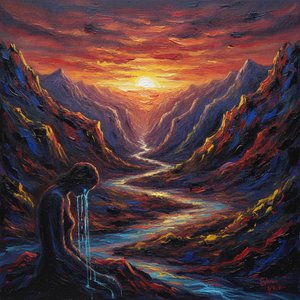
Capturing Emotion: A Journey Through the Soul of Expressionist Landscapes
Explore the profound emotional depth of Expressionist landscapes. Discover how Post-Impressionist masters moved beyond light to capture the soul through vibrant color and form. A curated journey for true art lovers seeking the beauty of expressive mastery.

The Soul of Impressionism: Why Oil on Canvas Captures Eternal Light and Timeless Emotion
Discover the enchanting alchemy of Impressionism. Explore how the mastery of oil on canvas, through glazing and impasto, captures eternal light and emotion. Perfect for lovers of Monet and Van Gogh seeking the profound depth of hand-painted fine art.