


 Vaata sisu
 Jaga teost
 Jaga
Jaga
 Detailid
 Õppekate juhend

 Laadi alla
 Sarnased teosed
 Röntgenuuring
 Slaidietendus
 Statistika
St.Martin


Experience the vibrant energy of Edouard Cortès' Post-Impressionist cityscapes capturing Parisian life; own a piece of this bustling artistic history today.
 Loe lähemalt
Avastage Édouard Cortès – Pariisi luuletaja maalikonnas! Imeline linnavaade, mis tabab Pariisi ainulaadset atmosfääri ja igapäevaelu elavates toonides. Post-Impressionism.
Sellel lehel kuvatav kunstiteos on kaitstud autoriõigusega, mis tähendab, et meil ei ole seaduslikku õigust luua või müüa identset reproduktsiooni. Seda kaitset rakendatakse rahvusvaheliste kokkulepete alusel, nagu näiteks Berne konventsioon ning riiklike seadustega, sealhulgas nendega, mida on sätestatud USA autoriõiguse seadus – 17. peatükk.
See meetod järgib täielikult autoriõiguse reegleid, kuna see ei põhine kaitstud kunstiteose kopeerimisel või dupliteerimisel. Selle asemel on tegu loova reinterpreetatsiooniga – uue maaldisega, mis on algteosest inspireeritud, kuid ei ole sellest identiline.
Giclée / Kunstiprint
Muuseumikvaliteediga giclée- või kangasprint kiire tootmisega ja paindlikud viimistlusvõimalused. ( Telli käsitsi maalitud reproduktsioon Ülemineku digitaalse pildi müügi kanalisse)




P118B €10

P118H €10

P118W €10

P438Z €10

P508JH €12

P508YH €12

P805H €10

P805Z €10

P919BZ €10

P919G €10

P919XJ €10

P959ZH €10

P968JZ €12

W106C €8

W218G €10

W218JH €8

W218Y €10

W307PJ €10

W316G €10

W316PJ €8

W316Y €10

W398PJ €8

W4111J €10

W500HY €15

W500JH €15

W692G €12

W849H €8

W940BG €15

W953PJ €8




Standardne suurus
kohandatud
CM
INCH
Vali meie eelmääratud suurused, mis vastavad teose algupärastele proportsioonidele.
Loading sizes...

laius
kõrgus
Sisestage vajalik laius ja kõrgus, et see sobiks teie raamile või seinale. Trükki saab ainult lõigata, seda ei saa kunagi pildist suuremaks teha, seega ka differentse vormiga suurus kaotab osa pildist. Enne trükkimist saadame teile kinnitamiseks digitaalse näidisprojektsiooni. Sellel lehel näidatud pilt ei kujuta reaalset lõiget — seda näitab ainult näidisprojekttsioon.
Ülemaailmne tarne () 2 nädala jooksul, tavalise 4/5 nädala asemel. (27 oktoober)

Tasuta ekspresssaatmine üle maailma

Kõrgekvaliteediline lina-kangastest muld

Täielik transpordikindlustus

Tollimaksude tagastamise garantii

Värvitoime täpsuse garantii

100 päeva tagastusõigus (ainult defektide korral)

100% raha tagasi garantii

Hulgusoodustus
 Klaasivalik on saadaval ainult kuni 110 cm suuruses teostes

St.Martin
Giclée / Kunstiprint
Reproduktsiooni mõõtmed
-


Lõppsumma
€ 61
The Vibrant Pulse of Urban Life in Edouard Cortès' St. Martin
To stand before Edouard Cortès’ depiction of St. Martin is to be instantly enveloped by the exhilarating, yet strangely comforting, rhythm of city life itself. This painting is far more than a mere snapshot of a bustling Parisian thoroughfare; it is a vibrant meditation on human connection and the ceaseless energy that defines urban existence. Cortès, known as the “Parisian Poet of Painting,” possessed an unparalleled gift for capturing not just what Paris looked like, but how it felt to inhabit its winding streets. The scene explodes with life—pedestrians meandering along the sidewalk, the gleam of passing automobiles, and the occasional flash of a bicycle wheel—all woven together under the watchful gaze of the magnificent Porte St. Martin archway, which anchors the entire composition.
A Masterclass in Post-Impressionist Color and Movement
Stylistically, this work is a quintessential example of Post-Impressionism. Cortès moves beyond the fleeting immediacy of pure Impressionism, imbuing his subject matter with a deeper sense of structure, emotional resonance, and vivid color theory. Observe the palette: it is dominated by warm, golden tones that seem to emanate from the very cobblestones beneath the tires. These colors do not just decorate the scene; they evoke a profound sense of joie de vivre, a joyous appreciation for being alive in this moment. The technique itself speaks volumes through its bold and expressive brushstrokes. They are visible upon close inspection, lending a dynamic, almost palpable energy to the canvas, suggesting movement even where objects appear stationary.
Compositional Depth: Light, Shadow, and Human Detail
Cortès’ genius lies in his masterful handling of depth and light. The interplay between deep shadows cast by the architecture and the bright highlights catching on passing vehicles creates a remarkable dimensionality. Your eye is naturally drawn through the composition, guided first to the focal point—the grand archway—and then allowed to wander down the receding lines of the street. Beyond the major elements, notice the subtle details: the casually placed handbags near the foreground corners, the variety of vehicles from classic cars to motorcycles. These small inclusions ground the monumental scene in relatable human experience, suggesting a life lived fully and without pretense.
Bringing Parisian Energy Home
For the collector or designer seeking an artwork that breathes narrative into a space, St. Martin offers unparalleled emotional impact. It is art that refuses to be passive; it demands engagement. Owning a reproduction of this piece means inviting a piece of historical Parisian dynamism into your own home or gallery. It speaks to a timeless human condition—the beautiful chaos of gathering in public spaces. Whether you are drawn to the warmth of its golden hues, the energy of its depicted motion, or the sheer romance of its subject matter, Cortès’ vision ensures that this painting remains an enduring celebration of life in the great city.
Küsimused ja vastused
Kas teos „St.Martin“, autor Édouard Cortés on portree-, maastiku- või ruudukompositsioon?
Teose „St.Martin“, autor Édouard Cortés vorm on Landscape. See vorm kirjeldab kompositsiooni proportsioone.
Millist paletti ja millist tunnet "St.Martin" ühendab?
Teose „St.Martin“, autor Édouard Cortés Earthy värvigamma ühtib selle Joyful emotsionaalse tooniga. Värv on üks viiseid, kuidas teos tunde edastab.
Kust Édouard Cortés korduvad teemad St.Martin kohta peegeldavad?
"St.Martin" kujutab teemasid cityscape, urban life, street scene, bustle, architecture, people, transportation, samal ajal kui Édouard Cortés tuntud teemad on parisian city life depiction, post-impressionist energy capture, everyday urban activity focus, capturing modern parisian spirit. Nende kahe võrdlemine näitab, kuidas teos seobub kunstniku tavalistega motiividega.
Sarnased teosed


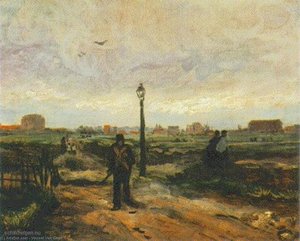


Kunstniku elulugu
Pariisi Luuletaja: Édouard Cortès’ elu ja kunst
Édouard Léon Cortès, hellitusnimega “Pariisi Luuletaja” – ei sündinud särava maailma keskuses, mida ta nii elavalt lõuendile talletas. Tema juured olid Lagny-sur-Marne'is, vaikses linnas Pariisi idapoolsel küljel, kus ta ilmavalguse nägi 6. augustil 1882. Kuigi Prantsusmaa oli tema sünnimaa, voolas kunstiline pärand tema veenides Hispaania isa Antonio Cortésest, maalist, kes kunagi teenis Hispaania Kuninglikku Kohut. See päritolu andis noorele Édouardile varase hinnangu kunstile ja pühendumise oma oskuste lihvimisele. Ta alustas formaalset õpingut Pariisi École des Beaux-Arts'is alles seitsmeteistakümneselt, sukeldudes meistrite tehnikatesse, samal ajal kui ta sepistas endale omanäolise tee. Juba siis oli Cortèsel tugev iseseisvuse vaim, mänguliselt lükates tagasi ettepanekuid, et ta oleks lihtsalt kellegi teise õpilane, kuulutades end “ainult iseenda õpilaseks”. See enesepüüdlus sai tema karjääri ja kunstilise visiooni tunnusjooneks.Pariisi Hinguse Tabamine
Cortès’i nimi muutus sünonüümiks Pariisi linnavaadetega. Ta ei maalinud lihtsalt hooneid; ta maalis atmosfääre – pehme gaasilampide kuma vihma märjal munakivitee, elavate inimhulkade sagimine avenüüdel, vaikne intiimsus kohvikustseenis udusel taevalahe all. Tema töö ei käsitlenud suuri monumente või ajaloolisi sündmusi, vaid pigem Pariisi eksistentsi igapäevast poeesiat. Tal oli ebatavaline võime tabada mööduvaid hetki – päikesekiire valgustamas Notre Dame'i, elavad värvid peegeldumas vihmasagarina, vaikne ootus enne etendust Ooperas. Need ei olnud idealiseeritud visioonid; need olid ausad kujutused linnast, mis pulbitseb elust, ilu ja veidi melanhooliast. Tema palett soosis summutatud toone, osavalt segatuna meeleolu ja atmosfääri loomiseks, kasutades sageli halli, sinise ja okrakarva varjundeid, mis täiuslikult peegeldasid Pariisi kliimat. Ta ei huviunud radikaalsete katsetuste või abstraktsete vormide poole; tema fookus jäi kindlalt maailma esitamisele nii nagu ta seda nägi – ilusale, mööduvale ja sügavalt kutsuvale.Sõduri Pintsel: Sõda ja Vastupidavus
Cortès’i idülliline maailm purunes Esimese Maailmasõja puhkemisega. Kuigi ta oli pühendunud pacifist, kutsus kohustus talle ja kolmekümne kahe aastasena astus ta Prantsuse Jalaväerügementi. Sõja õudused mõjutasid teda sügavalt, kuid isegi kaose ja hävingu keskel säilis tema kunstiline vaim. Varakult konfliktis haavatuna, määrati ta kasutama oma oskust joonistada, et kaardistada vaenlase positsioone. See kogemus, kuigi kohutav, teritas ilmselt tema tähelepanuvõimet ja süvendas tema hindamist elu hapruse vastu – teemasid, mis pehmelt tungisid hilisemates töödes. Ta keeldus Prantsuse valitsuse poolt pakutud Auleegioni ordenist, tunnistuseks tema vankumatu pacifistliku veendumusele. Isiklik traagika tabas teda ka sel perioodil; tema esimene naine, Fernande Joyeuse suri 1918. aastal, jättes talle nende tütar Jacqueline Simone. Hiljem abiellus ta Fernande õega, Lucienne Joyeusega, leides lohutust ja seltsivõimu sõja varjude keskel.Tunnustus ja Pärand
Sõja järel Cortès’i karjäär õitses. Tema tööd esitleti esimest korda Põhja-Ameerikas 1945. aastal, tutvustades tema Pariisi stseene laiemale publikule ja kinnistades tema rahvusvahelise maine. Ta jätkas viljakat maalimist, tabades Pariisi arenevat nägu, jäädes samal ajal truuks oma allkirjastatud stiilile. Viimasel aastal, 1969. aastal sai ta Salon de Vincennes'i prestiižse Prix Antoine-Quinson auhinna – sobiv austus elutööle kunstilise väljenduse pühendumise eest. Cortès elas üllatavalt lihtsat elu, ümbritsetuna lähedaste sõprade ja oma käsitööga pühendunud. Ta suri 26. novembril 1969. aastal Lagny-sur-Marne'is, jättes maha tohutu hulga töid, mis jätkab kunstihuviliste südameid kogu maailmas võlumas. Täna kannab tema kodulinnas tänav tema nime – püsiv tunnistus “Pariisi Luuletajale”, kes immortaliseeris linna hinge lõuendile. Tema maalid on tänini väga nõutud, mitte ainult dekoratiivelementidena, vaid ka akendeina möödunud ajastusse – pilguhetked Pariisist, mis eksisteerib nüüd peamiselt tema kutsuva ja kestva kunsti läbi.Mõjud ja Kunstiline Sugulus
Kuigi Cortès arendas unikaalselt isikliku stiili, võib tema töö seest kuulda teiste meistrite kajasid. Atmosfäärilised efektid ja valguse peen mäng meenutavad Impressioniste, eriti Camille Pissarrot ja Alfred Sisley'd. Kuid tal puudus nende keskendumine puhtale optilisele taju, asendades selle narratiivi ja emotsionaalse resonantsiga. Post-Impressionistlikud kunstnikud nagu Eugène Boudin mõjutasid tema lähenemist mööduvate hetkede ja atmosfääriliste tingimuste tabamisele. Tema pühendumine igapäevaelu kujutamisele on kooskõlas Realistlike maalikunstnike, kuid tema romantiseeritud Pariisi visioon tõstab tema tööd lihtsast dokumentatsioonist kõrgemale. Ta ei püüdnud täpselt jäljendada reaalsust; ta püüdles tabada selle olemust, meeleolu, poeesiat. Kunstnikud nagu Frederick Soulacroix ja Paul Gauguin, kuigi erinevad oma stiilides, jagasid Cortès’i kirge tabada koha vaimu ja inimesi, imbades nende lõuendeid atmosfääri ja emotsioonide tunnetusega. Tema pärand ei seisne maalimise revolutsioneerimises, vaid konkreetse visiooni täiuslikkuses – sügavalt isiklikus ja sügavalt liigutavas Pariisi kujutamises, mis jätkab publiku resonantsi tänini.
Édouard Cortés
1882 - 1969 , Prantsusmaa
Lühikest infot
- Artistic Movement Or Style: Postimpressionism
- Date Of Birth: 6. august 1882
- Date Of Death: 26. november 1969
- Full Name: Edouard Leon Cortes
- Nationality: Prantslane
- Notable Artworks (List Of Titles):
- The Draughtsman...
- Boulevard a Paris
- St.Martin
- Place Of Birth (City And Country): Lagny-sur-Marne, Prantsusmaa
Sarnased artiklid

Beyond the Light: Discovering the Soul and Emotional Depth of Post-Impressionism
Embark on a cultural journey through Post-Impressionism. Discover the profound emotional depth of masters like Van Gogh and Cézanne, exploring how they moved beyond light to capture the very soul of human experience through vibrant color and symbolic form.
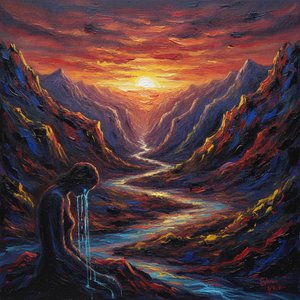
Capturing Emotion: A Journey Through the Soul of Expressionist Landscapes
Explore the profound emotional depth of Expressionist landscapes. Discover how Post-Impressionist masters moved beyond light to capture the soul through vibrant color and form. A curated journey for true art lovers seeking the beauty of expressive mastery.