

 Eelvaade
 Saada
Saada Jaga
Jaga
 Teave teose kohta
 Juhend

 Laadi alla
 Sarnased teosed
 Röntgenuuring
 Slaidietendus
 Q&A
Q&A Statistika
Theodore Duret


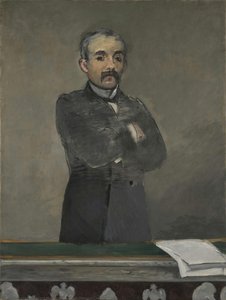
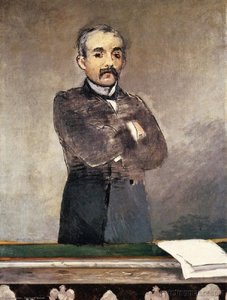
Captured in Manet’s Impressionistic style, this portrait depicts a dignified gentleman against a simple tabletop setting—a bold departure from academic tradition. Exploring themes of urban life and observation, Édouard Manet's masterpiece invites you to experience the beauty of modern Paris.
 Loe lähemalt
Avasta Édouard Manet (1832-1883), kes sillutas realismist impressionismini! Tutvu ikooniliste teostega nagu 'Eine murul' ja 'Olympia', ning tema püsiva mõjuga kaasaegse kunstile.
Hankige trükiivaldatav fail, mis on kvaliteedilt palju parem kui veebilehel näidatud eelvaade. Kõik meie müüdavad digitaalsed pildid pärinevad meie arhiivist kõrge resolutsiooniga originaalfailidest — tavaliselt 5000 kuni 15 000 pikslit laiust — nii et saate julgelt trükida suurematsat, lüüdist teha või detailset sisu reproduktsiooni teha.
Meie stuudiost ei lahtu ükski fail puutumatuna. Digiekpert võrdleb värve algsest maalistimusega ja vajadusel korrigeerib neid, seejärel parandab selgust ja detaile professionaalsete retušimisvahendite abil — püüdes alati jääda truudeks kunstniku pintoonile ja stiilile. Tulemuseks on pilt, mis näeb välja nagu maali, mitte nagu filtreeritud skann.
Teet kinnituse enne lõplikku valmimist: meie ekspert saadab pildi 72 tunni jooksul e-posti ülevaatamiseks. Ei ole rahul? Paluge parandusi või korrektsioone ning kui kvaliteet ei vasta ootustele, võite paluda tagastamist.
See on kvaliteet, millele tuguvad väljaandjad, disainistuudiod, galeriid ja trükikojad.
Digitaalne kunstiteos
Laadi alla kõrge resolutsiooniga fail isiklikuks vaatamiseks, trükkimiseks ja loomingulisteks projektideks. ( Lülita trükkitoodetele Osta käsitsi maalatud teos)
Sisse kuulub iga digitaalse pildi tellimusega
Eksperdi digitaalne kohaletoimetamine, garanteeritud
Valides TopImpressionists.com, ei saa sa lihtsalt pilti – saad professionaalselt parandatud digitaalse teose, mida on valmistatud täpsusega ja mis on toetatud rahuldamatusgarantiiga. Siin on kõik, mis sinu tellimusega automaatselt kaasneb:

Kiire digitaalne edastus
Teie kõrge resolutsiooniga digitaalne pildifail saadetakse teile e-posti 72 tunni jooksul pärast tellimist – kohe kasutamiseks valmis.

Tehisintellektiga täiustatud digitaalne fail
Teie teos on professionaalselt optimeeritud arenenud tehisintellekti tööriistade ja käsitsi redigeerimise abil, tagades maksimaalse detailitaseme, selguse ja värvitäpsuse.

Tasuta eluaegne uuesti saatmine
Kas kustutasid faili kogukalu unustamisel või kustutamisel? Puudub mure – saad selle uuesti igal ajal ilma lisatasuta.

Puuduvad importimaksud – alati
Nautige oma teoseid koheselt ilma tolli-, maksude või tarnimaskuludeta – digiletchargused on alati maksuvabadud.

Värvitäpsuse garantii
Me tagame, et teie digitaalne pilt kajastaks originaali värve professionaalsete tööriistade ja värvihalduse abil võimalikult täpselt.

100 päeva rahuldamatuse garantii
Kui te ei ole oma digitaalse pildi eest rahul, siis me parandame seda või tagastame 100% summast 100 päeva jooksul – küsimusteta.

100% raha tagastamise garantii
Ei ole rahul? Saate täielise tagastaja 100 päeva jooksul pärast digitaalse faili kättesaamist – ilma küsimusteta.

Suurema tellimuse soodustused
Osta 3 pilti, säästa 10% - Osta 5, säästa 15% - Osta 10+, säästa 20%. Sobib suurepäraselt loomingulisteks projektideks, galeriideks ja agentuurideks.
A Glimpse into Parisian Modernity
In the heart of 1868 Paris, amidst the burgeoning energy of a city on the precipice of radical change, Édouard Manet captured more than just a likeness; he captured an era. His portrait of Theodore Duret serves as a profound distillation of the anxieties and aspirations simmering beneath the surface of Belle Époque society. This is not merely a formal sitting of a prominent figure, but a carefully constructed window into a world where tradition was being dismantled by the raw, unvarnished truth of modern life. When one gazes upon this work, they are invited to step into a moment of quiet intensity, where the weight of history meets the fleeting essence of the present.
The subject, Theodore Duret, was far more than a mere sitter; he was a vital force in the art world—a journalist, critic, and one of the most fervent advocates for the Impressionist movement. Manet’s decision to portray him in such an informal, almost casual setting—seated beside a table laden with bottles—was a deliberate departure from the stiff, idealized portraiture favored by the academic establishment. There is a palpable sense of intimacy here, as if the viewer has stumbled upon a private moment in a Parisian café, witnessing the very man who would soon champion the revolution of light and color.
The Mastery of Impressionistic Technique
Technically, Theodore Duret stands as a testament to Manet’s role as a bridge between classical tradition and the radical energy of modern art. Eschewing the meticulous, smooth surfaces of his predecessors, Manet employed a loose, visible brushwork that breathes life into the canvas. This technique is particularly striking in the depiction of drapery and skin tones, where the paint seems to dance with a sense of immediacy and spontaneity. The artist prioritizes capturing atmospheric effects and the play of light over rigid anatomical precision, a hallmark of the burgeoning Impressionist style.
The palette is masterfully muted, relying on subtle tonal variations rather than jarring, vibrant colors to create depth and mood. This restraint allows the viewer to focus on the interplay of shadow and light, much like the works of the Old Masters Manet so deeply studied in the Louvre. The black of the subject's suit is not merely a flat pigment but a complex arrangement of dark tones that anchor the composition, providing a stark contrast to the softer, more ephemeral elements of the background. For the discerning collector or interior designer, this sophisticated use of tone offers a timeless elegance that integrates seamlessly into both classical and contemporary spaces.
Symbolism and Emotional Resonance
Beyond the technical brilliance lies a deeper layer of symbolism that speaks to the tension of the age. The presence of the bottles on the table serves as a subtle nod to the everyday realities of Parisian life, grounding the portrait in the tangible world of the senses. It strips away the heroic veneer often found in academic portraits, replacing it with a sense of modernity—the beauty found in the mundane and the unpolished. The man's posture, with one hand on his hip and the other holding his hat, suggests a character of confidence and perhaps a touch of defiance, mirroring Manet’s own rebellious spirit against the Salon.
For those seeking to adorn their homes with art that inspires conversation, this piece offers an unparalleled emotional impact. It evokes a sense of nostalgia for a lost Paris while simultaneously feeling strikingly fresh. To hang a high-quality reproduction of this masterpiece is to bring into one's environment a piece of history that refuses to be static. It is an invitation to contemplate the courage of the avant-garde and the enduring power of a single, well-captured moment in time.
Korduvad küsimused
Kes lõi teose "Theodore Duret" ja millal?
Teose "Theodore Duret" on loonud Édouard Manet aastal 1868.
Kes on teose "Theodore Duret" kunstnik?
Teose "Theodore Duret" autoriks on mõeldud Édouard Manet.
Kust saan alla laadida „Theodore Duret“, autor Édouard Manet?
Teose "Theodore Duret" kohta on võimalik alla laadida digitaalne pilt: teose Laadi alla lehel on saadaval kõrge resolutsiooniga digitaalse pildi allalaadimine.
Sarnased teosed






Kunstniku elulugu
Pariisi rebell: Édouard Maneti elu ja kunst
Édouard Manet, kes sündis 1832. aastal Pariisis jõukas ja heade sidemetega perekonnas, oli kõigest napilt vaba kunstniku elust, mis oleks muutnud kunsti ajalugu. Tema isa, austatud kohtunik, lootis pojale turvalist tulevikku õiguse või ehk mereväe teenistuses – auväärsed ametid, mis sobisid nende sotsiaalse seisuga. Siiski kuulus Maneti süda juba noorest peast kunstile. Üheteistaastaselt alustas ta formaalset joonistamist ja kuigi ta õppis mõnda aega akadeemilise maalija Thomas Couture'i käe all, leidis ta kiiresti, et Couture’i jäikud meetodid on piirduvad. See varajane vastupanu ennustas elu, mida veetis kunstiliste konventsioonidega võideldes. Manet ei soovinud lihtsalt minevikku reprodutseerida; ta püüdis tabada kaasaegse Pariisi elukirevust – ja mõnikord selle häirivat reaalsust. Ta külastas Louvre'i, mitte ainult vanade meistrite teoste koopiate tegemiseks, vaid nende tehnikate lahti võtmiseks, õppides Caravaggio ja Velázquez’ilt, kuidas valgus ja varjutus võivad vormi kujutada ja emotsioone esile kutsuda. Kuid tõeline pöördepunkt Maneti loomes oli Realismi tõus, mille pooldas Gustave Courbet. Courbet' viis lihtsustamata igapäevaelu kujutamine kõnetas Manetit sügavalt, vabastades ta ajalooliste või müütiliste teemade piirangutest.Pildistamatus ja innovatsioon: skandaalide ajastu
1860ndad olid Pariisis intensiivse kunstilise keemise aeg ning Manet leidis end selle keskpunktis. Jaapani prindivärkade – *ukiyo-e* – saabumine mõjutas sügavalt tema esteetilisi tundlikkusi. Ta oli lummatud nende tasandatud perspektiividest, julgetest kompositsioonidest ja silmapaistvast värvitoonide kasutamisest, mis said peagi iseloomulikuks tema stiilile. See mõjutus, koos akadeemilise viimistluse kasvava tagasilükkamisega, viis töödeni, mis šokeerisid ja skandaaliks muutsid Pariisi kunstimaailma. Le Déjeuner sur l'herbe (Murul lõuna), mille esitamine Salon des Refusés’il aastal 1863 – näitus teostele, mida ametlik Salon oli keelanud – sai vaidluste katalüsaatoriks. Maal, mis kujutas palja naist pidamas piknikku kahe riietatud mehega, ei puudutanud ainult alastust; see puudutas seda, *kui* alastus esitati. Maneti figuuridel polnud traditsiooniliste paljaste kujutiste idealiseeritud vorme ja müütilist konteksti. Nad olid kaasaegsed, asetades vaataja ees häiriva otsekohesusega. Skandaal Le Déjeuner’ga süvenes veel tema 1865. aasta meistriteosega, Olympia. See maal, mis oli otsene uusversioon Tiziani *Urbino Venuse*’st, esitas kaasaegse prostituudi, kes vaatas julgelt vaatajat silma. Vapustav realism ja provokatiivne teema kohtasid laialdast hukka-mõistmist. Kriitikud süüdistasid Manetit vulgaarsuses ja kunstilise ebapädevuse osas, kuid viha all peitus tunnustus, et ta muutis fundamentaalselt maalimiskeelt.Sild Impressionismile: valgus, pintslilöök ja kaasaegne elu
Kuigi Manet ei võtnud kunagi endasse “Impressionisti” etiketti, oli tema mõju liikumisele eelduseta. Ta jagas nende tagasilükkamist akadeemiliste konventsioonide suhtes ja pühendumust valguse ja atmosfääri lennukate efektide jäädvustamisele. Ta eksibitseris Monet’ga, Renoir’ga, Degas’ga ja teistega Impressionistidena nende iseseisvatel näitustel, kinnistades oma positsiooni avangardi peategelana. Maneti tehnika arenes lahtise pintslilöögiga, prioriteetides vormi muljet täpse detaili ees. Ta eksperimenteris värviga, kasutades sageli jõulisi kontraste dramaatiliste efektide loomiseks. Skandaalsete paljaste kujutuste kõrval uuris Manet laiemat valikut teemasid: portreede – sealhulgas silmapaistvaid kujutusi oma naisest Suzanne’st ja kunstnikust Émile Zola’st; Pariisi ööelu stseene, nagu A Bar at the Folies-Bergère, mis tabab suurepäraselt kaasaegse linnaelu võõrandumist ja vaatemängulisust; ning intiimseid koduseid stseene. Ta ei dokumenteerinud neid teemasid lihtsalt; ta küsitles neid, küsides ühiskondlikke norme ja väljakutsete konventsionaalsetele iluideedele.Pärand ja püsiv mõju
Édouard Maneti varajane surm 1883. aastal süüfilise tõttu lõpetas karjääri, mis oli juba muutnud kunstiajaloo käiku. Kuigi tema maine kasvas pärast surma oluliselt, oli tema mõju kohe tuntav noorematele kunstnikele, kes nägid temas vabastajat. Ta murdis piire, väljakutsete traditsioonilistele teemade, tehnikate ja kunstilise eesmärgi ideedele.- Tema kaasaegse elu tabamine rajas tee Impressionismile ja Post-Impressionismile.
- Tema innovatiivne pintslilöök ja värvitoonide kasutamine mõjutas põlvkondi maalijaid.
- Ta valmis silma vaatama ebameeldivatele tõdedele ühiskonnas, sundides vaatajaid küsima oma oletusi.

Édouard Manet
1832 - 1883 , Prantsusmaa
Lühikesed faktid
- Artistic Movement Or Style: Realism, Impressionism
- Artists Or Movements Influenced By This Artist:
- Claude Monet
- Pierre-Auguste Renoir
- Edgar Degas
- Impressionism
- Artists Who Influenced This Artist:
- Caravaggio
- Diego Velázquez
- Gustave Courbet
- Date Of Birth: 23. jaanuar 1832
- Date Of Death: 1883
- Full Name: Édouard Manet
- Nationality: Prantsuse
- Notable Artworks:
- Le Déjeuner sur l'herbe
- Olympia
- A Bar at the Folies-Bergère
- Place Of Birth: Pariis, Prantsusmaa