


 Eelvaade
 Saada
Saada Jaga
Jaga
 Teave teose kohta
 Juhend

 Laadi alla
 Sarnased teosed
 Röntgenuuring
 Slaidietendus
 Q&A
Q&A Statistika
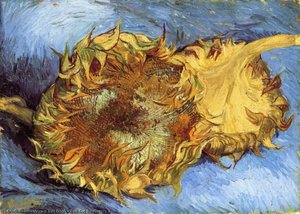
Le Tournesol (The Sunflower)
 Oil On Canvas
- WallArt
- Precisionism
 1920
1920- Modern
 96.0 x 86.0 cm
This 1920 Precisionist painting by Edward Steichen features vibrant geometric sunflowers. Shop this stunning modernist masterpiece today.
 Loe lähemalt
Avastage Edward Steicheni kunstiliner: piltallist piktorialismist ja moefotograafiast kuni näituse 'The Family of Man' kuraatorkonksini. Avastage tema ikoonilised teosed ja püsiv mõju.
Sellel lehel kuvatav kunstiteos on kaitstud autoriõigusega, mis tähendab, et meil ei ole seaduslikku õigust luua või müüa identset reproduktsiooni. Seda kaitset rakendatakse rahvusvaheliste kokkulepete alusel, nagu näiteks Berne konventsioon ning riiklike seadustega, sealhulgas nendega, mida on sätestatud USA autoriõiguse seadus – 17. peatükk.
See meetod järgib täielikult autoriõiguse reegleid, kuna see ei põhine kaitstud kunstiteose kopeerimisel või dupliteerimisel. Selle asemel on tegu loova reinterpreetatsiooniga – uue maaldisega, mis on algteosest inspireeritud, kuid ei ole sellest identiline.
Giclée / Kunstiprint
Muuseumikvaliteediga giclée- või kangasprint kiire tootmisega ja paindlikud viimistlusvõimalused. ( Osta käsitsi maalatud teos Lülita digitaalse pildi juurde)




P118B €10

P118H €10

P118W €10

P438Z €10

P508JH €12

P508YH €12

P805H €10

P805Z €10

P919BZ €10

P919G €10

P919XJ €10

P959ZH €10

P968JZ €12

W106C €8

W218G €10

W218JH €8

W218Y €10

W307PJ €10

W316G €10

W316PJ €8

W316Y €10

W398PJ €8

W4111J €10

W500HY €15

W500JH €15

W692G €12

W849H €8

W940BG €15

W953PJ €8




Standardne suurus
kohandatud
CM
INCH
Vali meie eelmääratud suurused, mis vastavad teose algupärastele proportsioonidele.
Loading sizes...

laius
kõrgus
Sisestage vajalik laius ja kõrgus, et see sobiks teie raamile või seinale. Trükki saab ainult lõigata, seda ei saa kunagi pildist suuremaks teha, seega ka erineva mustega suurus kaotab osa pildist. Enne trükkimist saadame teile kinnitamiseks digitaalse näidisprojektsiooni. Sellel lehel näidatud pilt ei kujuta reaalset lõiget — seda näitab ainult näidisprojektsioon.
Ülemaailmne tarne () 2 nädala jooksul, tavalise 4/5 nädala asemel. (29 oktoober)

Tasuta ekspresssaatmine üle maailma

Kõrgekvaliteediline lina-kangas

Täielik transpordikindlustus

Tollimaksude tagastamise garantii

Värvitoime täpsuse garantii

100 päeva tagastusõigus (ainult valmistusdefektide korral)

100% raha tagasi garantii

Hulgusoodustus
 Klaasivalik on saadaval ainult kuni 110 cm suuruses teostes

Le Tournesol (The Sunflower)
Giclée / Kunstiprint
Reproduktsiooni suurus
-


Koguhind
€ 61
A Burst of Geometry and Light
The eye meets a sudden, bright collision of color where a stylized sunflower rests against a fractured sky. A large, yellow disk dominates the center, its hue shifting from a pale canary to a deep, warm goldenrod as it moves toward a dark honey outline. At the very heart of this bloom, a pine-green circle sits nestled within a ring of celery green. The flower head appears propped over the edge of a wide-mouthed vase, a shape defined by a spring-green oval that cuts straight across the lower half of the canvas. A single green stem curves with purpose from the blossom into the vessel on the left. Everything feels structured, almost architectural, as if the organic life of the plant has been distilled into precise, geometric components.
Behind this central figure, the background breaks into bold, flat bands of color. Crimson red, black, eggplant purple, and pumpkin orange clash and mingle with blocks of white, blue, and green. These shapes do not recede; they press forward, creating a rhythmic pattern of light and shadow. A pale pink disk surrounds the yellow head of the flower, adding a soft contrast to the sharp, straight lines that define the composition. The entire scene vibrates with a sense of organized energy.
The Precision of a Modern Moment
Created in 1920, this painting captures a specific tension within the movement known as Precisionism. The work utilizes streamlined forms and sharp lines to suggest a machine-like clarity, even when depicting a natural subject. There is a deliberate use of the Golden Section here, guiding the viewer's gaze through a carefully calibrated design. The circular burst of yellow does more than represent a flower; it carries the weight of the sun and the sudden, bright flash of photography. This duality reflects a period of intense artistic evolution, where the boundaries between capturing reality through a lens and interpreting it with a brush begin to blur.
The technique relies on flat areas of color and heavy outlines to strip away the softness of nature. By using these bold, unadorned shapes, the artist achieves a sense of directness. The painting does not seek to mimic the texture of petals or the translucency of light, but rather to capture the essence of a moment through weight and balance. It is a study in how much life can be contained within a series of calculated, geometric strikes.
Korduvad küsimused
Mis on originaalteose "Le Tournesol (The Sunflower)" mõõdud?
Originaalteose „Le Tournesol (The Sunflower)“, autor Edward Steichen mõõdud on 96 x 86 cm.
Millist tunnet edastab „Le Tournesol (The Sunflower)“, autor Edward Steichen?
Teose „Le Tournesol (The Sunflower)“, autor Edward Steichen edastatud meeleolu on Bold ning selle emotsionaalne toon on Joyful.
Milline kunstnik ja milline stiil seisavad teose "Le Tournesol (The Sunflower)" taga?
Teose "Le Tournesol (The Sunflower)" on loonud Edward Steichen Precisionism stiilis. Kunstnik ja suunamine määratlevad teose traditsiooni.




Kunstniku elulugu
Lindimuste üle ulatuv elu: Edward Steicheni kunstiline oodysseia
Édouard Jean Steichen, hiljem tuntud kui Edward Steichen, oli tegelane, kes ületas lihtsa kategoriseerimise piirid. Sündinud 1879. aastal Lüksemburgi väikeses Bivange külas, muutus tema elu tärmatest perjalanan Euroopa juurist ühe Ameerika mõjukama kunstniku saajaks – mitte ainult fotograafina, vaid maalajana, kuraatorina ja visjonärina, kes reeglipärase visuaalse kultuuri me tajumist uuesti kujutas. Varajasi aastaid olid tähistatud suurepäralise ülemineku sündmusel; aastal 1881 emigreeris Steicheni pere uute võimaluste lootuses Michigani Hancocki linna. See liikumine sisaldas noore Edwardi vaimus eemalolemist ja ehk ka suurendatud tänamesuslikku tähelepanu maailmale – omadusi, mis kujundasid sügavalt tema kunstilist visiooni. Isegi lapsena oli nähtav loomulik talent joonistamisel, mida toetasid hoolivad vanemad, kes tunnistasid ja julgustasid tema loovusest tulnud kalduvusi. === Teekond muutuks murdeliseks enam kui kuze aastas, kui ta sai oma esimese kaamera, algades perioodi, mis oli suurelt osa ise õppimisest läbi väsimatu eksperimenteerimise. See ei olnud pelgalt tehnika omandamine; see oli uue keele avastamine, viis maailma jäädvustamisega sellise vahetu ja intiimse tunnetusega, mis oli varem saavuttamatu. Järgmine kolimine Milwaukee'sse tõi tema liitimusena litograafide poole, pakkudes väärtuslikke tehnilisi oskusi, samal ajal võimaldades tema kunstilistele püüdlustele õitsvetada.Piktorialismist modernsesse visiooni: Steicheni kunstiline evolutsiole
Steicheni ilmumine kokkutas kasvava piktorialismi liikumisega, mis oli püüdeline tõsta fotografia kunstilisse staatuse. Ta sai kiiresti keskne tegelane, omakindlustades pehme fookust ja maalilisi efekte, et luua pilte, mis tekitasid meeleolu ja atmosfääri, mitte pelgalt dokumenteerisid reaalsust. See püüdatus juhtis teda Alfred Stieglitzi juurde, sarnase vaimuga inimeseni, kes tunnistas Steicheni erakordset talenti. Koos asetasid nad 1902. aastal Photo-Secessioni, grupi, mis oli pühendunud fotografie edendamisele kui legitiimsele kunstivormile. Publikatsioon *Camera Work*, väga mõjuva fotograafilise ajakirja, sai nende platvormiks ideede levitamiseks ja murdiliste teoste näitamiseks. New Yorkis asutatud galerii 291 kinnistas veelgi nende mõju, pakkudes ruumi, kus avantgarde Euroopa kunst – Picasso, Matisse, Cézanne – eksponeeriti koos fotograafiaga, edustades kultuurilist dialoogi ja ulatudes beyond tavalistest kunstilistest piiridest. Kuid Steicheni kunstiline teekond ei olnud ühe stiili staatiline järgimine. Esimese maailmasõja segadus tõi kaasa katalüütilise muutuse. Ta loobis piktorialismi etereelsetest omadustest, omakindlustades hoopis "otsefotograafia" (Straight Photography) esteetikat – mida isustas terav fookus, täpne detail ja reaalsuse puhtalt esitamine. See muutus peegeldas laiemat kultuurilist suundut modernsust ja keelasest sentimentaalsusest vabanemist eelistades selgust ja otsetunnet.Pärand ja mõju: püsiv jälg visuaalses kultuuris
Edward Steichen surmas 1973. aastal, jättes järeposse erakordse teosest, mis jätkub inspireerima ja provokeerima. Tema mõju on mitmekülgne. Ta muutis fundamentaalselt fotograafia perseptsiooni, tõstes selle puhtast tehnilisest protsessist tunnustatud kunstivormiks. Tema uuendav töö moefotografiates ei määranud mitte ainult ajastu esteetikat, vaid kehtestas uusi standardeid visuaalse loo jutustamiseks tööstuses. Galerii 291, läbi Euroopa modernismi toetamise, mängis kriitilist rolli Ameerika publiku tutvustamisel murdilike kunstiliikumistega. Ja *The Family of))= Man*, oma jagatud inimlikkuse sõnumiga, on sügavalt asjakohane üha fragmentaarsemas maailmas. Tema võime sujuvalt liikuda kommertsialistike ja kunstiliste püüdlete vahel näitas, et loovus võib õitsvetada erinevates kontekstides. Steicheni karjäär oli tõestus eksperimenteerimise, innovatsiooni ja vankumatult pursuitud kunstilise visiooni jõu vastu. Ta ei dokumenteerinud lihtsalt maailma; ta tõlkis seda, kujundas seda ja lõpuks muutis seda viisi, kuidas me seda näeme.Olulised teosed
- The Pond–Moonlight (1904): Lühendlik piktorialistiline foto, mida on austatud selle atmosfäärilise sügavuse ja toonirikkuse eest; rekordiline haulitrahv kinnitab selle püsivat atraktiivsust.
- The Flatiron (1904): Teine oluline varajane teos, mis demonstreerib tema meistriklassi fototehnikas ja kompositsioonis, saavutades samuti märkimisväärse hinna haulitrahvus.
- Kuulsuste portreid: Laialdane kogum, mis tabab kunstitegelaste, kirjanduspersonate ja meelelahutusartistide olemust sügavalt tundlikult.
- The Fighting Lady (1944): Tunnustatud Teise maailmasõja dokumentarfilm, mis pakub kaasahaaravat pilku õhusõjale.
- The Family of Man (1955): Murdiline näitus MoMA's, mis sisaldas üle maailma fotode kogumist, uurides universaalseid inimlikke kogemusi ja saades UNESCO tunnustuse.

Edward Steichen
1900 - 1973 , Luxemburg
Lühikest infot
- Artistic Movement Or Style:
- Piktorialism
- Objektiivne fotograafia
- Moodefotograafia
- Artists Or Movements Influenced By This Artist:
- Moodefotograafia
- Modernism
- Artists Who Influenced This Artist: ['Alfred Stieglitz']
- Date Of Birth: 27. märts 1879
- Date Of Death: 25. märts 1973
- Full Name: Edward Jean Steichen
- Nationality: Luxemburgi-ameerlik
- Notable Artworks:
- The Pond–Moonlight
- The Flatiron
- The Family of Man
- Place Of Birth: Bivange, Luxembourg
Sarnased artiklid

Precisionism: Capturing the Sharp Beauty and Geometric Order of the Modern Machine Age
Discover the sharp elegance of Precisionism. Explore how American artists captured the Machine Age through geometric clarity, industrial beauty, and modern precision. A deep dive into the movement's legacy for art enthusiasts and collectors.

Mastering the Machine Age: The 25 Best Artworks by Fernand Léger
Immerse yourself in the vibrant world of Fernand Léger. Explore 25 iconic Cubist masterpieces that celebrate the machine age through bold colors and geometric forms. Find inspiration for your collection with museum-quality art reproductions. Discover all masterpieces on TopImpressionists.com.

10 Iconic Masterpieces That Defined Geometric Abstraction
Journey through history with 10 iconic geometric abstraction masterpieces. From Mondrian to Malevich, explore the stories behind these timeless shapes and colors. Find museum-quality art reproductions and decor inspiration at TopImpressionists.com. Discover all masterpieces online.
Avastage teoseid, mis on koondatud teemade, stiilide ja omaduste kaupa.


