


 Vaata sisu
 Jaga teost
 Jaga
Jaga
 Detailid
 Õppekate juhend

 Laadi alla
 Sarnased teosed
 Röntgenuuring
 Slaidietendus
 Statistika
Willows
 Impressionism
 30.0 x 20.0 cm
 Royal West of England Academy
Discover 'Willows' by Elsie Evelyn Few – an evocative Impressionistic oil painting of olive trees. Explore its loose brushstrokes, atmospheric light & symbolic beauty. A unique piece for art collectors.
Discover Elsie Evelyn Few’s evocative landscapes & collages from the Euston Road School. Explore her Jamaican heritage & British career – a unique artistic voice.
 Loe lähemalt
Sellel lehel kuvatav kunstiteos on kaitstud autoriõigusega, mis tähendab, et meil ei ole seaduslikku õigust luua või müüa identset reproduktsiooni. Seda kaitset rakendatakse rahvusvaheliste kokkulepete alusel, nagu näiteks Berne konventsioon ning riiklike seadustega, sealhulgas nendega, mida on sätestatud USA autoriõiguse seadus – 17. peatükk.
See meetod järgib täielikult autoriõiguse reegleid, kuna see ei põhine kaitstud kunstiteose kopeerimisel või dupliteerimisel. Selle asemel on tegu loova reinterpreetatsiooniga – uue maaldisega, mis on algteosest inspireeritud, kuid ei ole sellest identiline.
Giclée / Kunstiprint
Muuseumikvaliteediga giclée- või kangasprint kiire tootmisega ja paindlikud viimistlusvõimalused. ( Telli käsitsi maalitud reproduktsioon Ülemineku digitaalse pildi müügi kanalisse)




































Standardne suurus
kohandatud
CM
INCH
Vali meie eelmääratud suurused, mis vastavad teose algupärastele proportsioonidele.
Loading sizes...

laius
kõrgus
Sisestage vajalik laius ja kõrgus, et see sobiks teie raamile või seinale. Trükki saab ainult lõigata, seda ei saa kunagi pildist suuremaks teha, seega ka differentse vormiga suurus kaotab osa pildist. Enne trükkimist saadame teile kinnitamiseks digitaalse näidisprojektsiooni. Sellel lehel näidatud pilt ei kujuta reaalset lõiget — seda näitab ainult näidisprojekttsioon.
Ülemaailmne tarne () 2 nädala jooksul, tavalise 4/5 nädala asemel. (22 oktoober)

Tasuta ekspresssaatmine üle maailma

Kõrgekvaliteediline lina-kangastest muld

Täielik transpordikindlustus

Tollimaksude tagastamise garantii

Värvitoime täpsuse garantii

100 päeva tagastusõigus (ainult defektide korral)

100% raha tagasi garantii

Hulgusoodustus
 Klaasivalik on saadaval ainult kuni 110 cm suuruses teostes

Willows
Giclée / Kunstiprint
Reproduktsiooni mõõtmed
-


Lõppsumma
€ 61
Sarnased teosed


Kunstniku elulugu
A Jamaican Soul Embraced by British Modernism
Elsie Evelyn Few stands as a singular and luminous figure in the tapestry of British art history, embodying a profound confluence of Jamaican heritage and the dynamic, searching spirit of London’s avant-garde. Born on 4 February 1909 in the vibrant landscape of Kingston, Jamaica, her early years were steeped in a rich cultural environment that instilled within her a lifelong appreciation for the interplay of color and texture. This foundational sensitivity would later become the heartbeat of her work, as she transitioned from the tropical warmth of her birthplace to the rigorous academic and experimental circles of mid-century Europe.
Her journey toward artistic maturity was marked by an impressive pursuit of formal excellence. Moving to London, Few immersed herself in the prestigious halls of the Slade School of Art and the Bartlett School of Architecture between 1929 and 1931. This dual education provided her with a unique perspective, blending the structural principles of Beaux Arts architecture with the burgeoning modernist movements of the era. As she traveled throughout Europe, absorbing the shifting aesthetics of the continent, her vision began to coalesce into a style that was both structurally grounded and emotionally fluid.
The Euston Road School and the Evolution of Style
Few’s ascent within the British art scene was cemented through her association with the influential Euston Road School. Working alongside luminaries such as Victor Pasmore and Claude Rogers, she became part of a collective dedicated to navigating the complexities of postwar Britain through a lens of controlled abstraction and observational truth. This period of her life was characterized by a departure from rigid academic realism in favor of a more atmospheric and evocative approach to the natural world.
Her technical evolution is particularly fascinating, as it moved from the traditional to the experimental. In her earlier years, she mastered the medium of oil on canvas, producing landscapes that captured the serene essence of nature with remarkable tranquility. Works such as Russell Square, London demonstrate her ability to use rich pigments and meticulous detail to evoke a sense of peace. However, as her career progressed, Few began to embrace the radical possibilities of collage. By layering textures and fragments, she moved toward abstract designs that mirrored the fragmentation and complexity of modern life, creating compositions that possessed an incredible emotional depth.
Legacy of a Visionary
Beyond the canvas, Elsie Evelyn Few led a life of significant intellectual and educational contribution. Her professional career was marked by her role as an art editor for Chatto & Windus and her leadership as the Head of the Art Department at Gipsy Hill College, where she played a vital role in nurturing the next generation of artistic educators. Her exhibitions at prestigious venues like the Whitechapel Art Gallery and Wimbledon served as testament to her enduring commitment to the evolution of contemporary art.
The significance of Few’s work lies in its ability to bridge worlds—between the Caribbean and Britain, between architecture and painting, and between representational landscape and abstract collage. Her legacy is preserved not only in the museums that house her oil paintings but in the very way she challenged the boundaries of medium and identity. Today, her work remains a poignant reminder of how personal heritage and modernist experimentation can merge to create a truly universal artistic voice.

Elsie Evelyn Few
1909 - 1980
Lühikest infot
- Full Name: Elsie Evelyn Few
- Nationality: Jamaican
- Date Of Birth: 1909
- Date Of Death: 1980
- Place Of Birth: Kingston, Jamaica
- Notable Artworks:
- Willows
- The Pond at Hawkshall
- Artistic Movement Or Style: Euston Road School
- Artists Who Influenced This Artist: ['Claude Rogers']
- Artists Or Movements Influenced By This Artist: ['Victor Pasmore']
Sarnased artiklid

Capturing the Soul: The Most Emotionally Moving Impressionist and Post-Impressionist Masterpieces
Discover the profound emotional depth of Impressionist and Post-Impressionist masterpieces. Explore how legends like Monet, Van Gogh, and Gauguin captured light and soul through evocative landscapes and vibrant brushwork for a timeless connection to art history.
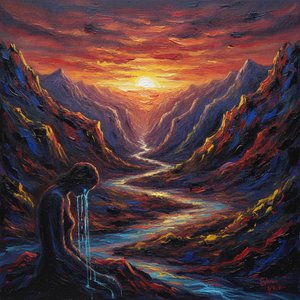
Capturing Emotion: A Journey Through the Soul of Expressionist Landscapes
Explore the profound emotional depth of Expressionist landscapes. Discover how Post-Impressionist masters moved beyond light to capture the soul through vibrant color and form. A curated journey for true art lovers seeking the beauty of expressive mastery.

Beyond the Light: Capturing Raw Emotion and Subjective Vision in Post-Impressionist Landscapes
Explore the profound emotional depth of Post-Impressionist landscapes. Discover how masters like Van Gogh moved beyond light to capture raw human feeling through vibrant color and expressive texture in this expert art history retrospective.
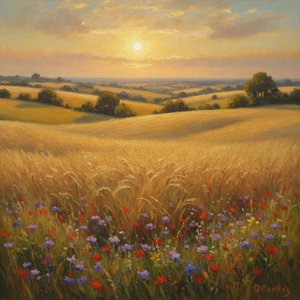
Golden Fields & Sun-Drenched Meadows: Capturing the Soul of Impressionist Landscapes
Immerse yourself in the luminous world of Impressionist landscapes. Discover how masters like Monet and Gauguin captured ephemeral light through plein air painting, and learn to bring the soul of sun-drenched meadows into your home with exquisite, hand-painted oil reproductions.

The Beauty of Impermanence: Capturing Decay through Impressionist Eyes
Explore the profound beauty of impermanence through Impressionist and Post-Impressionist eyes. Discover how masters like Monet and Van Gogh captured fleeting light and the poetic essence of nature's transitions in our deep dive into art history and emotional landscapes.