

 Eelvaade
 Saada
Saada Jaga
Jaga
 Teave teose kohta
 Juhend

 Laadi alla
 Sarnased teosed
 Röntgenuuring
 Slaidietendus
 Q&A
Q&A Statistika
The First Communion

- 65.0 x 53.0 cm


Eugene Anatole Carrière’s ‘The First Communion’ (1896) is a haunting Symbolist monochrome painting of a young girl receiving communion. Explore its ethereal beauty & influence on Picasso.
 Loe lähemalt
"Avastage Eugène Carrière (1849-1906) lummavaid monokroomseid maalide maailma! Prantsuse sümboolismi võtminime esindaja, tuntud intiimsete kodustseenide ja Picasso mõjutamisega. Vaadake "Haiget last" ja teisi meistriteoseid."
Giclée / Kunstiprint
Muuseumikvaliteediga giclée- või kangasprint kiire tootmisega ja paindlikud viimistlusvõimalused. ( Osta käsitsi maalatud teos Lülita digitaalse pildi juurde)




P118B €10

P118H €10

P118W €10

P438Z €10

P508JH €12

P508YH €12

P805H €10

P805Z €10

P919BZ €10

P919G €10

P919XJ €10

P959ZH €10

P968JZ €12

W106C €8

W218G €10

W218JH €8

W218Y €10

W307PJ €10

W316G €10

W316PJ €8

W316Y €10

W398PJ €8

W4111J €10

W500HY €15

W500JH €15

W692G €12

W849H €8

W940BG €15

W953PJ €8




Standardne suurus
kohandatud
CM
INCH
Vali meie eelmääratud suurused, mis vastavad teose algupärastele proportsioonidele.
Loading sizes...

laius
kõrgus
Sisestage vajalik laius ja kõrgus, et see sobiks teie raamile või seinale. Trükki saab ainult lõigata, seda ei saa kunagi pildist suuremaks teha, seega ka erineva mustega suurus kaotab osa pildist. Enne trükkimist saadame teile kinnitamiseks digitaalse näidisprojektsiooni. Sellel lehel näidatud pilt ei kujuta reaalset lõiget — seda näitab ainult näidisprojektsioon.
Ülemaailmne tarne () 2 nädala jooksul, tavalise 4/5 nädala asemel. (2 november)

Tasuta ekspresssaatmine üle maailma

Kõrgekvaliteediline lina-kangas

Täielik transpordikindlustus

Tollimaksude tagastamise garantii

Värvitoime täpsuse garantii

100 päeva tagastusõigus (ainult valmistusdefektide korral)

100% raha tagasi garantii

Hulgusoodustus
 Klaasivalik on saadaval ainult kuni 110 cm suuruses teostes

The First Communion
Giclée / Kunstiprint
Reproduktsiooni suurus
-


Koguhind
€ 61
The Haunting Beauty of "The First Communion": A Symbolist Portrait of Innocence
Eugène Anatole Carrière’s “The First Communion,” painted in 1896, isn't merely a depiction of a religious ceremony; it’s a profoundly evocative exploration of childhood innocence, spiritual yearning, and the subtle anxieties that lie beneath the surface of faith. This masterpiece, now housed within the collections of art institutions worldwide, exemplifies Carrière’s signature style – a near-monochrome palette dominated by muted browns and greys, creating an atmosphere of ethereal mystery and quiet melancholy. The painting immediately draws the viewer into a dreamlike space, where reality seems to soften and blur at the edges.
Carrière's artistic journey was deeply influenced by his time as a prisoner in Dresden during the Franco-Prussian War. Exposure to the works of Peter Paul Rubens, with their rich, glowing colors and dramatic lighting, left an indelible mark on his approach to painting. This influence is subtly present in “The First Communion,” though Carrière ultimately developed his own distinctive style – one characterized by a deliberate reduction of color to its most essential tones, emphasizing mood and atmosphere over precise representation. The use of brown creates a sense of timelessness, suggesting that the scene unfolds outside of specific time or place, existing instead within a realm of spiritual contemplation.
A Study in Symbolism: Veil, Light, and Shadow
The central figure of the painting – a young girl receiving communion – is enveloped in a veil, a potent symbol of purity, concealment, and nascent faith. The veil isn’t simply an article of clothing; it acts as a visual barrier, hinting at the mysteries surrounding religious initiation and the vulnerability inherent in entering into a sacred tradition. The lighting within the painting is equally significant. A diffused light source casts long shadows across the girl's face and gown, contributing to the overall sense of solemnity and introspection. The interplay of light and shadow creates a visual metaphor for the spiritual journey – a movement from darkness towards enlightenment.
Carrière’s technique is notable for its meticulous layering of paint and subtle blending. He eschews sharp outlines and bold brushstrokes, opting instead for a fluid, almost watercolor-like application that lends the scene an ethereal quality. The smooth texture of the canvas, combined with the delicate gradations of color, creates a sense of translucence, as if the girl herself is partially obscured by a veil of spiritual mist. The simplified forms and flattened perspective further enhance this dreamlike effect, distancing the viewer from a realistic portrayal and inviting them to contemplate the painting’s symbolic meaning.
Historical Context and Artistic Legacy
"The First Communion" was created during the late 19th century, a period of profound social and artistic change. The Symbolist movement, which Carrière embraced, sought to express subjective emotions and spiritual experiences through art, often rejecting the realism and materialism of earlier artistic traditions. This painting aligns perfectly with the Symbolist aesthetic – it’s not about depicting a literal event but rather conveying a complex range of feelings associated with religious initiation and the transition from childhood innocence to adult faith.
Carrière's work had a significant impact on subsequent generations of artists, particularly Pablo Picasso. The influence of Carrière’s monochrome palette and his exploration of psychological themes can be seen in Picasso’s Blue Period, demonstrating the enduring legacy of this enigmatic French artist. “The First Communion” remains a powerful testament to Carrière's artistic vision – a hauntingly beautiful portrayal of faith, innocence, and the mysteries of the human spirit.
Collecting a Timeless Masterpiece: Reproductions and Beyond
TopImpressionists offers high-quality reproductions of “The First Communion,” allowing art lovers worldwide to experience the beauty and emotional depth of this iconic painting. Whether you’re seeking a stunning addition to your home or office, or simply want to connect with the artistic legacy of Eugène Carrière, our meticulously crafted reproductions capture the essence of the original while offering exceptional value. Explore our collection today and bring this evocative masterpiece into your world.
Korduvad küsimused
Millist reproduktsiooni suurust soovitatakse teosele „The First Communion“, autor Eugène Carrière?
Soovitatav trükimõõt teosele „The First Communion“, autor Eugène Carrière on Medium.
Kuhu kohta ja milleks on "The First Communion" soovitatav?
Teos „The First Communion“, autor Eugène Carrière on soovitatav kasutada Statement jaoks, ideaalselt Living Room ruumis. Kasutusala ja ruum annavad suuniseid selle kohta, kuhu reproduktsioon hästi sobida.
Kas teoses „The First Communion“, autor Eugène Carrière kasutatakse tugevaid kontraste või pehmeid harmooniaid?
Teose „The First Communion“, autor Eugène Carrière värvikompositsioon ühendab endas Serene kontrasti ja Unified Palette harmooniat.
Kunstniku elulugu
Varajane Elu ja Koolitus
Eugène Anatole Carrière, tuntud prantsuse sümbolisti kunstnik, sündis 16. jaanuaril 1849. aastal Gournay-sur-Marne'is Seine-Saint-Denise’i departemangus. Tema varajased eluaastad olid täidetud kunstiarmastusest ja soovist väljendada maailma oma unikaalses vaates. Carrière alustas õpinguid École des Beaux-Arts’is Pariisis, kus ta omandas põhjalikud teadmised klassikalises kunstis. Hiljem õppis ta Cabaneli juures, mis andis talle tugeva aluse tulevaste loominguliste ettevõtmiste jaoks. See koolitus aitas tal arendada tehnilisi oskusi ja kujundada isiklikku stiili, mis eristaks teda teistest kunstnikutest. Tema varajased tööd näitasid juba kalduvust dramaatilisele valguse ja varju kasutamisele ning sügava emotsionaalse intensiivsuse poole.Kunstiline Stiil ja Mõjud
Carrière’i maalid on tuntud oma eripärase pruuni monokroomse paleti poolest, mis on paljude kunstihuviliste tähelepanu köitnud. Tema tööde loomisel mängis olulist rolli Peter Paul Rubensi kunst, millega ta tutvus vangistuses Dresdenis. See mõju ilmneb tema varajaste maalide säravates värvides ja dünaamilises kompositsioonis. Carrière’i loomingut iseloomustab sügav psühholoogiline lähenemine figuuridele ning keskendumine inimliku olemasolu fundamentaalsetele küsimustele. Tema maalid ei piirdu pelgalt välise ilu kujutamisega, vaid püüavad tabada sisemisi emotsioone ja tundeid. “Noor ema” (1879), üks Carrière’i varajaseid silmapaistvamaid teoseid, asub praegu Musée des Beaux-Arts'is Rouen’s. See töö tähistas tema koduelu teemade algust, mis hiljem said tema kunstilise stiili tunnusjooneks. Ta otsis uusi viise väljendada intiimsust ja perekondlikke suhteid oma maalides.Olulised Teosed ja Näitused
Carrière’i loomingu hulka kuuluvad mitmed silmapaistvad teosed, mis on pälvinud kriitikute ja publiku tähelepanu. Nende seas on:- “Haige laps (Montargis)”, mis kujutab lapse haigust ja perekonna valu ning kaastunnet.
- “Esimene pihtimine (Toulon)”, mis on sügavalt emotsionaalne stseen noore tüdruku esimesest pihtimisest, täis religioosset vaimu ja sisemist pinget.
- “Portree Louis-Henri Devillez’ist (1887)”, mis on kõrgelt hinnatud töö, mis demonstreerib Carrière’i oskust tabada oma mudelite olemust ja iseloomu.
Pärand ja Mõju Kaasaegsele Kunstile
Carrière’i monokroomne stiil on leidnud kajastust Pablo Picasso töödes, eriti tema sinisel perioodil. See mõju kinnitab Carrière’i püsivat jälge kaasaegses kunstis. Tema loomingut iseloomustav dramaatiline valguse ja varju kasutamine ning sügav psühholoogiline lähenemine figuuridele on inspireerinud paljusid kunstnikke läbi aegade. Carrière’i tööd avavad uue perspektiivi inimliku olemasolu fundamentaalsetele küsimustele, pakkudes vaatajale võimaluse sügavalt mõtiskleda elu ja surma üle. Tema looming on oluline osa prantsuse sümbolismi ajaloost ning tema panus kunstimaailma on hindamatu. Vaadake rohkem Carrière’i töid TopImpressionists.com/eugène anatole carrière saidil, avastage Musée des Beaux-Arts de Rouen, mis mahutab mõningaid tema varajasi teoseid aadressil discovering the musée des beaux-arts de carcassonne (france) ja õppige rohkem sümbolismist ning selle mõjust kunstile saidil the symbolism art movement. Carrière’i pärand jätkab inspireerides kunstnikke ja kunsti entusiaste, olles tõeline prantsuse sümbolismi pioneer.
Eugène Carrière
1849 - 1906 , Prantsusmaa
Lühikest infot
- Artistic Movement Or Style: Sümbolism, Monokroom
- Artists Or Movements Influenced By This Artist: ['Pablo Picasso']
- Artists Who Influenced This Artist: ['Peter Paul Rubens']
- Date Of Birth: 16. jaanuar 1849
- Date Of Death: 27. märts 1906
- Full Name: Eugène Anatole Carrière
- Nationality: Prantslane
- Notable Artworks:
- Haige laps
- Noor ema
- Esimene pihtimus
- Place Of Birth: Gournay-sur-Marne, Prantsusmaa
Sarnased artiklid

Sacred Narratives on Canvas: Exploring Religious Painting Through History
Explore the rich history of religious painting with TopImpressionists.com! Discover iconic artworks, symbolism & techniques from antiquity to the Renaissance. Enhance your art appreciation today.

Simon Vouet: A Baroque Master's Journey from Italian Influence to French Classicism
Explore the life & art of Simon Vouet, a pivotal French Baroque painter who introduced Italian styles to France. Discover his masterpieces and lasting influence on 17th-century art.
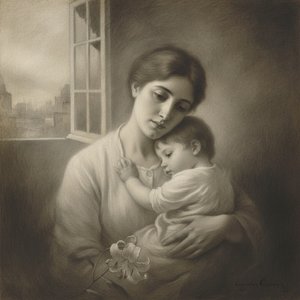
Eugène Carrière: The 'Peintre d'Âme' & Symbolist Portraiture’s Intimate Vision
Explore the haunting world of Eugène Carrière, a pivotal French Symbolist artist known for his deeply intimate portraits & 'peinture d'âme'. Discover his life, style, and lasting influence on modern masters like Picasso. Shop high-quality reproductions at TopImpressionists.

Sacred Narratives Embodied: A Comprehensive Exploration of Religious Iconography in Art History
Explore the rich history of religious iconography in art! Discover symbolism, movements & masterpieces from Byzantine to Renaissance periods. Expert insights for collectors and enthusiasts at TopImpressionists.

Charles Le Brun: Master of French Baroque Classicism & His Enduring Legacy
Explore the life & art of Charles Le Brun, master of French Baroque Classicism. Discover his royal commissions, influence on Versailles, and enduring legacy through detailed analysis & stunning artworks.