

Näidatud: · koos raamiga:
 Eelvaade
 Saada
Saada Jaga
Jaga
 Teave teose kohta
 Juhend

 Laadi alla
 Sarnased teosed
 Röntgenuuring
 Slaidietendus
 KÜSIMUSED JA VASTUSID
 Statistika

€ 239
Käsitsi valmistatud õlimaalireproduktsioon
Meie kunstnike poolt tellimusel valmistatud käsitsi maalitud õli-kainaste teos teie soovitud suuruses ja raamis. ( Lülita trükkitoodetele Lülita digitaalse pildi juurde)
Suurus
·Standardne suurus
kohandatud
CM
INCH
Vali meie eelmääratud suurused, mis vastavad teose algupärastele proportsioonidele.
Suuruste laadimine...

laius
kõrgus
Sisestage vajalik laius ja kõrgus, et teos sobiks teie raamile või seinale. Kuna tegu on käsipainatud teosega, siis erineva kujuga suuruse korral võib kunstnik jätta pildi ümber veidi rohkem marginaali või lõigata osa ära — valik on teie. Enne maali alustamist saadame teile kinnitamiseks digitaalse näidisprojektsiooni. Sellel lehel näidatud pilt ei kajasta tegelikku tulemust — seda näitab ainult näidisprojektsioon.
 Loe lähemalt
Lõpuleviimine
·
Valge serv €1

häguse servaga lõppviimistlus €1

Laiendatud €1

P118B €10

P118H €10

P118W €10

P438Z €10

P508JH €12

P508YH €12

P805H €10

P805Z €10

P919BZ €10

P919G €10

P919XJ €10

P959ZH €10

P968JZ €12

W106C €8

W218G €10

W218JH €8

W218Y €10

W307PJ €10

W316G €10

W316PJ €8

W316Y €10

W398PJ €8

W4111J €10

W500HY €15

W500JH €15

W692G €12

W849H €8

W940BG €15

W953PJ €8

H24-GOLD €30

H24-SILVER €30

H36-GOLD €45

H36-SILVER €45
Saadetakse kaitsetorus, et te võiksite selle ise raamida.
Üle 105 cm suurust raami saadetakse komplektina professionaalse raamija jaoks — lugeege lisainfot.
Lisateenused
valikulineMida lisad sisaldavad?
Näited sellest, mida saab muuta: asendage nägu kliendi fotoga; lisage lemmikloom (nt asendage kass koega); lisage taustale peidetud sõnum; muutke tausta maastikku või elemente.
Pärast tellimust saadetab TopImpressionists.com meeskond klientile e-posti juhised ning esitab ette tasandatud eelvaate
Pärast tellimust saadetab TopImpressionists.com meeskond klientile e-posti juhised ning esitab ette tasandatud eelvaate
Maailmline tarne 3–4 nädala jooksul tavalise 5 nädala asemel. (4 november). Kvaliteedis kompromisse ei tehta.
Kaitsevärnitsus
Nimesildikiri
Graveeritud pronksplaadi üksikasjad
This elegant plaque features the artist's name and the title of the artwork, finely engraved for a timeless presentation.
It is made from bronze with a refined, elegant finish. The text is precisely laser-engraved for a sharp and permanent result. Measuring 9x2 cm, the plaque is compact yet easy to read. It's built to be durable and scratch-resistant, offering a professional, museum-quality look. Mounting is simple thanks to the included adhesive backing.
Läbipaistva akrüülplaadi üksikasjad
The plaque includes essential engraved details such as the artist's name, the title of the artwork, the date it was created, the type of media used-like oil on canvas or watercolor-a brief description of the piece, and a QR code that links to the complete artwork information.
It is crafted from clear acrylic, offering a sleek, modern appearance. The text is UV-engraved in black to ensure strong visual contrast. With a size of 10x15 cm, it ensures optimal readability. It comes equipped with two metal hooks for secure wall mounting. The plaque is designed to be weather-resistant, making it suitable for various environments, and it includes interactive features that work seamlessly with smartphone scanning.
Musta akrüülplaadiรายละเอียด (Note: The user provided "Musta akrüülplaadi detailid" as the current translation and asked for an improved version. Since "Musta akrüülplaadi
This elegant plaque includes engraved information such as the artist's name, the title of the artwork, the date it was created, the type of media used (like oil on canvas or watercolor), a short description of the artwork, and a QR code for quick access to more information.
The plaque itself is made from refined black acrylic with a premium finish. The text is laser-engraved in white for high contrast and readability. Its size is 10x15 cm, designed to be easy to read. It comes with two metal hooks for professional mounting. The design is sleek and fits any interior style. It is also weather-resistant and durable, with built-in digital integration for mobile compatibility.
Klaasivalik on saadaval ainult kuni 110 cm suuruses teostes
 Klaasivalik on saadaval ainult kuni 110 cm suuruses teostes
- Tasuta ekspresssaatmine üle maailma
- Kõrgekvaliteediline lina-kangas
- Täielik transpordikindlustus
- Tollimaksude tagastamise garantii
- Värvitoime täpsuse garantii
- 100 päeva tagastusõigus (ainult valmistusdefektide korral)
- 100% raha tagasi garantii
- Hulgusoodustus


Kogumisobjekti kirjeldus
Experience Paul Gauguin's 'Mountain Landscape' (1882) – a vibrant post-impressionist masterpiece capturing nature’s essence with bold colors & expressive brushstrokes. Hand-painted reproductions available.
Kunstniku elulugu
Paul Gauguin oli revolutsiooni tõttu Post-Impressionist kunstnik, kes tuntakse silmapäevale värviküllast kujundust ja eksotiselt teemade eest. Tutvuge tema eluga ja töödega Wikiart.com kesköhtsel kunstibaasil!
Teemal maalid
A Journey Into Gauguin’s Soul: “Mountain Landscape”
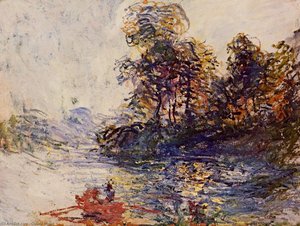
Paul Gauguin's "Mountain Landscape," painted in 1882, isn’t merely a depiction of a hillside; it’s a profound distillation of the artist’s evolving vision and his yearning for a deeper connection with nature and spirituality. Emerging from the vibrant, yet ultimately superficial, world of Impressionism, Gauguin embarked on a radical shift—a deliberate rejection of objective representation in favor of subjective experience and symbolic resonance. This painting stands as a pivotal moment in that transformation, showcasing a nascent style that would profoundly influence generations of artists to come. The scene itself is deceptively simple: a rugged, almost primordial landscape dominated by towering mountains and a swirling, cloudy sky. Yet, within this apparent simplicity lies a complex interplay of color, texture, and emotion—a testament to Gauguin’s innovative approach to capturing the essence of his subject. He wasn't striving for photographic accuracy; instead, he sought to translate the *feeling* of being amidst such grandeur, an experience deeply rooted in personal intuition and spiritual contemplation.- The Palette of Emotion: Gauguin’s masterful use of color is immediately striking. Gone are the delicate pastel hues of Impressionism; here, we encounter a bolder, more assertive palette—deep greens, rich browns, ochre yellows, and dramatic blues. These aren't colors that simply describe the landscape; they *become* the landscape itself, imbued with an emotional charge. The vibrant greens suggest life and vitality, while the earthy browns ground the scene in a sense of solidity and permanence. The sky, rendered in swirling shades of blue and grey, evokes both serenity and turbulence—a reflection perhaps of Gauguin’s own inner turmoil during this period of intense artistic exploration.
- Brushstrokes as Voices: Gauguin's distinctive brushwork is equally crucial to the painting’s impact. His strokes are not smooth or blended; they are loose, expressive, and often deliberately uneven. These visible marks—a hallmark of his style—inject a sense of movement and energy into the scene, suggesting the constant flux of nature and the artist’s own restless spirit. The brushstrokes seem to dance across the canvas, creating a tactile quality that invites the viewer to reach out and touch the landscape.
- A Departure from Realism: Notice how Gauguin simplifies forms—the mountains are not meticulously rendered but rather suggested through broad masses of color and texture. This simplification isn’t an act of carelessness; it's a deliberate choice to prioritize emotional impact over literal representation. He is less concerned with depicting *what* he sees than with conveying *how* he feels about what he sees.
The Context of Transformation: Gauguin and Post-Impressionism
To fully appreciate “Mountain Landscape,” it’s essential to understand its place within the broader context of Post-Impressionism—a movement that arose in reaction to the limitations of Impressionism. While Impressionists sought to capture fleeting moments of light and color, Post-Impressionist artists like Gauguin aimed to delve deeper into the underlying emotions and symbolic meanings of their subjects. They rejected the purely optical approach of Impressionism, embracing a more subjective and expressive style. Gauguin’s journey began in Paris, where he initially experimented with Impressionistic techniques. However, disillusioned by what he perceived as its superficiality, he sought refuge in Brittany, immersing himself in rural life and drawing inspiration from Celtic folklore and mythology. This experience profoundly shaped his artistic vision, leading him to develop a style characterized by bold colors, simplified forms, and symbolic imagery—a style that would become synonymous with Post-Impressionism. Key Influences:- Synthetism: Gauguin’s exploration of Synthetism – an artistic style focused on the synthesis of form and color – is evident in this work.
- Primitivism: His fascination with non-Western cultures, particularly those of Tahiti, fueled his desire to strip away Western conventions and embrace a more primal, intuitive approach to art.
Decoding the Symbolism
“Mountain Landscape” isn’t simply a landscape painting; it's a visual poem—a meditation on nature, spirituality, and the human condition. The towering mountains themselves can be interpreted as symbols of strength, permanence, and the sublime—evoking a sense of awe and humility in the face of nature’s grandeur. The swirling clouds suggest both tranquility and turbulence, reflecting the complexities of life and the artist's own inner struggles. Notably, the absence of human figures reinforces this focus on the landscape itself, transforming it into a sacred space—a realm where the viewer can connect with something larger than themselves. Gauguin was deeply interested in exploring themes of spirituality and mythology, often incorporating symbolic elements into his work to convey hidden meanings. The painting invites contemplation: What does the rugged terrain represent? How does the sky’s movement affect your mood?A Legacy of Innovation
“Mountain Landscape” is a remarkably prescient work—a harbinger of the radical artistic movements that would emerge in the early 20th century. Gauguin's bold experimentation with color, texture, and symbolism paved the way for Expressionism, Fauvism, and other avant-garde styles. His willingness to challenge conventional notions of representation and embrace a more subjective approach to art continues to inspire artists today. Reproductions of this iconic painting offer a unique opportunity to experience Gauguin’s visionary spirit—to step into his world and contemplate the timeless beauty and profound mystery of the natural landscape.Korduvad küsimused
Millest on teos "Mountain landscape" valmistatud?
Teos "Mountain landscape" on valmistatud tehnika Oil On Canvas.
Millist emotsiooni „Mountain landscape“, autor Eugène Henri Paul Gauguin edastab?
Teose „Mountain landscape“, autor Eugène Henri Paul Gauguin emotsionaalne toon on Tranquil. See kokkuvõtab tunnet, mida teos väljendab.
Mis on teose „Mountain landscape“, autor Eugène Henri Paul Gauguin materjal ja valmimisaeg?
Teos "Mountain landscape" valmis aastal 1882, kasutades Oil On Canvas tehnikat. Materjal ja kuupäev kirjeldavad, kuidas ja millal originaal on valminud.
Kiirinfo ja kunstiviktoriin
Info Eugène Henri Paul Gauguin kohta

Eugène Henri Paul Gauguin
1848 - 1903, Prantsusmaa
Kunstniku elulugu
Julkuse värvidega maaldatud elu: Paul Gauguini maailm
Eugène Henri Paul Gauguin, nimi, mis kõlab kütkestava värviga ja rebellimeelusega, on keskmine tegelane impressionismist moderniseeritud kunstini ülemumisel. 1848. aastal Pariisis sündinud elu oli kaugeval tavapärasest. Tema varajased aastad olid kujundatud ebatavalise kasvatusega; tema isa oli ajakirjanik ning ema pärines Peruu aristokraatiast — tema vanaema, Flora Tristan, oli uuendav feminist ja sotsialistlik kirjanik, kelle ideed kõlastasid ilmselt sügavalt kogu peres. See pärand kujundas sügavalt Gauguini kunstilist visiooni, installeerides temasse kummarduse Euroopa väljaspool asuvate kultuuride vastu. Lapsuus, mis viigati Perule pärast tema perekonna 1eks kolandumiks 1850. aastal, uputas teda maailma, mis oli Pariisi ühiskonnast vastly erinev — kogemus, mis jäänud meelde ja kust lõpuks sai kütkestajaks tema otsingutele kunstilises autentsuses. Pärast isa surma Prantsa riiki naasides, sai Gauguin klassikalise hariduse, kuid tõmbus teda mitte akadeemiline maailm, vaid kasvav finantsmaailm, alustades karjääri väärtpaberite vedajana — tee, mis tundus olevat kooskõimatud tema ees ootva kunstilise saatusest.Finantsidest kunstilise kutsumuse juurde
Aastate aega juhtas Gauguin topeltelu, jälgiades hoolsalt oma äriprojektid, samal ajal kui salaja toitlustas maaliarmastust. Algul olnud ta mõjutatud impressionistidest ning alustas vabaajal värvi ja valgusega eksperimenteerimist, kuid tundis peagi piirangut nende pühendumuses ajutiste reaalsuse hetkede tabamisele. 1882. aasta finantskriis tõi kaasa pöördumispunkti, sundides teda loobma oma tulusat karjääri ja kogu südamega oma kunstilist kutsumust omastama. See ei olnud pelgalt ametinimetuse vahetus; see oli fundamentaalne muutus maailmapildis. Ta otsis nõu Camille Pissarolt, kes rohustas tema arengut ja tutvustas teda Pariisi avantgardsetele ringidele. Kuid Gauguin hakkas kiiresti eralduma impressionistlikest põhimõtetest, igatsedes midagi ekspressiivsemat, sümboolikat — vahendit, mis edastaks mitte ainult seda, mida ta *nägi*, vaid ka seda, mida ta *tundis*. See soov juhtis teda kunstilise uuringureisi, mis viis teda kaugele Pariisi salongidest sügavale "primitiivsete" kultuuride südamesse. Ta ei olnud huvitatud pelgalt nende kultuuride kujutamisest; ta püüdis omastada nende olemust, uskudes, et need kannavad puhtust, mis lääne tsivilisasjonist on kadunud.Britannia ja Tahiti kutse
Gauguini kunstiline evolutsioon oli lahutusmatult seotud tema reisidega. Ta viitas Britanni territooriumidel, lummatuses karge maastiku ja selle rahva sügavalt juurdunud traditsioonide vastu. See periood nägi teda eksperimenteerimas lamedate vormide, julgete kontuuride ja kompositsiooni lihtsustamisega — tehnikatega, mis viisid teda kaugemale naturalismist ja lähemale sümbolistlikule keelele. Kuid alles tema reis Tahitile 1891. aastal vabastas tõeliselt tema loovpotentsiaali. Otsides peitupa, mida ta pidas Euroopa tsivilisatsiooni kumedaks piiranguks, lootis Gauguin leida inspiratsiooni polineesia kultuurist, uskudes, et see pakub puhtamat ja autentsemat eluviisi. See ei olnud pelgalt kunstiline püüdlemine; see oli vaimne otsing. Ta uputas end kohalikesse kommidesse ja usus, kujutades polineesia naisi, maastikke ja religioosne tavad oma unikaalse vaate läbi. Mõjutatud Jaapani impressionistlikest etmoodidest — Japonismist — ning keskaagedast kunstist, arendas ta eripärase esteetika, mida isvestasid eraldavad värvid, eksotiline teema ja salapära hägud. Ikoonlikud teosed nagu “Vahine no te miti” (Naine mangoga), “Manao Tupapau” (Surnud vaimu vahetus) ja <<|image>b>“Jumalate päev” sündisid sellest ajast, kinnistades tema mainet visjonärlikuna kunstnikuna. Tema värvikasutus muutus üha julgemaks ja mitte-naturalistlikuks, serveerides eesmärgiga mitte reaalsuse kopeerimine, vaid emotsiooni ja vaimse tähenduse väljendamine.Pärand ja kontroverss
Hoolimata oma kunstilistest läbimurkidest, oli Gauguini elu sageli rasketest katsmustest saanud. Ta võitles finantsitundlikkuse ja haiguse sagedusega oma ajast Tahitil ning hiljem Markiisisaartel, kuhu ta lõpuks asustas. Ometigi jätkas ta viljakat maalimist, uurides väsimatult elu, surma ja vaimsuse teemasid. Ta surmas 1Kiirinfo Eugène Henri Paul Gauguin kohta
- Artistic Movement Or Style: Post-Impressionism ja Symbolism
- Artists Who Influenced This Artist: ['Camille Pissarro']
- Date Of Birth: 1848
- Date Of Death: 1903
- Full Name: Eugène Henri Paul Gauguin
- Nationality: Prantsuse
- Notable Artworks:
- Clearing
- Vahine no te miti
- Manao Tupapau
- Little Breton Shepherd
- Place Of Birth: Paris, France
Sarnased teosed


Avastage teoseid, mis on koondatud teemade, stiilide ja omaduste kaupa.


Eugène Henri Paul Gauguin
Mountain landscape
() ·
koos raamiga: · Käsitööna õliga linale maaldud
Kokkuvõte