


 Vaata sisu
 Jaga teost
 Jaga
Jaga
 Detailid
 Õppekate juhend

 Laadi alla
 Sarnased teosed
 Röntgenuuring
 Slaidietendus
 Statistika
Transfiguration
 Oil On Canvas
- WallArt
- Art Nouveau
 1906
1906- Modern
 110.0 x 64.0 cm
Experience the symbolic beauty of Hodler's Transfiguration (c.1906), featuring a woman in blue against lush nature; discover this masterpiece today.
 Loe lähemalt
Ferdinand Hodler: Šveitsi sümbolismi suurkuju, tuntud võimsate maastikumaalide ja 'parallelism' stiili poolest. Avasta tema teoste sügavust ja mõju – alates monumentaalsest 'Päevast' kuni hingede vahenduseni.
Käsitsi valmistatud õlimaalireproduktsioon
Meie kunstnike poolt tellimusel valmistatud käsitsi maalitud õli-kainaste teos teie soovitud suuruses ja raamis. ( Lülita trükkitoodetele Ülemineku digitaalse pildi müügi kanalisse)




P118B $10

P118H $10

P118W $10

P438Z $10

P508JH $12

P508YH $12

P805H $10

P805Z $10

P919BZ $10

P919G $10

P919XJ $10

P959ZH $10

P968JZ $12

W106C $8

W218G $10

W218JH $8

W218Y $10

W307PJ $10

W316G $10

W316PJ $8

W316Y $10

W398PJ $8

W4111J $10

W500HY $15

W500JH $15

W692G $12

W849H $8

W940BG $15

W953PJ $8




Standardne suurus
kohandatud
CM
INCH
Vali meie eelmääratud suurused, mis vastavad teose algupärastele proportsioonidele.
Loading sizes...

laius
kõrgus
Sa võite sisestada oma mõõtmed konkreetse raami või ruumi sobivuse tagamiseks. Kui teie valitud suurus ei vasta originaalpildi proportsioonidele, siis kärvime kunstiteost või laiendame maali täiendavate käsitsi maalitud elementidega. Enne tootmise algust saadetakse teile heakskiitmiseks digitaalne eelvaade.
Palun pidage meeles, et ekraanil kuvatav eelvaade ei kajasta tegelikku kärpimist või laiendamist. Ainult eelvaade näitab täpselt lõplikku kompositsiooni.
Kuigi on saadaval kohandatud suurused, soovitame originaalproportsioonide säilimiseks valida mõõdud eelmääratletud nimekirjast.
Näited muudetavatest elementidest: asenda nägu kliendi fotoga; lisa lemmikloom (nt asenda kass koeraga); lisa taustale peidetud sõnum; muuda tausta maastikku või elemente.
Pärast tellimust saadab TopImpressionists.com meeskond kliendile e-posti juhised ning esitab eelvaate kavandi
Pärast tellimust saadab TopImpressionists.com meeskond kliendile e-posti juhised ning esitab eelvaate kavandi
Maailmline tarne 3–4 nädala jooksul tavalise 5 nädala asemel. (26 september). Kvaliteedis kompromisse ei tehta.

Tasuta ekspresssaatmine üle maailma

Kõrgekvaliteediline lina-kangastest muld

Täielik transpordikindlustus

Tollimaksude tagastamise garantii

Värvitoime täpsuse garantii

100 päeva tagastusõigus (ainult defektide korral)

100% raha tagasi garantii

Hulgusoodustus
 Klaasivalik on saadaval ainult kuni 110 cm suuruses teostes

Transfiguration
Reproduktsiooni materjal
Reproduktsiooni mõõtmed
-


Lõppsumma
$ 269
The Ethereal Ascent: Exploring Hodler's Transfiguration
To stand before Ferdinand Hodler’s Transfiguration is to step across a threshold into a realm suspended between earthly beauty and spiritual rapture. This oil on canvas, dating from approximately 1906, captures more than just a woman in blue; it embodies a profound moment of spiritual awakening. The composition centers upon a solitary female figure, clad in a flowing gown the color of deep twilight, standing amidst vibrant, verdant grasses. Her posture—head tilted upward, hands clasped near her chest—suggests an intense communion with something unseen, drawing the viewer into her silent, upward gaze. It is a portrait steeped in quiet yearning, where the natural world serves not merely as a backdrop, but as a resonant echo of the soul's own unfolding drama.
Symbolism and the Weight of Memory
Hodler’s work is inseparable from the currents of Symbolism that swept through the fin de siècle art world. For an artist whose life was marked by early loss—the shadow of mortality hanging over his formative years—themes of transience, memory, and spiritual transcendence became his most potent tools. In Transfiguration, the blue dress itself often carries symbolic weight, suggesting both purity and melancholy depth. The lush green surroundings contrast with this internal focus, grounding the ethereal moment in tangible nature while simultaneously elevating it beyond the mundane. One senses that the woman is undergoing a metamorphosis, a spiritual passing through the veil of everyday existence.
Mastery of Form and Color
Technically, Hodler demonstrates a masterful handling of paint on canvas. While the subject matter leans heavily into the symbolic, his execution retains a palpable sense of structure and rhythm. The way the light seems to catch the folds of her blue garment, or how the background foliage ripples with implied movement, speaks to an academic rigor underpinning deeply felt emotion. For collectors and designers alike, this piece offers a sophisticated visual anchor; its balance between detailed naturalism and abstract spiritual feeling makes it incredibly versatile. It possesses a quiet grandeur that elevates any space it graces.
An Emotional Resonance for the Modern Collector
Owning a reproduction of Transfiguration is acquiring more than just decoration; it is inviting a contemplation into your home. The emotional impact of this painting is one of sublime peace mixed with profound mystery. It speaks to universal human experiences—the moments of deep reflection, the yearning for meaning, and the quiet acknowledgment of beauty’s fleeting nature. Whether placed in a formal drawing-room or a sunlit sanctuary, its narrative power encourages pause, contemplation, and an appreciation for the enduring dialogue between humanity and the divine.


Kunstniku elulugu
Johannes Hodler: Šveitsi Sümbolismi Hing, Maastike ja Parallelism Jõud
Johannes (Ferdinand) Hodler, kelle nimi on siiani tihedalt seotud Šveitsi maalikunstiga ning sümbolistliku väljendusrikka keelega, tõusis tagasihästi algusest saades üheks olulisimaks kunstnikuks 19. sajandi lõpus ja 20. sajandi alguses. Bernis, Šveitsis sündinud 1853. aastal kujundasid tema elu varased kaotused – teema, mis oleks läbi imbunud kogu tema loomingust. Isa ja kahe noorema venna enneaegsed surmad enne täisealisusega jõudmist heitsid pikka varju, süvendades temas mõtlemist surematusse ja olemasolu olemuslikku ajutist. Need kogemused, põimitud loomupärase maailma ilu ja väe vastu tuntava terava tundlikkusega, said tema areneva loomingulise visiooni keskuseks. Esialgu dekoratiivsete maalrite õpilasena ületas Hodleri sündinud talent peaagu kohe pelgalt käsitöömeistri taseme; ta ihaldas ametliku haridust ja kunstilist avardumist, mis oleks vaba ärialase töö piirangutest. See ambitsioon viis ta 1871. aastal Genfi, kus ta kastis end õpingutesse, osaledes teaduskursustel ning samal ajal hoolikalt koopiate valmistamist linna muuseumi meistriteostest – range haridus, mis pani aluse tema tulevastele innovatsioonidele.Realismist Parallelismi Poole: Unikaalse Visiooni Loomine
Hodleri kunstiline tee oli iseloomustatud pideva arenemisega ja väljendusrikka jõu järjnevusega. Tema varajased tööd peegeldasid tolleaegset valitsevat realistlikku stiili – portreed, maastikud ja žanrtsenid, mida teostati täpse detailiga. Siiski leidis ta peaagu kohe, et need konventsioonid piiravad teda, otsides vahendit sügavamate emotsionaalsete tõdede ja filosoofiliste ideede edastamiseks. See püüdlus viis ta sümbolismi poole, liikumise, mis hülgas naturalistliku esinduse subjektiivse kogemuse ja ereda kujundluse kasuks. Kuid Hodler ei võtnud sümbolismist lihtsalt üle selle põhimõtteid; pigem rajas ta oma unikaalse tee, arendades seda, mida ta nimetas „parallelismiks“. See eriline stiil hõlmas tegelaste ja vormide rütmilist, peaaegu geomeetrilist paigutust, luues nii harmoonia kui ka pinge tunde – visuaalne esitus ühtekuuluvusest. See oli katse kujutada mitte ainult seda, mida ta nägi, vaid pigem seda, kuidas ta tundis – aluseks olevaid emotsionaalseid voolu, mis ühendas kõiki asju. 1890. aastal valminud *Öö* osutus pöördeliseks teoseks, märkides tema kindlat sümbolistliku kujundluse poole suunda ja põhjustades oma surma- ja rahuandvatele tegelastele vihjavate kujutustega silmapaistvat poleemikat. Vaatamata algsele kriitikale võttis maal Pariisis tähelepanu, kinnistades Hodleri mainet Šveitsi piiride taga ning signaleerides tõelise originaali hääle saabumist.Maalilised Saavutused: Peamised Tööd ja Nende Tähendus
Kogu oma vilja saastamise ajal lõi Hodler märkimisväärse hulga töid, mis jätkuvad tänapäevani publiku jaoks resonantsiga. *Päev*, valminud 1893. aastal, seisab tema ambitsioonikaimana ja tähistatuna saavutusena – monumentaalne ajaloomalus, mis näitab tema kompositsiooni ja sümbolismi valdajust. Kunsthaus Zürichis asuv see teos on võimas meditatsioon elule, surmaga ja uuenemisega, esitatud realistliku ja visionäärse intensiivsuse vapustava seguga. *Päeva* tohutu suurus ja emotsionaalne kaal kinnistasid Hodleri positsiooni Euroopa kunsti liidrina. Teised tähelepanuväärsed tööd hõlmavad mitmeid Šveitsi Alpide kujutusi, mis on läbi imbunud imetlusväärsest suurejoonilisusest ning portreede, mis avaldavad tema sügavat inimpsühholoogia mõistmist. Ta pöördus sageli tagasi kaotuse ja leina teemadele, võib-olla peegeldades omaenda lapsepõlve traagikat, kuid alati täis väärikust ja vastupanuvõimet. Tema maalijad ei olnud pelgud esindused; need olid emotsionaalsed maastikud, kutsetes vaatajatele mõelda eksistentsi põhialastele küsimustele. Teosed nagu *Tõde II* (1897) näitavad Hodleri võimet ühendada klassikalisi vorme kaasaegsete tundlikkusega, luues pilte, mis on nii ajatu kui ka silmapilksuga kaasajased – tõestus tema innovatiivsusest.Püsiv Pärand: Mõjutus ja Histrooliline Kontekst
Ferdinand Hodleri mõju ulatub Šveitsi piiride taga palju kaugemale. Tema innovaatilisest sümbolismi kasutamisest ja „parallelism“ arendamisest tulenev mõjutus rajas tee ekspressionismile, millel on rõhutatud subjektiivsetele emotsioonidele ja moondusele vormidele. Järgnenud kunstnikud tunnustasid teda eelkäijana nende sisemise kogemuse uurimisel. Hodleri töö kõlas ka hilisemate 19. sajandi ja varaste 20. sajandi laiemate kultuurivoolude hulgas – perioodil, mida iseloomustas kiire sotsiaalne muutus, teaduslikud edusammud ja kasvav eksistentsiaalne ärevus. Tema maalijad pakkusid visuaalset keelt nende keeruliste probleemidega toimetulekuks, pakkudes lohutus ja arusaamist üha ebakindlamas maailmas. Tänapäeval on Hodleri töid säilitatud suuremates muuseumides kogu Euroopas ja mujal, tagades tema kunstilise visiooni jätkuva inspiratsiooni ja väljakutset põlvedele vaatajaid. Ta jääb Šveitsi kunsti ajaloo hiiglane, tähistatuna mitte ainult oma tehniliste oskuste poolest, vaid ka tema sügava emotsionaalse sügavuse ja vankumatu pühendumusega inimolukorra müsteeriumide uurimisele.Hodleri Uurimine Edasi
- Süva sukeldumiseks tema ellu ja loomingusse: Wikipedia - Ferdinand Hodler
- Avasta rohkem tema maalijat: TopImpressionists - Ferdinand Hodleri Kollektsioon
- Vaata *Päeva* (1893) siin: TopImpressionists - Päev

Ferdinand Hodler
1853 - 1918 , Šveits
Lühikest infot
- Artistic Movement Or Style: Sümbolism, Parallelism
- Artists Or Movements Influenced By This Artist: ['Ekspressionism']
- Artists Who Influenced This Artist: ['Pierre Puvis de Chavennes']
- Date Of Birth: 14. märts 1853
- Date Of Death: 19. mai 1918
- Full Name: Ferdinand Hodler
- Nationality: Šveitsi
- Notable Artworks:
- The Night
- The Day
- Truth II
- Place Of Birth: Bern, Šveits
Sarnased artiklid

Giclée Prints: Archival Quality & Aesthetic Nuances for the Discerning Collector
Explore the world of giclée prints with TopImpressionists. Learn about archival quality, aesthetic nuances & investment potential. Expert guidance for discerning art collectors seeking museum-quality reproductions and lasting value.

Slate Blue Masterpieces: 10 Iconic Paintings & Timeless Home Decor Ideas
Immerse yourself in the captivating world of slate blue! Explore 10 iconic paintings by Monet, Van Gogh & Renoir. Discover their stories, techniques & find museum-quality art reproductions for your home at .
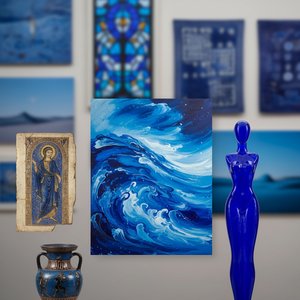
The Allure of Azure: Exploring the Symbolic & Aesthetic Depths of Blue in Art History
Explore the rich history of blue in art! Discover its symbolism, from ancient pigments to modern masterpieces by Kandinsky & Seurat. Uncover the psychological impact and cultural meanings behind this captivating hue.

The Enduring Legacy of Fine Art Prints: Technique, History & Aesthetic Impact
Explore the rich history & techniques of fine art prints. Discover investment potential, assess authenticity, and learn how to preserve your collection with expert guidance. Trusted insights for discerning collectors.

Azure Visions: Exploring Representations of the Blue Dress in Western Art History
Explore the rich history of the blue dress in Western art! Discover its symbolism, from Renaissance masterpieces to modern interpretations by artists like Martin & Schiele. Uncover cultural meanings and artistic techniques.
Avastage teoseid, mis on koondatud teemade, stiilide ja omaduste kaupa.


