


 Vaata sisu
 Jaga teost
 Jaga
Jaga
 Detailid
 Õppekate juhend

 Laadi alla
 Sarnased teosed
 Röntgenuuring
 Slaidietendus
 Statistika
Return from the Hunt
 Oil On Canvas
- WallArt
- Baroque
 1610
1610- Early Modern
 149.0 x 119.0 cm
 Národní Galerie
Frans Snyders’ "Return from the Hunt" (1610) is a dramatic Baroque masterpiece featuring opulent still life and hunting figures. Explore this stunning Flemish artwork and bring its rich textures home.
 Loe lähemalt
Frans Snyders (1579-1657), flaami baroki meistri elutähtis still-elu maalija, jahti-stseenide ning pidulike turgude kujutaja. Tihe koostöö Rubensiga! Avastage tema kunstiteoseid.
Giclée / Kunstiprint
Muuseumikvaliteediga giclée- või kangasprint kiire tootmisega ja paindlikud viimistlusvõimalused. ( Telli käsitsi maalitud reproduktsioon Ülemineku digitaalse pildi müügi kanalisse)




P118B €10

P118H €10

P118W €10

P438Z €10

P508JH €12

P508YH €12

P805H €10

P805Z €10

P919BZ €10

P919G €10

P919XJ €10

P959ZH €10

P968JZ €12

W106C €8

W218G €10

W218JH €8

W218Y €10

W307PJ €10

W316G €10

W316PJ €8

W316Y €10

W398PJ €8

W4111J €10

W500HY €15

W500JH €15

W692G €12

W849H €8

W940BG €15

W953PJ €8




Standardne suurus
kohandatud
CM
INCH
Vali meie eelmääratud suurused, mis vastavad teose algupärastele proportsioonidele.
Loading sizes...

laius
kõrgus
Sisestage vajalik laius ja kõrgus, et see sobiks teie raamile või seinale. Trükki saab ainult lõigata, seda ei saa kunagi pildist suuremaks teha, seega ka differentse vormiga suurus kaotab osa pildist. Enne trükkimist saadame teile kinnitamiseks digitaalse näidisprojektsiooni. Sellel lehel näidatud pilt ei kujuta reaalset lõiget — seda näitab ainult näidisprojekttsioon.
Ülemaailmne tarne () 2 nädala jooksul, tavalise 4/5 nädala asemel. (25 oktoober)

Tasuta ekspresssaatmine üle maailma

Kõrgekvaliteediline lina-kangastest muld

Täielik transpordikindlustus

Tollimaksude tagastamise garantii

Värvitoime täpsuse garantii

100 päeva tagastusõigus (ainult defektide korral)

100% raha tagasi garantii

Hulgusoodustus
 Klaasivalik on saadaval ainult kuni 110 cm suuruses teostes

Return from the Hunt
Giclée / Kunstiprint
Reproduktsiooni mõõtmed
-


Lõppsumma
€ 61
A Symphony of Texture and Myth
In the heart of the Flemish Baroque era, around 1610, Frans Snyders breathed life into a canvas that transcends mere depiction to become a profound sensory experience. Return from the Hunt is not simply a painting; it is a vibrant tableau teeming with the pulse of the natural world and the grandeur of classical legend. As the viewer approaches this masterpiece, they are immediately enveloped by a scene bathed in diffused, ethereal light, capturing that fleeting, breathless moment of repose following a successful pursuit. Snyders, a master who elevated still life into a realm of dramatic expression, meticulously renders a forest floor so richly textured it feels almost palpable, inviting the eye to wander through a landscape where every leaf and shadow tells a story of vitality and grace.
At the center of this mythological drama lies a captivating arrangement of figures. The composition is masterfully structured in a triangular formation, providing a sense of classical stability and visual harmony that guides the gaze upward toward the apex. Here, we encounter Diana, the Roman goddess of the hunt, reclining with a regal authority that commands the space. She is accompanied by three nymphs, whose presence embodies an idealized feminine beauty and innocence. This arrangement does more than just organize the canvas; it creates a sacred geometry that mirrors the divine order of the heavens, making the scene feel both grounded in the earth and elevated by the sublime.
The Mastery of Light and Substance
To behold a Snyders original is to witness the pinnacle of 17th-century technique. Utilizing oil paint on canvas, the artist achieved an unparalleled tonal range that allows for the subtle interplay of light and shadow, known as chiaroscuro. This technique creates an illusionistic depth, pulling the observer into the very thickets of the forest. Snyders was particularly renowned for his use of impasto, applying thick, deliberate layers of pigment to create surfaces that possess a physical immediacy. Whether it is the soft sheen on a nymph's skin or the rugged, coarse texture of the forest floor and the animals brought from the chase, the paint itself becomes a medium of tactile sensation.
This technical brilliance serves a higher purpose: the celebration of abundance. Snyders’ work often reflects the opulent tastes of the Antwerp aristocracy, where the depiction of nature's bounty was a symbol of prestige and prosperity. The presence of animals—the hare, the birds, and the dogs—serves as a testament to the artist's skill as an animalier, capturing the raw, unbridled energy of life. For the collector or interior designer, this painting offers more than just aesthetic beauty; it provides a focal point of immense character, capable of anchoring a room with its historical weight and dramatic intensity.
A Timeless Legacy for the Modern Collector
Beyond the technical prowess, Return from the Hunt resonates on an emotional level that remains potent centuries later. It grapples with the complex themes of beauty, mortality, and the eternal cycle of nature. The juxtaposition of the graceful, immortal goddesses with the tangible, earthly reality of the hunt creates a poignant tension between the divine and the mortal. This duality makes the artwork an extraordinary piece for contemplation, offering a window into a world where myth and reality are inextricably linked.
For those seeking to infuse their living spaces with the dramatic grandeur of the Baroque period, a high-quality reproduction of this work offers an unparalleled opportunity. It brings with it the spirit of the Flemish masters—a sense of movement, a richness of color, and a profound connection to classical heritage. Whether placed in a grand gallery or a sophisticated contemporary study, Snyders’ vision continues to inspire awe, serving as a timeless reminder of the beauty found in the intersection of nature's wildness and humanity's most elegant myths.
Küsimused ja vastused
Kui vana oli Frans Snijders, kui ta loos 1610 aastal teose "Return from the Hunt"?
Frans Snijders loosutas teose "Return from the Hunt" 31 aasta vanuses. Kunstnik on sündinud aastal 1579 ning teos on dateeritud 1610.
Kas saan kasutada täiendatud reaalset, et näha teost „Return from the Hunt“, autor Frans Snijders oma toonas?
Teosele "Return from the Hunt" on saadaval täiendatud reaalne eelvaade: teose AR-eelvaade leht näitab seda teie enda ruumis ühilduval seadmel.
Kui palju inimesi vaatab teost "Return from the Hunt"?
Teose „Return from the Hunt“, autor Frans Snijders lehe Statistika lehel on esitatud avalikud külastusstatistika: selle teose kuutlikud külastused, võrdlus kunstniku kõige vaadatavamate teostega ning külastajate päritolu.
Kunstniku elulugu
Varane Elu ja Kunstniku Tee
Frans Snyders, sündinud Antwerpenis 1579. aastal, hõivab ainulaadse ja elava koha Flandri baroki maalikunstnike hulgas. Kuigi nimed nagu Rubens ja Van Dyck domineerivad sageli selle ajastu arutelusid, ei olnud Snydersi panus – silmapaistev spetsialiseerumine natuurivaiksete elude, loomamaalide ja elavate turustseenide alal – vähem oluline. Ta ei kujutanud pelgalt objekte; ta tähistas rikkalikku saaki, rõõmustas tekstuuriga ning tabas mööduva hetke ilmaliku naudingut. Tema isa, Jan Snijders, pidas populaarset veinihostelit, mida külastasid kunstnikud, sukeldades noore Fransi varakult loovenergia maailma. See keskkond soodustas kahtlemata tema kunstilisi kalduvusi ning on isegi öeldud, et tuntud maalikunstnik Frans Floris raiskas kunagi oma varanduse nende seinte sees – värvikas anekdoot, mis viitab Snydersi lapsepõlve elava atmosfääri kohta. Ta alustas õpinguid Pieter Brueghel Noorema juures, omandades kompositsiooni ja detailide õpetusi, enne oma oskuste täiendamist Hendrick van Baleni käe all, kes mentoriks oli ka Anthony van Dyckile. See kindel vundament võimaldas tal saada Antwerpeni Püha Luke gildis meistriks 1602. aastal, mis tähistas tema viljaka karjääri ametlikku algust.Koolkonnad ja Uuenduslikud Lähenemised
Snydersi kunstiline teekond ei olnud üksildase otsingu tee; koostöö oli tema praktika keskmes. Ta kindlustas kiiresti endale ihaldatud partnerluse tolle aja juhtivate kunstnikkidega, eriti Peter Paul Rubensega. Nende suhe osutus märkimisväärselt viljakaks, Snydersi ülesandeks oli sageli maalida loomad ja natuurivaiksed elud Rubensi suuremates kompositsioonides. Torre de la Parada jahipaviljon Hispaanias on tunnistuseks nende ühisele geeniusele – Snyders maalis üle kuuekümne looma pildi Rubensi kujunduste järgi. See partnerlus ei piirdunud pelgalt tellimuste täitmisega; see oli dünaamiline ideade vahetus, mis surkasid mõlemaid kunstnikke uutele tehnilistele ja väljenduslikkuse tasanditele. Lisaks Rubensele tegi Snyders koostööd Anthony van Dyckiga, Jacob Jordaensiga ja Abraham Janssensiga, demonstreerides oma mitmekülgsust ja kohanemisvõimet. Kuid ta ei piirdunud pelgalt nende meistrite tarvikuna. Ta lõi dünaamilise stiili, mida iseloomustasid dünaamilised kompositsioonid, meisterlik tekstuuride renderdamine – alates puuviljade läikest kuni ulukite kareda nahani – ja elav realismitaju, mis andis tema tegelastele elu. Snyders leiutas sisuliselt iseseisva looma natuurivaikse elu žanri, liikudes traditsioonilisest jahimõõdu kujutamisest loodusliku maailma omapärase ilu ja elujõu uurimisele.Silmadüüdne Pidupäev: Teemad ja Tehnikad
Snydersi töö kesksete teemade hulka kuuluvad ilmalikud naudingud – turu rikkalik saak, jahtimise põnevus, hästi varustatud panuse lihtne elegants. Tema turustseenid on eriti lummavad, täis figuuride rohkust, üle voolavate korvidega ning peaaegu käegakatsutavat energiatunnet. Ta ei pelgusta toiduainete tootmise tegelikkust kujutada; puhtate puuviljade ja köögiviljade kõrval võib leida näiteks nokitud linde või värskelt püütud kalu, mis meenutavad vaatajatele elu tsüklit ja elatist. Tema natuurivaiksed elud ei ole staatilised paigutused, vaid dünaamilised väljapanekud, mis näivad kutsuvat interaktsiooni. Snydersil oli erakordne võime tabada valgust ja varju, luues sügavuse taju, mis muudab tema tegelased peaaegu käegakatsutavateks. Ta kasutas lahtist, maalilikku pintslikraasi, eriti karusnaha ja sulgede renderdamisel, saavutades tähelepanuväärse realismitasandi ilma kunstilist väljendust ohverdamata. Näiteks Panuse on hämmastav näide sellest tehnikast – kaootlik kuid harmooniline toiduainete ja köögitarvikute paigutus, mis on ujutatud dramaatilisse valgusesse. Kunstniku tähelepanu detailidele on hoolikas, kuid see ei tundu kunagi liiga pedantne; selle asemel aitab see kaasa üldisele rikkalikuse ja elujõu tunnetusele.Pärand ja Püsiv Mõju
Frans Snydersi mõju natuurivaiksete elude ja loomamaalide arengule ulatub kaugele tema enda eluajast. Ta kehtestas uue standardi realismile ja dünaamikale nendes žanrides, mõjutades põlvkondi järgnenud kunstnikke. Tema töö sillutas teed hilisematele meistritele nagu Jean-Baptiste Oudry ja François Desportes, kes täiustasid loomaportree kunsti. Snydersi mõju on näha ka Hollandi kuldse sajandi natuurivaiksete elude traditsioonis, kus kunstnikud nagu Willem Claeszoon Heda ja Pieter Claesz omaksid sarnast keskendumist tekstuurile, valgusele ja kompositsioonile. Ta ei olnud mitte ainult osav tehnik, vaid ka nutikas loodusliku maailma vaatleja, tabades selle ilu ja keerukust tähelepanuväärse tundlikkusega. Tema maalid võluvad tänini publikut, pakkudes pilku 17. sajandi Antwerpeni elava kunstimaastiku kohta ning meenutades kunsti püsivat jõudu tähistada elu lihtsaid naudinguid. Tema ulatuslik kollektsioon, mille omandas Matthijs Musson pärast tema surma 1657. aastal, tagas, et tema pärand jätkab kunstnike inspireerimist sajandeid.
Frans Snijders
1579 - 1657 , Eesti
Lühikest infot
- Artistic Movement Or Style: Barokk
- Artists Or Movements Influenced By This Artist:
- Jean-Baptiste Oudry
- François Desportes
- Artists Who Influenced This Artist:
- Pieter Brueghel II
- Hendrick van Balen
- Date Of Birth: 1579
- Date Of Death: 1657
- Full Name: Frans Snyders
- Nationality: Flaami
- Notable Artworks:
- Hoidla
- Turustseenid
- Jahistseenid
- Place Of Birth (City And Country): Antwerpen, Belgia
Sarnased artiklid

The Visceral Stage: Exploring Dramatic Narratives & Emotional Intensity in Baroque Art
Explore the dramatic world of Baroque art! Discover iconic masters like Caravaggio & Rembrandt, their techniques, and the movement's lasting impact. Expert insights for collectors & enthusiasts at TopImpressionists.
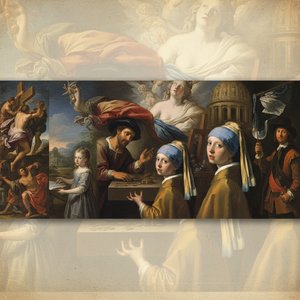
Baroki tippteosed: 10 kunstiteost, mis muutisid maailma
Sukeldu baroki maailma! Avasta 10 meistriteost, mis defineerisid kunstivoolu – Rembrandt, Caravaggio jt. Loe lugusid, vaata värve ja naudi ajatu ilu. Leia inspiratsiooni interjööriks TopImpressionists.com-ist!

Baroki draama ja luksus: Kuidas ajalooline elegants kaasaegsesse interjööri tuua
Avastage baroki maalide võlu TopImpressionists'is! Käsitsi valmistatud reproduktsioonid, fotodest maalid ja ekspertkonsultatsioonid. Toome ajaloolise elegantsi Teie interjööri. Kvaliteet garanteeritud!

The Dramatic Flourish: Exploring the Baroque Movement's Enduring Legacy in Art History
Explore the dramatic world of Baroque art! Discover iconic artists like Caravaggio & Rubens, defining techniques, and its lasting impact on art history. Expert insights for collectors & enthusiasts at TopImpressionists.

Mastering Drama and Light: A Definitive Guide to the Flemish Baroque Art Movement
Explore the dramatic brilliance of the Flemish Baroque movement. Discover how masters like Peter Paul Rubens utilized chiaroscuro and dynamic composition to redefine art history through light, shadow, and unparalleled emotion.
Avastage teoseid, mis on koondatud teemade, stiilide ja omaduste kaupa.
