


 Vaata sisu
 Jaga teost
 Jaga
Jaga
 Detailid
 Õppekate juhend

 Laadi alla
 Sarnased teosed
 Röntgenuuring
 Slaidietendus
 Statistika
Fighting Centaurs


Franz von Stuck's 'Fighting Centaurs' (1894) is a dramatic Symbolist masterpiece depicting a fierce battle between centaurs, showcasing raw power and mythological tension.
 Loe lähemalt
Franz von Stuck oli saksa sümbolisti maalija ja skulptor, kes on tuntud müstiliste motiivide, sensuaalsuse ning Müncheni Secessioni rolli poolest. Tema teosed ühendavad klassikalist täpsust ja unenäolisi kujundeid.
Giclée / Kunstiprint
Muuseumikvaliteediga giclée- või kangasprint kiire tootmisega ja paindlikud viimistlusvõimalused. ( Telli käsitsi maalitud reproduktsioon Ülemineku digitaalse pildi müügi kanalisse)




































Standardne suurus
kohandatud
CM
INCH
Vali meie eelmääratud suurused, mis vastavad teose algupärastele proportsioonidele.
Loading sizes...

laius
kõrgus
Sisestage vajalik laius ja kõrgus, et see sobiks teie raamile või seinale. Trükki saab ainult lõigata, seda ei saa kunagi pildist suuremaks teha, seega ka differentse vormiga suurus kaotab osa pildist. Enne trükkimist saadame teile kinnitamiseks digitaalse näidisprojektsiooni. Sellel lehel näidatud pilt ei kujuta reaalset lõiget — seda näitab ainult näidisprojekttsioon.
Ülemaailmne tarne () 2 nädala jooksul, tavalise 4/5 nädala asemel. (22 oktoober)

Tasuta ekspresssaatmine üle maailma

Kõrgekvaliteediline lina-kangastest muld

Täielik transpordikindlustus

Tollimaksude tagastamise garantii

Värvitoime täpsuse garantii

100 päeva tagastusõigus (ainult defektide korral)

100% raha tagasi garantii

Hulgusoodustus
 Klaasivalik on saadaval ainult kuni 110 cm suuruses teostes

Fighting Centaurs
Giclée / Kunstiprint
Reproduktsiooni mõõtmed
-


Lõppsumma
€ 61
Fighting Centaurs: A Symbolist Masterpiece by Franz von Stuck
Franz Von Stuck's "Fighting Centaurs," created in 1894, stands as a powerful example of Symbolism and Mythology within the late 19th-century art world. Housed at the Stadelsches Kunstinstitut in Frankfurt, Germany, this oil on canvas artwork depicts a fierce battle between two centaurs, showcasing Stuck's exceptional ability to convey intense emotion and dramatic tension through his artistic skill.
Composition and Artistic Technique
The painting’s composition is dynamic and deliberately unbalanced, immediately drawing the viewer into the heart of the conflict. The centaurs are positioned in a circular motion, creating a palpable sense of energy and struggle. Stuck masterfully employs chiaroscuro – the dramatic use of light and shadow – to accentuate the musculature of the figures and heighten the overall emotional impact. His technique blends elements of Realism with fantastical imagery, grounding the mythological subject matter in a tangible physicality. The brushstrokes are loose yet deliberate, contributing to the raw energy and visceral nature of the scene. The use of oil paints on canvas allows for rich textures and subtle gradations of color, further enhancing the painting's depth and complexity.
Symbolism and Interpretation
Beyond its immediate depiction of a battle, "Fighting Centaurs" is laden with symbolic meaning. The centaur itself – a creature embodying both human intellect (the torso) and animal instinct (the horse body) – represents the eternal struggle between reason and primal urges. The violent clash between these two figures can be interpreted as an allegory for internal conflicts, societal tensions, or even the broader battle between opposing forces in the universe. The dark, earthy tones used throughout the painting contribute to a brooding atmosphere, suggesting themes of chaos, power, and perhaps the darker aspects of human nature. Key Features contributing to this symbolism include:
- The dynamic composition emphasizing conflict
- The use of chiaroscuro for dramatic effect
- Intricate textures highlighting physicality
Historical Context and Artistic Influences
Created during the Symbolist movement, "Fighting Centaurs" reflects a broader artistic trend away from purely representational art towards exploring subjective emotions, spiritual themes, and mythological narratives. Stuck was significantly influenced by classical sculpture and Renaissance masters, evident in his attention to anatomical detail and dramatic poses. His work also aligns with the fin de siècle aesthetic—a period characterized by decadence, introspection, and a fascination with the darker aspects of human experience. Stuck's co-founding of the Munich Secession further demonstrates his commitment to artistic innovation and challenging conventional norms.
Emotional Impact and Legacy
"Fighting Centaurs" evokes a powerful emotional response in viewers. The raw energy, intense struggle, and underlying symbolism create a sense of unease and fascination. The painting’s enduring appeal lies in its ability to tap into universal themes of conflict, power, and the human condition. It remains a significant work within Franz von Stuck's oeuvre and a compelling example of Symbolist art, continuing to inspire artists and captivate audiences today.
Küsimused ja vastused
Kes on teose "Fighting Centaurs" kunstnik?
Teose "Fighting Centaurs" looja on Franz Ritter Von Stuck. Teos on kataloogitud nime Franz Ritter Von Stuck all.
Milline „Fighting Centaurs“, autor Franz Ritter Von Stuck trükkimõõt sobib soovitud ruumile?
Living Room ruumis on teose "Fighting Centaurs" jaoks soovitatav trükkimõõt Medium.
Milleks on soovitatav kasutada "Fighting Centaurs" trükistes?
Teose „Fighting Centaurs“, autor Franz Ritter Von Stuck soovituslik kasutusviis on Statement. Seda saab kasutada ka muudel eesmärkidel.
Sarnased teosed


Kunstniku elulugu
Elu algus ja kunstiline ärkamine
Franz Ritter von Stuck, kelle nimi on sünonüüm saksa sümbolismi võimsuse ja väljendusvõimega, tõusis 1863. aastal Baieri maaelust üheks oma põlvkonna mõjukaimaks kunstnikuks. Tettenweisis sündinud Franz oli algselt määratud isa jälgedes metsanikuna elama, kuid noore poisi ilmnev kunstiline kalduvus muutis tema tee pöördumatult. See varajane andekus viis ta Münchenisse, esmalt 1878. aastal Rakenduskunstide Kooli ja seejärel 1882–1884 Kunstiakadeemiasse, kus ta langes Arnold Böcklini kummitavate müütiliste stseenide võlu alla – kujundav mõju, mis sügavalt tema kunstilist visiooni vormis. Stuck ei olnud pelgalt kunstnik; ta oli kultuurinähtus, eluaegne “Kunstiprints”, ühendades 19. sajandi akadeemilise traditsiooni ja modernismi idanevad voolud.Sümbolisti meistri tõus
Stucki kiire tõus kuulsusele oli tähelepanuväärne. Tema läbimurre saabus 1889. aastal teosega “Paradiisi valvur”, mis esitleti Müncheni Klaasipalees, koheselt pälvides kriitilist tunnustust ja kuldmedali. See maal ei olnud lihtsalt tehnilise oskuse väljapanemine; see kuulutas välja uue kunstilise hääle – ühe, mis ühendas klassikalise täpsuse müütiliste teemadega ja sümbolismi alavooluga. Ta sai kiiresti oluliseks figuuriks traditsiooniliste normide väljakutsumisel, asudes 1892. aastal Müncheni Sektsiooni kaasasutajaks koos meelsetega kunstnikega, kes olid otsustanud murda konservatiivseid piire ja propageerida modernset kunsti. See kunstiline mässuline tegevus kattus tema uurimisega skulptuuris, debüteerides “Sportlasega”, mis demonstreeris muljetavaldavat mitmekülgsust. Kuid just “Patt” (1893) kinnistas lõplikult tema maine sümbolistliku maali meistrina, lummates publikut oma dramaatilise intensiivsusega ja psühholoogilise sügavusega. See periood tähistas Stucki ainulaadse stiili täielikku õitsemist – võimsa kombinatsiooni sensuaalsusest, klassikalisest vormist ja sümbolilisest resonantsist.Teemad ja mõjud: soovi ja müüdi maailm
Franz von Stucki kunstiline universum on täidetud korduvate motiividega, mis paljastavad tema sügava seotuse ajatute teemadega. Müütologia oli pidev inspiratsiooniallikas, ammutades Kreeka, Rooma ja piibellugudest, mille ta kujundas ümber oma isikupärase võtmetooniga. Need ei olnud pelgad ümberjutustused; need olid uurimised inimolukorrast, filtreeritud läbi iidsete lugude prisma. Samuti oli silmapaistev tema kinnastus sensuaalsusele ja femme fatale’ile, mis võimsalt kehastusid tema arvututes Salome kujutistes – tegeluses, mis esindab soovi, ohtu ja moraalse ebaselgust. Need maalid ei käsitlenud lihtsalt füüsilist ilu; need süvenesid naiste jõu psühholoogilisse keerukusse ning selle potentsiaali nii võlu kui ka hävituse poole. Kõige aluseks oli sügav austus klassikalise kunsti vastu, mis kajastus tema täpslikus tehnikas, anatoomilises täpsuses ja kompositsioonilises ranguses. Böcklini kõrval tunnistas Stuck mõjusid Pre-Raphaeliitidest ja Gustave Moreau’st, kuid ta ei olnud pelgalt jäljendaja; ta sünteesiti need mõjud midagi unikaalselt omaks, mis avaldas sügavat mõju järgnevatele kunstnikupõlvedele.Pärand ja mõju: õpetaja ja rüütel
1895. aastal võttis Franz von Stuck endale veel ühe olulise rolli – Müncheni Akadeemia õpetajana. Ta sai kõrgelt austatud juhendajaks, mitte ainult tehnilisi oskusi edasi andes, vaid ka julgustades oma õpilasi uurima nende individuaalseid kunstilisi visioone. Tema juhendamisest kasu said sellised silmapaistvad kunstnikud nagu Paul Klee, Hans Purrmann ja Josef Albers, mis demonstreeris tema mõju laiaulatuslikkust. Tema pühendumine kunstile tunnustati 1905. aastal, kui ta adeldati, saades “Ritter von Stuckiks” – tunnistus tema kasvavast prestiižist ja panusest Saksa kultuuri. Ta jätkas tunnustuse saamist kogu Euroopas, kinnistades oma positsiooni oma aja juhtiva kunstnikuna. Tema Villa Stuck Münchenis, nüüd muuseum, on jäädvustanud mälestusmärgi tema elule ja tööle, pakkudes väärtuslikku ülevaadet tema kunstilisest visioonist ning 19. sajandi lõpu ja 20. sajandi alguse Saksamaa kultuurikeskkonnast. Tema pärand kestab mitte ainult tema maalide ja skulptuuride kaudu, vaid ka läbi lugematute kunstnike, kelle ta inspireeris, tagades et Franz von Stucki vaim jätkab resonantsi kunstimaailmas tänapäevani.Peamised teosed ja püsiv tähtsus
- Kevad (1886): Elav kujutus, mis demonstreerib tema varajast meisterlikkust värvi ja kompositsiooni vallas.
- Dissonants (1893): Rahutu portree, mis kehastusdab emotsionaalset ärevust naise mängides viiulit.
- Salome (erinevad versioonid): Võib-olla tema ikoonilisim töö, kujutades piibellugu silmatorkava sensuaalsusega ja psühholoogilise sügavusega.
- Sportlane (1892): Võimas skulptuur, mis demonstreerib tema oskust kolmemõõtmelises vormis.

Franz Ritter Von Stuck
1863 - 1928 , Saksamaa
Lühikest infot
- Artistic Movement Or Style: Sümbolism, Art Nouveau
- Artists Or Movements Influenced By This Artist: ['Paul Klee']
- Artists Who Influenced This Artist: ['Arnold Böcklin']
- Date Of Birth: 23. veebruar 1863
- Date Of Death: 30. august 1928
- Full Name: Franz Ritter von Stuck
- Nationality: Saksamaa
- Notable Artworks:
- Paradiisi valvur
- Salome
- Patt
- Sportlane
- Place Of Birth: Tettenweis, Saksamaa
Sarnased artiklid

Eugen von Blaas: Capturing Alpine Life & Sentiment in 19th-Century Austrian Painting
Discover the captivating world of Eugen von Blaas! Explore his exquisite 19th-century paintings capturing Venetian life & Alpine beauty. Learn about his Academic Classicism style and find museum-quality reproductions at TopImpressionists.

Hans von Aachen: Mannerism's Courtly Visionary & Imperial Portraiture
Explore the captivating world of Hans von Aachen, a leading Mannerist painter renowned for his exquisite imperial portraits & mythological scenes. Discover his legacy and influence on 16th-century European art.

Franz von Stuck: Symbolism, Decadence & the Pursuit of Ideal Beauty
Explore the captivating world of Franz von Stuck, a leading Symbolist painter. Discover his mythological masterpieces, decadent themes, & investment potential. Expert analysis for discerning collectors.

Echoes of Olympus: Mythological Narratives in Western Art Through the Ages
Explore the captivating history of mythological narratives in Western art! From ancient Greece to modern masterpieces, discover iconic artworks & symbolism. Expert analysis and high-quality reproductions at TopImpressionists.
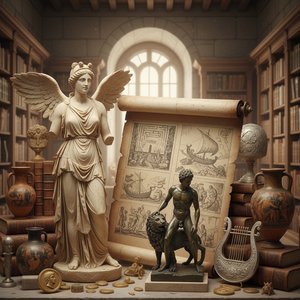
Timeless Legends: A Curated Guide to the Eternal Allure of Mythological Masterpieces
Embark on a sophisticated journey through the eternal allure of mythological art. Discover how master painters breathe life into ancient legends, from Greek deities to Baroque masterpieces, and learn to curate these timeless narratives within your own exquisite art collection.