


 Vaata sisu
 Jaga teost
 Jaga
Jaga
 Detailid
 Õppekate juhend

 Laadi alla
 Sarnased teosed
 Röntgenuuring
 Slaidietendus
 Statistika
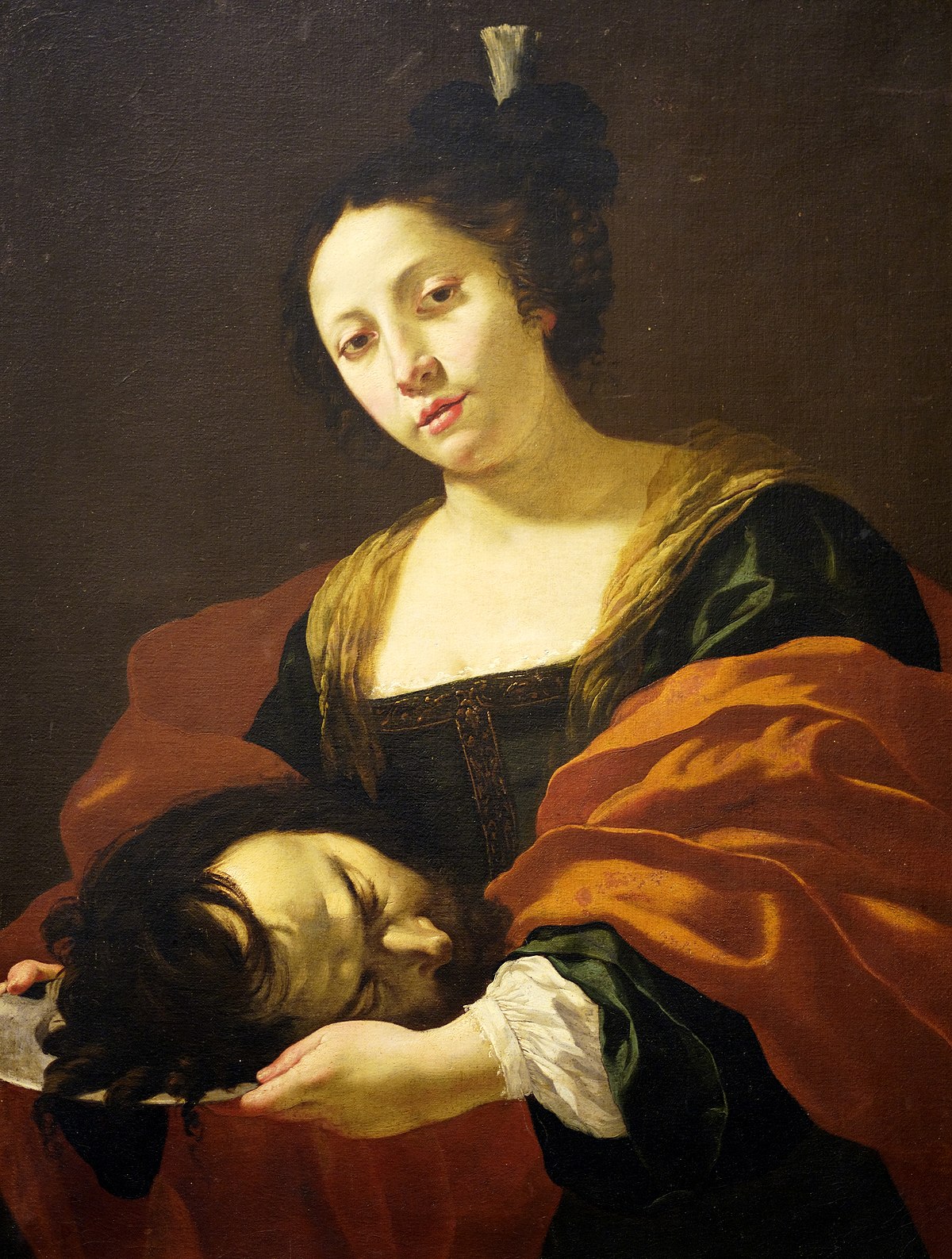
Salome
 Acrylic On Canvas
- WallArt
- German Symbolism
 1906
1906 92.0 x 114.0 cm
 Lenbachhaus
Franz Ritter von Stuck's "Salome" (1906) depicts a captivating dance of desire and tragedy, blending Symbolism with biblical drama. Explore the haunting beauty & dark narrative of this iconic masterpiece.
 Loe lähemalt
Franz von Stuck oli saksa sümbolisti maalija ja skulptor, kes on tuntud müstiliste motiivide, sensuaalsuse ning Müncheni Secessioni rolli poolest. Tema teosed ühendavad klassikalist täpsust ja unenäolisi kujundeid.
Ostke kõrglahutusel ja täiustatud digitaalne pilt, mis on oluliselt parem kui veebilehel näidatud eelvaade.
Iga fail on meie spetsialistide poolt hoolikalt ette valmistatud, kasutades kaasaegseid tööriistu ja professionaalset käsitsi retušeerimist. Tagame, et igal pildil on erakordne selgus, täpne värvitäpsus ja peen detail.
Lõplik fail saadetakse e-posti teel 72 tunni jooksul ning on optimeeritud koheseks kasutamiseks professionaalsetes, toimetuslikes ja trüki keskkondades. See on sama kvaliteet, mida usaldavad tipptasemel disainistuudiod, kirjastused ja galeriid.
Digitaalne pilt
Laadi alla kõrge resolutsiooniga fail isiklikuks vaatamiseks, trükkimiseks ja loomingulisteks projektideks. ( Lülita trükkitoodetele Telli käsitsi maalitud reproduktsioon)
Sisse kuulub iga digitaalse pildi tellimusega
Professionaalne digitaalne kohaletoimetamine, garanteeritud
Valides TopImpressionists.com, ei saa sa lihtsalt pilti – saad professionaalselt parandatud digitaalse teose, mida on valmistatud täpsusega ja mis on toetatud rahuldamatusgarantiiga. Siin on kõik, mis sinu tellimusega automaatselt kaasneb:

Kiire e-posti edastus
Teie kõrge resolutsiooniga digitaalne pildifail saadetakse teile e-posti 72 tunni jooksul pärast tellimist – kohe kasutamiseks valmis.

Tehisintellektiga täiustatud digitaalne fail
Teie teos on professionaalselt optimeeritud arenenud tehisintellekti tööriistade ja käsitsi redigeerimise abil, tagades maksimaalse detailitaseme, selguse ja värvitäpsuse.

Tasuta eluaegne uuesti saatmine
Kas kustutasid faili kogukalu unustamisel või kustutamisel? Puudub mure – saad selle uuesti igal ajal ilma lisatasuta.

Puuduvad importimaksud – alati
Nautige oma teoseid koheselt ilma tolli-, maksude või tarnimaskuludeta – digiletchargused on alati maksuvabadud.

Värvitäpsuse garantii
Me tagame, et teie digitaalne pilt kajastaks originaali värve professionaalsete tööriistade ja värvihalduse abil võimalikult täpselt.

100 päeva rahuldamatuse garantii
Kui te ei ole oma digitaalse pildi eest rahul, siis me parandame seda või tagastame 100% summast 100 päeva jooksul – küsimusteta.

100% raha tagastamise garantii
Ei ole rahul? Saate täielise tagastaja 100 päeva jooksul pärast digitaalse faili kättesaamist – ilma küsimusteta.

Suurema tellimuse soodustused
Osta 3 pilti, säästa 10% - Osta 5, säästa 15% - Osta 10+, säästa 20%. Sobib suurepäraselt loomingulisteks projektideks, galeriideks ja agentuurideks.
The Enigmatic Dance: Unveiling Franz Ritter von Stuck’s “Salome”
Franz Ritter von Stuck's 1906 painting, "Salome," is not merely a depiction of a biblical episode; it’s a profoundly unsettling and intensely symbolic exploration of desire, power, and the dark undercurrents of human nature. Emerging from the fertile ground of German Symbolism, Stuck masterfully blends classical precision with the dreamlike logic of the subconscious, creating an image that continues to captivate and disturb over a century later. The painting’s immediate impact lies in its dramatic composition – a carefully orchestrated tableau of figures poised on the precipice of violence and obsession. The scene unfolds within a shadowy, almost claustrophobic space, dominated by a towering, ornate architecture suggesting both opulence and impending doom. This isn't a straightforward narrative; it’s an atmosphere saturated with tension, inviting viewers to contemplate the motivations and fates of those involved.
A Symphony of Contrasts: Style, Technique, and Materiality
Stuck’s artistic style is immediately recognizable as a potent blend of Symbolism and Art Nouveau influences. The painting showcases his signature use of rich, jewel-toned colors – deep reds, emerald greens, and shimmering golds – applied with meticulous detail to create an opulent yet unsettling effect. His brushwork is deliberately expressive, employing visible strokes that contribute to the overall sense of drama and movement. Notice particularly the way he renders the textures: the velvet drapery, the polished surfaces of the architecture, and even the glistening skin of Salome herself – all are rendered with a tactile quality that draws the viewer into the scene. The painting was executed in oil on canvas, a medium that allowed Stuck to achieve both luminous color saturation and remarkable textural detail. The use of chiaroscuro—the dramatic contrast between light and shadow—further intensifies the emotional impact, highlighting key figures and obscuring others in an atmosphere of mystery and foreboding.
The Narrative Unfolds: Biblical Context and Symbolism
At its core, “Salome” depicts a pivotal moment from the New Testament – the fulfillment of Herodias’s vengeful plot against John the Baptist. However, Stuck doesn't offer a simple retelling of the story; instead, he delves into the psychological complexities of the characters and imbues the scene with layers of symbolic meaning. Salome herself is not portrayed as a seductive temptress but rather as a figure caught in a web of manipulation and driven by a primal desire for power. The presence of the dark servant, clutching John’s severed head on a platter, introduces an element of grotesque horror – a stark reminder of the brutal consequences of unchecked ambition. The architecture—a blend of Romanesque and Byzantine styles—suggests both grandeur and decay, mirroring the moral corruption at the heart of the narrative. The star-studded night sky serves as a backdrop to this drama, hinting at a realm beyond earthly concerns and perhaps suggesting a connection between life and death.
A “Prince of Art”: Stuck’s Legacy and Artistic Significance
Franz Ritter von Stuck was more than just an artist; he was a cultural phenomenon. Nicknamed the "Prince of Art" during his lifetime, he bridged the gap between academic tradition and the burgeoning currents of modernism. His work explored themes of sin, beauty, and the subconscious with a boldness and emotional intensity that resonated deeply with audiences at the turn of the 20th century. Villa Stuck, his own architectural masterpiece in Munich, stands as a testament to his artistic vision—a lavishly decorated space filled with sculptures, paintings, and intricate details reflecting his fascination with mythology, symbolism, and the darker aspects of human experience. “Salome” is arguably one of his most enduring works, demonstrating his mastery of dramatic composition, evocative color palettes, and profound psychological insight. It remains a powerful and unsettling image that continues to provoke discussion and inspire interpretation.
Küsimused ja vastused
Millest teos "Salome" on valmistatud ja millises stiilis on see?
Teos "Salome" on valmistatud tehnikas Acrylic On Canvas ja kuulub German Symbolism stiilile.
Kas „Salome“, autor Franz Ritter Von Stuck on maalid, joonis või etsing?
"Salome" on WallArt teos.
Mis on teose „Salome“, autor Franz Ritter Von Stuck loomisaeg ja stiil?
Teos "Salome" loodi aastal 1906 ning see kuulub German Symbolism suunasse. Aasta ja stiil anavad teosele kunstiajalist konteksti.
Kunstniku biograafia
Elu algus ja kunstiline ärkamine
Franz Ritter von Stuck, kelle nimi on sünonüüm saksa sümbolismi võimsuse ja väljendusvõimega, tõusis 1863. aastal Baieri maaelust üheks oma põlvkonna mõjukaimaks kunstnikuks. Tettenweisis sündinud Franz oli algselt määratud isa jälgedes metsanikuna elama, kuid noore poisi ilmnev kunstiline kalduvus muutis tema tee pöördumatult. See varajane andekus viis ta Münchenisse, esmalt 1878. aastal Rakenduskunstide Kooli ja seejärel 1882–1884 Kunstiakadeemiasse, kus ta langes Arnold Böcklini kummitavate müütiliste stseenide võlu alla – kujundav mõju, mis sügavalt tema kunstilist visiooni vormis. Stuck ei olnud pelgalt kunstnik; ta oli kultuurinähtus, eluaegne “Kunstiprints”, ühendades 19. sajandi akadeemilise traditsiooni ja modernismi idanevad voolud.Sümbolisti meistri tõus
Stucki kiire tõus kuulsusele oli tähelepanuväärne. Tema läbimurre saabus 1889. aastal teosega “Paradiisi valvur”, mis esitleti Müncheni Klaasipalees, koheselt pälvides kriitilist tunnustust ja kuldmedali. See maal ei olnud lihtsalt tehnilise oskuse väljapanemine; see kuulutas välja uue kunstilise hääle – ühe, mis ühendas klassikalise täpsuse müütiliste teemadega ja sümbolismi alavooluga. Ta sai kiiresti oluliseks figuuriks traditsiooniliste normide väljakutsumisel, asudes 1892. aastal Müncheni Sektsiooni kaasasutajaks koos meelsetega kunstnikega, kes olid otsustanud murda konservatiivseid piire ja propageerida modernset kunsti. See kunstiline mässuline tegevus kattus tema uurimisega skulptuuris, debüteerides “Sportlasega”, mis demonstreeris muljetavaldavat mitmekülgsust. Kuid just “Patt” (1893) kinnistas lõplikult tema maine sümbolistliku maali meistrina, lummates publikut oma dramaatilise intensiivsusega ja psühholoogilise sügavusega. See periood tähistas Stucki ainulaadse stiili täielikku õitsemist – võimsa kombinatsiooni sensuaalsusest, klassikalisest vormist ja sümbolilisest resonantsist.Teemad ja mõjud: soovi ja müüdi maailm
Franz von Stucki kunstiline universum on täidetud korduvate motiividega, mis paljastavad tema sügava seotuse ajatute teemadega. Müütologia oli pidev inspiratsiooniallikas, ammutades Kreeka, Rooma ja piibellugudest, mille ta kujundas ümber oma isikupärase võtmetooniga. Need ei olnud pelgad ümberjutustused; need olid uurimised inimolukorrast, filtreeritud läbi iidsete lugude prisma. Samuti oli silmapaistev tema kinnastus sensuaalsusele ja femme fatale’ile, mis võimsalt kehastusid tema arvututes Salome kujutistes – tegeluses, mis esindab soovi, ohtu ja moraalse ebaselgust. Need maalid ei käsitlenud lihtsalt füüsilist ilu; need süvenesid naiste jõu psühholoogilisse keerukusse ning selle potentsiaali nii võlu kui ka hävituse poole. Kõige aluseks oli sügav austus klassikalise kunsti vastu, mis kajastus tema täpslikus tehnikas, anatoomilises täpsuses ja kompositsioonilises ranguses. Böcklini kõrval tunnistas Stuck mõjusid Pre-Raphaeliitidest ja Gustave Moreau’st, kuid ta ei olnud pelgalt jäljendaja; ta sünteesiti need mõjud midagi unikaalselt omaks, mis avaldas sügavat mõju järgnevatele kunstnikupõlvedele.Pärand ja mõju: õpetaja ja rüütel
1895. aastal võttis Franz von Stuck endale veel ühe olulise rolli – Müncheni Akadeemia õpetajana. Ta sai kõrgelt austatud juhendajaks, mitte ainult tehnilisi oskusi edasi andes, vaid ka julgustades oma õpilasi uurima nende individuaalseid kunstilisi visioone. Tema juhendamisest kasu said sellised silmapaistvad kunstnikud nagu Paul Klee, Hans Purrmann ja Josef Albers, mis demonstreeris tema mõju laiaulatuslikkust. Tema pühendumine kunstile tunnustati 1905. aastal, kui ta adeldati, saades “Ritter von Stuckiks” – tunnistus tema kasvavast prestiižist ja panusest Saksa kultuuri. Ta jätkas tunnustuse saamist kogu Euroopas, kinnistades oma positsiooni oma aja juhtiva kunstnikuna. Tema Villa Stuck Münchenis, nüüd muuseum, on jäädvustanud mälestusmärgi tema elule ja tööle, pakkudes väärtuslikku ülevaadet tema kunstilisest visioonist ning 19. sajandi lõpu ja 20. sajandi alguse Saksamaa kultuurikeskkonnast. Tema pärand kestab mitte ainult tema maalide ja skulptuuride kaudu, vaid ka läbi lugematute kunstnike, kelle ta inspireeris, tagades et Franz von Stucki vaim jätkab resonantsi kunstimaailmas tänapäevani.Peamised teosed ja püsiv tähtsus
- Kevad (1886): Elav kujutus, mis demonstreerib tema varajast meisterlikkust värvi ja kompositsiooni vallas.
- Dissonants (1893): Rahutu portree, mis kehastusdab emotsionaalset ärevust naise mängides viiulit.
- Salome (erinevad versioonid): Võib-olla tema ikoonilisim töö, kujutades piibellugu silmatorkava sensuaalsusega ja psühholoogilise sügavusega.
- Sportlane (1892): Võimas skulptuur, mis demonstreerib tema oskust kolmemõõtmelises vormis.

Franz Ritter Von Stuck
1863 - 1928 , Saksamaa
Kiired faktid
- Artistic Movement Or Style: Sümbolism, Art Nouveau
- Artists Or Movements Influenced By This Artist: ['Paul Klee']
- Artists Who Influenced This Artist: ['Arnold Böcklin']
- Date Of Birth: 23. veebruar 1863
- Date Of Death: 30. august 1928
- Full Name: Franz Ritter von Stuck
- Nationality: Saksamaa
- Notable Artworks:
- Paradiisi valvur
- Salome
- Patt
- Sportlane
- Place Of Birth: Tettenweis, Saksamaa