

 Eelvaade
 Saada
Saada Jaga
Jaga
 Teave teose kohta
 Juhend

 Laadi alla
 Sarnased teosed
 Röntgenuuring
 Slaidietendus
 Q&A
Q&A Statistika
New Year's Shooter

- 77.0 x 65.0 cm


Capturing the gritty realism of the Ashcan School, this expressive portrait by George Benjamin Luks depicts a candid moment of urban vitality that invites you to bring a piece of American history into your collection.
 Loe lähemalt
Avastage George Luks (1867-1933), varakult 20. sajandi Ameerika linnaelu realistlikke ja dünaamilisi maalijaid. Tutvuge tema võimsa kunstiga juba täna!
Giclée / Kunstiprint
Muuseumikvaliteediga giclée- või kangasprint kiire tootmisega ja paindlikud viimistlusvõimalused. ( Osta käsitsi maalatud teos Lülita digitaalse pildi juurde)




P118B €10

P118H €10

P118W €10

P438Z €10

P508JH €12

P508YH €12

P805H €10

P805Z €10

P919BZ €10

P919G €10

P919XJ €10

P959ZH €10

P968JZ €12

W106C €8

W218G €10

W218JH €8

W218Y €10

W307PJ €10

W316G €10

W316PJ €8

W316Y €10

W398PJ €8

W4111J €10

W500HY €15

W500JH €15

W692G €12

W849H €8

W940BG €15

W953PJ €8




Standardne suurus
kohandatud
CM
INCH
Vali meie eelmääratud suurused, mis vastavad teose algupärastele proportsioonidele.
Loading sizes...

laius
kõrgus
Sisestage vajalik laius ja kõrgus, et see sobiks teie raamile või seinale. Trükki saab ainult lõigata, seda ei saa kunagi pildist suuremaks teha, seega ka erineva mustega suurus kaotab osa pildist. Enne trükkimist saadame teile kinnitamiseks digitaalse näidisprojektsiooni. Sellel lehel näidatud pilt ei kujuta reaalset lõiget — seda näitab ainult näidisprojektsioon.
Ülemaailmne tarne () 2 nädala jooksul, tavalise 4/5 nädala asemel. (1 november)

Tasuta ekspresssaatmine üle maailma

Kõrgekvaliteediline lina-kangas

Täielik transpordikindlustus

Tollimaksude tagastamise garantii

Värvitoime täpsuse garantii

100 päeva tagastusõigus (ainult valmistusdefektide korral)

100% raha tagasi garantii

Hulgusoodustus
 Klaasivalik on saadaval ainult kuni 110 cm suuruses teostes

New Year's Shooter
Giclée / Kunstiprint
Reproduktsiooni suurus
-


Koguhind
€ 61
A Moment Frozen in Urban Vitality
In the evocative oil painting New Year's Shooter, George Benjamin Luks invites us into a private, candid fragment of early twentieth-century life. The portrait captures an ordinary man, perhaps a laborer or a city dweller caught in a rare moment of respite, seated with a relaxed yet observant posture. As he gazes slightly off-canvas, a cigarette perched between his lips, there is an unmistakable sense of immediacy—as if the viewer has just stumbled upon him in a dimly lit tavern or a quiet corner of a bustling street. The subject’s attire, most notably a muted green hat adorned with a shimmering gold rim, hints at a celebratory spirit, suggesting the festive yet gritty atmosphere of a New Year's Eve celebration amidst the urban working class.
Luks, a prominent figure of the Ashcan School, masterfully employs a style rooted in gritty realism. Rather than seeking the polished perfection of academic portraiture, he embraces the raw energy of the moment. The composition is intentionally dynamic, with the figure positioned slightly off-center to create a sense of movement and life. Through the use of loose, expressive lines and visible, thick brushstrokes, Luks avoids rigid outlines, allowing the forms to emerge organically from the canvas. This technique, known as impasto, lends a tactile, three-dimensional quality to the work, where the texture of the paint itself becomes part of the storytelling, mirroring the ruggedness of the subject's environment.
Light, Shadow, and the Soul of the City
The emotional resonance of New Year's Shooter is deeply tied to its dramatic use of light and color. While the palette is grounded in earthy tones—deep browns, blacks, and muted greens—it is punctuated by brilliant highlights that breathe life into the scene. A soft light source emanating from the left illuminates the man’s face, casting deep, soulful shadows that create a sense of mystery and depth. The glint of gold on his hat and the subtle warmth on his skin provide a striking contrast to the darker, receding background, drawing the eye inward to the subject's quiet expression. This interplay of light and shadow does more than define shape; it evokes a mood of contemplative contentment mixed with a hint of urban cynicism.
For collectors and interior designers alike, this piece offers a profound sense of character and historical weight. It is not merely a depiction of a man, but a window into the American Realism movement, capturing the unvarnished truth of a bygone era. The painting’s ability to balance heavy, textured application with delicate emotional nuance makes it a versatile masterpiece for any curated collection. Whether placed in a modern gallery setting or as a focal point in a classic study, New Year's Shooter serves as a powerful reminder of the beauty found in the fleeting, everyday moments of human existence.
Korduvad küsimused
Millist emotsionaalset toonikut saadab endale kuulutada teose "New Year's Shooter" Ashcan School stiil?
Ashcan School suunangu raames on teos "New Year's Shooter" üles seabetud Dramatic toonil.
Millises ruumis on soovituslik "New Year's Shooter" näidata, arvestades selle värvilaudu?
Teose „New Year's Shooter“, autor George Luks Monochrome värvigamma sobib suurepäraselt selle soovituslikule ruumile: Restaurant.
Mis on teose „New Year's Shooter“, autor George Luks materjal ja mõõdud?
Originaalteos „New Year's Shooter“, autor George Luks on Oil On Canvas teos mõõtmisel 77 x 65 cm. Tehnika ja suurus kirjeldavad originaalobjekti.
Kunstniku elulugu
Varajane Elu ja Kunsti Alged
George Benjamin Luks sündis 1867. aastal Williamsportis, Pennsylvanias, immigrantide perekonda – isa oli Poola arst, ema Saksamaa muusik. See mitmekultuuriline kasvukeskkond andis talle varakult sügava kaastunde tavainimeste võitluste ja triumfide suhtes, mis hiljem kujunes tema kunstilise visiooni määrava omadusena. Luks’i noorus ei olnud sugugi konventsiooniline; enne pühendumist lõuendile ja pintslile tegutsesid ta ja vend vaudeville'is esinejatena, lihvides tähelepanuvõimet ja inimkarakteri arusaama, mis hiljem osutusid hindamatuks. See maailm oli tulvil lühiajaliste hetkede, liialdatud žestide ja toorete emotsioonidega – treeningplats elu olemuse tabamiseks. Just sel perioodil tekkis temas armastus etenduste ja spektakli vastu, elemendid, mis on peenelt põimitud tema maalide dünaamilistesse kompositsioonidesse.Euroopa Õpingud ja Ashcan Kooli Sünd
Luks’i formaalne kunstiharidus algas Pennsylvania Kunstiakadeemias, kuid järgnenud reisid Euroopasse kujundasid tema esteetilisi tundeid veelgi. Ta sukeldus vanameistrite loomingusse – eriti resoneerisid temaga Velázquez ja Hals –, omandades nende valgustiku, varju ja karakteriseeringu meisterlikkuse. Küll aga ei jäljendanud ta lihtsalt; ta sünteesistas need mõjud midagi unikaalselt oma. Naastes Ameerikasse leidis Luks tööd ajalehe illustraatorina, esmalt Philadelphias ja seejärel New Yorgis. See kogemus osutus pöördeliseks. See avas talle viljaka tänavate, mitmekesiste elanikkondade ja varajase 20. sajandi linnaelu karmide reaalsuste maailma – teemad, mis domineerisid tema kunstilist väljundit aastaid. Ta ühendus sarnset mõtlemisega kunstnike ringiga—Robert Henri, John Sloan, William Glackens—kes jagasid akadeemiliste konventsioonide tagasilükkamist ja soovi kujutada maailma sellisena nagu nad seda nägid, ausalt ja eelarvamusteta. See kollektiivne vaim andis tõusu nn Ashcan Koolile, liikumisele, mis väljakutse akadeemilistele kunstinormidele ning tähistas ilu igapäevases.Linna Pulsi Tabamine Maalides
Luks’i maale iseloomustab hoogne pintslikäsitlus, julged kompositsioonid ja linnaelu kompromissitu kujutamine. Ta ei kartnud kujutada 20. sajandi Ameerika varajase perioodi vaesust, raskusi ja sotsiaalset ebavõrdsust. Tema tegelased olid sageli võetud New Yorgi tänavatelt – taksojuhid, tänaval esinejad, töötegijad ja tavalised inimesed igapäevaelus. Näiteks The Cabby on võimas kujutlus töölisest, tema näol on väsimuse jäljed, kuid kiirgab vaikne väärikus. Samuti tabab Sulky Boy nooruse haavatavust ja introspektsiooni tähelepanuväärse tundlikkusega. Luks’i tehnika oli sama eriline kui tema teema. Ta kasutas paksu impasto stiili, rakendades heldelt värvi lõuendile, luues tekstuurilise pinna, mis näis vibreerivat energiast. Värvikasutus oli sageli summutatud, peegeldades linnaelu karmit reaalsust, kuid täiendatud säravaid väljendushetki, mis tõmbasid vaataja pilku.Alaesindatud Hääle ja Püsiv Pärand
“The Eight” liikmena mängis Luks olulist rolli traditsioonilise kunstimaailma väljakutses ja tee avamises Ameerika modernismile. Grupi iseseisev näitus 1908. aastal oli murranguline hetk, mis põhjustas poleemikat, kuid tõi ka tähelepanu nende uuenduslikule lähenemisviisile maalimisele. Luks ei olnud lihtsalt huvitatud reaalsuse dokumenteerimisest; ta soovis edasi anda selle emotsionaalset kaalu, selle sisemist draamat. Ta tahtis, et tema maalid tunneksid sama palju kui näeksid. Peale kunstiliste saavutuste oli Luks ka kirglik Ameerika kunsti ja kunstnike poolehoidja. Ta õpetas Kunstiõpilaste Liigas, inspireerides põlvkondi noori maalijaid omaks võtma oma unikaalse hääle ja perspektiivi. Tema mõju on näha paljude järgnenud kunstnike töödes, kes soovisid tabada linnaelu vaimu. George Benjamin Luks suri 1933. aastal, jättes maha loomingu, mis jätkab tänapäevalgi vaatajaid kõnetades. Tema maalid ei ole pelgalt ajaloolised dokumendid; need on võimsad tunnistused inimlikust olukorrast, meeldetuletused nende lugude võitluste ja triumfide kohta, mis muidu oleks unustatud. Ta jääb Ameerika kunstiajaloo eluliseks figuuriks, realismit pooldavaks hääleks ja alaesindatud inimeste eest seisjaks.
George Luks
1867 - 1933 , Ameerika Ühendkultuur
Lühikest infot
- Artistic Movement Or Style: Ashcan School, Realism
- Artists Or Movements Influenced By This Artist: ['Ameerika modernism']
- Artists Who Influenced This Artist:
- Velázquez
- Hals
- Manet
- Date Of Birth: 1867
- Date Of Death: 1933
- Full Name: George Benjamin Luks
- Nationality: Ameeriklaste rahvus
- Notable Artworks:
- The Cabby
- Sulky Boy
- Coal Mining Town
- Place Of Birth (City And Country): Williamsport, USA
Sarnased artiklid
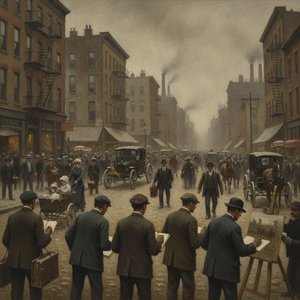
The Ashcan School: Capturing the Raw, Unfiltered Soul of Urban Life through American Realism
Discover the raw beauty of the Ashcan School. Explore how masters like Bellows and Henri captured the gritty, vibrant soul of early 20th-century New York through profound American Realism and evocative urban landscapes.

The Unvarnished Truth: A Cultural Journey Through the Soul of American Realism
Explore the profound beauty of American Realism. From the Ashcan School's urban grit to intimate portraits, discover how artists captured the authentic soul of a nation through unvarnished truth and masterful observation.
Avastage teoseid, mis on koondatud teemade, stiilide ja omaduste kaupa.
