

Shown: · With its frame:
 Eelvaade
 Saada
Saada Jaga
Jaga
 Teave teose kohta
 Juhend

 Laadi alla
 Sarnased teosed
 Röntgenuuring
 Slaidietendus
 Q&A
Q&A Statistika


€ 239
Käsitsi valmistatud õlimaalireproduktsioon
Meie kunstnike poolt tellimusel valmistatud käsitsi maalitud õli-kainaste teos teie soovitud suuruses ja raamis. ( Lülita trükkitoodetele Lülita digitaalse pildi juurde)
Size
·Standardne suurus
kohandatud
CM
INCH
Vali meie eelmääratud suurused, mis vastavad teose algupärastele proportsioonidele.
Loading sizes...

laius
kõrgus
Sisestage vajalik laius ja kõrgus, et teos sobiks teie raamile või seinale. Kuna tegu on käsipainatud teosega, siis erineva kujuga suuruse korral võib kunstnik jätta pildi ümber veidi rohkem marginaali või lõigata osa ära — valik on teie. Enne maali alustamist saadame teile kinnitamiseks digitaalse näidisprojektsiooni. Sellel lehel näidatud pilt ei kajasta tegelikku tulemust — seda näitab ainult näidisprojektsioon.
 Loe lähemalt
Finish
·
White €1

Blurside €1

Extended €1

P118B €10

P118H €10

P118W €10

P438Z €10

P508JH €12

P508YH €12

P805H €10

P805Z €10

P919BZ €10

P919G €10

P919XJ €10

P959ZH €10

P968JZ €12

W106C €8

W218G €10

W218JH €8

W218Y €10

W307PJ €10

W316G €10

W316PJ €8

W316Y €10

W398PJ €8

W4111J €10

W500HY €15

W500JH €15

W692G €12

W849H €8

W940BG €15

W953PJ €8

H24-GOLD €30

H24-SILVER €30

H36-GOLD €45

H36-SILVER €45
Shipped in a protective tube, ready for your own framer.
Above 105 cm the frame is shipped as a kit for a professional framer — read the details.
Extras
optionalWhat do the extras include?
Examples of what can be changed: Replace face with customer photo; Add pet (e.g., replace cat with dog); Include hidden message in background; Change background landscape or elements.
After order, TopImpressionists.com team will email client for instructions and provide a mockup preview
After order, TopImpressionists.com team will email client for instructions and provide a mockup preview
Maailmline tarne 3–4 nädala jooksul tavalise 5 nädala asemel. (1 november). Kvaliteedis kompromisse ei tehta.
Kaitsevärnitsus
Nimesildikiri
Graveeritud pronksplaadi üksikasjad
This elegant plaque features the artist's name and the title of the artwork, finely engraved for a timeless presentation.
It is made from bronze with a refined, elegant finish. The text is precisely laser-engraved for a sharp and permanent result. Measuring 9x2 cm, the plaque is compact yet easy to read. It's built to be durable and scratch-resistant, offering a professional, museum-quality look. Mounting is simple thanks to the included adhesive backing.
Läbipaistva akrüülplaadi üksikasjad
The plaque includes essential engraved details such as the artist's name, the title of the artwork, the date it was created, the type of media used-like oil on canvas or watercolor-a brief description of the piece, and a QR code that links to the complete artwork information.
It is crafted from clear acrylic, offering a sleek, modern appearance. The text is UV-engraved in black to ensure strong visual contrast. With a size of 10x15 cm, it ensures optimal readability. It comes equipped with two metal hooks for secure wall mounting. The plaque is designed to be weather-resistant, making it suitable for various environments, and it includes interactive features that work seamlessly with smartphone scanning.
Musta akrüülplaadiรายละเอียด (Note: The user provided "Musta akrüülplaadi detailid" as the current translation and asked for an improved version. Since "Musta akrüülplaadi
This elegant plaque includes engraved information such as the artist's name, the title of the artwork, the date it was created, the type of media used (like oil on canvas or watercolor), a short description of the artwork, and a QR code for quick access to more information.
The plaque itself is made from refined black acrylic with a premium finish. The text is laser-engraved in white for high contrast and readability. Its size is 10x15 cm, designed to be easy to read. It comes with two metal hooks for professional mounting. The design is sleek and fits any interior style. It is also weather-resistant and durable, with built-in digital integration for mobile compatibility.
Klaasivalik on saadaval ainult kuni 110 cm suuruses teostes
 Klaasivalik on saadaval ainult kuni 110 cm suuruses teostes
- Tasuta ekspresssaatmine üle maailma
- Kõrgekvaliteediline lina-kangas
- Täielik transpordikindlustus
- Tollimaksude tagastamise garantii
- Värvitoime täpsuse garantii
- 100 päeva tagastusõigus (ainult valmistusdefektide korral)
- 100% raha tagasi garantii
- Hulgusoodustus


Kogumisobjekti kirjeldus
Experience the elegance of Rococo art! Giovanni Domenico Tiepolo's 'Minuet,' painted in 1756, captures a lively Venetian ballroom scene with vibrant colors and masterful composition.
Kunstniku elulugu
Avastage rokokoo meistri Giovanni Domenico Tiepolo, Giovanni Battista poeg! Vaadake tema veneetsia freskoosid ja müüdilisi maalid, mis kiirgab elegantsi ja kunstilisust.
About the painting
A Symphony of Grace: The Rococo Splendor of Tiepolo’s Minuet
In the delicate dance of light and shadow, Giovanni Domenico Tiepolo’s 1756 masterpiece, "Minuet," invites the viewer into a world where the boundaries between the earthly and the divine dissolve. As a quintessential emblem of the Rococo movement, this work captures the very essence of eighteenth-century aristocratic elegance—a period defined by a thirst for frivolity, idealized beauty, and theatrical grandeur. To gaze upon this canvas is to step into the opulent social spheres of the Habsburg court, where every gesture is choreographed with refinement and every hue whispers of luxury. The painting does not merely depict a dance; it orchestrates an immersive experience, pulling the observer into a rhythmic celebration of life itself.
The composition is a masterclass in the Rococo aesthetic, characterized by its rejection of Baroque solemnity in favor of playful asymmetry and a luminous, pastel-driven palette. Tiepolo employs a breathtaking array of delicate creams, blush pinks, and shimmering golds that seem to glow from within, mirroring the sumptuous silks and intricate ornamentation found in the grandest European interiors. Through the expert use of trompe l'oeil techniques, the artist subtly blurs the lines between the painted surface and architectural reality, creating an illusionistic depth that makes the grand classical structures feel as though they are expanding into the viewer's own space. The light does not simply illuminate the figures; it dances across them, lending a palpable sense of atmosphere and movement to the entire scene.
Mythological Echoes and Symbolic Grandeur
Beyond its surface-level charm, "Minuet" is deeply interwoven with the mythological narratives that provided the intellectual backbone of the era. At the heart of this graceful ballet stands a statue of Diana, the goddess of hunting and chastity. This inclusion serves as a profound symbol of virtue and nobility, acting as a silent, watchful guardian over the festivities. The dancers and musicians, arranged in a rhythmic semi-circle, are positioned within an architectural setting reminiscent of ancient Roman temples, a deliberate choice by Tiepolo to ground the ephemeral joy of the dance in the eternal ideals of classical harmony and proportion. This juxtaposition suggests that even the most fleeting moments of human pleasure can be imbued with divine significance.
For the discerning collector or interior designer, "Minuet" offers more than just visual beauty; it provides a profound emotional resonance. The painting captures a sense of exuberant optimism and the effortless poise of a bygone era. Whether placed in a sun-drenched gallery or as a focal point in a sophisticated living space, a high-quality reproduction of this work brings with it an air of historical prestige and timeless sophistication. It is a piece that invites conversation, evoking the spirit of an age where art was a celebration of light, movement, and the enduring pursuit of grace.
Korduvad küsimused
Mis on teose „Minuet“, autor Giovanni Domenico Tiepolo üldine meeleolu?
Teose „Minuet“, autor Giovanni Domenico Tiepolo meeleolu on kirjeldatud kui Elegant. See klassifikatsioon võib aidata leida teosele sobiva sisekujunduse.
Kuna teose kuupäev on teada, millesse Giovanni Domenico Tiepolo karjääri etappi kuulub teos "Minuet"?
"Minuet", mis loodi aastal 1756, kuulub Giovanni Domenico Tiepolo loomingulise karjääri perioodi Mature Period.
Milline kunstnik ja milline stiil seisavad teose "Minuet" taga?
Teose "Minuet" on loonud Giovanni Domenico Tiepolo Rococo Style stiilis. Kunstnik ja suunamine määratlevad teose traditsiooni.
Quick facts and art quiz
About Giovanni Domenico Tiepolo
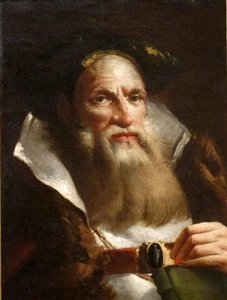
Giovanni Domenico Tiepolo
2007 - 1770, Italia
Kunstniku elulugu
Giovanni Domenico Tiepolo: Rokokoo freskodide meistri
Giovanni Domenico Tiepolo (30. august 1727 – 3. märts 1804) oli Veneetsia Vabariigi silmapolemas Ittalia maalid ja etsnik, kelle loomule on olnud sügav mõju Itaalia kunstiajaloos. Ta tunnustatakse kui rokokoo stiili juhtivaks kujundajaks, kes pärsis ja laiendas oma kuulsuse nimet $\text{legendary}$ isaga, Giovanni Battista Tiepologa. Tema mittekümnendite pikkune karjäär jättis endile jälg see, mis on täis elavust kiirgavaid värve, dünaamilisi kompositsioone ning elegantseid müütilisi stseene, portrette ja maastikke.
Varajane elu ja õppimine
Sündides kunstipersoonade perre oli Giovanni Domenico varajane elu sügavalt kunstimaailmaga seotud. Tema peamine mentor oli isast, kuulus maalija Giovanni Battista Tiepolo, kes oli tuntud oma monumentaalsete freskodega. Giovanni Domenico sai oma isast juhist ranget õppemööki, õppides tehnikuid ja stiililisi nüansse, mis kujundasid tema tulevikku. Ta beenus ka teiste selle aja märkimisväärsete kunstnike, nagu Sebastiano Ricci ja Federico Bencovich, nägemisest, mis laiendas tema kunstilisi horisonte. Noorena teda sageli isalt suuremõõliskelude juures abistatud, saades väärtuslikku praktilist kogemust freskodega töötlemisel.
Kunstikarjäär ja stiil
Giovanni Domenico karjäär õitsendas kogu 18. sajana. Ta kinnistas end oskusliku kunstnikuna, kes suutis luua nii iseseisvaid teoseid kui ka osa võtta koostööprojektidest. Kuigi alguses töötas ta tihedalt koos oma isaga, arendas ta ajapikku välja oma eripärase stiili, säilitades siiski Veneetsia kunstis tollal valitsevat rokokoo esteetikat. Tema loomuline väljund hõlmas freskode, kängast maalid ja etsingsid.
- Freskod: Tiepolo oli eriti kuulus oma freskodega, ehtides arvukalt kohti üle Itaalia. Silmapaistvad näited on freskod Ca' Dolfinis Veneetsia Suurel kanalil ja Gesuati (Santa Maria del Rosario) kiriku lae')}
- Maalid: Lisaks freskodele lõi ta arvukalt kängast maalid, mis kujutasid sageli müütilisi teemasid või portrette. Näiteks "Perseus ja Andromeda" (vaata siit), "Europa raptus" (vaata siit) ja "Jänese jahistaja" (vaata siit).
- Etsingsid: Tiepolo näitas oma oskusi ka etsingu tehnikas, luues detailseid ja ekspressiivseid trükke nagu "Püha Augustinus, Prantsusmaa kuningas Ludvig, Jüdaanuse evangeelium Johannes ja Magnus" (vaata siit).
Mõjud ja areng
Giovanni Domenico kunstiline areng oli sügavalt mõjutatud tema isast, Giovanni Battista Tiepolost. Ta pärsis vanema Tiepolo meisterlikkuse värvide, kompositsiooni ja narratiivse lugu jutustamise osas. Kuid Giovanni Domenico stiil arenes suunates suurema rõhu genre-stseenidele ja igapäevase elu kujutamisele, mis eristas teda tema isast monumentaalsematest ja klassilisemalt inspireeritud teostest. Ta näitas ka huvi teatrailsuse ja liikumise vastu, mis on nähtav maalides nagu "Pulcinella" (vaata siit) ja "Heraklese apotheoosi" (vaata siit).
Ajalooline tähendus
Giovanni Domenico Tiepolo mängis kriitilist rolli Veneetsia rokokoo kunsti jätkumises ja arengus. Kuigi tema eluajal jäi ta isavennast suurema kuulsuse varju, tunnustatakse teda tänapäeval märkimisväärse kunstnikuna oma autonoomse loovuse eest. Tema freskod ja maalid pakuvad väärtuslikku vaadet 18. sajandi Veneetsia ja Itaalia kunstiline maitse ning kultuuriväärtused. Tema võime ühendada klassikalised teemad kaasaegsete tunnetustega kinnitas tema kohta rokokoo liikumises, jättes endile pärandi, mis on täis elavat kunstilisust ja mis enamgi tänapäeval vaatajat kõnetab.
Quick facts about Giovanni Domenico Tiepolo
- Artistic Movement Or Style: Rokokoo
- Artists Who Influenced This Artist: ['Giovanni Battista Tiepolo']
- Date Of Birth: 30. august 1727
- Date Of Death: 3. märts 1804
- Full Name: Giovanni Domenico Tiepolo
- Nationality: Itaalia
- Notable Artworks:
- Perseus ja Andromeda
- Europa rapimine
- Kiskja metsaga
- Die heiligen Augustinus
- Apollo ja Diana
- Heraklese apotheoosi
- Place Of Birth: Venetsia, Itaalia

Giovanni Domenico Tiepolo
Minuet
() ·
With its frame: · Hand-painted in oil on linen
Total