


 Eelvaade
 Saada
Saada Jaga
Jaga
 Teave teose kohta
 Juhend

 Laadi alla
 Sarnased teosed
 Röntgenuuring
 Slaidietendus
 Q&A
Q&A Statistika
A messa prima


A moonlit night of mystery unfolds in Giovanni Segantini's post-impressionist masterpiece A messa prima where a woman watches a figure depart, inviting you to explore this ethereal moment through a fine oil reproduction.
 Loe lähemalt
Giovanni Segantini (1858-1899): Itaalia maastikukunstnik, tuntud Alpi looduse ja taluelu poeetiliste kujutustega. Tema divisjonistlik stiil ja sümboolne lähenemine tegid temast olulise 19. sajandi kunstniku.
Giclée / Kunstiprint
Muuseumikvaliteediga giclée- või kangasprint kiire tootmisega ja paindlikud viimistlusvõimalused. ( Osta käsitsi maalatud teos Lülita digitaalse pildi juurde)




P118B €10

P118H €10

P118W €10

P438Z €10

P508JH €12

P508YH €12

P805H €10

P805Z €10

P919BZ €10

P919G €10

P919XJ €10

P959ZH €10

P968JZ €12

W106C €8

W218G €10

W218JH €8

W218Y €10

W307PJ €10

W316G €10

W316PJ €8

W316Y €10

W398PJ €8

W4111J €10

W500HY €15

W500JH €15

W692G €12

W849H €8

W940BG €15

W953PJ €8




Standardne suurus
kohandatud
CM
INCH
Vali meie eelmääratud suurused, mis vastavad teose algupärastele proportsioonidele.
Loading sizes...

laius
kõrgus
Sisestage vajalik laius ja kõrgus, et see sobiks teie raamile või seinale. Trükki saab ainult lõigata, seda ei saa kunagi pildist suuremaks teha, seega ka erineva mustega suurus kaotab osa pildist. Enne trükkimist saadame teile kinnitamiseks digitaalse näidisprojektsiooni. Sellel lehel näidatud pilt ei kujuta reaalset lõiget — seda näitab ainult näidisprojektsioon.
Ülemaailmne tarne () 2 nädala jooksul, tavalise 4/5 nädala asemel. (30 oktoober)

Tasuta ekspresssaatmine üle maailma

Kõrgekvaliteediline lina-kangas

Täielik transpordikindlustus

Tollimaksude tagastamise garantii

Värvitoime täpsuse garantii

100 päeva tagastusõigus (ainult valmistusdefektide korral)

100% raha tagasi garantii

Hulgusoodustus
 Klaasivalik on saadaval ainult kuni 110 cm suuruses teostes

A messa prima
Giclée / Kunstiprint
Reproduktsiooni suurus
-


Koguhind
€ 61
A Nocturnal Encounter in Light and Shadow
In the quiet, silvered depths of Giovanni Segantini’s 1885 masterpiece, A messa prima, we are invited into a world where the boundaries between reality and dream begin to dissolve. This post-impressionist gem captures a profound moment of human connection—or perhaps, more poignantly, a moment of departure. At the heart of the composition stands a woman perched upon a staircase, her silhouette marked by an elegant ponytail, gazing downward with an expression that oscillates between longing and resignation. Below her, a figure retreats into the shadows, walking away into the mysteries of the night. The scene is not merely a depiction of a physical space, but an emotional landscape where every brushstroke serves to heighten the sense of intrigue and quiet melancholy that defines this nocturnal encounter.
The atmosphere of the painting is thick with the ethereal glow of a moonlit sky, a technique that Segantini employs to envelop the viewer in a soft, luminous haze. Through his masterful use of light, the artist transforms a simple architectural setting into a stage for symbolic storytelling. The moonlight does more than illuminate the figures; it acts as a celestial witness to the fleeting nature of human presence. As the light touches the edges of the stairs and the distant, shadowy figures in the background, it creates a sense of depth that pulls the observer deeper into the painting’s mystery. This interplay of light and dark—the chiaroscuro of the post-impressionist era—imbues the work with a spiritual weight, suggesting that even in the darkness, there is a profound beauty to be found in the transient moments of our lives.
The Mastery of Post-Impressionist Technique
Segantini’s approach to A messa prima showcases his unique ability to blend the structural precision of his training with the emotive, atmospheric qualities of Symbolism. The technique used here allows for a dreamy, almost otherworldly quality that is characteristic of his most celebrated works. Rather than focusing on harsh outlines, Segantini utilizes subtle transitions of tone to suggest movement and emotion. This soft-focus effect creates a sense of nostalgia, as if we are viewing a memory rather than a live event. For the discerning collector or interior designer, this painting offers a sophisticated textural depth that can anchor a room, providing a focal point that rewards prolonged contemplation.
Beyond its visual allure, the painting serves as a poignant reflection on the passage of time and the fragility of human bonds. The composition is meticulously balanced to guide the eye from the central woman, down the descending steps, and toward the receding figures in the distance, mirroring the very movement of life itself—a constant progression away from what was once close. To possess a high-quality reproduction of this work is to bring a piece of art history into one's personal sanctuary; it is an invitation to reflect on the beauty of the ephemeral and the enduring power of the human spirit. Whether placed in a contemporary gallery setting or a classic study, A messa prima remains a timeless testament to the evocative power of Segantini’s vision.
Korduvad küsimused
Kas teose „A messa prima“, autor Giovanni Segantini värvid on kütkestatud või pehmed?
Teose „A messa prima“, autor Giovanni Segantini värvitoit on Subtle Color kütkusega.
Mis on teose "A messa prima" formaat?
Teose „A messa prima“, autor Giovanni Segantini vorm on Panoramic. See vorm kirjeldab kompositsiooni proportsioone.
Milliseid ühiseid elemente jagab teos "A messa prima" Giovanni Segantini muud loominguga?
Teos "A messa prima" jagab koos Giovanni Segantini teistega Post-Impressionism stiili ja korduvaid teemasid: post-impressionism and symbolism, human connection themes, fleeting nature of time, early career development.
Sarnased teosed


Kunstniku elulugu
Giovanni Segantini: Alpi Hingamine
Giovanni Segantini (1858-1899) oli itaalia maalikunstnik, kelle nimi on lahutamatult seotud Alpidest inspireeritud monumentaalsete pastoraalsete maastike loominguga. Tema elulugu on täis raskusi ja lõplikku kunstilist triumfi, mis kulmineerus unikaalse stiiliga, mis ühendas divisioonismi sümbolistliku kujundusega. Segantini ei olnud pelgalt maalikunstnik; ta oli Alpi vaimu tõlgendaja, kes suutis tabada nende ilu ja müstilist atmosfääri viisil, mis on jätkuvalt võimas ja liigutav.
Varajane Elu ja Väljakutsed
- Rasked Algused: Segantini varased eluaastad olid iseloomulikud vaesusega. Tema isa oli reisiv kaupleja, jättes ema suuresti üksi teda kasvatama.
- Orbuslus ja Kasvatuslapskodu: Ema surma järel põgenes ta kodust ning sattus Milanos kasvatuslapskodusse. Just seal tunnistas kaplaan tema kunstilist andekust ja julgustas seda arendada.
- Iseõpe: Piiratud formaalse hariduse tõttu õppis Segantini hiljem elus ise lugema ja kirjutama, mis demonstreeris tema täiskindlust ja pühendumist.
- Varajane Karjäär: Ta töötas alguses fotograafi assistendina enne maalimisele tõsiselt pühendumist.
Kunstiline Areng ja Mõjutused
- Õpingud Brera Akadeemias: Segantini õppis mainekas Brera Akadeemias Milanos, kus ta kohtus Scapigliatura liikumise mõjukate tegelastega. See grupp propageeris kunstiliste konventsioonide tagasilükkamist ja elu toorreaalsuse omaksvõtmist.
- Peamised Mõjutajad: Tema tööle avaldasid olulist mõju Anton Mauve ja Jean-François Millet, kellega ta tutvus Vittorio Grubicy de Dragoni kaudu, kes sai tema nõustajaks ja edasimüüjaks. Need kunstnikud rõhutasid realism ja maaelu kujutamist.
- Divisjonism: Segantini omaksis divisioonistliku maalimisviisi, mis hõlmas väikeste punktide või kriipsude puhtaid värve külgneb üksteise kõrvale lõuendile kandmist. See tehnika eesmärk oli luua vaataja silmis optiline segunemine, tootes elavaid ja valgustatud efekte.
- Sümbolism: Divisjonismi kõrval lisas Segantini oma töödesse sümbolistlikke elemente, imbudes oma maastikku sügavamate tähenduste ja allegoriliste elu, surma ja vaimsuse esitlustega.
Peamised Teosed ja Teemad
- Varajane Edu: Tema maal "Sant' Antonio kabel" pälvis tunnustust oma võimsa kvaliteedi eest ning Milan’i Società per le Belle Arti omandas selle.
- Alpi Maastikud: Segantini on kõige paremini tuntud oma Alpidest inspireeritud monumentaalsete maastike kujutiste poolest, tabades nende uhkust ja rahu. Ta püüdis edasi anda mitte ainult füüsilist ilu, vaid ka nende maastike vaimset olemust.
- Tuntud Maalid: Mõned tema tuntuimad teosed hõlmavad:
- Kaks ema (Le due Madri) – Liigutav kujutus emadusest ja maaelust.
- Elu (La Vita) – Tabab Alpi ilu olemuse ja inimlikku ühendust.
- Donna alla fonte (tuntud ka kui Alpenlandschaft mit Frau am Brunnen) – Rahulik stseen naisest purskaevu ääres Alpides.
- Ragazza che fa la calza - Kaunis sümbolistlik maal, millel on kujutatud naist ja lambaid.
- Il castigo delle lussuriose – Kummitav kujutus, mis uurib moraali ja looduse teemasid.
- Hilised Aastad: Ta veetis oma viimased aastad Šveitsis, kus lõi mõned oma olulisemad tööd, sealhulgas "Capriolo morto" (Surnud hirv), mis on sügavalt liigutav surmuse kujutus.
Pärand ja Ajalooline Tähtsus
- Unikaalne Kunstiline Stiil: Segantini divisioonismi ja sümbolismi ühendamine andis talle eristava stiili, mis eristas teda kaasaegsetest.
- Alpi Vaimu Tabamine: Teda mäletatakse kui üht olulisemat Alpi maastike maalijat, kes suutis edasi anda nende ilu ja vaimset tähendust.
- Hiljemate Kunstnike Mõju: Tema uuenduslik värvi- ja valguskeele kasutamine mõjutas järgnevaid kunstnikupõlvkondi.
- Jätkuv Hindamine: Tänapäeval on Segantini tööd väljas suuremates muuseumides üle maailma ning tema pärand meistrina maalijana jätkab kunstisõprade inspireerimist.

Giovanni Segantini
1858 - 1899 , Austria
Lühikest infot
- Artistic Movement Or Style: Sümbolism, Divisionism
- Artists Who Influenced This Artist:
- Anton Mauve
- Jean-François Millet
- Date Of Birth: 15. jaanuar 1858
- Date Of Death: 10. august 1899
- Full Name: Giovanni Segantini
- Nationality: Itaalia
- Notable Artworks:
- The Chancel of Sant Antonio
- Lavandaia
- Life (La Vita)
- Place Of Birth: Arco, Austria-Ungari
Sarnased artiklid
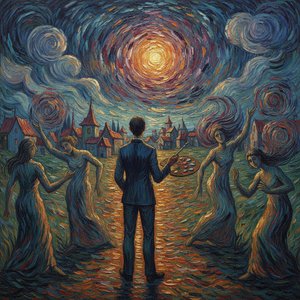
Beyond the Light: Capturing Emotion Through the Expressive Soul of Post-Impressionism
Explore the profound emotional depth of Post-Impressionism. Discover how masters like Van Gogh and Cézanne moved beyond light to capture raw feeling through color and texture. A journey into art history for the true connoisseur.