


 Eelvaade
 Saada
Saada Jaga
Jaga
 Teave teose kohta
 Juhend

 Laadi alla
 Sarnased teosed
 Röntgenuuring
 Slaidietendus
 Q&A
Q&A Statistika
Nature studies


A mesmerizing watercolor depiction by Giuseppe Arcimboldo showcases three antler-like structures crafted from meticulously arranged objects – polished antlers adorned with gold, textured antlers bearing growth rings, and smaller curved antlers—reflecting Neo-Platonic symbolism and capturing the spirit of Renaissance scientific inquiry.
 Loe lähemalt
Avastage Giuseppe Arcimboldo (1527-1593), itaalia maniirismi meister, tuntud sürrealistlike portreedega, mis on loodud puuviljadest, köögiviljadest ja esemetest. Uurige tema omapäraseid ja mõtlemapanevaid teoseid!
Giclée / Kunstiprint
Muuseumikvaliteediga giclée- või kangasprint kiire tootmisega ja paindlikud viimistlusvõimalused. ( Osta käsitsi maalatud teos Lülita digitaalse pildi juurde)




P118B €10

P118H €10

P118W €10

P438Z €10

P508JH €12

P508YH €12

P805H €10

P805Z €10

P919BZ €10

P919G €10

P919XJ €10

P959ZH €10

P968JZ €12

W106C €8

W218G €10

W218JH €8

W218Y €10

W307PJ €10

W316G €10

W316PJ €8

W316Y €10

W398PJ €8

W4111J €10

W500HY €15

W500JH €15

W692G €12

W849H €8

W940BG €15

W953PJ €8




Standardne suurus
kohandatud
CM
INCH
Vali meie eelmääratud suurused, mis vastavad teose algupärastele proportsioonidele.
Loading sizes...

laius
kõrgus
Sisestage vajalik laius ja kõrgus, et see sobiks teie raamile või seinale. Trükki saab ainult lõigata, seda ei saa kunagi pildist suuremaks teha, seega ka erineva mustega suurus kaotab osa pildist. Enne trükkimist saadame teile kinnitamiseks digitaalse näidisprojektsiooni. Sellel lehel näidatud pilt ei kujuta reaalset lõiget — seda näitab ainult näidisprojektsioon.
Ülemaailmne tarne () 2 nädala jooksul, tavalise 4/5 nädala asemel. (29 oktoober)

Tasuta ekspresssaatmine üle maailma

Kõrgekvaliteediline lina-kangas

Täielik transpordikindlustus

Tollimaksude tagastamise garantii

Värvitoime täpsuse garantii

100 päeva tagastusõigus (ainult valmistusdefektide korral)

100% raha tagasi garantii

Hulgusoodustus
 Klaasivalik on saadaval ainult kuni 110 cm suuruses teostes

Nature studies
Giclée / Kunstiprint
Reproduktsiooni suurus
-


Koguhind
€ 61
Giuseppe Arcimboldo: A Renaissance Visionary Reimagined
Giuseppe Arcimboldo (1527 – 1593), an Italian Mannerist painter, stands apart from his contemporaries not merely for stylistic innovation but for a profound engagement with the intellectual currents of his time—specifically, Neo-Platonism and the burgeoning fascination with natural science. Born in Milan during a period marked by papal ambition and artistic experimentation, Arcimboldo’s career unfolded against a backdrop of transformative change, propelling him to prominence as court painter for three Holy Roman Emperors: Maximilian I, Philip II, and Rudolf II—a testament to his ability to capture the zeitgeist and translate complex ideas into visually arresting imagery. While initially recognized for traditional portraits adhering to established conventions, Arcimboldo swiftly distinguished himself through a revolutionary approach – crafting composite heads entirely from meticulously arranged objects: fruits, vegetables, flowers, fish, musical instruments, and even books—a technique that continues to fascinate scholars and artists alike.- The Composite Head Technique: Arcimboldo’s method wasn't simply about clever visual illusion; it represented a deliberate challenge to conventional artistic representation. Rather than depicting the human face in its idealized form, he disassembled it into constituent parts—symbols of nature—creating an image that simultaneously honored classical ideals and reflected the scientific curiosity of the Renaissance.
- Symbolism Rooted in Neo-Platonism: Arcimboldo’s works resonate deeply with Neo-Platonic philosophy, which sought to reconcile pagan mythology with Christian theology by interpreting symbols as reflections of divine truths. Each element within a portrait—the fruits representing fertility and abundance, the flowers symbolizing beauty and virtue—carried specific allegorical meanings intended to convey profound spiritual concepts.
- Court Patronage & Rudolf II’s Vision: Arcimboldo's success stemmed largely from his patronage by Rudolf II, Holy Roman Emperor, who championed a humanist worldview characterized by intellectual exploration and artistic splendor. Rudolf II’s fascination with alchemy, astrology, and natural history mirrored Arcimboldo’s own stylistic ambition—to transcend mere imitation of nature and to express its underlying harmony and order.
Vertumnus: A Masterpiece of Illusion and Allegory
Among Arcimboldo's most celebrated achievements is Vertumnus (1591), an oil painting commissioned by Rudolf II that exemplifies the artist’s mastery of illusionistic technique and symbolic representation. The portrait depicts Rudolf II as a human face constructed from meticulously arranged fruits, vegetables, flowers, and musical instruments—a deliberate homage to the Roman god Vertumnus, whose name translates to “turning” or “changing,” reflecting the cyclical rhythms of nature and mirroring Rudolf II’s belief in the interconnectedness of all things. The composition is remarkably balanced, with each element carefully positioned to contribute to the overall impression of serenity and intellectual contemplation.- Illusionistic Detail: Arcimboldo achieved his breathtaking effect through painstaking layering of paint—a technique known as glazing—creating a shimmering surface that captures the subtle nuances of light and color. The artist’s meticulous attention to detail ensured that each fruit, vegetable, and instrument appeared convincingly integrated into the portrait's form.
- The God Vertumnus & Rudolf II’s Ideal: Arcimboldo’s choice of imagery—specifically Vertumnus—was not arbitrary but deliberately symbolic. The god Vertumnus represented transformation and renewal, mirroring Rudolf II’s aspiration to embody the virtues of wisdom, justice, and compassion—qualities he believed essential for governing his realm effectively.
- A Reflection of Renaissance Thought: Vertumnus stands as a powerful emblem of the Renaissance humanist spirit—a conviction that human reason could illuminate the mysteries of the cosmos and that art could serve as a conduit for conveying profound philosophical ideas.
Beyond Illusion: Arcimboldo’s Artistic Legacy
Giuseppe Arcimboldo's influence extends far beyond his own lifetime, shaping subsequent artistic trends and inspiring generations of artists to explore innovative visual strategies. His pioneering use of composite portraits established a precedent for manipulating perspective and creating imaginative representations that defied conventional conventions—a legacy that continues to resonate in contemporary art practice. Furthermore, Arcimboldo’s unwavering commitment to capturing the essence of his subject matter through symbolic imagery solidified his position as one of the foremost artists of the Mannerist movement—a period characterized by stylistic experimentation and a preoccupation with psychological depth.- Influence on Later Artists: Arcimboldo's technique served as an inspiration for artists like Rembrandt and Diego Velázquez, who similarly employed illusionistic techniques to convey emotion and psychological complexity in their portraits.
- The Mannerist Aesthetic: Arcimboldo’s work embodies the core tenets of Mannerism—a stylistic movement that prioritized expressive distortion over naturalistic representation—marking a decisive break from the idealized beauty of High Renaissance art.
- Enduring Relevance: Today, Arcimboldo's portraits continue to captivate audiences with their arresting visual impact and their profound intellectual depth—testaments to his enduring artistic genius and his ability to transcend temporal boundaries.
Discovering Arcimboldo’s Art Today
Reproductions of Arcimboldo’s masterpieces can be found in prestigious museums worldwide, including the Kunsthistorisches Museum in Vienna and the Louvre in Paris—a testament to their enduring artistic merit. Explore stunning prints and canvases that capture the vibrancy of color and the meticulous detail characteristic of his original paintings—bringing the visionary spirit of Giuseppe Arcimboldo into your home or gallery space.Korduvad küsimused
Millise riigi kunstilihubast pärineb Mannerism teos "Nature studies"?
Mannerism suunaga teos "Nature studies" on loodud kunstniku poolt, kes on pärit riigist Itaalia.
Kas teos „Nature studies“, autor Giuseppe Arcimboldo on värvikas või tumeda toonidega?
Perseptsioonilt on teose „Nature studies“, autor Giuseppe Arcimboldo ereonim brilliant.
Millisesse ruumi on „Nature studies“, autor Giuseppe Arcimboldo soovituslik paigutada?
Soovitatav paik teosele „Nature studies“, autor Giuseppe Arcimboldo on Living Room. See soovituse võib muidugi oma interjööri vajadust mööda kohandada.
Kunstniku elulugu
Varajane Elu ja Kunstiline Koolkond
Giuseppe Arcimboldo, nimi mis äratab kujundeid nii veideraid kui sügavalt imelikke, jääb renessansikunstis üheks kõige eripärasemaks figuuriks. Sündinud Milanos 1527. aastal, tema karjäär lahknes Euroopa taustal, mis oli täidetud intellektuaalse kihutusega, religioosse ümberkujundamisega ja rahutu uudishimuga loodusmaailma vastu. Kuigi teda tunnustati alguses konventsioonilisemate tööde eest – freskod katedraalides ja portreed, mis järgisid kehtivaid õukonna standardeid – Arcimboldo püsiv pärand põhineb komposiitpeade seerial, mis on täielikult ehitatud hoolikalt paigutatud objektidest: puuviljadest, köögiviljadest, lilledest, raamatutest, isegi muusikainstrumentidest. Need ei olnud pelgalt mängulised trikid; need olid keerukad allegooriad, mis olid täidetud sümboolikaga, mis resonantsi renessansimaailmavaates ja jätkab publiku võlumist tänapäevalgi. Tema isa, Biagio Arcimboldo, oli ka kunstnik, pakkudes noorele Giuseppele varajast kunstilist koolitust ja mõjutas tõenäoliselt tema esimest katsetamist vitraažakende ja freskode disainiga Milano toomkirikus alates umbes 1549. aastast. See põhiline kogemus lihvis tema tehnilisi oskusi ja silma detailidele – omadused, mis said hiljem tema ebatraditsioonilisemate loomingute tunnussildiks.Õukonna Tellimused ja Unikaalse Stiili Tõus
Arcimboldo trajektooril toimus oluline pööre 1562. aastal, kui ta määrati õukonna portretistiks Ferdinand I juures Habsburgide õukonnas Viinis. See tähistas üle kahe aastakümne kestvat perioodi teenimisest kunstilise polümaatina kolme järgneva Habsburgi valitseja jaoks: Maximilian II ja tema poeg Rudolf II. Peale portreede maalimist – kuigi ka need näitasid sageli peent ekstsentrikust – hõlmas Arcimboldo kohustused kostüümikujundust, festivalide dekoratsioone ja keiserlike kollektsioonide organiseerimist. Just selles rafineeritud maitse ja intellektuaalse uudishimu keskkonnas hakkas tema signatuurstil õitsema. Õukonna nõudlus uudsuse ja spektakli järele pakkus viljakat pinnast eksperimenteerimiseks, võimaldades tal liikuda traditsioonilisest portreekunstist oma tähistaevasse tõusnud “komposiitpeade” loomise suunas. Need ei sündinud äkilise impulsi läbi, vaid arenesid järk-järgult, tuginedes renessansiajastu kinnisideele mõistatused, arve ja peidetud tähenduste uurimisele näiliselt tavalistes objektides. Varasemate kunstnike mõju, kes katsetasid *trompe l'oeili* efekte ja moonutatud perspektiive, on tajuda, kuid Arcimboldo sünteesiti need elemendid midagi täiesti oma – unikaalse visuaalse keele, mis väljakutsus konventsionaalseid esinduse mõisteid.Sümbolismi Dekodeerimine: Rohkem Kui Silm Näeb
Arcimboldo töö diskrediteerimine pelgalt kapriisina tähendab tema sügava intellektuaalse sügavuse eiramist. Iga objekt tema komposiitportreedes oli hoolikalt valitud, koormatud sümbolilise tähendusega seoses istuja iseloomu, elukutse või sotsiaalse staatusega. Näiteks *Raamatukoguhoidja* ei ole lihtsalt raamatutest ehitatud nägu; see on peen kriitika õpetlaste pretensioonide suhtes – kommentaar nende kohta, kes koguvad teadmisi tõsiselt selle sisuga tegelemata. Loomasabad, mis moodustavad habet, tähistavad tolmuharju, vihjates hooletusse jäetud köitedele, mis kogunevad riiulitele. Samuti on tema hooajaportreed – eriti *Vertumnus*, mis kujutab keiser Rudolf II-t Rooma aiajumalana ja muutustena – rikkad botaanilise sümboolikaga, mis peegeldavad keisri patroonitši teaduse ja loodusloo üle. Neid ei olnud mõeldud koheselt dešifreerida; need olid kavandatud provotseerima mõtisklust, kutsudes vaatajaid lahkama kihte tähendusi peidetuna näiliselt mängulisse objektide paigutusse. Väga asjaolu, et inimliku sarnasuse ehitamine elutute esemete hulgast, teenis meditatsioonina kõigi asjade omavahel seotud olemuse üle – kajastus renessanssiaja neoplatonismis uskumuses universumi aluspinna harmoonia.Pärand ja Taasavastamine: Surrealismi Eelkäija
Vaatamata oma edule elukajal, Arcimboldo maine kahanes sajanditel pärast tema surma 1593. aastal. Tema tööd jäeti sageli uudishimu valdkonda – hinnati nende tehniliste oskuste poolest, kuid tagasilükatud tõsise kunstilise väärtuse puudumise tõttu. Alles 20. sajandil tekkis tema kunsti uuenenud hindamine, mida toitis surrealismi tõus. Kunstnikud nagu Salvador Dalí tundsid Arcimboldos sugulast – visionääri, kes julges väljakutsuda konventsionaalseid taju ja uurida alateadvust ootamatute kujundite ühenduste kaudu. Arcimboldo mõju on näha Dalí enda unenäolistes kompositsioonides ja tema kinnisidees metamorfoosi ja illusiooni suhtes. Tänapäeval tähistatakse Arcimboldod kunstiajaloo pöördelise figuurina – surrealismi eelkäijana, kelle uuenduslik sümbolismi kasutamine ja mänguline moonutamine jätkab kunstnike inspireerimist ja publiku võlumist üle maailma. Tema maalid on mainekates muuseumides nagu Kunsthistorisches Museum Viinis ja Louvre Pariisis, tagades et tema unikaalne visioon resonantsi ka tulevaste põlvkondade jaoks. Tema pärand on tõend kujutlusvõime kestvale jõule ja kunsti võimest muuta meie arusaama maailmast me ümber.
Giuseppe Arcimboldo
1527 - 1593 , Itaalia
Lühikest infot
- Artistic Movement Or Style: Mannerism, Surrealism
- Artists Or Movements Influenced By This Artist:
- Salvador Dalí
- Surrealism
- Date Of Birth: 5. aprill 1527
- Date Of Death: 11. juuli 1593
- Full Name: Giuseppe Arcimboldo
- Nationality: Itaallane
- Notable Artworks:
- Floral Still Life
- The Four Seasons
- Vertumnus
- The Librarian
- Place Of Birth: Milano, Itaalia
Sarnased artiklid

The Delicate Beauty of Botanical Realism: Capturing Nature's True Essence through the Lens of Art History
Explore the exquisite world of botanical realism. From scientific precision to Impressionist light, discover how master artists capture nature's true essence through timeless, hand-painted oil reproductions and historical insights for the discerning art lover.

Surrealist Dreamscapes: A Curated Journey Through the Subconscious Majesty of Surrealism
Embark on a sophisticated journey through Surrealist dreamscapes. Explore the profound symbolism of masters like Dalí and discover how to curate breathtaking, museum-quality surrealist art for your private collection with expert guidance.

Beyond Reality: A Sophisticated Exploration of the Dreamlike Architecture in Surrealist Landscapes
Embark on a sophisticated journey through the dreamlike architecture of Surrealist landscapes. Uncover the profound psychological depths and visual paradoxes of masters like Salvador Dalí in this expert exploration of art’s most captivating, impossible vistas.
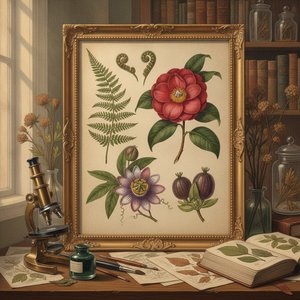
The Timeless Elegance of Victorian Botanical Painting: A Journey Through Nature's Intricate Detail and Scientific Artistry
Discover the exquisite world of Victorian botanical painting, where scientific precision meets profound aesthetic grace. Explore a journey through nature's intricate details, from legendary illustrators to the untamed beauty of Marianne North’s vibrant floral masterpieces.

The Soul of the Specimen: A Journey Through the Artistry of Naturalistic Illustration
Explore the profound beauty of naturalistic illustration. From ancient herbals to scientific masterpieces, discover how art captures the soul of nature through meticulous detail and historical grace.
Avastage teoseid, mis on koondatud teemade, stiilide ja omaduste kaupa.


