


 Vaata sisu
 Jaga teost
 Jaga
Jaga
 Detailid
 Õppekate juhend

 Laadi alla
 Sarnased teosed
 Röntgenuuring
 Slaidietendus
 Statistika
Saddle cover
 Chalk
Chalk- Mannerism
 1585
1585- Renaissance
 183.0 x 235.0 cm
 Uffizi galerii
An intricate pattern of interlocking chains and delicate tassels defines this 1585 chalk masterpiece by Giuseppe Arcimboldo, offering a mesmerizing glimpse into Mannerist detail that you can bring to your own collection.
 Loe lähemalt
Avastage Giuseppe Arcimboldo (1527-1593), itaalia maniirismi meister, tuntud sürrealistlike portreedega, mis on loodud puuviljadest, köögiviljadest ja esemetest. Uurige tema omapäraseid ja mõtlemapanevaid teoseid!
Käsitsi valmistatud õlimaalireproduktsioon
Meie kunstnike poolt tellimusel valmistatud käsitsi maalitud õli-kainaste teos teie soovitud suuruses ja raamis. ( Lülita trükkitoodetele Ülemineku digitaalse pildi müügi kanalisse)




P118B €10

P118H €10

P118W €10

P438Z €10

P508JH €12

P508YH €12

P805H €10

P805Z €10

P919BZ €10

P919G €10

P919XJ €10

P959ZH €10

P968JZ €12

W106C €8

W218G €10

W218JH €8

W218Y €10

W307PJ €10

W316G €10

W316PJ €8

W316Y €10

W398PJ €8

W4111J €10

W500HY €15

W500JH €15

W692G €12

W849H €8

W940BG €15

W953PJ €8




Standardne suurus
kohandatud
CM
INCH
Vali meie eelmääratud suurused, mis vastavad teose algupärastele proportsioonidele.
Loading sizes...

laius
kõrgus
Sisestage vajalik laius ja kõrgus, et teos sobiks teie raamile või seinale. Kuna tegu on käsipainatud teosega, siis erineva kujuga suuruse korral võib kunstnik jätta pildi ümber veidi rohkem marginaali või lõigata osa ära — valik on teie. Enne maali alustamist saadame teile kinnitamiseks digitaalse näidisprojektsiooni. Sellel lehel näidatud pilt ei kajasta tegelikku tulemust — seda näitab ainult näidisprojekttsioon.
Näited muudetavatest elementidest: asenda nägu kliendi fotoga; lisa lemmikloom (nt asenda kass koeraga); lisa taustale peidetud sõnum; muuda tausta maastikku või elemente.
Pärast tellimust saadab TopImpressionists.com meeskond kliendile e-posti juhised ning esitab eelvaate kavandi
Pärast tellimust saadab TopImpressionists.com meeskond kliendile e-posti juhised ning esitab eelvaate kavandi
Maailmline tarne 3–4 nädala jooksul tavalise 5 nädala asemel. (22 oktoober). Kvaliteedis kompromisse ei tehta.

Tasuta ekspresssaatmine üle maailma

Kõrgekvaliteediline lina-kangastest muld

Täielik transpordikindlustus

Tollimaksude tagastamise garantii

Värvitoime täpsuse garantii

100 päeva tagastusõigus (ainult defektide korral)

100% raha tagasi garantii

Hulgusoodustus
 Klaasivalik on saadaval ainult kuni 110 cm suuruses teostes

Saddle cover
Reproduktsiooni materjal
Reproduktsiooni mõõtmed
-


Lõppsumma
€ 236
A Tapestry of Texture: The Intricate World of Arcimboldo’s Saddle Cover
In the vast, storied halls of the Galleria degli Uffizi, there exist works that demand a second, more lingering glance—pieces that reveal their secrets only to those willing to surrender to their minute details. Giuseppe Arcimboldo’s Saddle cover, dating from 1585, is precisely such a masterpiece. While the artist is globally celebrated for his surrealist personifications of flora and fauna, this particular work offers a different kind of enchantment. It is an exploration of pattern, a rhythmic dance of line and light that transcends its utilitarian subject matter to become a profound study in texture and decorative elegance.
The artwork presents a breathtakingly complex arrangement of interlocking chains and braids, rendered with such precision that the eye can almost feel the tactile weight of the woven material. The composition is a marvel of Mannerist sensibility, where the boundaries between drawing and ornament blur. Through a delicate use of blue chalk, gold, and wash on paper, Arcimboldo has breathed life into a static object, creating a sense of movement through the undulating paths of the braids. The tassels at the base of the piece serve as a graceful conclusion to the visual journey, their individual strands meticulously shaded to provide a sense of depth and three-dimensional presence that anchors the entire composition.
Mastery of Medium and Mannerist Innovation
To understand the brilliance of the Saddle cover, one must appreciate the technical audacity required by Arcimboldo’s chosen medium. During the late 16th century, the use of chalk and wash to achieve such high-fidelity detail was a testament to an innovative spirit that pushed the boundaries of traditional Renaissance techniques. The artist utilizes the subtle gradations of blue chalk to simulate shadows within the crevices of the braids, while the infusion of gold adds a regal, luminous quality that catches the light, much like the actual precious textiles of the Italian courts.
This piece embodies the essence of Mannerism—a style characterized by artifice, elegance, and a sophisticated complexity. There is no grand narrative or dramatic human figure here; instead, the drama lies in the execution of the pattern itself. For the discerning collector or interior designer, this artwork offers a unique opportunity to introduce a sense of historical luxury and intellectual depth into a space. It is a work that does not shout for attention but rather rewards the quiet observer with an endless discovery of fine lines and shimmering highlights.
An Inspiration for the Modern Interior
For those seeking to curate an environment of timeless sophistication, the Saddle cover serves as an exquisite touchstone. Its palette of soft blues, golds, and muted tones allows it to integrate seamlessly into a variety of high-end decor styles, from classical European aesthetics to contemporary minimalist settings. The rhythmic, repetitive nature of the pattern provides a calming yet stimulating focal point that can anchor a room, much like a fine piece of jewelry anchors an ensemble.
Owning a high-quality reproduction of this work is more than a mere decorative choice; it is an act of preserving a fragment of Renaissance ingenuity. Whether displayed in a sunlit study or as part of a curated gallery wall, the Saddle cover brings with it the spirit of the Uffizi and the whimsical genius of Arcimboldo. It invites guests to lean in closer, to trace the intricate braids with their eyes, and to lose themselves in the magnificent, woven dream of the 16th century.
Küsimused ja vastused
Mis on teose „Saddle cover“, autor Giuseppe Arcimboldo valgusus?
Teose „Saddle cover“, autor Giuseppe Arcimboldo luminants on Luminous. Luminants kirjeldab, kui palju valgust värvid peegeldavad.
Kas teos „Saddle cover“, autor Giuseppe Arcimboldo kuulub avalikku omandisse?
Autoriõiguse teave teose „Saddle cover“, autor Giuseppe Arcimboldo kohta: teos kuulub luba ala avalikus õiguses – selle autoriõigud onหมดunud. See määrab, kas kujundist on lubatud vabadelt reproduktsioone teha.
Kust saan leida statistikat teose „Saddle cover“, autor Giuseppe Arcimboldo kohta?
Statistika teose „Saddle cover“, autor Giuseppe Arcimboldo kohta on saadaval teose Statistika lehel: teose kuukaudsed külastused, kunstniku teoste külastused ning viimaste külastajate riikide ja keelte jaotus.
Sarnased teosed


Kunstniku elulugu
Varajane Elu ja Kunstiline Koolkond
Giuseppe Arcimboldo, nimi mis äratab kujundeid nii veideraid kui sügavalt imelikke, jääb renessansikunstis üheks kõige eripärasemaks figuuriks. Sündinud Milanos 1527. aastal, tema karjäär lahknes Euroopa taustal, mis oli täidetud intellektuaalse kihutusega, religioosse ümberkujundamisega ja rahutu uudishimuga loodusmaailma vastu. Kuigi teda tunnustati alguses konventsioonilisemate tööde eest – freskod katedraalides ja portreed, mis järgisid kehtivaid õukonna standardeid – Arcimboldo püsiv pärand põhineb komposiitpeade seerial, mis on täielikult ehitatud hoolikalt paigutatud objektidest: puuviljadest, köögiviljadest, lilledest, raamatutest, isegi muusikainstrumentidest. Need ei olnud pelgalt mängulised trikid; need olid keerukad allegooriad, mis olid täidetud sümboolikaga, mis resonantsi renessansimaailmavaates ja jätkab publiku võlumist tänapäevalgi. Tema isa, Biagio Arcimboldo, oli ka kunstnik, pakkudes noorele Giuseppele varajast kunstilist koolitust ja mõjutas tõenäoliselt tema esimest katsetamist vitraažakende ja freskode disainiga Milano toomkirikus alates umbes 1549. aastast. See põhiline kogemus lihvis tema tehnilisi oskusi ja silma detailidele – omadused, mis said hiljem tema ebatraditsioonilisemate loomingute tunnussildiks.Õukonna Tellimused ja Unikaalse Stiili Tõus
Arcimboldo trajektooril toimus oluline pööre 1562. aastal, kui ta määrati õukonna portretistiks Ferdinand I juures Habsburgide õukonnas Viinis. See tähistas üle kahe aastakümne kestvat perioodi teenimisest kunstilise polümaatina kolme järgneva Habsburgi valitseja jaoks: Maximilian II ja tema poeg Rudolf II. Peale portreede maalimist – kuigi ka need näitasid sageli peent ekstsentrikust – hõlmas Arcimboldo kohustused kostüümikujundust, festivalide dekoratsioone ja keiserlike kollektsioonide organiseerimist. Just selles rafineeritud maitse ja intellektuaalse uudishimu keskkonnas hakkas tema signatuurstil õitsema. Õukonna nõudlus uudsuse ja spektakli järele pakkus viljakat pinnast eksperimenteerimiseks, võimaldades tal liikuda traditsioonilisest portreekunstist oma tähistaevasse tõusnud “komposiitpeade” loomise suunas. Need ei sündinud äkilise impulsi läbi, vaid arenesid järk-järgult, tuginedes renessansiajastu kinnisideele mõistatused, arve ja peidetud tähenduste uurimisele näiliselt tavalistes objektides. Varasemate kunstnike mõju, kes katsetasid *trompe l'oeili* efekte ja moonutatud perspektiive, on tajuda, kuid Arcimboldo sünteesiti need elemendid midagi täiesti oma – unikaalse visuaalse keele, mis väljakutsus konventsionaalseid esinduse mõisteid.Sümbolismi Dekodeerimine: Rohkem Kui Silm Näeb
Arcimboldo töö diskrediteerimine pelgalt kapriisina tähendab tema sügava intellektuaalse sügavuse eiramist. Iga objekt tema komposiitportreedes oli hoolikalt valitud, koormatud sümbolilise tähendusega seoses istuja iseloomu, elukutse või sotsiaalse staatusega. Näiteks *Raamatukoguhoidja* ei ole lihtsalt raamatutest ehitatud nägu; see on peen kriitika õpetlaste pretensioonide suhtes – kommentaar nende kohta, kes koguvad teadmisi tõsiselt selle sisuga tegelemata. Loomasabad, mis moodustavad habet, tähistavad tolmuharju, vihjates hooletusse jäetud köitedele, mis kogunevad riiulitele. Samuti on tema hooajaportreed – eriti *Vertumnus*, mis kujutab keiser Rudolf II-t Rooma aiajumalana ja muutustena – rikkad botaanilise sümboolikaga, mis peegeldavad keisri patroonitši teaduse ja loodusloo üle. Neid ei olnud mõeldud koheselt dešifreerida; need olid kavandatud provotseerima mõtisklust, kutsudes vaatajaid lahkama kihte tähendusi peidetuna näiliselt mängulisse objektide paigutusse. Väga asjaolu, et inimliku sarnasuse ehitamine elutute esemete hulgast, teenis meditatsioonina kõigi asjade omavahel seotud olemuse üle – kajastus renessanssiaja neoplatonismis uskumuses universumi aluspinna harmoonia.Pärand ja Taasavastamine: Surrealismi Eelkäija
Vaatamata oma edule elukajal, Arcimboldo maine kahanes sajanditel pärast tema surma 1593. aastal. Tema tööd jäeti sageli uudishimu valdkonda – hinnati nende tehniliste oskuste poolest, kuid tagasilükatud tõsise kunstilise väärtuse puudumise tõttu. Alles 20. sajandil tekkis tema kunsti uuenenud hindamine, mida toitis surrealismi tõus. Kunstnikud nagu Salvador Dalí tundsid Arcimboldos sugulast – visionääri, kes julges väljakutsuda konventsionaalseid taju ja uurida alateadvust ootamatute kujundite ühenduste kaudu. Arcimboldo mõju on näha Dalí enda unenäolistes kompositsioonides ja tema kinnisidees metamorfoosi ja illusiooni suhtes. Tänapäeval tähistatakse Arcimboldod kunstiajaloo pöördelise figuurina – surrealismi eelkäijana, kelle uuenduslik sümbolismi kasutamine ja mänguline moonutamine jätkab kunstnike inspireerimist ja publiku võlumist üle maailma. Tema maalid on mainekates muuseumides nagu Kunsthistorisches Museum Viinis ja Louvre Pariisis, tagades et tema unikaalne visioon resonantsi ka tulevaste põlvkondade jaoks. Tema pärand on tõend kujutlusvõime kestvale jõule ja kunsti võimest muuta meie arusaama maailmast me ümber.
Giuseppe Arcimboldo
1527 - 1593 , Itaalia
Lühikest infot
- Artistic Movement Or Style: Mannerism, Surrealism
- Artists Or Movements Influenced By This Artist:
- Salvador Dalí
- Surrealism
- Date Of Birth: 5. aprill 1527
- Date Of Death: 11. juuli 1593
- Full Name: Giuseppe Arcimboldo
- Nationality: Itaallane
- Notable Artworks:
- Floral Still Life
- The Four Seasons
- Vertumnus
- The Librarian
- Place Of Birth: Milano, Itaalia
Sarnased artiklid
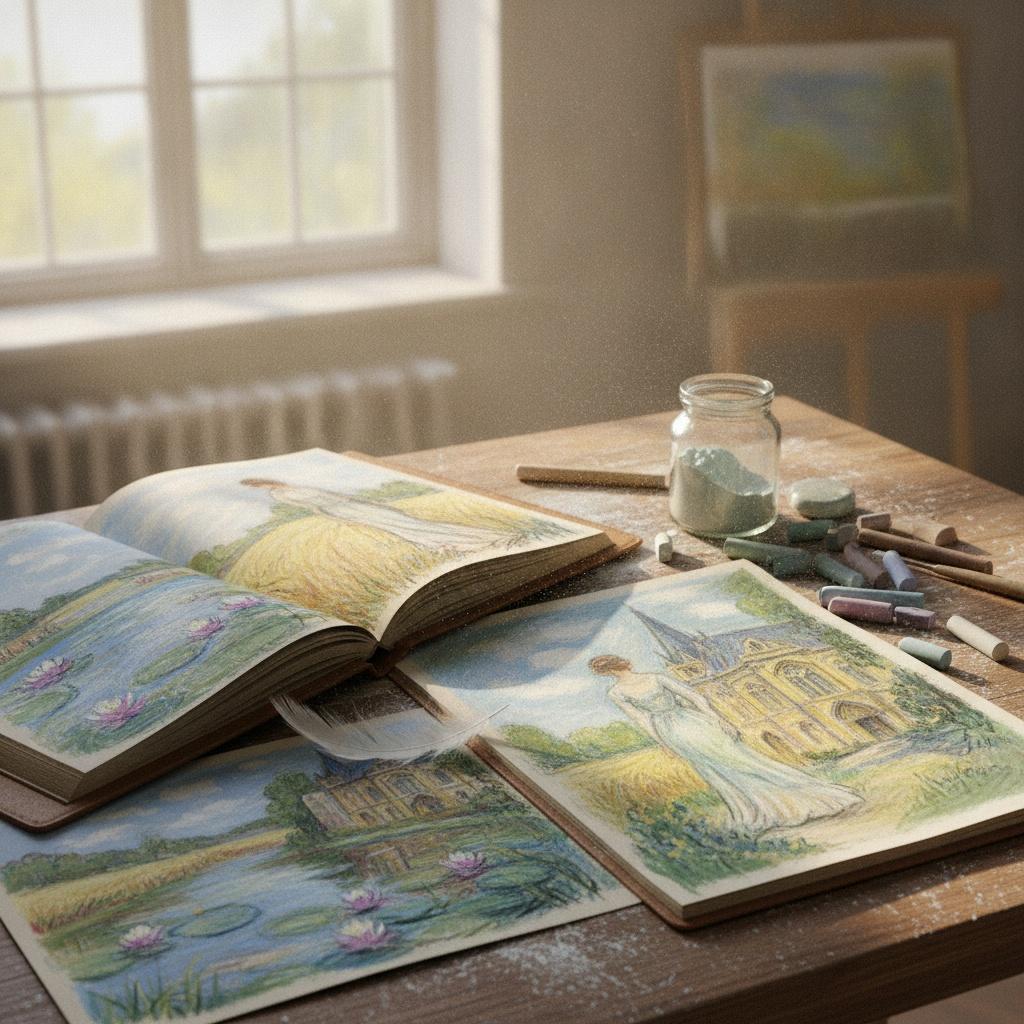
The Soft Magic of Chalk: Capturing Light, Texture, and the Ethereal Soul of Impressionist Masterpieces
Discover the ethereal beauty of pastel and chalk art. Explore how Impressionist masters like Van Gogh and Degas captured light and texture to create timeless, soulful masterpieces for the discerning collector.
Avastage teoseid, mis on koondatud teemade, stiilide ja omaduste kaupa.


