
 Eelvaade
 Saada
Saada Jaga
Jaga
 Teave teose kohta
 Juhend

 Laadi alla
 Sarnased teosed
 Röntgenuuring
 Slaidietendus
 Q&A
Q&A Statistika
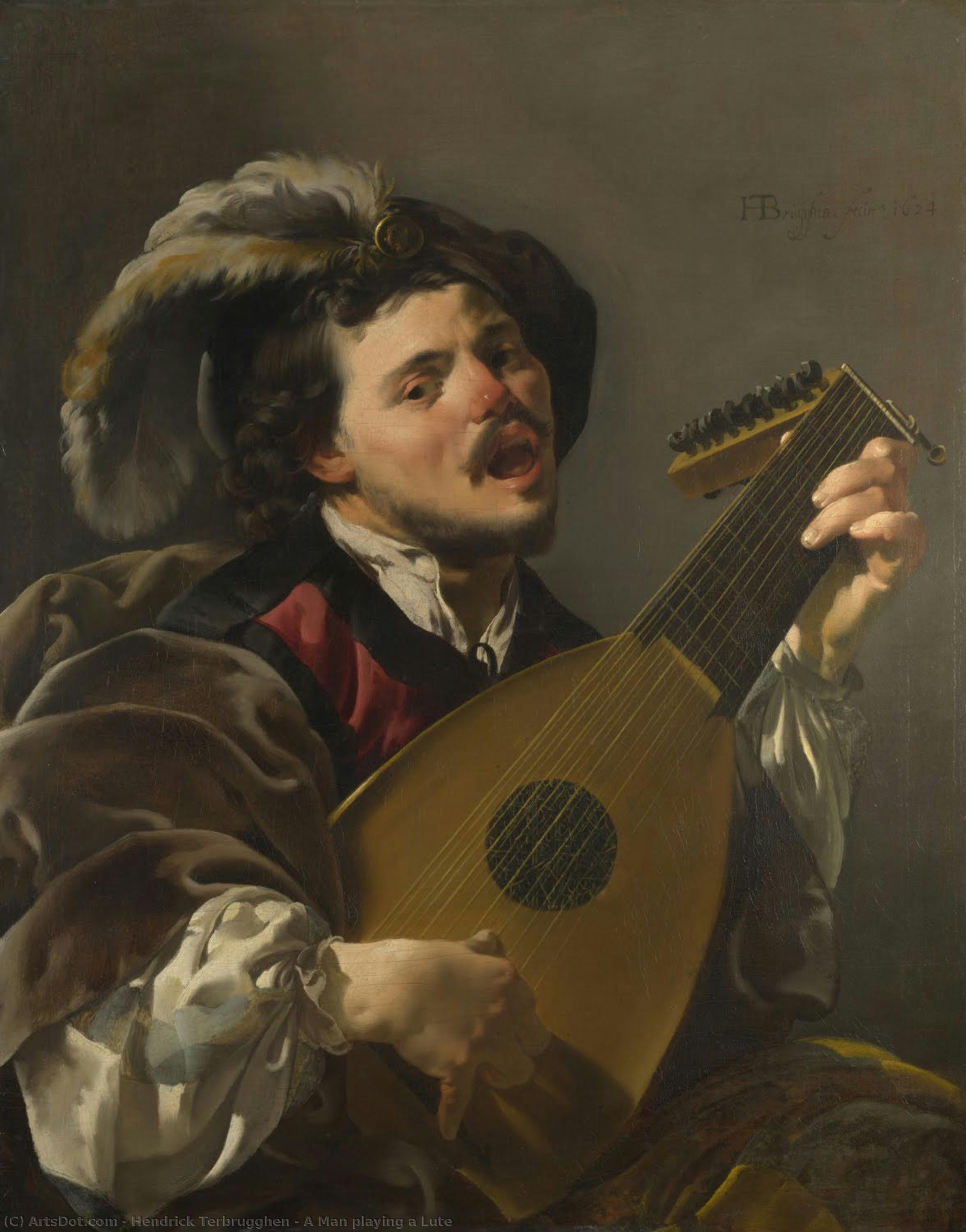
A Man playing a Lute

- 100.0 x 78.0 cm


Hendrick Terbrugghen's masterpiece, ‘A Man Playing a Lute,’ exemplifies the Utrecht Caravaggisti movement. Painted in 1624, it captures a male musician engrossed in his instrument—a lute—with masterful use of chiaroscuro reminiscent of Caravaggio’s style.
 Loe lähemalt
Avasta Hendrick Terbruggheni: Hollandse kultusajastiku maaler, teada dramaatilist valga ja varju, Caravaggio-inspireeritud stiil. Uuringa tema 'Annunciation' ja 'Singing Lute Player'. #HollandseKunst #Caravaggisti
Giclée / Kunstiprint
Muuseumikvaliteediga giclée- või kangasprint kiire tootmisega ja paindlikud viimistlusvõimalused. ( Osta käsitsi maalatud teos Lülita digitaalse pildi juurde)




P118B €10

P118H €10

P118W €10

P438Z €10

P508JH €12

P508YH €12

P805H €10

P805Z €10

P919BZ €10

P919G €10

P919XJ €10

P959ZH €10

P968JZ €12

W106C €8

W218G €10

W218JH €8

W218Y €10

W307PJ €10

W316G €10

W316PJ €8

W316Y €10

W398PJ €8

W4111J €10

W500HY €15

W500JH €15

W692G €12

W849H €8

W940BG €15

W953PJ €8




Standardne suurus
kohandatud
CM
INCH
Vali meie eelmääratud suurused, mis vastavad teose algupärastele proportsioonidele.
Loading sizes...

laius
kõrgus
Sisestage vajalik laius ja kõrgus, et see sobiks teie raamile või seinale. Trükki saab ainult lõigata, seda ei saa kunagi pildist suuremaks teha, seega ka erineva mustega suurus kaotab osa pildist. Enne trükkimist saadame teile kinnitamiseks digitaalse näidisprojektsiooni. Sellel lehel näidatud pilt ei kujuta reaalset lõiget — seda näitab ainult näidisprojektsioon.
Ülemaailmne tarne () 2 nädala jooksul, tavalise 4/5 nädala asemel. (2 november)

Tasuta ekspresssaatmine üle maailma

Kõrgekvaliteediline lina-kangas

Täielik transpordikindlustus

Tollimaksude tagastamise garantii

Värvitoime täpsuse garantii

100 päeva tagastusõigus (ainult valmistusdefektide korral)

100% raha tagasi garantii

Hulgusoodustus
 Klaasivalik on saadaval ainult kuni 110 cm suuruses teostes

A Man playing a Lute
Giclée / Kunstiprint
Reproduktsiooni suurus
-


Koguhind
€ 61
The Melodic Shadows of the Utrecht Caravaggisti
In the quiet intimacy of 1624, Hendrick Terbrugghen captured a moment of profound musical devotion that transcends the centuries. A Man playing a Lute is not merely a portrait of a musician; it is a masterclass in the dramatic interplay of light and shadow, a hallmark of the Utrecht Caravaggisti movement. As the man cradles his instrument, the viewer is drawn into a private world where the only sound is the imagined resonance of plucked strings. The composition breathes with an elegance that speaks to the sophisticated tastes of the Dutch Golden Age, offering a window into a period where art sought to bridge the gap between the earthly and the divine through the visceral beauty of everyday life.
The technique employed by Terbrugghen is nothing short of breathtaking. Utilizing the chiaroscuro method—a technique perfected by Caravaggio and brought to the Netherlands by artists like Terbrugghen—the painter uses deep, velvety shadows to sculpt the figure from the darkness. This high-contrast approach directs our gaze toward the vibrant textures of the subject's attire: the rich, crimson fabric of his clothing and the soft, tactile presence of his fur-trimmed hat. Every brushstroke serves to highlight the intricate craftsmanship of the lute itself, making the instrument feel heavy, tangible, and central to the soul of the painting.
A Symphony of Color and Texture
For the discerning collector or interior designer, this piece offers a magnificent palette of warm tones that can anchor a room with a sense of historical prestige. The deep reds and earthy ochres create an atmosphere of warmth and luxury, making it an ideal centerpiece for a study, a library, or a formal dining area. The visual weight of the lute, which occupies a significant portion of the canvas, provides a structural focal point that commands attention without overwhelming the surrounding decor. It is a work that invites contemplation, encouraging guests to linger on the fine details of the man's concentrated expression and the delicate anatomy of his hands.
Beyond its aesthetic appeal, the painting carries a symbolic weight common in seventeenth-century Dutch art. The lute often served as a metaphor for harmony—both musical and social. To possess such a work is to invite a sense of balance and refined culture into one's space. Whether viewed as a historical artifact or a stunning decorative element, A Man playing a Lute remains a timeless testament to the power of light to reveal the hidden beauty in a single, fleeting moment of artistic expression.
Korduvad küsimused
Kas on olemas sarnaseid teoseid kui "A Man playing a Lute"?
Teosed, mis sarnanevad teosega „A Man playing a Lute“, autor Hendrick Terbrugghen, on koondatud selle teose lehel Sarnased teosed.
Kes on teose "A Man playing a Lute" autor ja millises stiilis see on kujutatud?
Teose "A Man playing a Lute" taga on kunstnik Hendrick Terbrugghen ja Baroque suundumus.
Kuhu kohta „A Man playing a Lute“, autor Hendrick Terbrugghen reproduktsioon peaks rikutud?
Formaat (Portrait) ja soovitatav ruum (Living Room) on teose „A Man playing a Lute“, autor Hendrick Terbrugghen kohta kirjutatud kaks paigutusandmet.
Kunstniku elulugu
varajae elu ja mõjud
Hendrick Jansz Ter Brugghen, Hollandi kuldkella ajastu üks silmapaistvamaid kujundajaid, sündis 1588. aastal Overijsselis, Hollandis. Tema isa, Jan Egbertsz Ter Brugghen, teenis Utrechti õukonnas sekretärina prints William Silentiga. See lähedine poliitilise ja kultuurilise elu keskusele mõjutas tõenäoliselt Hendricki varajast huvi kunsti vastu.kunstiline karjäär ja stiil
Ter Bruggheni kunstiline teekond algas manneristliku maalikuja Abraham Bloemaerti õppetööga. Hiljem sai ta üheks juhtivaks liikmeks Utrechti Caravaggiste rühmituses, mis koosnes hollandi maalijatest, kes olid saanud inspiratsiooni suurest itaaliasest meistrist Caravaggiost. Tema teoseid iseloomustab dramaatiline valgus- ja varjundkasutus, nagu on nähtav tema maalingutes nagu Annunsiatsioon (Alte Pinakothek, München, Saksamaa) ja Reveller (Alte Pinakothek, München, Saksamaa).olulised teosed ja pärand
- Laulav lüütnäitaj (The Kremer Collection, Amsterdam, Holland), mis on autograafiline replika Londoni National Gallerys asuvast maalist, esitledes tema rikkalikku värvikust.
- Annunsiatsioon, tõeline meistriteos, mis peegeldab tema täiuslikku kontrolli Caravaggio stiilis.
muuseumid ja kogumikud, kus Ter Bruggheni teoseid näitakse
- Mauritshuis (Haag, Holland), kus on näitaval Nymph and Satyr teos autorilt Sir Peter Paul Rubens.
- The Kremer Collection (Amsterdam, Holland), kus hoiustatakse Ter Bruggheni teost Laulav lüütnäitaj.
- Avastage veel Ter Bruggheni teoseid saidukal TopImpressionists.com
- Avastage Hollandi kuldkella ajastu maalikunst ja selle mõjud TopImpressionists.com ajaloolises osas
- Lugege teiste kunstikodade kohta, nagu Utrechti Caravaggiste kolleeg Dirck van Baburen, TopImpressionists.com lehelt
johtlõpus
Ter Bruggheni salapärane elu ja tema olulised panused Hollandi kuldkella ajastu maalikunsti arendamisele on jätnud tematu jälje kunstile. Tema dramaatiline valgus- ja varjundkasutus jätkub inspireerimas nii kunstnikke kui ka kunstihuvilisi, muutes ta üheks kunstimaailma lummavaks tegelaseks.
Hendrick Terbrugghen
1627 - 1629 , Eesti
Lühikest infot
- Artistic Movement Or Style: Caravaggisti maaling
- Artists Or Movements Influenced By This Artist: Rembrandt van Rijn
- Artists Who Influenced This Artist: Abraham Bloemaert
- Date Of Birth: 1588
- Date Of Death: November 1629
- Full Name: Hendrick Jansz Terbrugghen
- Nationality: Hollandlane
- Notable Artworks:
- Laulav lüütnäkij
- Annunratsioon
- David, kelle austavad israelilased naised
- Place Of Birth: Overijssel, , ,
Sarnased artiklid

Mastering Light & Shadow: A Journey Through the Dutch Golden Age's Luminous Legacy
Embark on a cultural journey through the Dutch Golden Age. Explore the masterful interplay of light and shadow in 17th-century masterpieces, from Rembrandt to Vermeer, and discover how this era of profound realism continues to inspire fine art collectors today.

Golden Light & Dutch Skies: The Timeless Magic of Dutch Golden Age Landscapes
Discover the breathtaking beauty of Dutch Golden Age landscapes. Explore the mastery of light, chiaroscuro, and 17th-century realism through an expert art history lens, celebrating the enduring legacy of the Dutch Masters for discerning collectors and art lovers.
Avastage teoseid, mis on koondatud teemade, stiilide ja omaduste kaupa.
