

 Eelvaade
 Saada
Saada Jaga
Jaga
 Teave teose kohta
 Juhend

 Laadi alla
 Sarnased teosed
 Röntgenuuring
 Slaidietendus
 Statistika
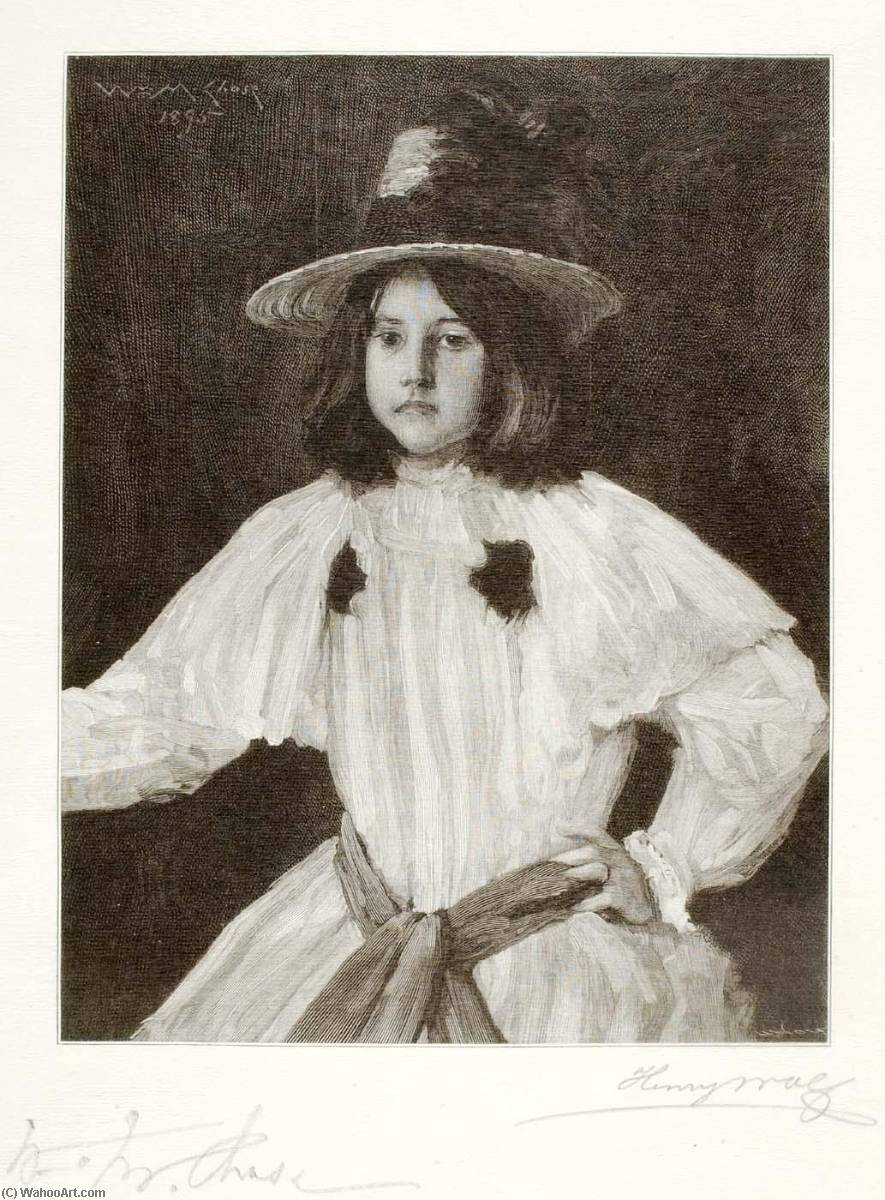
Alice
 Woodcut
- Academic Portraiture
 1892
1892- 19th Century
 18.0 x 14.0 cm
Discover 'Alice' by Henry Wolf - a captivating 1892 wood engraving from the Smithsonian! Admire intricate detail & Victorian charm in this stunning portrait.
 Loe lähemalt
Henry Wolf (1925-2005): Austria päritolu ameerika graafiline disainer ja kunstijuht, kes revolutsioneeris ajakirjade kujundust Esquire'i, Harper’s Bazaar’i ja teiste kaudu julgete paigutuste ning võluva fotograafiaga. Keskaegse modernismi ikoon.
Sellel lehel kuvatav kunstiteos on kaitstud autoriõigusega, mis tähendab, et meil ei ole seaduslikku õigust luua või müüa identset reproduktsiooni. Seda kaitset rakendatakse rahvusvaheliste kokkulepete alusel, nagu näiteks Berne konventsioon ning riiklike seadustega, sealhulgas nendega, mida on sätestatud USA autoriõiguse seadus – 17. peatükk.
See meetod järgib täielikult autoriõiguse reegleid, kuna see ei põhine kaitstud kunstiteose kopeerimisel või dupliteerimisel. Selle asemel on tegu loova reinterpreetatsiooniga – uue maaldisega, mis on algteosest inspireeritud, kuid ei ole sellest identiline.
Giclée / Kunstiprint
Muuseumikvaliteediga giclée- või kangasprint kiire tootmisega ja paindlikud viimistlusvõimalused. ( Osta käsitsi maalatud teos Lülita digitaalse pildi juurde)




































Standardne suurus
kohandatud
CM
INCH
Vali meie eelmääratud suurused, mis vastavad teose algupärastele proportsioonidele.
Loading sizes...

laius
kõrgus
Sisestage vajalik laius ja kõrgus, et see sobiks teie raamile või seinale. Trükki saab ainult lõigata, seda ei saa kunagi pildist suuremaks teha, seega ka erineva mustega suurus kaotab osa pildist. Enne trükkimist saadame teile kinnitamiseks digitaalse näidisprojektsiooni. Sellel lehel näidatud pilt ei kujuta reaalset lõiget — seda näitab ainult näidisprojektsioon.
Ülemaailmne tarne () 2 nädala jooksul, tavalise 4/5 nädala asemel. (28 oktoober)

Tasuta ekspresssaatmine üle maailma

Kõrgekvaliteediline lina-kangas

Täielik transpordikindlustus

Tollimaksude tagastamise garantii

Värvitoime täpsuse garantii

100 päeva tagastusõigus (ainult valmistusdefektide korral)

100% raha tagasi garantii

Hulgusoodustus
 Klaasivalik on saadaval ainult kuni 110 cm suuruses teostes

Alice
Giclée / Kunstiprint
Reproduktsiooni suurus
-


Koguhind
€ 61
Alice by Henry Wolf: A Victorian Portrait in Wood Engraving
“Alice,” created by Henry Wolf in 1892, is a captivating wood engraving that transports viewers to the elegance of the Victorian era. This piece, currently residing at the Smithsonian American Art Museum, exemplifies Wolf’s skill and attention to detail, offering a glimpse into a bygone time through a beautifully rendered portrait.
Artist Background: Henry Wolf's Journey
Henry Wolf (1852-1916) was a French-born wood engraver who significantly contributed to American art. Born in Eckwersheim, France, he studied under Jacques Levy and exhibited his work in Paris before immigrating to New York City in 1871. He became renowned for his ability to reproduce works by prominent artists through the intricate medium of wood engraving. Wolf’s legacy extends beyond this single piece; he was a master craftsman who helped popularize art reproduction during an era when access to original artworks was limited.
Description and Technique: A Study in Detail
The artwork depicts a young girl, presumably named Alice, wearing a hat and gazing directly at the viewer with a serious expression. The engraving showcases Wolf’s mastery of woodcutting techniques. He meticulously carved lines into blocks of wood, which were then inked and pressed onto paper to create the image. This process required immense precision and skill, as each line contributed to the overall tonal range and texture of the portrait. The grayscale palette enhances the sense of timelessness and adds a touch of solemnity to the subject’s demeanor. The level of detail in the girl's clothing and facial features is remarkable, demonstrating Wolf’s dedication to realism.
Historical Context and Symbolism
“Alice” reflects the artistic trends prevalent during the late 19th century, a period characterized by academic portraiture and a focus on realistic representation. Wood engraving was a popular medium for reproducing illustrations in magazines and books, making art more accessible to a wider audience. The subject’s attire suggests a middle-class Victorian upbringing, while her direct gaze conveys a sense of quiet dignity and perhaps introspection. While overt symbolism is minimal, the portrait evokes feelings of nostalgia and reverence for traditional values.
Similar Artists and Styles
For those appreciating Wolf's style and skill, exploring works by other artists from this period can provide further context and enjoyment:
- James McNeill Whistler: Known for his atmospheric landscapes and portraits, Whistler’s emphasis on tonal harmony resonates with the subtle gradations of tone in “Alice.”
- Boris Gorelick: Gorelick's expressive style and use of texture offer a contrasting yet complementary perspective on portraiture.
- Gabor Peterdi: A master printmaker, Peterdi’s work shares Wolf’s dedication to technical precision and detailed observation.
“Alice” by Henry Wolf is more than just a portrait; it's a testament to the artistry of wood engraving and a window into Victorian society. Its enduring appeal lies in its exquisite detail, historical significance, and ability to evoke a sense of quiet contemplation.
Korduvad küsimused
Millissele perioodile Henry Wolf karjäärist kuulub teos "Alice"?
Henry Wolf loomingus kuulub teos "Alice" perioodi Early Period. See etap aitab seda võrdida kunstniku teiste töödega.
Millisesse ruumi on teose „Alice“, autor Henry Wolf värvide tõttu soovituslik paigutada?
Teose „Alice“, autor Henry Wolf Neutrals värvigamma sobib suurepäraselt selle soovituslikule ruumile: Living Room.
Mis tüüpi teos on „Alice“, autor Henry Wolf?
„Alice“, autor Henry Wolf on klassifitseeritud kui wall art. See kategooria kirjeldab originaalteose kunstivormi.
Kunstniku elulugu
Varajane Elu ja Paguluse Mõjud
Henry Wolfi elutee oli dramaatiliselt kujundatud ümberasumise ja uuestisündimisest, narratiiv, mis sügavalt mõjutas tema läbimurdelist tööd graafilises disainis ja kunstijuhtimises. Sündinud 1925. aastal Viinis kindlasse, jõukasse juudi perekonda, koges noor Henry kultuurilise kasvatuselu idüllilisi mugavusi kuni Natsi võimu külma saabumiseni 1938. aastal. Äkiline võimulõks purustas selle maailma, sundides tema perekonna rasketel teekondadel läbi Prantsusmaa ja Põhja-Aafrika, otsides kaitset tagakiusamise eest. Need aastad, mis olid täis ebakindlust ja raskusi – sealhulgas kinnipidamislagereis – andsid talle sügava tundlikkuse visuaalse kommunikatsiooni suhtes, võib-olla vahendina üha kaootilisema reaalsusega navigeerimiseks. Lõplik kolimine Amerika Ühendriikidesse 1941. aastal pakkus turvapaika, kuid nõudis kohanemist ja leiutamist. See varajane kogemus ei olnud pelgalt biograafiline detail; see oli ahju, milles Wolfi esteetiline tundlikkus sepistati – Euroopa keerukuse segu Ameerika dünaamikaga. Ta teenis armees 1943–1946, laiendades oma perspektiivi veelgi enne kunstikarjääri alustamist.Fotograafilisest Mentorsusest Ajakirjade Revolutsioonini
Sõjajärgne New York sai Wolfi loovlaboriks. Ta alustas professionaalset teekonda fotograafia maailma gigantide õpetuse all: Richard Avedon, Melvin Sokolsky ja Art Kane. Need meistrid andsid talle mitte ainult tehnilisi oskusi, vaid ka silma kompositsiooni, valgustuse ja jutustamise suhtes – elemendid, mis said Wolfi enda stiili tunnusjoonteks. Tema läbimurre saabus 1952. aastal tema ametisse nimetamisega Esquire ajakirja kunstijuhatajana. Sel ajal Esquire läbis Arnold Gingrichi juhtimisel transformatsiooni, otsides oma imago tõstmist pelgalt sensatsioonilisusest kaugemale. Wolf haaras selle võimaluse, süstis väljaandesse uue taseme keerukust visuaalses identiteedis. Ta liikunud uuenduslikku kirjutamist ja sentimentaalset illustratsiooni eemal, omaks võttes julgeid paigutusi, elegantset tüpograafiat ja silmatorkavat fotograafiat. Tema kaaned olid eriti uuenduslikud, kasutades sageli nutikat fotograafilist kontseptsiooni, mis viitasid pehmelt ajakirja ikoonilisele vuntsidega maskotile Esky-le. See ei olnud lihtsalt esteetika küsimus; see oli teadlik katse määratleda uus standard meesteajakirjade jaoks – üks, mis hindas intelligentsust, stiili ja visuaalset kunstipärasust.Kolme mõju trilogia: Harper’s Bazaar, Show ja kaugemale
Wolfi mõju ei peatunud Esquire-l. 1958. aastal asus ta Alexey Brodovitchi järglasena Harper’s Bazaar kunstijuhataja ametisse, positsioon, mis võimaldas tal oma esteetilist tundlikkust täiendavalt viimistleda kõrge moe valdkonnas. Ta tegi koostööd juhtivate fotograafide ja illustraatoritega, luues visuaalselt vapustavaid levitamisi, mis nihutasid toimetusliku disaini piire. Kolm aastat hiljem võttis ta ette veel ühe ambitsioosse projekti: Huntington Hartfordi Show ajakirja käivitamise. See uus ettevõtmine andis Wolfile enneolematu loovvabaduse uurida uuenduslikke visuaalseid kontseptsioone ja väljakutseda konventsionaalseid norme. Kuid tema aeg reklaamis – esmalt McCann-Ericksonis 1965. aastal, seejärel partnerina Trahey/Wolfis – demonstreeris tema mitmekülgsust. Ta tõi sama täpse tähelepanu detailidele ja kontseptuaalse ranguse kampaaniate jaoks sellistele kaubamärkidele nagu Alka Seltzer, Buick, Gillette ja Coca-Cola, tõestades, et tema disainipõhimõtted ületasid toimetusliku töö piire.Pärand ja õpetamine: visiooni edasi andmine
1971. aastal asutas Wolf Henry Wolf Productionsi stuudio, mis oli pühendatud fotograafiale, filmile ja disainile, võimaldades tal jätkata isiklikke projekte ja uurida uusi loovaväljakutseid. Samal ajal tunnistas ta ka tulevaste kujundajate kasvatamise tähtsust. Ta jagas heldelt oma teadmisi Parsonsi Disainikoolis, School of Visual Artsis ja Cooper Unionis, inspireerides lugematuid õpilasi tema kirge visuaalse kommunikatsiooni vastu. Tema õpetamisfilosoofia rõhutas probleemide lahendamist, kontseptuaalset mõtlemist ja vankumatut täiuslikkuse otsingut. Wolfi panus tunnustati kogu tema karjääri jooksul laialdaselt, kulmineerudes 1976. aastal American Institute of Graphic Artsi medaliga elusaavutuste eest ning 1980. aastal Art Directors Clubi kuulsuste halli sissepääsmisega. Tema surm 2005. aastal tähistas ajastu lõppu, kuid tema pärand jätkab resonantsi graafilise disaini maailmas. Ta jättis maha töökorpuse, mis on tunnistuseks visuaalse jutustamise jõust, elegantsest tüpograafiast ja uuenduslikust paigutusest – põhimõtetest, mis jäävad tänapäeval asjakohaseks ja inspireerivaks.Püsiv mõju visuaalkultuurile
Henry Wolfi mõju ulatub kaugele ajakirjade lehekülgedest, mida ta transformeeris. Ta muutis põhimõtteliselt toimetusliku disaini maastikku, tõstes selle puhtalt funktsionaalsest käsitööst keeruka kunstivormiks. Tema rõhk visuaalse selguse, kontseptuaalse ranguse ja elegantse esteetika peale jätkab kaasaegsete graafilise disaini tavade kujundamist.- Tema töö näitas, et tõhus kommunikatsioon ei seisnenud mitte ainult teabe edastamises; see oli emotsionaalse ühenduse loomises publikuga.
- Ta propageeris koostööd kujundajate, fotograafide ja illustraatorite vahel, tunnustades, et kõige veenvamad visuaalsed narratiivid tulid erinevate talentide süntesist.
- Wolfi pühendumine õpetamisele tagas, et tema põhimõtted edasi antaks tulevaste kujundajate poolt, kinnistades ta tõelise pioneerina valdkonnas.

Henry Wolf
1925 - 2005 , Austria
Lühikest infot
- Artistic Movement Or Style: Ajakirja disain
- Artists Or Movements Influenced By This Artist: ['Ajakirja disain']
- Artists Who Influenced This Artist:
- Richard Avedon
- Melvin Sokolsky
- Art Kane
- Date Of Birth: 23. mai 1925
- Date Of Death: 14. veebruar 2005
- Full Name: Henry Wolf
- Nationality: Austria-Ameerika
- Notable Artworks:
- Esquire kujundused
- Harper's Bazaar disainid
- Place Of Birth: Viin, Austria
Sarnased artiklid

Henry Wolf: A Legacy of Abstract Expressionism & Emotional Resonance in Post-War Art
Explore the profound legacy of Henry Wolf, a pivotal figure in Abstract Expressionism and post-war visual culture. Discover his impact on graphic design, photography, and art collecting with TopImpressionists.

Henri Matisse: 25 meistriteost värviküllase kunsti maailmast | TopImpressionists
Avastage Henri Matisse 25 ikoonilist teost! Sukelduge värviküllase Fauvismi maailma, modernse kunsti ajaloosse ja inspireerige oma interjööri. Kvaliteetsed kunstireprodutsioonid TopImpressionists.com-is. Avasta kogu kollektsioon online!

Engraving's Golden Age: 10 Masterpieces That Redefined Art | TopImpressionists
Journey through art history with our Top 10 Legendary Engravings! Explore masterpieces by Dürer, Rembrandt & Goya. Discover the stories behind these iconic prints and find museum-quality reproductions for your home at TopImpressionists.com.

Engraving: A Historical Survey of Technique, Artistic Expression & Enduring Legacy
Explore the rich history of engraving with TopImpressionists. Discover techniques, iconic artists like Dürer & Callot, collecting tips, and expert guidance for preserving your art investment. Learn about intaglio printing & more!

The Intricate World of Engraving: A Historical Survey of Technique, Artistic Expression & Enduring Legacy
Explore the rich history of engraving with TopImpressionists. Discover techniques, iconic artists like Dürer & Callot, collecting tips, and expert guidance for preserving your art investment. Learn about intaglio printing & more!