


 Eelvaade
 Saada
Saada Jaga
Jaga
 Teave teose kohta
 Juhend

 Laadi alla
 Sarnased teosed
 Röntgenuuring
 Slaidietendus
 Statistika
Girl at a Table


Hermann Max Pechstein's 'Girl at a Table,' painted in 1910, showcases bold colors and expressive lines. Featuring Lotte Kaprolat as his model, this masterpiece embodies Pechstein’s refined artistic sensibilities.
 Loe lähemalt
Avastage Hermann Max Pechsteini (1881-1955) ekspressionistlik kunst. Die Brücke üks peamisi liikmeid, tema maalid on täis julgeid värve, akte ja maastikke, mis peegeldavad pärast I sõda Saksamaad. Avastage tema pärand juba täna!
Giclée / Kunstiprint
Muuseumikvaliteediga giclée- või kangasprint kiire tootmisega ja paindlikud viimistlusvõimalused. ( Osta käsitsi maalatud teos Lülita digitaalse pildi juurde)




P118B €10

P118H €10

P118W €10

P438Z €10

P508JH €12

P508YH €12

P805H €10

P805Z €10

P919BZ €10

P919G €10

P919XJ €10

P959ZH €10

P968JZ €12

W106C €8

W218G €10

W218JH €8

W218Y €10

W307PJ €10

W316G €10

W316PJ €8

W316Y €10

W398PJ €8

W4111J €10

W500HY €15

W500JH €15

W692G €12

W849H €8

W940BG €15

W953PJ €8




Standardne suurus
kohandatud
CM
INCH
Vali meie eelmääratud suurused, mis vastavad teose algupärastele proportsioonidele.
Loading sizes...

laius
kõrgus
Sisestage vajalik laius ja kõrgus, et see sobiks teie raamile või seinale. Trükki saab ainult lõigata, seda ei saa kunagi pildist suuremaks teha, seega ka erineva mustega suurus kaotab osa pildist. Enne trükkimist saadame teile kinnitamiseks digitaalse näidisprojektsiooni. Sellel lehel näidatud pilt ei kujuta reaalset lõiget — seda näitab ainult näidisprojektsioon.
Ülemaailmne tarne () 2 nädala jooksul, tavalise 4/5 nädala asemel. (28 oktoober)

Tasuta ekspresssaatmine üle maailma

Kõrgekvaliteediline lina-kangas

Täielik transpordikindlustus

Tollimaksude tagastamise garantii

Värvitoime täpsuse garantii

100 päeva tagastusõigus (ainult valmistusdefektide korral)

100% raha tagasi garantii

Hulgusoodustus
 Klaasivalik on saadaval ainult kuni 110 cm suuruses teostes

Girl at a Table
Giclée / Kunstiprint
Reproduktsiooni suurus
-


Koguhind
€ 61
A Portrait of Confidence: Exploring Hermann Max Pechstein’s ‘Girl at a Table’
Hermann Max Pechstein (1881–1955), a pivotal figure in German Expressionism, produced countless canvases that grapple with themes of modernity and psychological depth. Among his most celebrated works is “Girl at a Table,” painted in 1910 – a piece that transcends mere representation to embody the spirit of its time and Pechstein’s distinctive artistic vision. This essay delves into the intricacies of this painting, examining its stylistic elements, technical innovations, historical significance, and enduring emotional resonance.- Style & Context: “Girl at a Table” firmly establishes itself within the Expressionist movement, rejecting Impressionistic ideals for a bold embrace of emotion and distortion. Born in Zwickau, Pechstein’s formative years were marked by poverty and hardship – experiences that profoundly influenced his artistic sensibilities. The painting emerged during a period of intense social upheaval following World War I, mirroring anxieties about societal change and the fragility of human existence. It reflects the broader Expressionist preoccupation with portraying inner turmoil alongside external realities.
- Composition & Technique: Pechstein’s masterful use of color is immediately striking. He employs vibrant hues—primarily reds and yellows—to imbue the scene with an energetic dynamism that contrasts sharply with the muted tones characteristic of earlier artistic traditions. The painting utilizes thick impasto, applying paint directly onto the canvas in textured layers, creating a palpable physicality that conveys both visual richness and emotional intensity. This technique is particularly evident in the depiction of the table cloth and highlights Pechstein’s commitment to conveying tactile sensations.
- Subject Matter & Symbolism: The central figure—a young woman seated at a table—commands immediate attention. Her gaze directs outwards, suggesting contemplation and perhaps even defiance. The inclusion of two bowls on the table adds subtle symbolic layers, hinting at nourishment and reflection – concepts crucial to understanding Pechstein’s artistic concerns. Furthermore, the woman's posture exudes confidence and composure, mirroring the broader Expressionist desire to portray individuals confronting existential dilemmas with courage and conviction.
- Historical Significance: “Girl at a Table” stands as a testament to Pechstein’s engagement with contemporary social issues. It captures the anxieties of a generation grappling with disillusionment after the horrors of war, yet simultaneously celebrates beauty and vitality. The painting's stylistic innovations—particularly its bold color palette and expressive brushwork—challenged prevailing artistic conventions and paved the way for subsequent developments in Expressionist art.
- Emotional Impact: Ultimately, “Girl at a Table” succeeds in conveying a profound sense of psychological complexity. Pechstein’s ability to capture subtle nuances of emotion – trust, contemplation, and perhaps even vulnerability—elevates the painting beyond mere visual spectacle. It invites viewers to contemplate themes of identity, resilience, and the human condition, ensuring its enduring relevance as an artwork that speaks to our deepest sensibilities.
The Folkwang Museum’s acquisition of this masterpiece underscores its importance within German art history.
Korduvad küsimused
Mis on teose „Girl at a Table“, autor Hermann Max Pechstein valgusus?
Teose „Girl at a Table“, autor Hermann Max Pechstein luminants on Gentle Luminance.
Mille kohta on teos "Girl at a Table" ja milline on selle atmosfäär?
Teos "Girl at a Table" kujutab teemasid woman, table, chair, bowl, smile, red lips, painting ning selle meeleolu on Elegant.
Kas teose „Girl at a Table“, autor Hermann Max Pechstein värvid on eraldavad või pehmed?
Teose „Girl at a Table“, autor Hermann Max Pechstein värvitoit on Clear Color Presence kütkusega ja Vivid intensiivsusega.
Sarnased teosed


Kunstniku elulugu
Saksa ekspressionismi elav pulss
Sündides 1881. aastal tööstuslikus Zwickau südames, tõusis Hermann Max Pechstein ametiaristlikust taustast üheks XX sajandi alguse avantgardist tippfiguuriks. Tema teekond modernse kunsti hingesse ei alganud suurearteaduslike pretensioonidega, vaid sügava sidusega käsitöö ja elu nalistega. Tekstiilitöötaja pojana olid Pechsteini varajased tundlikused kujundatud tööstuse rütmilise ja taktilise maailma poolt – see alus avaldas hiljem tema julges, piirideta joone ja värvi kasutuses. Tema akadeemiline haridus Dresdeni Kunstilise tööstuse kuninglikus akadeemias ning Kunsti akadeemias andis talle tehnilist täpsust, mis eristas teda paljudest kaasaegsetest; ta oli ainuke legendaarse Die Brückte grupi liige, kes oli läbinud nii põhjaliku akadeemilise koolituse.
Pechsteini karjääri suund muutus igavesti 1906. aastal, kui juhuslik kohtumine Dresdeni näitusel tutvustas talle Erich Heckelit ja hiilivate kollektiivi, mida tuntakse kui Die Brücke. See kunstnike kogum mõttus sillaks minema mineviku ja uue, visceraalne modernuse vahel, eemaldades akadeemilisuse viisakad katmed, et paljastada allpool peituv emotsionaalne tõde. Pechsteini töö sel perioodil hakkas sündima uue energiaga, ta jättis endast tagumisi Art Nouveau dekoratiivsed mõjud eelistades palju primaalset.
Värvides ja konfliktis temeldunud pärand
Tema maine kasvades muutusid Pechsteini lõenditud pinnad aknaks pärast I maailmasõja Saksamaa muutuvale vaimule. Tema kunst ei olnud kunagi pelgalt dekoratiivne; see oli sügav uuring inim存在的 eksistensist, tabatud elulike tantsijate, rahustavate maastikude ja intiimsete portreede kaudu. Töödes nagu Tüdruk laua taga, saab näha tema meistriklassi ekspressiivsetes joonetes ja sofisteeritud värvikasutus, mis annab teemale elu, kasutades sageli mudeleid nagu Lotte Kaprolat, et annda oma visioonilistele abstraktidele inimlik soojust. Tema võime tabada igapäevase elu elujõlu – alates rütmilisest liikumisest tema Tantsijad sarjas kuni vibrantsete, päikeseloendatud saariststseenide atmosfäärist – kinnistas tema staatuse ekspressionistliku keele meisterlikuna.
Kuid Pechsteini visiooni sära kohtas natsiide regimeemi tõusuga sügavat pimedust. Tema pühendumus emotsionaalsele aususele ja vormilisele eksperimentimisele pani riigi märgistama tema tööd kui Dekadentskunst (Degenerate Art). See ahnduse periood nägi, kuidas enam kui 300 tema maali eemaldati Saksamaa muuseumidest, mis oli hävitav löök nii kunstnikule kui ka tema riigi kultuurilisele struktuurile. Vaatamata sellele süstemaatilisele katsule oma panust hävitada, ei murdunud Pechsteini vaim. Ta jätkas maaljamist läbi sõja ja poliitilise segaduse, jättides järele pärandi, mis toimib tõestusena loovimpulsi vastupidavuse kohta. Täna tunnustame Max Pechsteini mitte ainult maalrina, vaid pioneerina, kes julges kasutada värvi vabaduse keelenena, tagades, et Saksa ekspressionismi elav pulss jätkab resonanssi kunstiloo saalides.

Hermann Max Pechstein
1881 - 1955
Lühikest infot
- Artistic Movement Or Style: Kubism, surrealism
- Artists Or Movements Influenced By This Artist: ['Georges Braque']
- Artists Who Influenced This Artist:
- Paul Cézanne
- afrikalaane kunst
- Date Of Birth: 25. oktoober 1881
- Date Of Death: 8. aprill 1973
- Full Name: Pablo Diego José Francisco de Paula Juan Nepomuceno María de los Remedios Cipriano de la Santísima Trinidad Ruiz y Picasso
- Nationality: Hispaania
- Notable Artworks:
- Guernica
- Les Demoiselles d’Avignon
- Nutiv naine
- Tüdruk peegli ees
- Place Of Birth: Málaga, Hispaania
Sarnased artiklid

German Expressionism's 10 Defining Masterpieces | Art for Your Home
Explore 10 defining German Expressionism masterpieces – from Munch's 'The Scream' to Kandinsky’s abstracts. Discover the artists, stories & bold colors behind this powerful art movement. Find museum-quality reproductions at TopImpressionists.com.

Cubist Expressionism's 10 Defining Masterpieces | Art for Your Home
Explore 10 defining Cubist Expressionism masterpieces by Picasso, Braque & more. Discover the stories behind these bold, geometric paintings and bring museum-quality art to your home with TopImpressionists.com. Explore the full collection online.
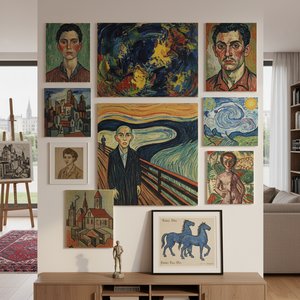
Ekspressionismi 10 Meisterteost: Kunst, Tunne ja Sisustus
Sukeldu ekspressionismi maailma! Avasta 10 kuulsat meistriteost – Munch, Kirchner jt. – ja nende värviküllased lood. Ideed sisustamiseks & kunstireprodutsioonid TopImpressionists.com-ist. Uuri täispikka kollektsiooni veebis!

Bold Strokes & Powerful Visions: 10 Artworks That Command Attention | TopImpressionists
Experience art's raw power! Explore 10 iconic paintings – Van Gogh, Kahlo & more – that define 'bold'. Discover the stories behind these expressive masterpieces and find museum-quality reproductions for your home at TopImpressionists.com.

Egon Schiele 25 Parimat Teost: Kunsti Sügavus ja Ekspressiivsus TopImpressionists.com-is
Avastage Egon Schiele 25 parimat teost! Sukelduge ekspressionismi maailma, portreekunstis ja Austria maalikunsti sügavustesse. Leidke inspiratsiooni oma interjöörile TopImpressionists.com-is – kvaliteetsed reproduktsioonid ja kunstikollektsioonid ootavad teid!
Avastage teoseid, mis on koondatud teemade, stiilide ja omaduste kaupa.
