

Näidatud: · koos raamiga:
 Eelvaade
 Saada
Saada Jaga
Jaga
 Teave teose kohta
 Juhend

 Laadi alla
 Sarnased teosed
 Röntgenuuring
 Slaidietendus
 KÜSIMUSED JA VASTUSID
 Statistika
- 100.0 x 100.0 cm


€ 554
Käsitsi valmistatud õlimaalireproduktsioon
Meie kunstnike poolt tellimusel valmistatud käsitsi maalitud õli-kainaste teos teie soovitud suuruses ja raamis. ( Lülita trükkitoodetele Lülita digitaalse pildi juurde)
Suurus
·Standardne suurus
kohandatud
CM
INCH
Vali meie eelmääratud suurused, mis vastavad teose algupärastele proportsioonidele.
Suuruste laadimine...

laius
kõrgus
Sisestage vajalik laius ja kõrgus, et teos sobiks teie raamile või seinale. Kuna tegu on käsipainatud teosega, siis erineva kujuga suuruse korral võib kunstnik jätta pildi ümber veidi rohkem marginaali või lõigata osa ära — valik on teie. Enne maali alustamist saadame teile kinnitamiseks digitaalse näidisprojektsiooni. Sellel lehel näidatud pilt ei kajasta tegelikku tulemust — seda näitab ainult näidisprojektsioon.
 Loe lähemalt
Lõpuleviimine
·
Valge serv €1

häguse servaga lõppviimistlus €1

Laiendatud €1

P118B €10

P118H €10

P118W €10

P438Z €10

P508JH €12

P508YH €12

P805H €10

P805Z €10

P919BZ €10

P919G €10

P919XJ €10

P959ZH €10

P968JZ €12

W106C €8

W218G €10

W218JH €8

W218Y €10

W307PJ €10

W316G €10

W316PJ €8

W316Y €10

W398PJ €8

W4111J €10

W500HY €15

W500JH €15

W692G €12

W849H €8

W940BG €15

W953PJ €8

H24-GOLD €30

H24-SILVER €30

H36-GOLD €45

H36-SILVER €45
Saadetakse kaitsetorus, et te võiksite selle ise raamida.
Üle 105 cm suurust raami saadetakse komplektina professionaalse raamija jaoks — lugeege lisainfot.
Lisateenused
valikulineMida lisad sisaldavad?
Näited sellest, mida saab muuta: asendage nägu kliendi fotoga; lisage lemmikloom (nt asendage kass koega); lisage taustale peidetud sõnum; muutke tausta maastikku või elemente.
Pärast tellimust saadetab TopImpressionists.com meeskond klientile e-posti juhised ning esitab ette tasandatud eelvaate
Pärast tellimust saadetab TopImpressionists.com meeskond klientile e-posti juhised ning esitab ette tasandatud eelvaate
Maailmline tarne 3–4 nädala jooksul tavalise 5 nädala asemel. (11 november). Kvaliteedis kompromisse ei tehta.
Kaitsevärnitsus
Nimesildikiri
Graveeritud pronksplaadi üksikasjad
This elegant plaque features the artist's name and the title of the artwork, finely engraved for a timeless presentation.
It is made from bronze with a refined, elegant finish. The text is precisely laser-engraved for a sharp and permanent result. Measuring 9x2 cm, the plaque is compact yet easy to read. It's built to be durable and scratch-resistant, offering a professional, museum-quality look. Mounting is simple thanks to the included adhesive backing.
Läbipaistva akrüülplaadi üksikasjad
The plaque includes essential engraved details such as the artist's name, the title of the artwork, the date it was created, the type of media used-like oil on canvas or watercolor-a brief description of the piece, and a QR code that links to the complete artwork information.
It is crafted from clear acrylic, offering a sleek, modern appearance. The text is UV-engraved in black to ensure strong visual contrast. With a size of 10x15 cm, it ensures optimal readability. It comes equipped with two metal hooks for secure wall mounting. The plaque is designed to be weather-resistant, making it suitable for various environments, and it includes interactive features that work seamlessly with smartphone scanning.
Musta akrüülplaadiรายละเอียด (Note: The user provided "Musta akrüülplaadi detailid" as the current translation and asked for an improved version. Since "Musta akrüülplaadi
This elegant plaque includes engraved information such as the artist's name, the title of the artwork, the date it was created, the type of media used (like oil on canvas or watercolor), a short description of the artwork, and a QR code for quick access to more information.
The plaque itself is made from refined black acrylic with a premium finish. The text is laser-engraved in white for high contrast and readability. Its size is 10x15 cm, designed to be easy to read. It comes with two metal hooks for professional mounting. The design is sleek and fits any interior style. It is also weather-resistant and durable, with built-in digital integration for mobile compatibility.
Klaasivalik on saadaval ainult kuni 110 cm suuruses teostes
 Klaasivalik on saadaval ainult kuni 110 cm suuruses teostes
- Tasuta ekspresssaatmine üle maailma
- Kõrgekvaliteediline lina-kangas
- Täielik transpordikindlustus
- Tollimaksude tagastamise garantii
- Värvitoime täpsuse garantii
- 100 päeva tagastusõigus (ainult valmistusdefektide korral)
- 100% raha tagasi garantii
- Hulgusoodustus


Kogumisobjekti kirjeldus
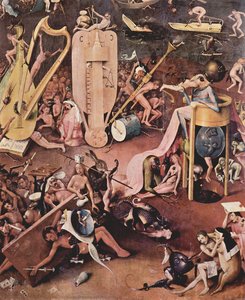
Henno Triptük - Hieronymus Bosch'i hämmastav Põhjärändlik kunstiteos! Üsna keeruline narratiiv ja täielikult värviline maal, mis jälgib inimliku nalja ja karistuse temaatikat. Vaata rohkem TopImpressionists.com!
Kunstniku elulugu
Surrealistliku symbolismi meister, tuntud teose „Maaandluslik rõõm“ poolest. Avastage tema kummalised ja fantastilised visioonid juba täna.
Teemal maalid
Sõralu triptüük: Põhja-Euroopa renessanssi kunstiline meistriteos
Hieronymus Boschi Sõralu triptüük on lummav meistriteos, mis kehastab kunstniku ainulaadset stiili ja sügavate tähendustega sümboolikat. Umbes aastal 1504 valminud see triptüük on põhja-euroopa renessanssi kunstist hämmastav näide, olles tuntud oma keeruliste detailide, rikkalikke värvide ja komplekssete narratiivide poolest.
Kompositsioon ja stiil
Triptüük koosneb kolmest paneelist, millest iga jutustab eraldi, kuid üksteisega seotud lugu. Vasak paneel kujutab rahulikku maastikku, kus erinevates tegevustes hõlbumad inimfiguurid võivad esitada paradiisi või piiblist lootud sündmust. Keskmine paneel on täidetud kaos ja konfliktiga, keskendudes suurele kiviformatsioonile, mida ümbritsevad murelikud ja häda kael Aust figuurid. Parempoolne paneel aga portreteerib hädamust ja väldlust, sümboliseerides patu tagajärgi või apokalüpsist.
Boschi kasutatud jooned, kujundid ja tekstuurid loovad dünaamilise kompositsiooni, mis juhib vaataja pilget läbi iga stseenist. Figuuride detailne kujutamine ja nende nägid on lisavad stsäänidele emotsionaalset sügavust, muutes selle triptüüki rikkalikuks ja keeruliseks kunstiteoseks.
Tehnika ja materjalid
Sõralu triptüük on maaldud puitpaneelidele, kasutades selle ajale omase tempera- või õlavärvi. Boschi tehnika hõlmab peenud pintslingitlust, kihtide loomist ja hoolikat tähelepanu detailidele. Perspektiivi ja valgusjuhtimise kasutamine viitab kõrgele oskuslevele, suurenedes stäänide sügavust ja realisme.
Ajalooline kontekst
Hieronymus Bosch, kes sündis umbes aastal 1450 Hollandi 's-Hertogenboschis, oli silmapaistev hollandlane maalikunstnik, kes tuntuses oma surrealistsete ja kujundusrikkete religioossete teemade kujutamistega. Vaatamata biograafilise info puudumisele, on Boschi kunstil olnud sügav mõju põhja-euroopalisele kunstile, eriti 16. sajandil.
Sõralu triptüük järgib sarnast narratiivile kui Boschi teised teosed, näiteks Lõimatu rõõmude aed. See kuulus kuue maali grupi hulka, mille Spania kuningas Filip II hankis aastal 1570 ning mis on hiljem koostatud uuesti Madridi Prado muuseumis, kus see on säilinud ka täna.
Sümbolika ja emotsionaalne mõju
Sõralu triptüük on sümboolikast rikkund, kus iga paneel edastab sügava sõnumi. Vasakpaneeli rahulik atmosfäär esindab harmoniat või religioosseid teemasid, samas kui keskpaneeli kaos sümboliseerib inimlikku võitlust ja patu. Parempoolse paneeli hädamus toimib hoiatusena patu tagajärgede või apokalüpsi kohta.
Triptüüki emotsionaalne mõju on võimas, tekitades laia skaala emotsioone rahust kuni segaduse kuni. Kontrast rahuliku vasakpoolse paneeli, kaotilise keskpaneeli ja hädamust täis parempoolse paneeli vahel loob narratiivse voo, mis haarab vaatajat mitmel tasandil.
Miks valida reproduktsioon?
Kunstihuvilistele, kogujatele ja interjööri kujundajatele, kes soovivad lisada oma ruumidesse ajaloolist suurejoonalisust, on Sõralu triptüüki kõrgekvaliteediline reproduktsioon suurepärane valik. See meistriteos ei paranda mitte ainult misgagi tuba esteetilist atraktiivsust, vaid toimib ka vestlusena, mis tekitab uudishimu ja imetlust.
TopImpressionists.com pakume käsipindatud reproduktsioone lõvetel, tagades, et iga detail ja värv on truuduslikult taastatud. Tooge Hieronymus Boschi kunsti ajatuite ilu oma koju või kontorisse meie premium-klassi reproduktsioonidega.
Korduvad küsimused
Millist etap Hieronymus Bosch loomingus teos "Henno Triptük" esindab?
Teos "Henno Triptük" kuulub Hieronymus Bosch loomingulise karjääri perioodi Mature Period. See klassifikatsioon seostab teose kunstniku loovliku arenguga.
Kuidas teose "Henno Triptük" värvid omavahel koos toimivad?
Teose "Henno Triptük" värviharmonia on Värvide tugev ühtsus.
Millises suunand ja millises ajastu kontekstis on „Henno Triptük“, autor Hieronymus Bosch paikati?
Teos „Henno Triptük“, autor Hieronymus Bosch kuulub Northern Renaissance suunasse ning on loodud autori Renessanss ajastul.
Kiirinfo ja kunstiviktoriin
Info Hieronymus Bosch kohta

Hieronymus Bosch
1450 - 1516, Madalmaad
Kunstniku elulugu
Hieronymus Boschi elu ja identiteet
Nimi Hieronymus Bosch kuulub mehele, kes sündis Jheronimus van Akenina. Ta ilmub Hollaandi ajaloohettu umbes 1450. aastal linnas 's-Hertogenbosch. See oli Brabanti hingeriige aeg, mis oli täis intensiivsust religioossetest usulidest ja ühiskondlikust ebakindlusest. Ta oli hollandi maaljakunstnik, kelle täpne identiteet on endiselt intensiivse uurimise all. Ajastikused dokumendid on katkukesinevad ning need pakuvad vaid piiratud pilke inimesele, kes sai hiljem esile tõsta varajase hollandi maalikuviisik koolkonna märkimistava esindaja.
Tema olek oli juurdunud loovate inimeste pikas sugulaid. Ta sündis peres, millel oli pika ajalugu maalijatena – taust, mis on tõenäoliselt kujustanud tema esialgset mõistmist maalimiskunsti kohta. Kuigi tema kaasaeglased keskendusid sageli rahustavatele ja harmoonilistele motiividele, pöördis Bosch oma pilgu groteski ja symbolika poole. Ta liikus maailmas, kus piirid jumaliku ja demonilise vahel tundusid hääbuvan kiirustega. Tema teosed peegeldavad hilispõhja keskaegse era anxioteetikat, püüdes tabama inimliku lolluse olemust väga isikupõhise ja unikaalse vaatejuhtega.
Varane elu, perekond ja õppimine
Kunstniku identiteedi juured on süvainud ’s-Hertogenboschi arhitektuuri ja hingeelu. Ta sündis oma vanaisa majas, ehitises, mis on olnud osa pikaajalise loovate inimeste sugukonnast. Tema vanaisa, Jan van Aken, oli maalijate hulka kuuluv kunstnik, kes suris 1454. See perepõhine side käsitluskunstiga ei olnud pelgalt juhuslik, vaid sügavalt vundamentaalne. Tema isa, Anthonius van Aken, pidas seda traditsiooni edasi, töötades nii maalijana kui ka kunstilise nõuandjana. Pere töökoda oli tema esimene klassifitseeritud õppeklass – koht, kus hollandi maaljate tehnilised konventsioonid imetlevalt kohasid tema meeldes läbi igapäevase harjutuse ja tähelepaneliku jälgimise.
Tema kunstiline teekond sai alguse just selles pere töökoda keskkonnas. Ta õppis meedia kontrolli ja disipliini oma sugulaste juures, imetledes ja omadades oma esisate meetodeid. Üleminek õpilasest pere stuudio mõõdukannast tunnustatud isikuks linna registrites toimus aastal 1474. See oli esimene kord, mil tema nimi ilmus ’s-Hertogenboschi ametlikest dokumentidest. Ta astus välja pere töökoda privaatsest sfäärist linna avalikusse ellu, sammud, mis märgis tema ilmumisest professionaalsesse maailma Brabanti hertogkonnas.
Abielu ja sotsiaalne staatus
Hieronymus Boschi isikliku elu stabiilsus hakkab vormuma aastate 1479 ja 1481 vahel. Ta abiab Aleyt Goyaerts van den Meervenniga, ning see liit toob endaga palju rohkem kui vaid kaaslase. Aleyti perevarandus pakub kunstnikule majanduslikku turva, ankrudes ta kohalikku majandusse. Lõpuks asub paar naabruskonnas asuvas Oirschoti linnas, mis märgib ühelkündust tema sünnupaiga pidevast kohinast.
Sotsiaalselt liigub Hieronymus Bosch Brabanti piirkonna mõjuvate ringkondade sees. Aastatel 1486 või 1487 liitub ta Püha Neiu illustriousness-liiduga (Illustrious Brotherhood of Our Lady). Liinimeesness selles väga austatud religioosluses paneb ta 's-Hertogenboschi mõjuvanemate kodanikute hulka. See kuuluvus loob struktureeritud sideme kogukonna religiooslise ja kodaniku elu vahel, kinnitades tema positsiooni kohalikus sotsiaalses hierarhias tunnustatud tegelasena.
Tehnika ja kunstiline stiil
Hieronymus Bosch töötas peamiselt tammepaneelil, kasutades oskuslikult neerlandimaadse traditsiooni õlitehnikaid. Ta ei püüdnud saavutada seda siledat ja nähtamatut pindu, mida paljud tema kaasaegased eelistasid. Selle asemel on tema värvikastamine sageli jätnud jätkva ja tekstuurse pinna, mis annab tema kummalistele teemadele füüsilist kaalutavust. Täpsese lasgihülasuste ehk läbipaistvate värvikihtide kasutamise abil saavutab ta valguslikku sügavust ja keerukast tekstuurset rikkust. See tehniline kontroll võimaldab tal saavutada hämmastavat selgust isegi oma kõige kaoslikumates kompositsioonides.
Tema visuaalne keel tugineb täpsluse ja vildi kujutluse vahelisele sulamisel, kus kohtuvad metsüline detail ja metsik imagoogia. Ta täidab oma maastikud hibriidsete olendite, groteskde demonite ja kummaliste anatomiliste moonutuste poolt, mis panevad vaataja reality-perseptsiooni kahtluse alla. Need figuurid ei ole pelgalt dekoratiivsed elemendid; nad toimivaditud ja vaimse korruptsiooni sümbolitena. Pinge tema täpste, realistilise tekstuuride esituse ja tema teemade surrealistliku olemuse vahel tekitab sügava ebakindluse ja mure tunne. Ta püüab kinni inimlikku olekut intensiivse moraalise uurinna kaudu, kus iga olend kannab endas rasket teoloogilist tähendust.
Peamised teosed ja meistriteosed
Vaade suletakse triptüki juurde, mis on tuntud kui The Garden of Earthly Delights. See on jäänud tema kuulsaimaks teoseks, keeruliseks visuaalseks labirintiks. Vasak paneel avab vaataja silma Edeni aia, mis on täis elu karge kaja. Keskmine paneel kirjeldab maailma, mida on söndnud sensuaalne lumm ja piiritlematu himu. Paremal avaneb kohutav põrguvisioon. See teos toimib kui panoraamvaade inimkonna õigustest kõrvalitulemisest, liigudes paradiisist edasi igaviku piinadesse.
Muudes kompositsioonides uurib Hieronymus Bosch patu mehhanismi ja inimlikkuse kaosut. Madridi Museo del Prado kollektsioonis säilitatav The Seven Deadly Sins uurib moraalist ebaõnnestumist struktureeritud vaatepunktist. Umbes aastal 1500 loodis ta The Ship of Fools teose, mis püüab kinni inimkonna lolluse. Tema võime kirjeldada groteski ilmneb ka teoses The Temptation of St. Anthony, mis on üks tema märkimisväärseid teoseid. Samuti on tema loomingut täienevat The Haywain Triptych, mis esitab maailma, mis on stuckitud kiirust ja õiglust.
- The Garden of Earthly Delights
- The Seven Deadly Sins
- The Ship of Fools
- The Temptation of St. Anthony
- The Haywain Triptych
Pärand ja püsiv mõju
Hieronymus Boschi visiooni lained liikusid kiiresti läbi 16. sajandi, kujunedes ümber kogu Põhja-Euroopa kunsti suunaga. Tema kõige olulisem järglane oli Pieter Bruegel vanem, kes omakasendas ja laiendas neid keerulisi kompositsioonilisi struktuure ning moraliseerivaid teemasid, mida Bosch oli oma kunstis algatavaks pannes. See piltide ja kujundite peremine ei lõppenud koos renessansiga; sajandeid hiljem leidsid surrealistid tema tööst oma eeldaja. Salvador Dalí ja Max Ernst pöördisid tema linate vastu, et leida visuaalne keeles alus alitajuvaks, saades otsest inspiratsiooni tema võimest esitada võimatut hämmastavalt selgelt.
Tema kunstiline täitmisest on säilitanud erakordse modernuse. Ta omas unikaalset võimet kootida kokku groteskne ja ilusane, luues pinge, mis tundub ajastu üle püsiva ja ka tänapäeva digitaalajal, asjakohana. See dualism võimaldab tema maalid toimida kui aknad 15. ja 16. sajandi religioossete ja sotsiaalsete õhkkondade juures. Tema pintslis käes leiavad muutuva maailma murelbid ja ärevused füüsilise vormi. Ta püksis üles intensiivse moraalise eristamise ja ühiskondlike muutuste era, pöörates teoloogilised mõisted visuaalseks ja veriseks tegelikkuseks, mis paneb veelgi tänapäeval arutlema.
Kus tema teoseid täna näha saab
Hieronymus Boschi pärandi raskus ja tähtsus on koondunud suuresti Madridi, kus Museo del Prado säilitab 55 tema teost, pakkudes kõige põhjalikumat vaadet tema unikaalsele visuaalsele keelele. Need hallid on täis tema õudsete helvetiliste vaadete detaile ja keerulisi moraalne allegorioid, mis määrkasid tema kunstnikeloo. Need kolkeld on koondanud endas nii Triptych of the Adoration of the Magi (umbi 1510) kui ka teose The Seven Deadly Sins (umbi 1480).
Lisabonis hoiab Museu Nacional de Arte Antiga 18 teost, sealhulgas teose Temptation of St. Anthony (umbi 1506). Tema kujundite kohalolu Portugalis rõhutab tema mõju laialdast ulatust üle kogu Euroopa. Samal ajal hoiab Hollandis Museum Boijmans Van Beuningen 10 teost, sealhulgas teose The Vagabond (The Prodigal Son) (umbi 1516). Need teosed pakuvad otsese sideme tema päritolu, neerlandlase traditsiooni juurde.
Teised olulised kolkeld on laiali üle kontinendi. Viidinis Academy of Fine Arts säilitab 8 teost, näiteks teose Christ Child with a Walking Frame (umbi 1480). Berliinis on Staatliche Museen koondunud 7 teost. Et näha tema täielikud looming, tuleb liiguda läbi nende spetsiifiliste säilituskohade.
- The Garden of Earthly Delights (umbi 1504)
- The Haywain Triptych (umbi 1504)
- The Ship of Fools (umbi 1500)
- Paradise and Hell (umbi 1510)
Kiirinfo Hieronymus Bosch kohta
- Artistic Movement Or Style: Surrealism, Symbolism
- Artists Or Movements Influenced By This Artist: ['Pieter Bruegel the Elder']
- Date Of Birth: c. 1450
- Date Of Death: 1516
- Full Name: Hieronymus Bosch
- Nationality: Dutch
- Notable Artworks:
- Garden of Earthly Delights
- Last Judgement Triptych
- Ascent of the Blessed
- Place Of Birth: Den Bosch, Netherlands
Avastage teoseid, mis on koondatud teemade, stiilide ja omaduste kaupa.




Hieronymus Bosch
Henno Triptük
() ·
koos raamiga: · Käsitööna õliga linale maaldud
Kokkuvõte