Vaata sisu
 Jaga teost
 Jaga
Jaga
 Detailid
 Õppekate juhend

 Laadi alla
 Sarnased teosed
 Röntgenuuring
 Slaidietendus
 Statistika
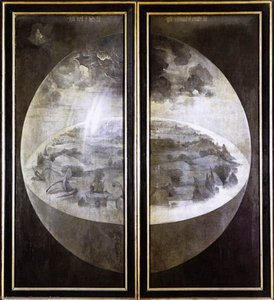
Hermit Saints Triptych (left panel)
 Oil On Panel
- WallArt
- Surrealist Movement
 1505
1505- Renaissance
 86.0 x 29.0 cm
 Palazzo Ducale
A surreal landscape of grotesque creatures and unsettling shadows defines this Northern Renaissance masterpiece by Hieronymus Bosch, inviting you to explore the profound mysteries of his visionary oil on panel painting.
 Loe lähemalt
Hieronymus Bosch oli hollandi renessansilooja kes keskhollandi kunstnikul oli suur mõju surrealismi ja simbolismile. Tema ikonilised maalid käsitlevad religioosseid teemasid ning pakkuvad häiriva kujundusega maailmakujundusi – tema töö on jätkuv mõju kunstiajaloo kohta.
Käsitsi valmistatud õlimaalireproduktsioon
Meie kunstnike poolt tellimusel valmistatud käsitsi maalitud õli-kainaste teos teie soovitud suuruses ja raamis. ( Lülita trükkitoodetele Ülemineku digitaalse pildi müügi kanalisse)




P118B €10

P118H €10

P118W €10

P438Z €10

P508JH €12

P508YH €12

P805H €10

P805Z €10

P919BZ €10

P919G €10

P919XJ €10

P959ZH €10

P968JZ €12

W106C €8

W218G €10

W218JH €8

W218Y €10

W307PJ €10

W316G €10

W316PJ €8

W316Y €10

W398PJ €8

W4111J €10

W500HY €15

W500JH €15

W692G €12

W849H €8

W940BG €15

W953PJ €8




Standardne suurus
kohandatud
CM
INCH
Vali meie eelmääratud suurused, mis vastavad teose algupärastele proportsioonidele.
Loading sizes...

laius
kõrgus
Sisestage vajalik laius ja kõrgus, et teos sobiks teie raamile või seinale. Kuna tegu on käsipainatud teosega, siis erineva kujuga suuruse korral võib kunstnik jätta pildi ümber veidi rohkem marginaali või lõigata osa ära — valik on teie. Enne maali alustamist saadame teile kinnitamiseks digitaalse näidisprojektsiooni. Sellel lehel näidatud pilt ei kajasta tegelikku tulemust — seda näitab ainult näidisprojekttsioon.
Näited muudetavatest elementidest: asenda nägu kliendi fotoga; lisa lemmikloom (nt asenda kass koeraga); lisa taustale peidetud sõnum; muuda tausta maastikku või elemente.
Pärast tellimust saadab TopImpressionists.com meeskond kliendile e-posti juhised ning esitab eelvaate kavandi
Pärast tellimust saadab TopImpressionists.com meeskond kliendile e-posti juhised ning esitab eelvaate kavandi
Maailmline tarne 3–4 nädala jooksul tavalise 5 nädala asemel. (26 oktoober). Kvaliteedis kompromisse ei tehta.

Tasuta ekspresssaatmine üle maailma

Kõrgekvaliteediline lina-kangastest muld

Täielik transpordikindlustus

Tollimaksude tagastamise garantii

Värvitoime täpsuse garantii

100 päeva tagastusõigus (ainult defektide korral)

100% raha tagasi garantii

Hulgusoodustus
 Klaasivalik on saadaval ainult kuni 110 cm suuruses teostes

Hermit Saints Triptych (left panel)
Reproduktsiooni materjal
Reproduktsiooni mõõtmed
-


Lõppsumma
€ 258
A Descent into Surreal Reflection
In the hauntingly beautiful left panel of Hieronymus Bosch’s Hermit Saints Triptych, viewers are invited to step into a dreamlike realm where the boundaries between reality and nightmare dissolve. Painted around 1505, this work serves as a profound testament to the artist's ability to distill the deep-seated anxieties of the High Renaissance into a single, visceral visual experience. The scene presents a desolate, rocky landscape that feels both ancient and otherworldly, teeming with a chaotic tableau of grotesque figures. As one gazes upon the panel, the eye is immediately drawn to the unsettling movement of animalistic creatures—birds with human faces and bizarre hybrids—that crawl across a terrain littered with decaying bones. This deliberate disregard for conventional perspective creates a pervasive sense of disorientation, pulling the observer into a world where the familiar has been irrevocably transformed by spiritual and psychological unrest.
The emotional impact of the piece is amplified by Bosch’s masterful use of light and shadow. Through a dramatic application of chiaroscuro, the artist creates an atmosphere of palpable dread, where deep blacks and earthy browns dominate the composition. Yet, amidst this oppressive darkness, sudden splashes of orange and red emanate from distant fires, acting as flickering reminders of chaos. A pale white highlight on a central figure serves as an unsettling beacon, emphasizing a sense of profound isolation and vulnerability against the encroaching gloom. For the collector or admirer, this interplay of light does more than just illuminate the scene; it breathes life into the very concept of spiritual struggle, making the artwork feel as though it is pulsing with a quiet, restless energy.
Symbolism and the Mastery of Technique
Beyond its surface-level strangeness, the panel is a rich tapestry of medieval Christian iconography. Bosch utilizes every element of the landscape to weave a narrative of moral consequence. The hermit figure, captured in a moment of deep contemplation or perhaps penitence, stands as a symbol of the soul's attempt to find solace amidst worldly corruption. Surrounding him, the grotesque creatures are not merely decorative oddities but are carefully crafted embodiments of temptation and vice. Even the presence of scattered bones serves as a poignant memento mori, prompting the viewer to reflect on the ephemeral nature of earthly existence and the inevitability of mortality. This layer of symbolic depth ensures that the artwork remains an intellectual journey as much as a visual one.
The technical execution of this panel reveals the meticulous craftsmanship characteristic of the Netherlandish tradition. Working with oil paints on a wooden panel, Bosch employed sophisticated layering and glazing techniques to achieve a remarkable tonal richness. This painstaking process allows for subtle gradations in color that capture the gritty textures of stone and the unsettling softness of flesh with astonishing accuracy. The intricate lines used to delineate each small, bizarre creature demonstrate a level of detail that rewards prolonged study. For those seeking to incorporate such a masterpiece into a curated space, a high-quality reproduction offers more than just decoration; it provides a window into the complex psyche of a visionary artist, bringing a sense of historical gravity and profound mystery to any interior setting.
Küsimused ja vastused
Millal ja millise suunaga teos "Hermit Saints Triptych (left panel)" loodi?
Teos "Hermit Saints Triptych (left panel)" loodi aastal 1505 ning see kuulub Surrealist Movement suunasse. Aasta ja stiil anavad teosele kunstiajalist konteksti.
Millise riigi kunstilihubast pärineb Surrealist Movement teos "Hermit Saints Triptych (left panel)"?
Teos "Hermit Saints Triptych (left panel)" ühendab oma looja sünneloolise piirkonna kaudimisi Surrealist Movement suunaga, tuues selle kokku Madalmaad riigiga.
Kas „Hermit Saints Triptych (left panel)“, autor Joen Van Aken on maalid, joonis või etsing?
Kataloogis on teos „Hermit Saints Triptych (left panel)“, autor Joen Van Aken liigitatud kui WallArt. See kategooria aitab leida sarnaseid teoseid.
Kunstniku elulugu
A Netherlandish Enigma: The Life and Art of Hieronymus Bosch
Hieronymus Bosch (sünninimega Jheronimus van Aken; u 1450 – 1516) oli Madalmaade maalikunstnik. Tema teosed on tuntud fantastiliste kujundite poolest, millega kunstnik näitlikustas moraalseid ja religioosseid mõisteid ja jutustusi.Elukäik
Hieronymus Boschile pandi sünni järel nimeks Jheronimus või Joen (vastavalt ladina ja keskhollandi keeles) van Aken (mis tähendab 'Aachenist'). Mõõduka hinnangu järgi oli Bosch sündinud umbes 1450 aastal ’s-Hertogenboschi linnas, Brabanti provintsis – siis osa Saksa kuningriikust. Tema perekond oli pikka ajalugu maalijatena, mille suurimad liikmed olid isa Anthonius van Aken ja isa isa Jan van Aken. Boschil oli tõenäoliselt esimene õpetamine pere töökojas, kus ta omandas keskmiselt maalimisoskusi keskhollandi kunstniku ametnikuna. Küll aga hakkas ta juba noorena erinevate traditsiooniliste hollandi maalijate konventsiooni kohta kõrvale kasvama ja väljendama oma suurimat kirgi – tänu millele sai tema kunstikogu maailma tuntuks. Bosch perekonna kohta on biograafiline informatsioon väga väike; dokumendid on katkukesinevad ning jäetakse palju küsimusi avamata, mis lisab tema inimese ja töö ümbrussele müüti tunnet. Ta oli ametnikuna Aleyt Goyaerts van den Meerveenega enne 1481 kohta abielu, mida kinnitati perekonna vara kaudu.Fantastiliste kujundite maailm
Boschi kunstikunstniku stiil on kohe tähelepanekuline – see on suurepärased detailid ja suur kirg fantastiliste kujundite vastu. Ta töötas peamiselt õli maalile puhta oak paneelide kohta, kinnitades sellega keskmiselt hollandi maalijatena ametnikuna oskusi ning saavutades nii värviküllastuse kui ka täiusliku tekstuuriga. Tema varased teosed näitlikud olid traditsiooniliste hollandi maalijate mõju poolest erityödelikult realistlikud ja tähelepanekuline detailimine, kuid ta oli kiiresti liikunud selle kohta kõrvale kasvama ning väljendama oma suurimat kirgi – tänu millele sai tema kunstikogu maailma tuntuks. Tema maalid ei ole ainult reaalsuse kujundusi; need on allegoorilised looduspiirkonnad, mis on rahvas suurepäärased olendid ja häirivad nädalapäevad, nagu oleksid neid tehtud unenäo või hirmu tõttu. Kirgede maailm oli suur kirg fantastiliste kujundite vastu ning tänu sellele sai tema kunstikogu maailma tuntuks. Tema olendid – groteskseid demoneid, fantastilisi loomadel ja tundmatu inimese vormidel ei olnud mitte dekoratiivsed elemendid; need olid moraalide ja religiooni mõisted ning suur kirg fantastiliste kujundite vastu ning tänu sellele sai tema kunstikogu maailma tuntuks. Kirgede maailm oli suur kirg fantastiliste kujundite vastu ning tänu sellele sai tema kunstikogu maailma tuntuks. Kirgede maailm oli suur kirg fantastiliste kujundite vastu ning tänu sellele sai tema kunstikogu maailma tuntuks. Kirgede maailm oli suur kirg fantastiliste kujundite vastu ning tänu sellele sai tema kunstikogi maailma tuntuks. Kirgede maailm oli suur kirg fantastiliste kujundite vastu ning tänu sellele sai tema kunstikogi maailma tuntuks. Kirgede maailm oli suur kirg fantastiliste kujundite vastu ning tänu sellele sai tema kunstikogi maailma tuntuks. Kirgede maailm oli suur kirg fantastiliste kujundite vastu ning tänu sellele sai tema kunstikogi maailma tuntuks. Kirgede maailm oli suur kirg fantastiliste kujundite vastu ning tänu sellele sai tema kunstikogi maailma tuntuks. Kirgede maailm oli suur kirg fantastiliste kujundite vastu ning tänu sellele sai tema kunstikogi maailma tuntuks. Kirgede maailm oli suur kirg fantastiliste kujundite vastu ning tänu sellele sai tema kunstikogi maailma tuntuks. Kirgede maailm oli suur kirg fantastiliste kujundite vastu ning tänu sellele sai tema kunstikogi maailma tuntuks. Kirgede maailm oli suur kirg fantastiliste kujundite vastu ning tänu sellele sai tema kunstikogi maailma tuntuks. Kirgede maailm oli suur kirg fantastiliste kujundite vastu ning tänu sellele sai tema kunstikogi maailma tuntuks. Kirgede maailm oli suur kirg fantastiliste kujundite vastu ning tänu sellele sai tema kunstikogi maailma tuntuks. Kirgede maailm oli suur kirg fantastiliste kujundite vastu ning tänu sellele sai tema kunstikogi maailma tuntuks. Kirgede maailm oli suur kirg fantastiliste kujundite vastu ning tänu sellele sai tema kunstikogi maailma tuntuks. Kirgede maailm oli suur kirg fantastiliste kujundite vastu ning tänu sellele sai tema kunstikogi maailma tuntuks. Kirgede maailm oli suur kirg fantastiliste kujundite vastu ning tänu sellele sai tema kunstikogi maailma tuntuks. Kirgede maailm oli suur kirg fantastiliste kujundite vastu ning tänu sellele sai tema kunstikogi maailma tuntuks. Kirgede maailm oli suur kirg fantastiliste kujundite vastu ning tänu sellele sai tema kunstikogi maailma tuntuks. Kirgede maailm oli suur kirg fantastiliste kujundite vastu ning tänu sellele sai tema kunstikogi maailma tuntuks. Kirgede maailm oli suur kirg fantastiliste kujundite vastu ning tänu sellele sai tema kunstikogi maailma tuntuks. Kirgede maailm oli suur kirg fantastiliste kujundite vastu ning tänu sellele sai tema kunstikogi maailma tuntuks. Kirgede maailm oli suur kirg fantastiliste kujundite vastu ning tänu sellele sai tema kunstikogi maailma tuntuks. Kirgede maailm oli suur kirg fantastiliste kujundite vastu ning tänu sellele sai tema kunstikogi maailma tuntuks. Kirgede maailm oli suur kirg fantastiliste kujundite vastu ning tänu sellele sai tema kunstikogi maailma tuntuks. Kirgede maailm oli suur kirg fantastiliste kujundite vastu ning tänu sellele sai tema kunstikogi maailma tuntuks. Kirgede maailm oli suur kirg fantastiliste kujundite vastu ning tänu sellele sai tema kunstikogi maailma tuntuks. Kirgede maailm oli suur kirg fantastiliste kujundite vastu ning tänu sellele sai tema kunstikogi maailma tuntuks. Kirgede maailm oli suur kirg fantastiliste kujundite vastu ning tänu sellele sai tema kunstikogi maailma tuntuks. Kirgede maailm oli suur kirg fantastiliste kujundite vastu ning tänu sellele sai tema kunstikogi maailma tuntuks. Kirgede maailm oli suur kirg fantastiliste kujundite vastu ning tänu sellele sai tema kunstikogi maailma tuntuks. Kirgede maailm oli suur kirg fantastiliste kujundite vastu ning tänu sellele sai tema kunstikogi maailma tuntuks. Kirgede maailm oli suur kirg fantastiliste kujundite vastu ning tänu sellele sai tema kunstikogi maailma tuntuks. Kirgede maailm oli suur kirg fantastiliste kujundite vastu ning tänu sellele sai tema kunstikogi maailma tuntuks. Kirgede maailm oli suur kirg fantastiliste kujundite vastu ning tänu sellele sai tema kunstikogi maailma tuntuks. Kirgede maailm oli suur kirg fantastiliste kujundite vastu ning tänu sellele sai tema kunstikogi maailma tuntuks. Kirgede maailm oli suur kirg fantastiliste kujundite vastu ning tänu sellele sai tema kunstikogi maailma tuntuks. Kirgede maailm oli suur kirg fantastiliste kujundite vastu ning tänu sellele sai tema kunstikogi maailma tuntuks. Kirgede maailm oli suur kirg fantastiliste kujundite vastu ning tänu sellele sai tema kunstikogi maailma tuntuks. Kirgede maailm oli suur kirg fantastiliste kujundite vastu ning tänu sellele sai tema kunstikogi maailma tuntuks. Kirgede maailm oli suur kirg fantastiliste kujundite vastu ning tänu sellele sai tema kunstikogi maailma tuntuks. Kirgede maailm oli suur kirg
Joen Van Aken
1450 - 1516 , Madalmaad
Lühikest infot
- Artistic Movement Or Style: Surrealism, Symbolism
- Artists Or Movements Influenced By This Artist: ['Pieter Bruegel the Elder']
- Date Of Birth: c. 1450
- Date Of Death: 1516
- Full Name: Hieronymus Bosch
- Nationality: Dutch
- Notable Artworks:
- Garden of Earthly Delights
- Last Judgement Triptych
- Ascent of the Blessed
- Place Of Birth: Den Bosch, Netherlands
Sarnased artiklid

Pop Surrealism Unveiled: The Sophisticated Intersection of Vibrant Pop Art and Dreamlike Subconscious Landscapes
Explore the captivating world of Pop Surrealism. Discover how vibrant Pop Art meets dreamlike subconscious imagery through the works of masters like Jeff Soto and Ryan Heshka. An expert guide for discerning collectors seeking to understand this profound contemporary art movement.

Beyond Reality: A Sophisticated Exploration of the Dreamlike Architecture in Surrealist Landscapes
Embark on a sophisticated journey through the dreamlike architecture of Surrealist landscapes. Uncover the profound psychological depths and visual paradoxes of masters like Salvador Dalí in this expert exploration of art’s most captivating, impossible vistas.
Avastage teoseid, mis on koondatud teemade, stiilide ja omaduste kaupa.