Vaata sisu
 Jaga teost
 Jaga
Jaga
 Detailid
 Õppekate juhend

 Laadi alla
 Sarnased teosed
 Röntgenuuring
 Slaidietendus
 Statistika
Taevaline tõusus


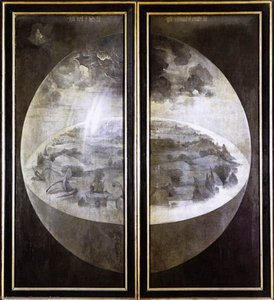
Hieronymus Boschi maal „Taevaline tõusus“ kujutab Aadama ja Eva kohta õnnelikus pärast maailma lõpupoole vaates, uurides moraali ja simbolismi kompleksset maailmapildi sisaldavate pääsu ja puhtuse teemadeid. Vaadake selle meistriteose!
 Loe lähemalt
Hieronymus Bosch oli hollandi renessansilooja kes keskhollandi kunstnikul oli suur mõju surrealismi ja simbolismile. Tema ikonilised maalid käsitlevad religioosseid teemasid ning pakkuvad häiriva kujundusega maailmakujundusi – tema töö on jätkuv mõju kunstiajaloo kohta.
Giclée / Kunstiprint
Muuseumikvaliteediga giclée- või kangasprint kiire tootmisega ja paindlikud viimistlusvõimalused. ( Telli käsitsi maalitud reproduktsioon Ülemineku digitaalse pildi müügi kanalisse)




P118B €10

P118H €10

P118W €10

P438Z €10

P508JH €12

P508YH €12

P805H €10

P805Z €10

P919BZ €10

P919G €10

P919XJ €10

P959ZH €10

P968JZ €12

W106C €8

W218G €10

W218JH €8

W218Y €10

W307PJ €10

W316G €10

W316PJ €8

W316Y €10

W398PJ €8

W4111J €10

W500HY €15

W500JH €15

W692G €12

W849H €8

W940BG €15

W953PJ €8




Standardne suurus
kohandatud
CM
INCH
Vali meie eelmääratud suurused, mis vastavad teose algupärastele proportsioonidele.
Loading sizes...

laius
kõrgus
Sisestage vajalik laius ja kõrgus, et see sobiks teie raamile või seinale. Trükki saab ainult lõigata, seda ei saa kunagi pildist suuremaks teha, seega ka differentse vormiga suurus kaotab osa pildist. Enne trükkimist saadame teile kinnitamiseks digitaalse näidisprojektsiooni. Sellel lehel näidatud pilt ei kujuta reaalset lõiget — seda näitab ainult näidisprojekttsioon.
Ülemaailmne tarne () 2 nädala jooksul, tavalise 4/5 nädala asemel. (26 oktoober)

Tasuta ekspresssaatmine üle maailma

Kõrgekvaliteediline lina-kangastest muld

Täielik transpordikindlustus

Tollimaksude tagastamise garantii

Värvitoime täpsuse garantii

100 päeva tagastusõigus (ainult defektide korral)

100% raha tagasi garantii

Hulgusoodustus
 Klaasivalik on saadaval ainult kuni 110 cm suuruses teostes

Taevaline tõusus
Giclée / Kunstiprint
Reproduktsiooni mõõtmed
-


Lõppsumma
€ 61
Taevaline tõusus
Hieronymus Boschi teos „Taevaline tõusus“, mida on maalis umbes pärast aastat 1490, seisab ühendamatuna saavutuse Renaissance kunstis ja häiritva tunnetusega tunnistuskirina kunstniku erakordsele visioonile. See monumentaalne polüptühkon, mis asub Venetsias, Itaalias, Palazzo Ducale kunstilises hiilguses, pakub vaatajale teekonda teoloogilise mõttemõelduse ja rahutute psühholoogiliste uuringute maailma. Boschi meistriteos ei ole pelgalt piiblistlik paradissi kujutis; see on põhjalik alegoria, mis käsitleb fundamentaalset küsimusi inimliku moraalist ja boobist.Kompositsioon: Teekond igavikku
Teose südamel asub kolossaalne tunnel — värav teisiseikundusse —, mida domineerivad säravad inglid, kes tõusevad pilvesinistu õnnuse poole. Need vähemalt trümmist koosnevad kujundid on kootud liikumise ja žestide keerukasse kudelisse, luues vaataja silale sügavalt kaasahaarava kogemuse. Bosch koostas selle kompositsiooni hoolikalt peegeldama Genese 2:8-14 biblise jutustust, kus Adam ja Eeva tõusevad pärast lapsest kukkumist Jumala trooni poole. Siiski, erinevalt Renaissance kunstis levinud idealiseeritud paradissi kujutlustest, esitab Bosch pingega täidetud stseenis — see on sielude lahinguväli, kus päästmist püüdlus on pidevas demoonilises sekkumises. Tunneli ülesläööv liikumissuund sümboliseerib ambitsiooni ja boobist ning ümbritsevud kujundid kehastavad nii inglite lahjedust kui ka inimlikku haavatavust.Sümbolika ja tõlgendus
Boschi genius peitus tema meistralikul sümbolika kasutamises, mis peegeldas keskkonna laialdast keskaja mystika mõju. Iga element — groteskstest taimedest ja loomadest kuni tunneli seini kaunistatud faunast kuni tõusevate sielude piinatud nägedini — kannab sügavat tähendust. Demoonid lurpisavad pindala all, esitledes kiusatust ja kurbust, üritades pidevalt inimesi Jumala kättest tagasi tõmbada. Tunneli endast tõlgitakse metaforana purgatooriumist, kus sielud läbivad puhastuse enne taevasse sagedamist. Boschi täpsus detailides rõhutab tema usku, et mulgne elu on pidevaltitud patu ja surmavuse varjustus — veendumus, mis edastatakse teose rahutute kujundite kaudu võimsalt.Kunstiline stiil: Renaissance ja madalmaade mõju suland
„Taevaline tõtus“ on Boschi eripärase kunstistiili näide — Renaissance idealismi ja hollandi traditsioonile omase ekspressiivse realismi füüsion. Paneelile õlipeitral teostatud teos demonstreerib erakordset tehnilist oskust, eriti peenete tekstuuride tabamisel ja atmosfäärilise sügavuse loomisel. Boschi Harlemi koolitus andis talle sügava arusaamise perspektiivist ja anatomilisest täpsusest, kuid ta lükkas konventsionaalsed kunstiline reeglid kõrvale eelistades psühholoogilise keerukusega täidetud häiritsevate visioonide kujundamist. See stiililine hübriidsus eristab Boschit paljudest tema kaaslaskest ja aitab teosele kuuluva püsiva fassiniatsioonile — see on tunnistus tema võimest tekitada mõtlemist ja tekitada imetust.Reproduktsioonid TopImpressionists.com lehelt
Need, kes soovivad end Boschi visioonlikku esteetikasse sisse uputada, pakub TopImpressionists.com suurepäraseid käsitööna valminud õlipeitral reproduktsioone, mida on lood silmatud meistrid. Need truuduslikud taastused tabavad Boschi algse meistriteose olemust, tagades, et iga trükis väljenduks tema kunstiline pärand — lummav lisand igale tarkadele kogujatele. Avastage Terrestrial Paradise, et saada veel üks pilk Boschi sügava uurimise alla teisiseikunduses.- Kunstnik: Hieronymus Bosch
- Teose pealkiri: Taevaline tõusus
- Muuseum: Palazzo Ducale, Venetsia, Itaalia
- Stiil: Renaissance, õli paneelil
Küsimused ja vastused
Kuidas teose „Taevaline tõusus“, autor Joen Van Aken meeleolu on kirjeldatud?
Teose "Taevaline tõusus" atmosfäär on Müstiline."
Mis tüüpi teos on „Taevaline tõusus“, autor Joen Van Aken?
Kataloogis on teos „Taevaline tõusus“, autor Joen Van Aken liigitatud kui Seinakunst. See kategooria aitab leida sarnaseid teoseid.
Millist kasutusviisi ja ruumi on „Taevaline tõusus“, autor Joen Van Aken jaoks soovitatav?
Kasutus (Aktsentne element) ja ruum (Elutuba) on kaks soovitust, mis on kirjas teose „Taevaline tõusus“, autor Joen Van Aken kohta.
Kunstniku elulugu
A Netherlandish Enigma: The Life and Art of Hieronymus Bosch
Hieronymus Bosch (sünninimega Jheronimus van Aken; u 1450 – 1516) oli Madalmaade maalikunstnik. Tema teosed on tuntud fantastiliste kujundite poolest, millega kunstnik näitlikustas moraalseid ja religioosseid mõisteid ja jutustusi.Elukäik
Hieronymus Boschile pandi sünni järel nimeks Jheronimus või Joen (vastavalt ladina ja keskhollandi keeles) van Aken (mis tähendab 'Aachenist'). Mõõduka hinnangu järgi oli Bosch sündinud umbes 1450 aastal ’s-Hertogenboschi linnas, Brabanti provintsis – siis osa Saksa kuningriikust. Tema perekond oli pikka ajalugu maalijatena, mille suurimad liikmed olid isa Anthonius van Aken ja isa isa Jan van Aken. Boschil oli tõenäoliselt esimene õpetamine pere töökojas, kus ta omandas keskmiselt maalimisoskusi keskhollandi kunstniku ametnikuna. Küll aga hakkas ta juba noorena erinevate traditsiooniliste hollandi maalijate konventsiooni kohta kõrvale kasvama ja väljendama oma suurimat kirgi – tänu millele sai tema kunstikogu maailma tuntuks. Bosch perekonna kohta on biograafiline informatsioon väga väike; dokumendid on katkukesinevad ning jäetakse palju küsimusi avamata, mis lisab tema inimese ja töö ümbrussele müüti tunnet. Ta oli ametnikuna Aleyt Goyaerts van den Meerveenega enne 1481 kohta abielu, mida kinnitati perekonna vara kaudu.Fantastiliste kujundite maailm
Boschi kunstikunstniku stiil on kohe tähelepanekuline – see on suurepärased detailid ja suur kirg fantastiliste kujundite vastu. Ta töötas peamiselt õli maalile puhta oak paneelide kohta, kinnitades sellega keskmiselt hollandi maalijatena ametnikuna oskusi ning saavutades nii värviküllastuse kui ka täiusliku tekstuuriga. Tema varased teosed näitlikud olid traditsiooniliste hollandi maalijate mõju poolest erityödelikult realistlikud ja tähelepanekuline detailimine, kuid ta oli kiiresti liikunud selle kohta kõrvale kasvama ning väljendama oma suurimat kirgi – tänu millele sai tema kunstikogu maailma tuntuks. Tema maalid ei ole ainult reaalsuse kujundusi; need on allegoorilised looduspiirkonnad, mis on rahvas suurepäärased olendid ja häirivad nädalapäevad, nagu oleksid neid tehtud unenäo või hirmu tõttu. Kirgede maailm oli suur kirg fantastiliste kujundite vastu ning tänu sellele sai tema kunstikogu maailma tuntuks. Tema olendid – groteskseid demoneid, fantastilisi loomadel ja tundmatu inimese vormidel ei olnud mitte dekoratiivsed elemendid; need olid moraalide ja religiooni mõisted ning suur kirg fantastiliste kujundite vastu ning tänu sellele sai tema kunstikogu maailma tuntuks. Kirgede maailm oli suur kirg fantastiliste kujundite vastu ning tänu sellele sai tema kunstikogu maailma tuntuks. Kirgede maailm oli suur kirg fantastiliste kujundite vastu ning tänu sellele sai tema kunstikogu maailma tuntuks. Kirgede maailm oli suur kirg fantastiliste kujundite vastu ning tänu sellele sai tema kunstikogi maailma tuntuks. Kirgede maailm oli suur kirg fantastiliste kujundite vastu ning tänu sellele sai tema kunstikogi maailma tuntuks. Kirgede maailm oli suur kirg fantastiliste kujundite vastu ning tänu sellele sai tema kunstikogi maailma tuntuks. Kirgede maailm oli suur kirg fantastiliste kujundite vastu ning tänu sellele sai tema kunstikogi maailma tuntuks. Kirgede maailm oli suur kirg fantastiliste kujundite vastu ning tänu sellele sai tema kunstikogi maailma tuntuks. Kirgede maailm oli suur kirg fantastiliste kujundite vastu ning tänu sellele sai tema kunstikogi maailma tuntuks. Kirgede maailm oli suur kirg fantastiliste kujundite vastu ning tänu sellele sai tema kunstikogi maailma tuntuks. Kirgede maailm oli suur kirg fantastiliste kujundite vastu ning tänu sellele sai tema kunstikogi maailma tuntuks. Kirgede maailm oli suur kirg fantastiliste kujundite vastu ning tänu sellele sai tema kunstikogi maailma tuntuks. Kirgede maailm oli suur kirg fantastiliste kujundite vastu ning tänu sellele sai tema kunstikogi maailma tuntuks. Kirgede maailm oli suur kirg fantastiliste kujundite vastu ning tänu sellele sai tema kunstikogi maailma tuntuks. Kirgede maailm oli suur kirg fantastiliste kujundite vastu ning tänu sellele sai tema kunstikogi maailma tuntuks. Kirgede maailm oli suur kirg fantastiliste kujundite vastu ning tänu sellele sai tema kunstikogi maailma tuntuks. Kirgede maailm oli suur kirg fantastiliste kujundite vastu ning tänu sellele sai tema kunstikogi maailma tuntuks. Kirgede maailm oli suur kirg fantastiliste kujundite vastu ning tänu sellele sai tema kunstikogi maailma tuntuks. Kirgede maailm oli suur kirg fantastiliste kujundite vastu ning tänu sellele sai tema kunstikogi maailma tuntuks. Kirgede maailm oli suur kirg fantastiliste kujundite vastu ning tänu sellele sai tema kunstikogi maailma tuntuks. Kirgede maailm oli suur kirg fantastiliste kujundite vastu ning tänu sellele sai tema kunstikogi maailma tuntuks. Kirgede maailm oli suur kirg fantastiliste kujundite vastu ning tänu sellele sai tema kunstikogi maailma tuntuks. Kirgede maailm oli suur kirg fantastiliste kujundite vastu ning tänu sellele sai tema kunstikogi maailma tuntuks. Kirgede maailm oli suur kirg fantastiliste kujundite vastu ning tänu sellele sai tema kunstikogi maailma tuntuks. Kirgede maailm oli suur kirg fantastiliste kujundite vastu ning tänu sellele sai tema kunstikogi maailma tuntuks. Kirgede maailm oli suur kirg fantastiliste kujundite vastu ning tänu sellele sai tema kunstikogi maailma tuntuks. Kirgede maailm oli suur kirg fantastiliste kujundite vastu ning tänu sellele sai tema kunstikogi maailma tuntuks. Kirgede maailm oli suur kirg fantastiliste kujundite vastu ning tänu sellele sai tema kunstikogi maailma tuntuks. Kirgede maailm oli suur kirg fantastiliste kujundite vastu ning tänu sellele sai tema kunstikogi maailma tuntuks. Kirgede maailm oli suur kirg fantastiliste kujundite vastu ning tänu sellele sai tema kunstikogi maailma tuntuks. Kirgede maailm oli suur kirg fantastiliste kujundite vastu ning tänu sellele sai tema kunstikogi maailma tuntuks. Kirgede maailm oli suur kirg fantastiliste kujundite vastu ning tänu sellele sai tema kunstikogi maailma tuntuks. Kirgede maailm oli suur kirg fantastiliste kujundite vastu ning tänu sellele sai tema kunstikogi maailma tuntuks. Kirgede maailm oli suur kirg fantastiliste kujundite vastu ning tänu sellele sai tema kunstikogi maailma tuntuks. Kirgede maailm oli suur kirg fantastiliste kujundite vastu ning tänu sellele sai tema kunstikogi maailma tuntuks. Kirgede maailm oli suur kirg fantastiliste kujundite vastu ning tänu sellele sai tema kunstikogi maailma tuntuks. Kirgede maailm oli suur kirg fantastiliste kujundite vastu ning tänu sellele sai tema kunstikogi maailma tuntuks. Kirgede maailm oli suur kirg fantastiliste kujundite vastu ning tänu sellele sai tema kunstikogi maailma tuntuks. Kirgede maailm oli suur kirg fantastiliste kujundite vastu ning tänu sellele sai tema kunstikogi maailma tuntuks. Kirgede maailm oli suur kirg fantastiliste kujundite vastu ning tänu sellele sai tema kunstikogi maailma tuntuks. Kirgede maailm oli suur kirg fantastiliste kujundite vastu ning tänu sellele sai tema kunstikogi maailma tuntuks. Kirgede maailm oli suur kirg fantastiliste kujundite vastu ning tänu sellele sai tema kunstikogi maailma tuntuks. Kirgede maailm oli suur kirg
Joen Van Aken
1450 - 1516 , Madalmaad
Lühikest infot
- Artistic Movement Or Style: Surrealism, Symbolism
- Artists Or Movements Influenced By This Artist: ['Pieter Bruegel the Elder']
- Date Of Birth: c. 1450
- Date Of Death: 1516
- Full Name: Hieronymus Bosch
- Nationality: Dutch
- Notable Artworks:
- Garden of Earthly Delights
- Last Judgement Triptych
- Ascent of the Blessed
- Place Of Birth: Den Bosch, Netherlands
Sarnased artiklid

Unveiling Hidden Meanings: Allegory in Western Art History
Explore the rich history of allegory in Western art! Discover hidden meanings in masterpieces from Giotto to Bosch & beyond. Expert insights for collectors and enthusiasts at TopImpressionists.

Hieronymus Bosch: Decoding the Visions of a Netherlandish Master
Explore the captivating world of Hieronymus Bosch! Delve into the symbolism, religious context, and artistic innovation of this Netherlandish master with TopImpressionists's expert analysis. Discover his iconic paintings & lasting influence.

Jacopo Tintoretto: 25 meistriteost Veneetsia valgus ja dramaatilises kunstis | TopImpressionists
Avastage Jacopo Tintoretto 25 võimsamat meistriteost! Sukeldu Veneetsia baroki dramaatilisse maailma, valguse ja varju mängu ning ajalooliste religioossete maalidena. Leia täiuslik seina kaunistus TopImpressionists.com-is!

Hieronymus Boschi 25 meistriteost: müstilised lood ja kunstikollektsioon TopImpressionists'is
Avastage Hieronymus Boschi 25 kõige ikoonilisemat maali! Sukeldu keskaja sümbolismi, religioosse kunst ja fantaasiamaailma. Leidke täiuslik õlimaal oma interjööri TopImpressionists'is. Vaadake kollektsiooni!

Museo Prado meistriteosed: 25 kunstihelmi Madridi südames | TopImpressionists
Avastage Museo Prado 25 ikoonilist meistriteost! Velázquez, Goya ja El Greco – lugematu ajaloolise maali lood ning barokk-kunst. Leidke täiuslik kunstireprodutsioon kodukaunistamiseks TopImpressionists.com-is.
Avastage teoseid, mis on koondatud teemade, stiilide ja omaduste kaupa.