


 Vaata sisu
 Jaga teost
 Jaga
Jaga
 Detailid
 Õppekate juhend

 Laadi alla
 Sarnased teosed
 Röntgenuuring
 Slaidietendus
 Statistika
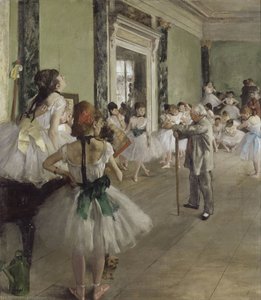
Dance Class


Experience Edgar Degas's 'Dance Class'! This iconic 1871 painting captures ballet rehearsals with stunning detail & movement. Part of the Met’s collection, it showcases Degas’s unique artistic vision.
 Loe lähemalt
Edgar Degas: Ülemaailmeline kunstnik tuntud oma balletrõngastel ja Pariisi elu kujundustel ning innovatsiooniliste tehnikute tõttu – pärismeister tänapäeva kunstile.
Ostke kõrglahutusel ja täiustatud digitaalne pilt, mis on oluliselt parem kui veebilehel näidatud eelvaade.
Iga fail on meie spetsialistide poolt hoolikalt ette valmistatud, kasutades kaasaegseid tööriistu ja professionaalset käsitsi retušeerimist. Tagame, et igal pildil on erakordne selgus, täpne värvitäpsus ja peen detail.
Lõplik fail saadetakse e-posti teel 72 tunni jooksul ning on optimeeritud koheseks kasutamiseks professionaalsetes, toimetuslikes ja trüki keskkondades. See on sama kvaliteet, mida usaldavad tipptasemel disainistuudiod, kirjastused ja galeriid.
Digitaalne pilt
Laadi alla kõrge resolutsiooniga fail isiklikuks vaatamiseks, trükkimiseks ja loomingulisteks projektideks. ( Lülita trükkitoodetele Telli käsitsi maalitud reproduktsioon)
Sisse kuulub iga digitaalse pildi tellimusega
Professionaalne digitaalne kohaletoimetamine, garanteeritud
Valides TopImpressionists.com, ei saa sa lihtsalt pilti – saad professionaalselt parandatud digitaalse teose, mida on valmistatud täpsusega ja mis on toetatud rahuldamatusgarantiiga. Siin on kõik, mis sinu tellimusega automaatselt kaasneb:

Kiire e-posti edastus
Teie kõrge resolutsiooniga digitaalne pildifail saadetakse teile e-posti 72 tunni jooksul pärast tellimist – kohe kasutamiseks valmis.

Tehisintellektiga täiustatud digitaalne fail
Teie teos on professionaalselt optimeeritud arenenud tehisintellekti tööriistade ja käsitsi redigeerimise abil, tagades maksimaalse detailitaseme, selguse ja värvitäpsuse.

Tasuta eluaegne uuesti saatmine
Kas kustutasid faili kogukalu unustamisel või kustutamisel? Puudub mure – saad selle uuesti igal ajal ilma lisatasuta.

Puuduvad importimaksud – alati
Nautige oma teoseid koheselt ilma tolli-, maksude või tarnimaskuludeta – digiletchargused on alati maksuvabadud.

Värvitäpsuse garantii
Me tagame, et teie digitaalne pilt kajastaks originaali värve professionaalsete tööriistade ja värvihalduse abil võimalikult täpselt.

100 päeva rahuldamatuse garantii
Kui te ei ole oma digitaalse pildi eest rahul, siis me parandame seda või tagastame 100% summast 100 päeva jooksul – küsimusteta.

100% raha tagastamise garantii
Ei ole rahul? Saate täielise tagastaja 100 päeva jooksul pärast digitaalse faili kättesaamist – ilma küsimusteta.

Suurema tellimuse soodustused
Osta 3 pilti, säästa 10% - Osta 5, säästa 15% - Osta 10+, säästa 20%. Sobib suurepäraselt loomingulisteks projektideks, galeriideks ja agentuurideks.
The Captivating World of “Dance Class”
Edgar Degas’s Dance Class, a remarkable oil painting created in 1871 and now residing within the hallowed halls of the Metropolitan Museum of Art, is far more than just a depiction of ballerinas practicing. It's a meticulously observed snapshot of a vibrant microcosm – a ballet studio brimming with youthful energy, quiet anticipation, and the subtle tensions inherent in the pursuit of artistic perfection. Degas, a master of capturing fleeting moments and unconventional subjects, doesn’t offer a grand spectacle; instead, he presents an intimate scene, inviting us to observe the dedication, discipline, and unspoken camaraderie of these young dancers preparing for their performances.
The painting immediately draws the eye with its dynamic composition. Degas eschews traditional, formal arrangements in favor of a horizontal format that emphasizes the space itself – a modestly sized room bathed in diffused light. The arrangement of the dancers is deliberately asymmetrical, creating a sense of movement and suggesting an ongoing process rather than a static pose. Notice how some figures are clustered together, engaged in conversation or instruction, while others stand alone, lost in their own thoughts or focused intently on perfecting a particular step. This deliberate imbalance contributes to the painting’s overall feeling of realism and immediacy.
A Masterclass in Impressionistic Technique
Degas's signature style is powerfully evident in Dance Class. He employs a broken brushstroke technique, applying paint in short, visible dashes that capture the texture of the dancers’ costumes, the worn floorboards, and the subtle play of light and shadow. The color palette is restrained yet remarkably evocative – muted blues, browns, and greys dominate, punctuated by flashes of scarlet in the jackets and emerald green in the ribbons. This deliberate use of color not only reflects the atmosphere of the studio but also subtly emphasizes the dancers’ attire, highlighting their elegance and grace.
Furthermore, Degas's mastery of perspective is remarkable. He skillfully uses atmospheric perspective – a technique where objects appear less distinct and more bluish in the distance – to create a sense of depth within the relatively shallow space. The figures in the background are rendered with softer edges and paler colors, subtly receding into the distance while those closer to the viewer retain greater detail and vibrancy. This careful attention to detail demonstrates Degas’s commitment to accurately portraying his subject matter.
The Ballet Class: A Reflection of Parisian Society
Dance Class offers a fascinating glimpse into the social context of 19th-century Paris, specifically the burgeoning world of ballet. The presence of the piano player, a common fixture in ballet studios at the time, underscores the importance of music in shaping the dancers’ movements and expressions. The watchful instructor, positioned centrally within the composition, represents the rigorous training and discipline required to succeed in this demanding profession. The inclusion of the “stage mothers” observing from the background hints at the social pressures and expectations surrounding ballet performance.
Beyond its depiction of a specific scene, Dance Class speaks to Degas’s broader fascination with movement, beauty, and the human condition. He wasn't simply painting dancers; he was capturing their essence – their grace, their dedication, and their vulnerability. The painting resonates with an emotional depth that transcends mere representation, inviting viewers to contemplate the challenges and rewards of pursuing artistic excellence. It is a testament to Degas’s ability to transform everyday moments into works of enduring beauty and significance.
A Legacy of Impressionism
As part of the Metropolitan Museum of Art's esteemed collection, Dance Class continues to inspire art lovers worldwide. Degas’s innovative approach to subject matter, his masterful technique, and his profound understanding of human emotion have cemented his place as one of the most influential artists of the Impressionist movement. For those seeking a captivating work of art that embodies both technical brilliance and emotional resonance, Dance Class is an unparalleled masterpiece.
Küsimused ja vastused
Kes on teose "Dance Class" kunstnik?
Teose "Dance Class" loovis Hilaire Germain Edgar De Gas. Selle lehe info kirjeldab Hilaire Germain Edgar De Gas algteost.
Millest tunnest on "Dance Class" seotud?
Teos "Dance Class" on seotud Romantic tundega. Emotsionaalne toon kirjeldab teose tekitavat muljet.
Kui hele on teos "Dance Class" üldiselt?
Teose „Dance Class“, autor Hilaire Germain Edgar De Gas tajutav heledus on balanced. Seda saab kohandada mõeldud ruumi valgusest koos.
Sarnased teosed




Kunstniku biograafia
Edgar Degas
Edgar Degas (sünninimi Hilaire-Germain-Edgar de Gas; 19. juuli 1834 Pariis – 27. september 1917 Pariis) oli prantsuse impressionistlik kunstnik ja skulptor. Edgar Degas leiutas niinimetatud märja pastelli. See on tehnika, milles peensusteni viimistletud pastelljoonistus kastetakse üle vee või piimaga. Selle tulemusena sulavad toonid kokku ja pilt tundub olevat maalitud.Elukäik ja Looming
Edgar Degas oli suur kunstnik, kes jäi maailmale hilisemas perioodis märkimiseks. Ta oli üks impressionismi tunnuseid kandvate kunstnike seas – Monet, Renoir ja teised kes revolutsiooni tõelise värvikirjaga maalilepingutesse lõi 1860-ndatel aastatel. Tema suurim saavutus oli balletti kujutamine, mis jäi tema kogu karjääril keskenduseks. Ta ei püsinud ainult maalimas ilusid balleti õpetajaid; ta tabas nende töö reaalse maailma raskusi – lõputult proovete, füüsilist survet ja vähese hetke ilu maailmas, kus toimub palju tööd. Tema kompositsioonid olid tavapäraselt uudsed, kujutades näitlejaid tänaval või õhtu klubis. Ta oli suur kunstnik, kes jäi hiljemalt maailmale märkimiseks. Ta oli üks impressionismi tunnuseid kandvate kunstnike seas – Monet, Renoir ja teised kes revolutsiooni tõelise värvikirjaga maalilepingutesse lõi 1860-ndatel aastatel. Tema suurim saavutus oli balletti kujutamine, mis jäi tema kogu karjääril keskenduseks. Ta ei püsinud ainult maalimas ilusid balleti õpetajaid; ta tabas nende töö reaalse maailma raskusi – lõputult proovete, füüsilist survet ja vähese hetke ilu maailmas, kus toimub palju tööd. Tema kompositsioonid olid tavapäraselt uudsed, kujutades näitlejaid tänaval või õhtu klubis. Ta oli suur kunstnik, kes jäi hiljemalt maailmale märkimiseks. Ta ei püsinud ainult maalimas ilusid balleti õpetajaid; ta tabas nende töö reaalse maailma raskusi – lõputult proovete, füüsilist survet ja vähese hetke ilu maailmas, kus toimub palju tööd. Tema kompositsioonid olid tavapäraselt uudsed, kujutades näitlejaid tänaval või õhtu klubis. Ta oli suur kunstnik, kes jäi hiljemalt maailmale märkimiseks. Tema kompositsioonid olid tavapäraselt uudsed, kujutades näitlejaid tänaval või õhtu klubis. Ta oli suur kunstnik, kes jäi hiljemalt maailmale märkimiseks. Tema kompositsioonid olid tavapäraselt uudsed, kujutades näitlejaid tänaval või õhtu klubis. Ta oli suur kunstnik, kes jäi hiljemalt maailmale märkimiseks. Tema kompositsioonid olid tavapäraselt uudsed, kujutades näitlejaid tänaval või õhtu klubis. Ta oli suur kunstnik, kes jäi hiljemalt maailmale märkimiseks. Tema kompositsioonid olid tavapäraselt uudsed, kujutades näitlejaid tänaval või õhtu klubis. Ta oli suur kunstnik, kes jäi hiljemalt maailmale märkimiseks. Tema kompositsioonid olid tavapäraselt uudsed, kujutades näitlejaid tänaval või õhtu klubis. Ta oli suur kunstnik, kes jäi hiljemalt maailmale märkimiseks. Tema kompositsioonid olid tavapäraselt uudsed, kujutades näitlejaid tänaval või õhtu klubis. Ta oli suur kunstnik, kes jäi hiljemalt maailmale märkimiseks. Tema kompositsioonid olid tavapäraselt uudsed, kujutades näitlejaid tänaval või õhtu klubis. Ta oli suur kunstnik, kes jäi hiljemalt maailmale märkimiseks. Tema kompositsioonid olid tavapäraselt uudsed, kujutades näitlejaid tänaval või õhtu klubis. Ta oli suur kunstnik, kes jäi hiljemalt maailmale märkimiseks. Tema kompositsioonid olid tavapäraselt uudsed, kujutades näitlejaid tänaval või õhtu klubis. Ta oli suur kunstnik, kes jäi hiljemalt maailmale märkimiseks. Tema kompositsioonid olid tavapäraselt uudsed, kujutades näitlejaid tänaval või õhtu klubis. Ta oli suur kunstnik, kes jäi hiljemalt maailmale märkimiseks. Tema kompositsioonid olid tavapäraselt uudsed, kujutades näitlejaid tänaval või õhtu klubis. Ta oli suur kunstnik, kes jäi hiljemalt maailmale märkimiseks. Tema kompositsioonid olid tavapäraselt uudsed, kujutades näitlejaid tänaval või õhtu klubis. Ta oli suur kunstnik, kes jäi hiljemalt maailmale märkimiseks. Tema kompositsioonid olid tavapäraselt uudsed, kujutades näitlejaid tänaval või õhtu klubis. Ta oli suur kunstnik, kes jäi hiljemalt maailmale märkimiseks. Tema kompositsioonid olid tavapäraselt uudsed, kujutades näitlejaid tänaval või õhtu klubis. Ta oli suur kunstnik, kes jäi hiljemalt maailmale märkimiseks. Tema kompositsioonid olid tavapäraselt uudsed, kujutades näitlejaid tänaval või õhtu klubis. Ta oli suur kunstnik, kes jäi hiljemalt maailmale märkimiseks. Tema kompositsioonid olid tavapäraselt uudsed, kujutades näitlejaid tänaval või õhtu klubis. Ta oli suur kunstnik, kes jäi hiljemalt maailmale märkimiseks. Tema kompositsioonid olid tavapäraselt uudsed, kujutades näitlejaid tänaval või õhtu klubis. Ta oli suur kunstnik, kes jäi hiljemalt maailmale märkimiseks. Tema kompositsioonid olid tavapäraselt uudsed, kujutades näitlejaid tänaval või õhtu klubis. Ta oli suur kunstnik, kes jäi hiljemalt maailmale märkimiseks. Tema kompositsioonid olid tavapäraselt uudsed, kujutades näitlejaid tänaval või õhtu klubis. Ta oli suur kunstnik, kes jäi hiljemalt maailmale märkimiseks. Tema kompositsioonid olid tavapäraselt uudsed, kujutades näitlejaid tänaval või õhtu klubis. Ta oli suur kunstnik, kes jäi hiljemalt maailmale märkimiseks. Tema kompositsioonid olid tavapäraselt uudsed, kujutades näitlejaid tänaval või õhtu klubis. Ta oli suur kunstnik, kes jäi hiljemalt maailmale märkimiseks. Tema kompositsioonid olid tavapäraselt uudsed, kujutades näitlejaid tänaval või õhtu klubis. Ta oli suur kunstnik, kes jäi hiljemalt maailmale märkimiseks. Tema kompositsioonid olid tavapäraselt uudsed, kujutades näitlejaid tänaval või õhtu klubis. Ta oli suur kunstnik, kes jäi hiljemalt maailmale märkimiseks. Tema kompositsioonid olid tavapäraselt uudsed, kujutades näitlejaid tänaval või õhtu klubis. Ta oli suur kunstnik, kes jäi hiljemalt maailmale märkimiseks. Tema kompositsioonid olid tavapäraselt uudsed, kujutades näitlejaid tänaval või õhtu klubis. Ta oli suur kunstnik, kes jäi hiljemalt maailmale märkimiseks. Tema kompositsioonid olid tavapäraselt uudsed, kujutades näitlejaid tänaval või õhtu klubis. Ta oli suur kunstnik, kes jäi hiljemalt maailmale märkimiseks. Tema kompositsioonid olid tavapäraselt uudsed, kujutades näitlejaid tänaval või õhtu klubis. Ta oli suur kunstnik, kes jäi hiljemalt maailmale märkimiseks. Tema kompositsioonid olid tavapäraselt uudsed, kujutades näitlejaid tänaval või õhtu klubis. Ta oli suur kunstnik, kes jäi hiljemalt maailmale märkimiseks. Tema kompositsioonid olid tavapäraselt uudsed, kujutades näitlejaid tänaval või õhtu klubis. Ta oli suur kunstnik, kes jäi hiljemalt maailmale märkimiseks. Tema kompositsioonid olid tavapäraselt uudsed, kujutades näitlejaid tänaval või õhtu klubis. Ta
Hilaire Germain Edgar De Gas
1834 - 1917 , Prantsuse
Kiired faktid
- Artistic Movement Or Style: Impressionism, Realism
- Artists Or Movements Influenced By This Artist:
- Picasso
- Matisse
- Artists Who Influenced This Artist:
- Ingres
- Courbet
- Pissarro
- Date Of Birth: 1834
- Date Of Death: 1917
- Full Name: Hilaire Germain Edgar De Gas
- Nationality: Prantsuse
- Notable Artworks:
- Dancer ja Tambourine
- Ballett klass
- Degas õues
- Racehorse
- Naeratav nais
- Place Of Birth: Paris, France