


 Vaata sisu
 Jaga teost
 Jaga
Jaga
 Detailid
 Õppekate juhend

 Laadi alla
 Sarnased teosed
 Röntgenuuring
 Slaidietendus
 Statistika
Jerome Ottoz


Experience Edgar Degas’s masterful Impressionist portrait of Jerome Ottoz, a sophisticated man in a black-brimmed hat. This 1876 oil on canvas captures the artist's unique style and detailed observation, perfect for art lovers.
 Loe lähemalt
Edgar Degas: Ülemaailmeline kunstnik tuntud oma balletrõngastel ja Pariisi elu kujundustel ning innovatsiooniliste tehnikute tõttu – pärismeister tänapäeva kunstile.
Giclée / Kunstiprint
Muuseumikvaliteediga giclée- või kangasprint kiire tootmisega ja paindlikud viimistlusvõimalused. ( Telli käsitsi maalitud reproduktsioon Ülemineku digitaalse pildi müügi kanalisse)




P118B €10

P118H €10

P118W €10

P438Z €10

P508JH €12

P508YH €12

P805H €10

P805Z €10

P919BZ €10

P919G €10

P919XJ €10

P959ZH €10

P968JZ €12

W106C €8

W218G €10

W218JH €8

W218Y €10

W307PJ €10

W316G €10

W316PJ €8

W316Y €10

W398PJ €8

W4111J €10

W500HY €15

W500JH €15

W692G €12

W849H €8

W940BG €15

W953PJ €8




Standardne suurus
kohandatud
CM
INCH
Vali meie eelmääratud suurused, mis vastavad teose algupärastele proportsioonidele.
Loading sizes...

laius
kõrgus
Sisestage vajalik laius ja kõrgus, et see sobiks teie raamile või seinale. Trükki saab ainult lõigata, seda ei saa kunagi pildist suuremaks teha, seega ka differentse vormiga suurus kaotab osa pildist. Enne trükkimist saadame teile kinnitamiseks digitaalse näidisprojektsiooni. Sellel lehel näidatud pilt ei kujuta reaalset lõiget — seda näitab ainult näidisprojekttsioon.
Ülemaailmne tarne () 2 nädala jooksul, tavalise 4/5 nädala asemel. (27 oktoober)

Tasuta ekspresssaatmine üle maailma

Kõrgekvaliteediline lina-kangastest muld

Täielik transpordikindlustus

Tollimaksude tagastamise garantii

Värvitoime täpsuse garantii

100 päeva tagastusõigus (ainult defektide korral)

100% raha tagasi garantii

Hulgusoodustus
 Klaasivalik on saadaval ainult kuni 110 cm suuruses teostes

Jerome Ottoz
Giclée / Kunstiprint
Reproduktsiooni mõõtmed
-


Lõppsumma
€ 61
A Study in Quiet Confidence: Edgar Degas' Jerome Ottoz
Edgar Degas’s “Jerome Ottoz,” painted in 1876, is more than just a portrait; it’s a carefully constructed moment of observation, a testament to the artist’s profound understanding of human character and his masterful manipulation of light and form. This oil on canvas work offers a glimpse into the world of Parisian society during the Impressionist era, capturing not merely an appearance but a subtle sense of dignity and contemplation within the subject himself. The painting's power resides in its intimate scale – a close-up view that demands attention to every detail, from the meticulously rendered texture of Ottoz’s attire to the thoughtful cast of his gaze.
The Artist's Vision: Impressionism Refined
Degas, though often associated with the Impressionist movement, maintained a distinct artistic philosophy. He resisted the label, preferring to describe himself as a realist, driven by an unwavering commitment to honest observation. This dedication is vividly apparent in “Jerome Ottoz.” The artist’s bold brushstrokes, characteristic of his style, don't simply depict; they convey a sense of movement and atmosphere. Notice how Degas utilizes broken color – small, distinct strokes layered upon one another – to create an illusion of shimmering light and shadow, particularly around the hat brim and the folds of Ottoz’s clothing. This technique, crucial to Impressionism, elevates the portrait beyond a static representation, imbuing it with a dynamic quality.
A Portrait of Character: Subject and Symbolism
Jerome Ottoz himself is presented as a man of quiet sophistication. His attire – a dark hat, tie, and likely formal jacket – speaks to his status within Parisian society. The artist’s deliberate focus on the subject's face, with its subtle expression and carefully rendered beard and mustache, invites us to contemplate his inner life. There’s an air of seriousness in Ottoz’s gaze, suggesting a thoughtful or perhaps even melancholic disposition. While the painting lacks overt symbolism, it embodies the Impressionist fascination with capturing everyday moments and the complexities of human experience. The hat itself can be interpreted as a symbol of status and profession, further grounding the portrait within its historical context.
Technique and Legacy
"Jerome Ottoz" exemplifies Degas’s technical prowess with oil on canvas. The layering of paint creates depth and texture, allowing light to play across the surface in a captivating manner. The painting's composition—a tight cropping that forces the viewer into an intimate relationship with the subject—is a hallmark of Degas’s approach. This work stands as a significant example of his contribution to the Impressionist movement, showcasing his ability to capture not just likeness but also mood and character. It is a piece that continues to resonate with viewers today, demonstrating the enduring power of observation and artistic skill.
Küsimused ja vastused
Millist värvigamma teos "Jerome Ottoz" kasutab?
Teose „Jerome Ottoz“, autor Hilaire Germain Edgar De Gas väripalett on kirjeldatud kui Earthy. See on lühike kirjeldus teose värvide kohta.
Millist atmosfääri toob ruumi „Jerome Ottoz“, autor Hilaire Germain Edgar De Gas reproduktsioon?
Olles meeleoluult Elegant, soovitatakse teost "Jerome Ottoz" ruumiks Living Room.
Millises koduse ruumis sobib reproduktsioon teosest "Jerome Ottoz" hästi kohale?
Soovitatav paik „Jerome Ottoz“, autor Hilaire Germain Edgar De Gas jaoks on Living Room. See soovituse võib muidugi oma interjööri vajadust mööda kohandada.
Sarnased teosed


Kunstniku elulugu
Edgar Degas
Edgar Degas (sünninimi Hilaire-Germain-Edgar de Gas; 19. juuli 1834 Pariis – 27. september 1917 Pariis) oli prantsuse impressionistlik kunstnik ja skulptor. Edgar Degas leiutas niinimetatud märja pastelli. See on tehnika, milles peensusteni viimistletud pastelljoonistus kastetakse üle vee või piimaga. Selle tulemusena sulavad toonid kokku ja pilt tundub olevat maalitud.Elukäik ja Looming
Edgar Degas oli suur kunstnik, kes jäi maailmale hilisemas perioodis märkimiseks. Ta oli üks impressionismi tunnuseid kandvate kunstnike seas – Monet, Renoir ja teised kes revolutsiooni tõelise värvikirjaga maalilepingutesse lõi 1860-ndatel aastatel. Tema suurim saavutus oli balletti kujutamine, mis jäi tema kogu karjääril keskenduseks. Ta ei püsinud ainult maalimas ilusid balleti õpetajaid; ta tabas nende töö reaalse maailma raskusi – lõputult proovete, füüsilist survet ja vähese hetke ilu maailmas, kus toimub palju tööd. Tema kompositsioonid olid tavapäraselt uudsed, kujutades näitlejaid tänaval või õhtu klubis. Ta oli suur kunstnik, kes jäi hiljemalt maailmale märkimiseks. Ta oli üks impressionismi tunnuseid kandvate kunstnike seas – Monet, Renoir ja teised kes revolutsiooni tõelise värvikirjaga maalilepingutesse lõi 1860-ndatel aastatel. Tema suurim saavutus oli balletti kujutamine, mis jäi tema kogu karjääril keskenduseks. Ta ei püsinud ainult maalimas ilusid balleti õpetajaid; ta tabas nende töö reaalse maailma raskusi – lõputult proovete, füüsilist survet ja vähese hetke ilu maailmas, kus toimub palju tööd. Tema kompositsioonid olid tavapäraselt uudsed, kujutades näitlejaid tänaval või õhtu klubis. Ta oli suur kunstnik, kes jäi hiljemalt maailmale märkimiseks. Ta ei püsinud ainult maalimas ilusid balleti õpetajaid; ta tabas nende töö reaalse maailma raskusi – lõputult proovete, füüsilist survet ja vähese hetke ilu maailmas, kus toimub palju tööd. Tema kompositsioonid olid tavapäraselt uudsed, kujutades näitlejaid tänaval või õhtu klubis. Ta oli suur kunstnik, kes jäi hiljemalt maailmale märkimiseks. Tema kompositsioonid olid tavapäraselt uudsed, kujutades näitlejaid tänaval või õhtu klubis. Ta oli suur kunstnik, kes jäi hiljemalt maailmale märkimiseks. Tema kompositsioonid olid tavapäraselt uudsed, kujutades näitlejaid tänaval või õhtu klubis. Ta oli suur kunstnik, kes jäi hiljemalt maailmale märkimiseks. Tema kompositsioonid olid tavapäraselt uudsed, kujutades näitlejaid tänaval või õhtu klubis. Ta oli suur kunstnik, kes jäi hiljemalt maailmale märkimiseks. Tema kompositsioonid olid tavapäraselt uudsed, kujutades näitlejaid tänaval või õhtu klubis. Ta oli suur kunstnik, kes jäi hiljemalt maailmale märkimiseks. Tema kompositsioonid olid tavapäraselt uudsed, kujutades näitlejaid tänaval või õhtu klubis. Ta oli suur kunstnik, kes jäi hiljemalt maailmale märkimiseks. Tema kompositsioonid olid tavapäraselt uudsed, kujutades näitlejaid tänaval või õhtu klubis. Ta oli suur kunstnik, kes jäi hiljemalt maailmale märkimiseks. Tema kompositsioonid olid tavapäraselt uudsed, kujutades näitlejaid tänaval või õhtu klubis. Ta oli suur kunstnik, kes jäi hiljemalt maailmale märkimiseks. Tema kompositsioonid olid tavapäraselt uudsed, kujutades näitlejaid tänaval või õhtu klubis. Ta oli suur kunstnik, kes jäi hiljemalt maailmale märkimiseks. Tema kompositsioonid olid tavapäraselt uudsed, kujutades näitlejaid tänaval või õhtu klubis. Ta oli suur kunstnik, kes jäi hiljemalt maailmale märkimiseks. Tema kompositsioonid olid tavapäraselt uudsed, kujutades näitlejaid tänaval või õhtu klubis. Ta oli suur kunstnik, kes jäi hiljemalt maailmale märkimiseks. Tema kompositsioonid olid tavapäraselt uudsed, kujutades näitlejaid tänaval või õhtu klubis. Ta oli suur kunstnik, kes jäi hiljemalt maailmale märkimiseks. Tema kompositsioonid olid tavapäraselt uudsed, kujutades näitlejaid tänaval või õhtu klubis. Ta oli suur kunstnik, kes jäi hiljemalt maailmale märkimiseks. Tema kompositsioonid olid tavapäraselt uudsed, kujutades näitlejaid tänaval või õhtu klubis. Ta oli suur kunstnik, kes jäi hiljemalt maailmale märkimiseks. Tema kompositsioonid olid tavapäraselt uudsed, kujutades näitlejaid tänaval või õhtu klubis. Ta oli suur kunstnik, kes jäi hiljemalt maailmale märkimiseks. Tema kompositsioonid olid tavapäraselt uudsed, kujutades näitlejaid tänaval või õhtu klubis. Ta oli suur kunstnik, kes jäi hiljemalt maailmale märkimiseks. Tema kompositsioonid olid tavapäraselt uudsed, kujutades näitlejaid tänaval või õhtu klubis. Ta oli suur kunstnik, kes jäi hiljemalt maailmale märkimiseks. Tema kompositsioonid olid tavapäraselt uudsed, kujutades näitlejaid tänaval või õhtu klubis. Ta oli suur kunstnik, kes jäi hiljemalt maailmale märkimiseks. Tema kompositsioonid olid tavapäraselt uudsed, kujutades näitlejaid tänaval või õhtu klubis. Ta oli suur kunstnik, kes jäi hiljemalt maailmale märkimiseks. Tema kompositsioonid olid tavapäraselt uudsed, kujutades näitlejaid tänaval või õhtu klubis. Ta oli suur kunstnik, kes jäi hiljemalt maailmale märkimiseks. Tema kompositsioonid olid tavapäraselt uudsed, kujutades näitlejaid tänaval või õhtu klubis. Ta oli suur kunstnik, kes jäi hiljemalt maailmale märkimiseks. Tema kompositsioonid olid tavapäraselt uudsed, kujutades näitlejaid tänaval või õhtu klubis. Ta oli suur kunstnik, kes jäi hiljemalt maailmale märkimiseks. Tema kompositsioonid olid tavapäraselt uudsed, kujutades näitlejaid tänaval või õhtu klubis. Ta oli suur kunstnik, kes jäi hiljemalt maailmale märkimiseks. Tema kompositsioonid olid tavapäraselt uudsed, kujutades näitlejaid tänaval või õhtu klubis. Ta oli suur kunstnik, kes jäi hiljemalt maailmale märkimiseks. Tema kompositsioonid olid tavapäraselt uudsed, kujutades näitlejaid tänaval või õhtu klubis. Ta oli suur kunstnik, kes jäi hiljemalt maailmale märkimiseks. Tema kompositsioonid olid tavapäraselt uudsed, kujutades näitlejaid tänaval või õhtu klubis. Ta oli suur kunstnik, kes jäi hiljemalt maailmale märkimiseks. Tema kompositsioonid olid tavapäraselt uudsed, kujutades näitlejaid tänaval või õhtu klubis. Ta oli suur kunstnik, kes jäi hiljemalt maailmale märkimiseks. Tema kompositsioonid olid tavapäraselt uudsed, kujutades näitlejaid tänaval või õhtu klubis. Ta oli suur kunstnik, kes jäi hiljemalt maailmale märkimiseks. Tema kompositsioonid olid tavapäraselt uudsed, kujutades näitlejaid tänaval või õhtu klubis. Ta oli suur kunstnik, kes jäi hiljemalt maailmale märkimiseks. Tema kompositsioonid olid tavapäraselt uudsed, kujutades näitlejaid tänaval või õhtu klubis. Ta oli suur kunstnik, kes jäi hiljemalt maailmale märkimiseks. Tema kompositsioonid olid tavapäraselt uudsed, kujutades näitlejaid tänaval või õhtu klubis. Ta
Hilaire Germain Edgar De Gas
1834 - 1917 , Prantsuse
Lühikest infot
- Artistic Movement Or Style: Impressionism, Realism
- Artists Or Movements Influenced By This Artist:
- Picasso
- Matisse
- Artists Who Influenced This Artist:
- Ingres
- Courbet
- Pissarro
- Date Of Birth: 1834
- Date Of Death: 1917
- Full Name: Hilaire Germain Edgar De Gas
- Nationality: Prantsuse
- Notable Artworks:
- Dancer ja Tambourine
- Ballett klass
- Degas õues
- Racehorse
- Naeratav nais
- Place Of Birth: Paris, France
Sarnased artiklid

Capturing the Drama: How Impressionist Light and Shadow Transform Your Living Space
Discover how the luminous light and dramatic shadows of Impressionist masterpieces can transform your home. Explore expert insights on using Renoir, Monet, and Cézanne to create a serene, culturally rich sanctuary through museum-quality, hand-painted oil reproductions.
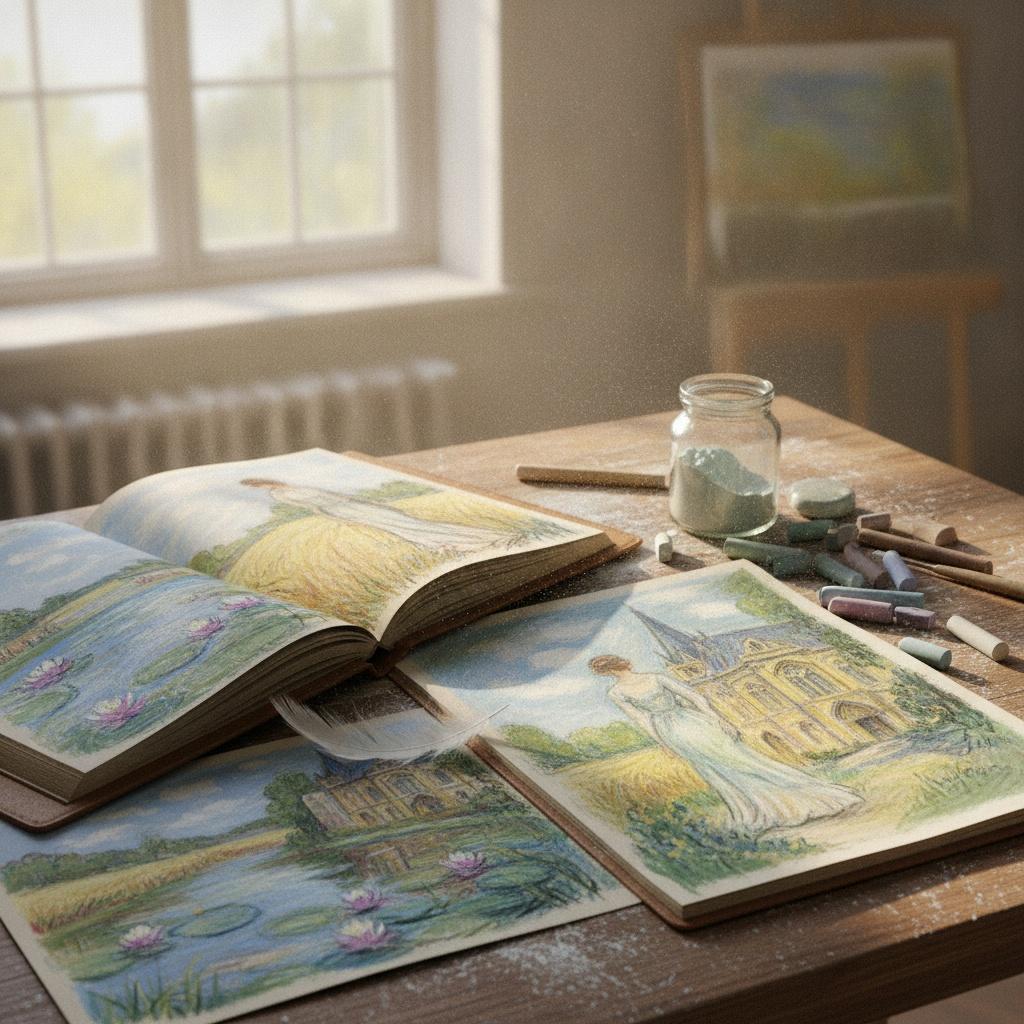
The Soft Magic of Chalk: Capturing Light, Texture, and the Ethereal Soul of Impressionist Masterpieces
Discover the ethereal beauty of pastel and chalk art. Explore how Impressionist masters like Van Gogh and Degas captured light and texture to create timeless, soulful masterpieces for the discerning collector.

Capturing the Soul: The Ethereal Magic and Timeless Technique of Impressionist Portraiture
Discover the ethereal beauty of Impressionist portraiture. Explore how masters like Monet and Renoir captured light and soul through brushwork, and learn how to bring this timeless magic into your home with exquisite, hand-painted oil reproductions from TopImpressionists.com.

Dining Room Elegance: Transforming Your Space with Impressionist Masterpieces
Elevate your dining room with the luminous beauty of Impressionist masterpieces. Discover how hand-painted Claude Monet and Renoir reproductions can transform your space into a sanctuary of light, color, and timeless elegance for your home.

Capturing the Light of Amsterdam: A Journey Through Impressionist Masterpieces of the Dutch Canals
Embark on a visual journey through the luminous Amsterdam canals. Discover how Impressionist masters captured the fleeting light of the Dutch landscape through evocative brushwork and color. Explore the timeless beauty of these masterpieces for your private art collection.
Avastage teoseid, mis on koondatud teemade, stiilide ja omaduste kaupa.


