
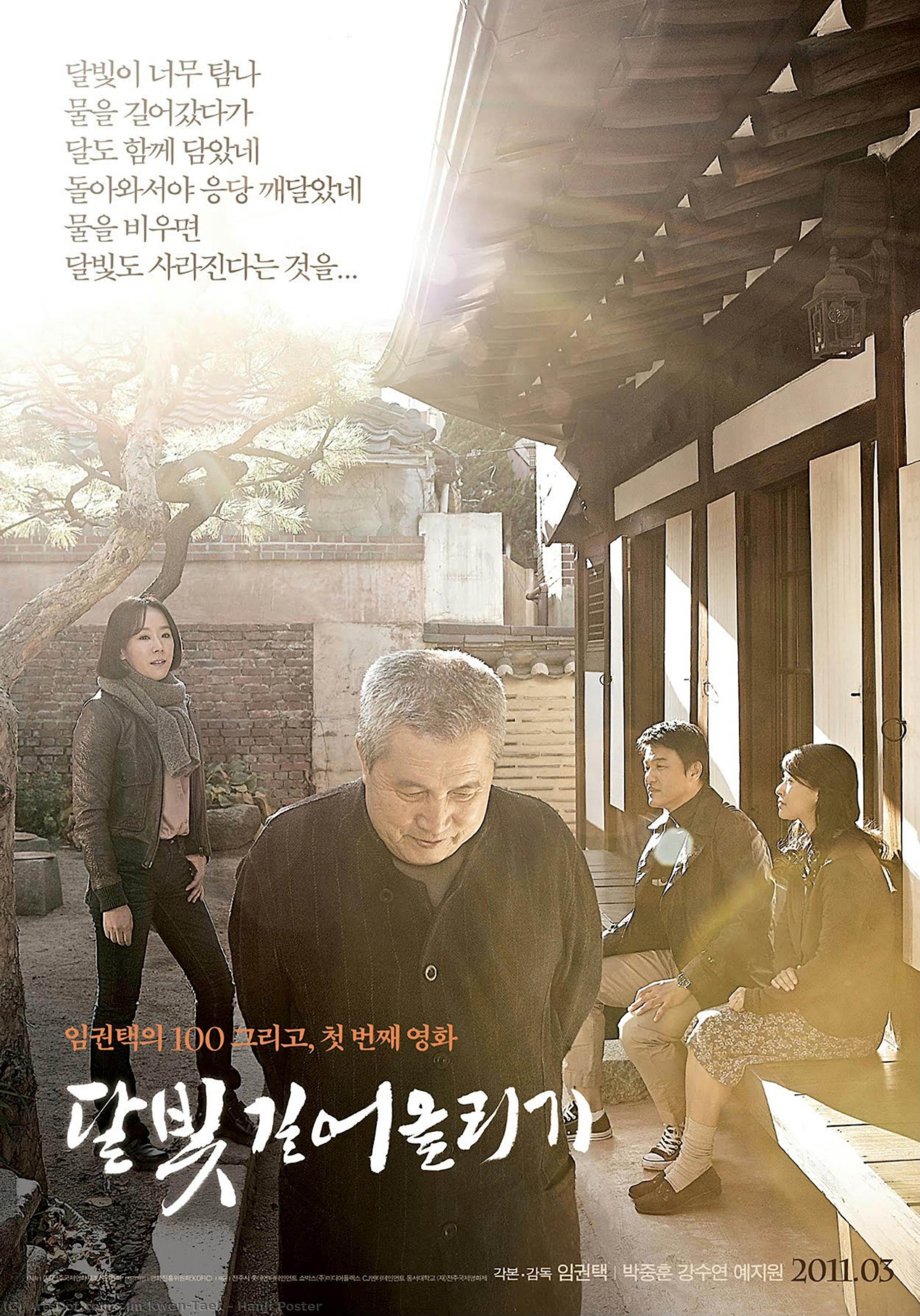
Näidatud: · koos raamiga:
 Eelvaade
 Saada
Saada Jaga
Jaga
 Teave teose kohta
 Juhend

 Laadi alla
 Sarnased teosed
 Röntgenuuring
 Slaidietendus
 KÜSIMUSED JA VASTUSID
 Statistika

€ 240
Käsitsi valmistatud õlimaalireproduktsioon
Meie kunstnike poolt tellimusel valmistatud käsitsi maalitud õli-kainaste teos teie soovitud suuruses ja raamis. ( Lülita trükkitoodetele Lülita digitaalse pildi juurde)
See teos on autoriõigusega kaitstud
Sellel lehel kuvatav kunstiteos on kaitstud autoriõigusega, mis tähendab, et meil ei ole seaduslikku õigust luua või müüa identset reproduktsiooni. Seda kaitset rakendatakse rahvusvaheliste kokkulepete alusel, nagu näiteks Berne konventsioon ning riiklike seadustega, sealhulgas nendega, mida on sätestatud USA autoriõiguse seadus – 17. peatükk.
Austasena ja seaduslikuna alternatiivina pakume originaalist inspireeritud, käsitsi maalitud isikupärastatud teoseid. Meie osutavad ja professionalsed kunstnikud uurivad hoolikalt originaali stiili, meelemoi ja kunstilist olemust, et luua uus, ainulaadne teos, mis tekitab sama tunnet – olles samal ajal omaette originaalne looming.
See meetod järgib täielikult autoriõiguse reegleid, kuna see ei põhine kaitstud kunstiteose kopeerimisel või dupliteerimisel. Selle asemel on tegu loova reinterpreetatsiooniga – uue maaldisega, mis on algteosest inspireeritud, kuid ei ole sellest identiline.
 Loe lähemalt
Suurus
·Standardne suurus
kohandatud
CM
INCH
Vali meie eelmääratud suurused, mis vastavad teose algupärastele proportsioonidele.
Suuruste laadimine...

laius
kõrgus
Sisestage vajalik laius ja kõrgus, et teos sobiks teie raamile või seinale. Kuna tegu on käsipainatud teosega, siis erineva kujuga suuruse korral võib kunstnik jätta pildi ümber veidi rohkem marginaali või lõigata osa ära — valik on teie. Enne maali alustamist saadame teile kinnitamiseks digitaalse näidisprojektsiooni. Sellel lehel näidatud pilt ei kajasta tegelikku tulemust — seda näitab ainult näidisprojektsioon.
Lõpuleviimine
·
Valge serv €1

häguse servaga lõppviimistlus €1

Laiendatud €1

P118B €10

P118H €10

P118W €10

P438Z €10

P508JH €12

P508YH €12

P805H €10

P805Z €10

P919BZ €10

P919G €10

P919XJ €10

P959ZH €10

P968JZ €12

W106C €8

W218G €10

W218JH €8

W218Y €10

W307PJ €10

W316G €10

W316PJ €8

W316Y €10

W398PJ €8

W4111J €10

W500HY €15

W500JH €15

W692G €12

W849H €8

W940BG €15

W953PJ €8

H24-GOLD €30

H24-SILVER €30

H36-GOLD €45

H36-SILVER €45
Saadetakse kaitsetorus, et te võiksite selle ise raamida.
Üle 105 cm suurust raami saadetakse komplektina professionaalse raamija jaoks — lugeege lisainfot.
Lisateenused
valikulineMida lisad sisaldavad?
Näited sellest, mida saab muuta: asendage nägu kliendi fotoga; lisage lemmikloom (nt asendage kass koega); lisage taustale peidetud sõnum; muutke tausta maastikku või elemente.
Pärast tellimust saadetab TopImpressionists.com meeskond klientile e-posti juhised ning esitab ette tasandatud eelvaate
Pärast tellimust saadetab TopImpressionists.com meeskond klientile e-posti juhised ning esitab ette tasandatud eelvaate
Maailmline tarne 3–4 nädala jooksul tavalise 5 nädala asemel. (7 november). Kvaliteedis kompromisse ei tehta.
Kaitsevärnitsus
Nimesildikiri
Graveeritud pronksplaadi üksikasjad
This elegant plaque features the artist's name and the title of the artwork, finely engraved for a timeless presentation.
It is made from bronze with a refined, elegant finish. The text is precisely laser-engraved for a sharp and permanent result. Measuring 9x2 cm, the plaque is compact yet easy to read. It's built to be durable and scratch-resistant, offering a professional, museum-quality look. Mounting is simple thanks to the included adhesive backing.
Läbipaistva akrüülplaadi üksikasjad
The plaque includes essential engraved details such as the artist's name, the title of the artwork, the date it was created, the type of media used-like oil on canvas or watercolor-a brief description of the piece, and a QR code that links to the complete artwork information.
It is crafted from clear acrylic, offering a sleek, modern appearance. The text is UV-engraved in black to ensure strong visual contrast. With a size of 10x15 cm, it ensures optimal readability. It comes equipped with two metal hooks for secure wall mounting. The plaque is designed to be weather-resistant, making it suitable for various environments, and it includes interactive features that work seamlessly with smartphone scanning.
Musta akrüülplaadiรายละเอียด (Note: The user provided "Musta akrüülplaadi detailid" as the current translation and asked for an improved version. Since "Musta akrüülplaadi
This elegant plaque includes engraved information such as the artist's name, the title of the artwork, the date it was created, the type of media used (like oil on canvas or watercolor), a short description of the artwork, and a QR code for quick access to more information.
The plaque itself is made from refined black acrylic with a premium finish. The text is laser-engraved in white for high contrast and readability. Its size is 10x15 cm, designed to be easy to read. It comes with two metal hooks for professional mounting. The design is sleek and fits any interior style. It is also weather-resistant and durable, with built-in digital integration for mobile compatibility.
Klaasivalik on saadaval ainult kuni 110 cm suuruses teostes
 Klaasivalik on saadaval ainult kuni 110 cm suuruses teostes
- Tasuta ekspresssaatmine üle maailma
- Kõrgekvaliteediline lina-kangas
- Täielik transpordikindlustus
- Tollimaksude tagastamise garantii
- Värvitoime täpsuse garantii
- 100 päeva tagastusõigus (ainult valmistusdefektide korral)
- 100% raha tagasi garantii
- Hulgusoodustus


Kunstniku elulugu
Im Kwon-taek (1936-present), 'the father of Korean cinema,' directed over 100 films exploring Korean history, culture & identity. Known for Sopyonje & Painted Fire, his work earned him the Cannes Best Director award.
Teemal maalid
Kiirinfo ja kunstiviktoriin
Info Im Kwon-taek kohta

Im Kwon-taek
1936 - , South Korea
Kunstniku elulugu
The Soul of Korean Cinema: The Life and Vision of Im Kwon-taek
To understand the cinematic landscape of South Korea is to encounter the profound and enduring spirit of Im Kwon-taek. Often revered as the "father of Korean cinema," Im has spent a lifetime weaving the complex tapestry of his nation’s history, culture, and identity into a visual language that resonates far beyond the peninsula. Born in 1936 in Changsong, Cheollanam-do, his early years were shadowed by the immense hardships of the Korean War. This period of upheaval and resilience became the foundational bedrock of his creative consciousness, instilling in him a deep empathy for the human condition and an unwavering commitment to portraying the authentic struggles and triumphs of the Korean people.
Im’s artistic journey began not behind a camera, but through a deep immersion in the traditional aesthetics of his homeland. His formative years were steeped in the rhythms of Korean folk art and the evocative power of oral storytelling. These early influences would later manifest in his films as a preference for visual narratives rooted in the rural landscape, where the natural world and human emotion are inextricably linked. After honing his sensibilities in Gwangju and navigating the bustling urban centers of Busan and Seoul, he emerged as a pivotal figure during the Korean New Wave of the 1960s and 70s. Alongside contemporaries like Jang Seung-eop, Im sought to move beyond mere commercial entertainment, utilizing the medium of film to explore profound themes of social justice, memory, and the shifting tides of national identity.
A Master of Poetic Realism and Cultural Preservation
The evolution of Im Kwon-taek’s work is marked by a transition from a prolific producer of genre films to a master of art-house cinema. While his early career saw him directing numerous commercial productions with remarkable efficiency, a profound artistic shift occurred in the late 1970s and early 1980s. Films such as Jokbo (The Family Tree) signaled his growing desire to create works of deeper philosophical and aesthetic significance. This metamorphosis reached its zenith with the landmark film Mandala, a work that pivoted his focus toward spiritual inquiry and the exploration of Buddhism, setting the stage for a career defined by a seamless blend of gritty realism and poetic imagery.
Im’s filmography is a vast archive of the Korean soul. His ability to capture the nuances of tradition—from the haunting melodies of pansori to the intricate rituals of shamanism—has made him a vital custodian of Korea's intangible heritage. His masterpieces often function as meditations on the passage of time and the persistence of culture amidst modernization:
- Sopyonje (1993): A hauntingly beautiful exploration of familial bonds and the tragic beauty of traditional music, which brought international acclaim to Korean cinema and earned him the Best Director award at the Cannes Film Festival.
- Painted Fire (1997): A visually breathtaking journey into the world of Korean shamanism, utilizing light and shadow to explore the spiritual depths of folk belief.
- Chihwaseon (2002): A lush, historical epic that further solidified his reputation for excellence, earning him prestigious recognition at Cannes once again.
Legacy and Historical Significance
The significance of Im Kwon-taek extends far beyond the boundaries of the silver screen; he has acted as a cultural ambassador, bringing the complexities of Korean history to the global stage. Through his lens, the world has witnessed the scars of the Japanese occupation, the devastation of civil war, and the delicate customs of past dynasties. His work does not merely document history; it breathes life into it, allowing audiences to feel the weight of tradition and the tension of contemporary morality.
By prioritizing the human connection and the sanctity of cultural memory, Im has ensured that the essence of Korea remains vibrant and visible in an increasingly globalized world. His legacy is one of artistic innovation and cultural preservation, a testament to the power of cinema to serve as both a mirror to society and a window into the eternal human spirit. As a director who has mastered the art of telling "good stories" through a sophisticated cinematic vocabulary, Im Kwon-taek remains an incomparable titan of world cinema.
Kiirinfo Im Kwon-taek kohta
- Full Name: Im Kwon-taek
- Nationality: Korean
- Date Of Birth: 1936
- Place Of Birth: Changsong, South Korea
- Notable Artworks:
- Sopyonje
- Painted Fire
- Artistic Movement Or Style: Korean New Wave
- Artists Who Influenced This Artist: ['Jang Seung-eop']
- Artists Or Movements Influenced By This Artist:
- Instituto Moreira Salles
- Lenbachhaus

Im Kwon-taek
Hanji Poster
() ·
koos raamiga: · Käsitööna õliga linale maaldud
Kokkuvõte