


 Vaata sisu
 Jaga teost
 Jaga
Jaga
 Detailid
 Õppekate juhend

 Laadi alla
 Sarnased teosed
 Röntgenuuring
 Slaidietendus
 Statistika
Interior
 Oil On Canvas
- WallArt
- Post-Impressionism
 1902
1902- 19th Century
 51.0 x 67.0 cm
Experience the intimate post-impressionist mood of Vuillard's 'Interior,' featuring rich color planes from 1902; discover this cozy masterpiece today.
 Loe lähemalt
Jean-Édouard Vuillard (1868-1940) oli prantsuse maalikunstnik ja Nabistide liikumise liige, tuntud intiimsete interjööridega, dekoratiivse stiili ning kubismi ja modernismi mõjutamisega. Avastage tema kunsti!
Käsitsi valmistatud õlimaalireproduktsioon
Meie kunstnike poolt tellimusel valmistatud käsitsi maalitud õli-kainaste teos teie soovitud suuruses ja raamis. ( Lülita trükkitoodetele Ülemineku digitaalse pildi müügi kanalisse)




P118B €10

P118H €10

P118W €10

P438Z €10

P508JH €12

P508YH €12

P805H €10

P805Z €10

P919BZ €10

P919G €10

P919XJ €10

P959ZH €10

P968JZ €12

W106C €8

W218G €10

W218JH €8

W218Y €10

W307PJ €10

W316G €10

W316PJ €8

W316Y €10

W398PJ €8

W4111J €10

W500HY €15

W500JH €15

W692G €12

W849H €8

W940BG €15

W953PJ €8




Standardne suurus
kohandatud
CM
INCH
Vali meie eelmääratud suurused, mis vastavad teose algupärastele proportsioonidele.
Loading sizes...

laius
kõrgus
Sisestage vajalik laius ja kõrgus, et teos sobiks teie raamile või seinale. Kuna tegu on käsipainatud teosega, siis erineva kujuga suuruse korral võib kunstnik jätta pildi ümber veidi rohkem marginaali või lõigata osa ära — valik on teie. Enne maali alustamist saadame teile kinnitamiseks digitaalse näidisprojektsiooni. Sellel lehel näidatud pilt ei kajasta tegelikku tulemust — seda näitab ainult näidisprojekttsioon.
Näited muudetavatest elementidest: asenda nägu kliendi fotoga; lisa lemmikloom (nt asenda kass koeraga); lisa taustale peidetud sõnum; muuda tausta maastikku või elemente.
Pärast tellimust saadab TopImpressionists.com meeskond kliendile e-posti juhised ning esitab eelvaate kavandi
Pärast tellimust saadab TopImpressionists.com meeskond kliendile e-posti juhised ning esitab eelvaate kavandi
Maailmline tarne 3–4 nädala jooksul tavalise 5 nädala asemel. (22 oktoober). Kvaliteedis kompromisse ei tehta.

Tasuta ekspresssaatmine üle maailma

Kõrgekvaliteediline lina-kangastest muld

Täielik transpordikindlustus

Tollimaksude tagastamise garantii

Värvitoime täpsuse garantii

100 päeva tagastusõigus (ainult defektide korral)

100% raha tagasi garantii

Hulgusoodustus
 Klaasivalik on saadaval ainult kuni 110 cm suuruses teostes

Interior
Reproduktsiooni materjal
Reproduktsiooni mõõtmed
-


Lõppsumma
€ 236
An Intimate Glimpse into Parisian Life
Jean-Édouard Vuillard’s "Interior," painted in 1902, transports us immediately into the hushed, warmly lit embrace of a private Parisian dwelling. This is not merely a depiction of furniture and figures; it is an immersion into a moment suspended in time—a tableau vivant of quiet companionship. The composition centers around two figures settled within the room, their presence lending an immediate sense of intimacy to the scene. One person occupies a chair near the left edge, while another rests closer to the heart of the picture plane. The arrangement suggests conversation, shared contemplation, and the deep comfort found in familiar company.
The Artistry of Les Nabis: Color and Pattern
To understand this work is to understand the revolutionary spirit of Les Nabis. As a key member of this avant-garde collective, Vuillard moved beyond the fleeting light captured by his predecessors. Instead, he focused on the decorative potential inherent in everyday life. In "Interior," we see this philosophy manifest through flattened planes of color and pattern. The room itself becomes an active participant in the narrative; patterned wallpaper, draped fabrics, and the arrangement of objects—the dining table set with a book, the nearby bowl, the two elegant vases—all contribute to a rich tapestry of visual texture. Vuillard masterfully uses these decorative elements not just for beauty, but to build up the very structure of the pictorial space.
Technique and Atmosphere: A Study in Domesticity
The technique employed here is characteristic of post-impressionism’s turn toward interiority. The light filtering in from an unseen source, perhaps near the window view glimpsed beyond, does not illuminate sharply; rather, it permeates, softening edges and deepening shadows into rich, velvety tones. This careful handling of color creates a palpable atmosphere—one that is both cozy and slightly melancholic. For those who appreciate interior design, the painting offers a profound study in domestic harmony. The inclusion of the couch on the right, alongside the structured dining area, suggests a life lived richly within these walls.
Symbolism of Shared Space
Beyond the visible objects, "Interior" resonates with deeper symbolic currents. The gathering of people and possessions speaks to the human need for connection against the backdrop of modern urbanity. The stillness captured by Vuillard is itself a statement—a celebration of the quiet moments that define a life well-lived. Owning a reproduction of this piece allows one to bring not just a painting, but an entire mood into your own space: one of cultured repose and deep, enveloping warmth.
Küsimused ja vastused
Millist kintust ja intensiivsust „Interior“, autor Jean-Édouard Vuillard näitab?
Teose „Interior“, autor Jean-Édouard Vuillard värvid on Balanced Soft kütkusega ja Balanced intensiivsusega.
Millist emotsiooni edastab Post-Impressionism suunaga teos "Interior"?
"Interior" kannab endas Comforting emotsionaalset toonist, mis on omane Post-Impressionism suunale.
Millist teemat ja atmosfääri „Interior“, autor Jean-Édouard Vuillard ühendab?
Teos "Interior" kujutab teemasid interior scene, people indoors, dining table, cozy atmosphere, post-impressionism, french art ning selle meeleolu on Serene.
Sarnased teosed





Kunstniku elulugu
Varajane Elu ja Kunstiline Algus
Jean-Édouard Vuillard, prantsuse maalikunstnik, dekoraator ja graafik, sündis 11. novembril 1868. aastal Cuiseaux’s, Prantsusmaal. Tema elu loometeed kujundas oluliselt avangardi kunstirühmitus Les Nabis, kuhu kuulusid ka visionäärid nagu Maurice Denis ja teised sarnased vaimud. See kollektiiv revolutsioneeris kunstimaailma oma uuendusliku lähenemisviisi värvile ja vormile. Vuillard’ varasemad tööd, mis olid tihedalt seotud impressionismiga, näitasid juba kalduvust detailidele ning valgusvarjundite peene tajumise poole. Ta õppis Pariisis kunstikoolides, kus ta kohtus paljude tulevaste Les Nabis liikmetega ja hakkas katsetama uute väljendusvahenditega. Tema perekonna tagasihoidlikud olud mõjutasid tema varaseid teemasid – kodused interjöörid, perepildid ning igapäevaelu stseenid.Les Nabise Liikumine ja Selle Mõju
Vuillard oli Les Nabis rühmituse silmapaistev liige, kelle maalid koondasid puhtaid värvialasid, mis olid inspireeritud Jaapani trükigraafikast. Tema interjöörimaalid uurisid ruumilisi efekte lamedate värvipindide, mustrite ja vormide kaudu. See lähenemisviis mõjutas hiljem kubismi, fauvismi ning abstraktse kunsti arengut. Les Nabis, noorte prantsuse kunstnike grupp, kes tegutses Pariisis 1888. aastast kuni 1900. aastani, mängis suurt rolli üleminekufaasist impressionismist ja akadeemilisest kunstist abstraktse kunsti, sümbolismi ning muude modernismi varajaste liikumiste poole. Nende filosoofia põhines positivismipõhimõttel ning Auguste Comte’i ja Hippolyte Taine’i kirjutistel. Vuillard' maalimisviis eristus teistest nabistidest oma intiimsuse ja pehmuse poolest, keskendudes tihti naiste kujutamisele kodustes olukordades. Ta vältis suuri avalikke stseene ning eelistis uurida privaatset ruumi ja isiklikke emotsioone.Hilised Teosed ja Pärand
Pärast 1900. aastat, kui Les Nabis laiali läks, võttis Vuillard omaks realistlikuma stiili, käsitledes maastikke ja interjööre suurema detaili ja elavate värvidega. 1920. ja 1930. aastatel portreteeris ta silmapaistvaid figuure Prantsuse tööstuses ja kunstis nende tuttavates keskkondades. Tema hilisemad teosed näitasid suuremat huvi kompositsiooni ja valguse mängu vastu, säilitades samal ajal tema iseloomuliku värvikäsitluse. Vuillard loomingut iseloomustas ka graafika – litograafiade ja puugravüüride loomine, mis täiendasid tema maalikunstilisi katsetusi. Tema tööd on eksponeeritud paljudes muuseumides üle maailma, sealhulgas Musée de la Révolution Française, kus asub rikkalik kollektsioon kunstiteoseid, dokumente ja objekte, mis on seotud revolutsiooniliste perioodidega.Peamised Teosed ja Näitused
Jean-Édouard Vuillard’i maalid on esindatud erinevates muuseumides, sealhulgas Musée de la Révolution Française (Prantsusmaa), mis uhkeldab rikkaliku kollektsiooniga kunstiteoseid, dokumente ja objekte, mis on seotud revolutsiooniliste perioodidega. Mõned tema tähelepanuväärsemad teosed hõlmavad Guillaume Lethière’i “La Patrie en Danger” ja Jean Clouet’i “Jean de la Barre”, mis kujutab noort meest, kes on mõistetud surma ketserluse eest Ancien Régime'i ajal. Tema hilisemad teosed, näiteks portreed Prantsuse tööstus- ja kunstiringkondade esindajatest, on eksponeeritud erinevates galeriides, sealhulgas intimism art movement ja Jean-Édouard Vuillard’i lehel TopImpressionists'is.Kokkuvõte
Jean-Édouard Vuillard’i salapärane maailm, mida iseloomustab uuenduslik värvikasutus ja vormikunst, on jätnud kustumatu jälje kunstimaailma. Modernismi pioneerina jätkab tema loomingut inspireerivat mõju kunstnikele ning erinevatele kunstiliikumistele. Avastage rohkem intimism art movement kohta ja uurige Jean-Édouard Vuillard’i teoseid TopImpressionists'is.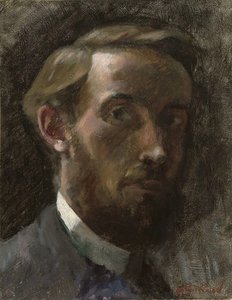
Jean-Édouard Vuillard
1868 - 1940 , Prantsusmaa
Lühikest infot
- Artistic Movement Or Style: Nabis
- Artists Or Movements Influenced By This Artist:
- Kubism
- Fauvism
- Artists Who Influenced This Artist: ['Paul Gauguin']
- Date Of Birth: 11. november 1868
- Date Of Death: 21. juuni 1940
- Full Name: Jean-Édouard Vuillard
- Nationality: Prantslane
- Notable Artworks:
- Woman Sweeping
- Sunlit Interior
- Place Of Birth: Cuiseaux, Prantsusmaa
Sarnased artiklid

Beyond the Light: Discovering the Soul and Emotional Depth of Post-Impressionism
Embark on a cultural journey through Post-Impressionism. Discover the profound emotional depth of masters like Van Gogh and Cézanne, exploring how they moved beyond light to capture the very soul of human experience through vibrant color and symbolic form.
Avastage teoseid, mis on koondatud teemade, stiilide ja omaduste kaupa.


