

 Eelvaade
 Saada
Saada Jaga
Jaga
 Teave teose kohta
 Juhend

 Laadi alla
 Sarnased teosed
 Röntgenuuring
 Slaidietendus
 Q&A
Q&A Statistika
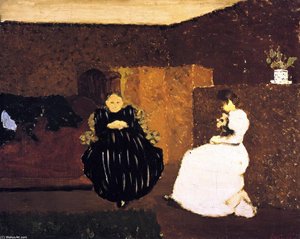
Interior


Jean-Édouard Vuillard’s “Interior” exemplifies the Nabi movement’s innovative use of color and form, depicting a serene domestic scene with muted tones and subtle textures. Created around 1900, this painting showcases Vuillard's mastery in capturing intimate moments within a home setting and is prominently displayed at the Detroit Institute of Arts.
 Loe lähemalt
Jean-Édouard Vuillard (1868-1940) oli prantsuse maalikunstnik ja Nabistide liikumise liige, tuntud intiimsete interjööridega, dekoratiivse stiili ning kubismi ja modernismi mõjutamisega. Avastage tema kunsti!
Giclée / Kunstiprint
Muuseumikvaliteediga giclée- või kangasprint kiire tootmisega ja paindlikud viimistlusvõimalused. ( Osta käsitsi maalatud teos Lülita digitaalse pildi juurde)




P118B €10

P118H €10

P118W €10

P438Z €10

P508JH €12

P508YH €12

P805H €10

P805Z €10

P919BZ €10

P919G €10

P919XJ €10

P959ZH €10

P968JZ €12

W106C €8

W218G €10

W218JH €8

W218Y €10

W307PJ €10

W316G €10

W316PJ €8

W316Y €10

W398PJ €8

W4111J €10

W500HY €15

W500JH €15

W692G €12

W849H €8

W940BG €15

W953PJ €8




Standardne suurus
kohandatud
CM
INCH
Vali meie eelmääratud suurused, mis vastavad teose algupärastele proportsioonidele.
Loading sizes...

laius
kõrgus
Sisestage vajalik laius ja kõrgus, et see sobiks teie raamile või seinale. Trükki saab ainult lõigata, seda ei saa kunagi pildist suuremaks teha, seega ka erineva mustega suurus kaotab osa pildist. Enne trükkimist saadame teile kinnitamiseks digitaalse näidisprojektsiooni. Sellel lehel näidatud pilt ei kujuta reaalset lõiget — seda näitab ainult näidisprojektsioon.
Ülemaailmne tarne () 2 nädala jooksul, tavalise 4/5 nädala asemel. (2 november)

Tasuta ekspresssaatmine üle maailma

Kõrgekvaliteediline lina-kangas

Täielik transpordikindlustus

Tollimaksude tagastamise garantii

Värvitoime täpsuse garantii

100 päeva tagastusõigus (ainult valmistusdefektide korral)

100% raha tagasi garantii

Hulgusoodustus
 Klaasivalik on saadaval ainult kuni 110 cm suuruses teostes

Interior
Giclée / Kunstiprint
Reproduktsiooni suurus
-


Koguhind
€ 61
Jean-Édouard Vuillard: Capturing Quietude in “Interior”
The painting "Interior," executed by Jean-Édouard Vuillard around 1900-1905, stands as a quintessential example of Nabis art—a movement that sought to revolutionize artistic expression through radical simplification and the exploration of color’s emotive power. More than just a depiction of domestic space, it embodies Vuillard's profound fascination with capturing fleeting moments of stillness and intimacy within the everyday world. Located at the Detroit Institute of Arts, this artwork invites viewers into a carefully constructed tableau that speaks volumes about artistic innovation and perceptual experience.A Synthesis of Impressionism and Japanese Influence
Vuillard’s approach to painting was deeply rooted in Impressionist principles—particularly the emphasis on capturing light and atmosphere—yet he decisively moved beyond its limitations. Influenced by the pioneering work of Paul Gauguin, Vuillard embraced a bold departure from academic conventions. However, his artistic vision gained significant impetus from Japanese prints (ukiyo-e), which had begun to circulate in Europe during this period. Like Serusier’s “The Talisman,” Vuillard utilized flattened planes of color—a technique borrowed directly from Japanese aesthetics—to create an illusion of depth and spatial ambiguity. This deliberate simplification wasn't merely stylistic; it represented a fundamental rethinking of how artists could represent reality, prioritizing feeling over precise observation.Composition and Color Palette: Orchestrating Emotion
The composition itself is deceptively simple. Two chairs dominate the scene, one occupied by a figure whose presence is subtly suggested rather than overtly portrayed—a characteristic Vuillard technique that encourages contemplation and invites viewers to fill in the gaps of perception. A window frames a glimpse of foliage outside, bathed in soft light, contributing to the overall sense of tranquility. Yet, it’s the color palette that truly distinguishes “Interior.” Vuillard employed hues of pink, peach, and pale yellow—colors chosen not for their literal representation but for their ability to evoke emotion. These shades coalesce into a harmonious blend that conveys warmth, comfort, and perhaps even melancholy—a testament to Vuillard's masterful control over chromatic orchestration.Symbolism Within Everyday Reality
Beyond its formal qualities, “Interior” resonates with symbolic significance. The empty chair serves as a poignant reminder of absence and solitude, while the window represents connection to nature—a recurring motif in Vuillard’s oeuvre. The bird perched on the windowsill symbolizes freedom and aspiration, subtly elevating the scene beyond mere visual description. These elements intertwine to create a narrative that transcends the surface appearance of the room, prompting viewers to consider themes of contemplation, memory, and the beauty inherent in ordinary life.Legacy and Influence
Vuillard’s innovative approach to color and form profoundly impacted subsequent artistic movements—most notably Cubism and Fauvism—establishing him as a pivotal figure in the transition from Impressionism to abstraction. His unwavering commitment to capturing subjective experience continues to inspire artists today, demonstrating the enduring power of art to convey emotion and illuminate the complexities of human perception. “Interior” remains an unforgettable masterpiece, embodying Vuillard’s artistic genius and securing his place among the most celebrated painters of the Belle Époque.Korduvad küsimused
Millist kontrasti näitab teos „Interior“, autor Jean-Édouard Vuillard?
Teose „Interior“, autor Jean-Édouard Vuillard kontrastivaimustus on Serene.
Millist tooni suundub "Interior"?
"Interior" on kallutunud Ochre to Sepia toonile.
Kas saan kasutada täiendatud reaalset, et näha teost „Interior“, autor Jean-Édouard Vuillard oma toonas?
Teose „Interior“, autor Jean-Édouard Vuillard leht AR-eelvaade teose kohta kasutab täiendatud reaalset, et näidata teost ühilduva seadme abil teie enda ruumis.
Sarnased teosed
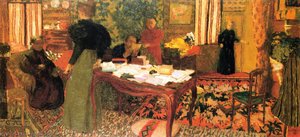
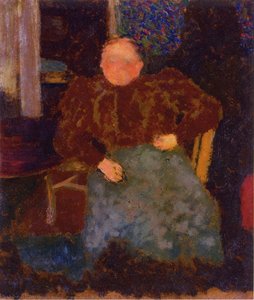


Kunstniku elulugu
Varajane Elu ja Kunstiline Algus
Jean-Édouard Vuillard, prantsuse maalikunstnik, dekoraator ja graafik, sündis 11. novembril 1868. aastal Cuiseaux’s, Prantsusmaal. Tema elu loometeed kujundas oluliselt avangardi kunstirühmitus Les Nabis, kuhu kuulusid ka visionäärid nagu Maurice Denis ja teised sarnased vaimud. See kollektiiv revolutsioneeris kunstimaailma oma uuendusliku lähenemisviisi värvile ja vormile. Vuillard’ varasemad tööd, mis olid tihedalt seotud impressionismiga, näitasid juba kalduvust detailidele ning valgusvarjundite peene tajumise poole. Ta õppis Pariisis kunstikoolides, kus ta kohtus paljude tulevaste Les Nabis liikmetega ja hakkas katsetama uute väljendusvahenditega. Tema perekonna tagasihoidlikud olud mõjutasid tema varaseid teemasid – kodused interjöörid, perepildid ning igapäevaelu stseenid.Les Nabise Liikumine ja Selle Mõju
Vuillard oli Les Nabis rühmituse silmapaistev liige, kelle maalid koondasid puhtaid värvialasid, mis olid inspireeritud Jaapani trükigraafikast. Tema interjöörimaalid uurisid ruumilisi efekte lamedate värvipindide, mustrite ja vormide kaudu. See lähenemisviis mõjutas hiljem kubismi, fauvismi ning abstraktse kunsti arengut. Les Nabis, noorte prantsuse kunstnike grupp, kes tegutses Pariisis 1888. aastast kuni 1900. aastani, mängis suurt rolli üleminekufaasist impressionismist ja akadeemilisest kunstist abstraktse kunsti, sümbolismi ning muude modernismi varajaste liikumiste poole. Nende filosoofia põhines positivismipõhimõttel ning Auguste Comte’i ja Hippolyte Taine’i kirjutistel. Vuillard' maalimisviis eristus teistest nabistidest oma intiimsuse ja pehmuse poolest, keskendudes tihti naiste kujutamisele kodustes olukordades. Ta vältis suuri avalikke stseene ning eelistis uurida privaatset ruumi ja isiklikke emotsioone.Hilised Teosed ja Pärand
Pärast 1900. aastat, kui Les Nabis laiali läks, võttis Vuillard omaks realistlikuma stiili, käsitledes maastikke ja interjööre suurema detaili ja elavate värvidega. 1920. ja 1930. aastatel portreteeris ta silmapaistvaid figuure Prantsuse tööstuses ja kunstis nende tuttavates keskkondades. Tema hilisemad teosed näitasid suuremat huvi kompositsiooni ja valguse mängu vastu, säilitades samal ajal tema iseloomuliku värvikäsitluse. Vuillard loomingut iseloomustas ka graafika – litograafiade ja puugravüüride loomine, mis täiendasid tema maalikunstilisi katsetusi. Tema tööd on eksponeeritud paljudes muuseumides üle maailma, sealhulgas Musée de la Révolution Française, kus asub rikkalik kollektsioon kunstiteoseid, dokumente ja objekte, mis on seotud revolutsiooniliste perioodidega.Peamised Teosed ja Näitused
Jean-Édouard Vuillard’i maalid on esindatud erinevates muuseumides, sealhulgas Musée de la Révolution Française (Prantsusmaa), mis uhkeldab rikkaliku kollektsiooniga kunstiteoseid, dokumente ja objekte, mis on seotud revolutsiooniliste perioodidega. Mõned tema tähelepanuväärsemad teosed hõlmavad Guillaume Lethière’i “La Patrie en Danger” ja Jean Clouet’i “Jean de la Barre”, mis kujutab noort meest, kes on mõistetud surma ketserluse eest Ancien Régime'i ajal. Tema hilisemad teosed, näiteks portreed Prantsuse tööstus- ja kunstiringkondade esindajatest, on eksponeeritud erinevates galeriides, sealhulgas intimism art movement ja Jean-Édouard Vuillard’i lehel TopImpressionists'is.Kokkuvõte
Jean-Édouard Vuillard’i salapärane maailm, mida iseloomustab uuenduslik värvikasutus ja vormikunst, on jätnud kustumatu jälje kunstimaailma. Modernismi pioneerina jätkab tema loomingut inspireerivat mõju kunstnikele ning erinevatele kunstiliikumistele. Avastage rohkem intimism art movement kohta ja uurige Jean-Édouard Vuillard’i teoseid TopImpressionists'is.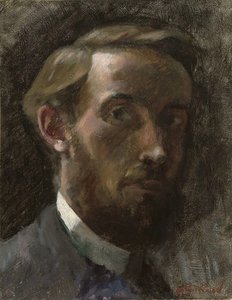
Jean-Édouard Vuillard
1868 - 1940 , Prantsusmaa
Lühikest infot
- Artistic Movement Or Style: Nabis
- Artists Or Movements Influenced By This Artist:
- Kubism
- Fauvism
- Artists Who Influenced This Artist: ['Paul Gauguin']
- Date Of Birth: 11. november 1868
- Date Of Death: 21. juuni 1940
- Full Name: Jean-Édouard Vuillard
- Nationality: Prantslane
- Notable Artworks:
- Woman Sweeping
- Sunlit Interior
- Place Of Birth: Cuiseaux, Prantsusmaa
Sarnased artiklid

The Art of Atmosphere: Elevating Luxury Hotel Interiors with Timeless Impressionist Masterpieces
Elevate luxury hospitality with timeless Impressionist reproductions. Discover how professional designers use light, color, and Post-Impressionist depth to create unforgettable hotel atmospheres through bespoke, hand-painted oil masterpieces.
Avastage teoseid, mis on koondatud teemade, stiilide ja omaduste kaupa.


