


 Vaata sisu
 Jaga teost
 Jaga
Jaga
 Detailid
 Õppekate juhend

 Laadi alla
 Sarnased teosed
 Röntgenuuring
 Slaidietendus
 Statistika
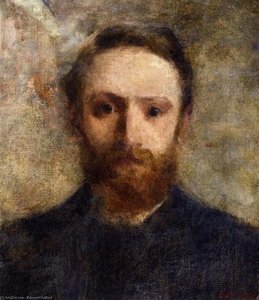
Self Portrait
 Oil On Canvas
- WallArt
- Impressionism
 1870
1870- 19th Century
 46.0 x 38.0 cm
A striking 1870 self-portrait by Impressionist master Frédéric Bazille captures a serious, intellectual gaze through masterful brushwork, offering a profound window into the artist's soul for your private collection.
 Loe lähemalt
Avastage Jean Frédéric Bazille (1841-1870), võtmeisik impressionismis! Uurige tema elavat maastike-, portreekunsti ja tihedat seost Monet', Renoir'ga. Kvaliteetsed reproduktsioonid nüüd saadaval!
Käsitsi valmistatud õlimaalireproduktsioon
Meie kunstnike poolt tellimusel valmistatud käsitsi maalitud õli-kainaste teos teie soovitud suuruses ja raamis. ( Lülita trükkitoodetele Ülemineku digitaalse pildi müügi kanalisse)




P118B $10

P118H $10

P118W $10

P438Z $10

P508JH $12

P508YH $12

P805H $10

P805Z $10

P919BZ $10

P919G $10

P919XJ $10

P959ZH $10

P968JZ $12

W106C $8

W218G $10

W218JH $8

W218Y $10

W307PJ $10

W316G $10

W316PJ $8

W316Y $10

W398PJ $8

W4111J $10

W500HY $15

W500JH $15

W692G $12

W849H $8

W940BG $15

W953PJ $8




Standardne suurus
kohandatud
CM
INCH
Vali meie eelmääratud suurused, mis vastavad teose algupärastele proportsioonidele.
Loading sizes...

laius
kõrgus
Sa võite sisestada oma mõõtmed konkreetse raami või ruumi sobivuse tagamiseks. Kui teie valitud suurus ei vasta originaalpildi proportsioonidele, siis kärvime kunstiteost või laiendame maali täiendavate käsitsi maalitud elementidega. Enne tootmise algust saadetakse teile heakskiitmiseks digitaalne eelvaade.
Palun pidage meeles, et ekraanil kuvatav eelvaade ei kajasta tegelikku kärpimist või laiendamist. Ainult eelvaade näitab täpselt lõplikku kompositsiooni.
Kuigi on saadaval kohandatud suurused, soovitame originaalproportsioonide säilimiseks valida mõõdud eelmääratletud nimekirjast.
Näited muudetavatest elementidest: asenda nägu kliendi fotoga; lisa lemmikloom (nt asenda kass koeraga); lisa taustale peidetud sõnum; muuda tausta maastikku või elemente.
Pärast tellimust saadab TopImpressionists.com meeskond kliendile e-posti juhised ning esitab eelvaate kavandi
Pärast tellimust saadab TopImpressionists.com meeskond kliendile e-posti juhised ning esitab eelvaate kavandi
Maailmline tarne 3–4 nädala jooksul tavalise 5 nädala asemel. (26 september). Kvaliteedis kompromisse ei tehta.

Tasuta ekspresssaatmine üle maailma

Kõrgekvaliteediline lina-kangastest muld

Täielik transpordikindlustus

Tollimaksude tagastamise garantii

Värvitoime täpsuse garantii

100 päeva tagastusõigus (ainult defektide korral)

100% raha tagasi garantii

Hulgusoodustus
 Klaasivalik on saadaval ainult kuni 110 cm suuruses teostes

Self Portrait
Reproduktsiooni materjal
Reproduktsiooni mõõtmed
-


Lõppsumma
$ 269
A Glimpse into the Soul of an Impressionist Master
In this poignant Self Portrait, painted in 1870, we encounter Frédéric Bazille not merely as a painter, but as a man caught in the delicate transition between youthful ambition and the heavy mantle of artistic legacy. The canvas presents a striking study of character; the subject gazes directly at the viewer with an expression that is simultaneously serious and deeply introspective. Clad in the crisp formality of a white shirt and a black tie, his neatly combed hair lends him an air of intellectual rigor, yet there is an undeniable vulnerability beneath the surface. This work serves as a profound window into the psyche of a man whose life would be tragically cut short at the height of his creative powers.
The composition is masterfully layered, moving beyond a simple portrait to create a narrative space that feels lived-in and complex. While the central figure commands our immediate attention, the presence of other figures—one positioned toward the right and another receding into the background on the left—suggests a world teeming with social connection and shared history. A subtle, almost ethereal detail, a bird visible near the top-left corner, introduces an element of unexpected life and perhaps symbolizes the fleeting nature of existence. The inclusion of a chair at the far right edge anchors the scene in a domestic reality, grounding the psychological depth of the portrait within a tangible, physical environment.
Technique and the Radiance of Light
As a pivotal figure in the early Impressionist movement, Bazille’s technique in this self-portrait reflects a sophisticated command over light and form. The brushwork, while maintaining a certain structural integrity characteristic of his academic training, begins to embrace the luminous qualities that would define his later contributions to art history. There is a palpable sense of texture in the rendering of his clothing and the subtle shadows that contour his face, creating a three-dimensional presence that breathes within the frame. The interplay of light across the subject's features does more than just define shape; it evokes an emotional temperature, capturing a moment of quiet, contemplative stillness.
For the discerning collector or interior designer, this piece offers much more than mere decoration. It is an invitation to engage with the history of French Impressionism through a deeply personal lens. The painting’s palette and composition make it a versatile centerpiece for a sophisticated interior, providing a focal point that sparks conversation and invites lingering study. Whether placed in a sunlit gallery or a moody, library-style study, this reproduction brings with it the weight of 19th-century history and the enduring beauty of a master's self-reflection.




Kunstniku elulugu
Jean Frédéric Bazille’i lühike sära
Jean Frédéric Bazille’i lugu on tohutu potentsiaali traagiliselt katkenud narratiiv, lühikeseline kuid oluline panus Impressionismi algusesse. Sündinud 6. detsembril 1841 Montpellier’s Prantsusmaal jõuka protestantliku perekonna juures, kes olid seotud veinitootmisega, tundus Bazille esialgu määratud elule kunstimaailmast kaugele. Vanemad, kuigi toetavad, nõudsid, et ta jätkaks meditsiiniõpinguid koos oma kunstikalduvustega – kompromiss, mis kajastas tollaseid ühiskondlikke ootusi ja nende soovi tema finantsilise kindlustatuse järele. See dualiteet kujundasid tema varased aastad, jagades ta tähelepanu anatoomia dissektseerimise ja värvi ning valguse kütkestava võlu vahel. Kuid just Pariisi elulises atmosfääris, kuhu ta 1862. aastal meditsiiniõpingute jätkamiseks kolis, hakkas Bazille’i kunstiline tee tõeliselt lahti rulluma.Hiiglaste seas rada loomas
Pariis osutus noorele Bazille’ile proovikiviks. Ta sattus kiiresti ringi artistidega, kes said Impressionismi sünonüümiks: Claude Monet, Pierre-Auguste Renoir ja Alfred Sisley. Õpingud Charles Gleyre'i juures andsid talle formaalse koolituse, kuid just sõprade vahel jagatud kirg ja radikaalsed ideed süütasid tema kunstilise visiooni tõeliselt. Bazille’i finantsiline stabiilsus – õnnelik vastand kaaslaste sageli ebakindlale eksistentsile – võimaldas tal neile heldekäeliselt toetust pakkuda, pakkudes stuudiot ja materjale. See heldusus ei olnud pelgalt praktiline; see tulenes sügavast seltsielust ja usust nende kollektiivsesse potentsiaali. Temast sai selle uue grupi eluline keskus, soodustades eksperimenteerimise ja vastastikuse julgustuse keskkonda. Tema varased teosed, nagu Roosa kleit (c. 1864), demonstreerisid juba teravat silma hetkede tabamiseks ja valguse efektidele – tunnusmärke, mis defineeriksid Impressionismi. Ta ei jäljendanud lihtsalt väljakujunenud stiile; ta osales aktiivselt millegi täiesti uue loomises.Stiil määratletud valgus ja sõprus
Bazille’i kunstiline stiil, kuigi kiiresti arenev, omandas unikaarse iseloomu laiemas Impressionistlikus esteetikas. Kuigi ta jagas nende kirge *plein air* maalimisega – töötades õues loodusliku valguse nüansside otse tabamiseks – olid tema kompositsioonid sageli struktureeritumad kui Moneti või Renoir’i omad. Ta kombineeris sagedasti figuurimaali maastikuga, asetades oma tegelased mõtlelikult keskkonda, nagu näiteks meistriteostes Perekonna kokkutulek (1867-1868). See töö ei ole pelgalt perekondliku kogunemise kujutus; see on valguse uurimine puude läbi filtreerumas, elustades stseeni ja andes sellele soojust ja intiimsust. Tema maalid ei käsitlenud niivõrd *mida* ta nägi, vaid *kuidas* ta seda nägi – värvi, vormi ja valguse poolt tekitatud emotsionaalne resonants. Ta oli sügavalt mõjutatud Eugène Delacroix’st, kelle elav värvikasutus kajastas tema enda kunstilisi tundeid, kuid ta läks kaugemale akadeemilistest konventsioonidest, et omakseda kaasaegsemat tundlikkust.Katkenud elu: pärand ja mälestus
Jean Frédéric Bazille’i õitsev karjäär katkes 1870. aasta Prantsuse-Preisi sõjas brutaalselt. Patriootilise kohusetundega liitus ta Zouave polguga vaid mõned kuud pärast konflikti puhkemist. Tragiliselt hukkus ta tegevuses 28. novembril 1870 Beaune-la-Rolande’i lähedal noorena, 28-aastaselt. Tema surm saatis šokilaineid kunstikogukonnas, võttes neilt andeka sõbra ja helde tegija. Tema enneaegne surm tähendas, et tema töö jäi paljudeks aastateks suhteliselt tundmatuks. Kuid viimastel aastakümnetel on Bazille’i panust üha enam tunnustatud ja tähistatud. Tänapäeval hoitakse tema maale prestiižsetes muuseumides, nagu Pariisi Musée d'Orsay, ning reprodutseerimine võimaldab kunstihuvilistel üle maailma kogeda tema ilu ja uuendust. Bazille’i pärand ulatub kaugemale tema kunstilisest väljastusest; ta kehastab noorusliku idealismi vaimu, järjekindlat pühendumist ja sõpruse jõudu, mis defineerisid Impressionismi varaseid päevi. Ta jääb poignandi meeldetuletuseks kaotatud potentsiaalist, kuid samal ajal tunnistuseks lühikese, kuid särava karjääri püsivast mõjust.
Jean Frédéric Bazille
1841 - 1870 , Prantsusmaa
Lühikest infot
- Artistic Movement Or Style: Impressionism
- Artists Or Movements Influenced By This Artist: ['Impressionism']
- Artists Who Influenced This Artist: ['Eugène Delacroix']
- Date Of Birth: 6. detsember 1841
- Date Of Death: 28. november 1870
- Full Name: Jean Frédéric Bazille
- Nationality: Prantslane
- Notable Artworks:
- The Pink Dress
- Family Reunion
- Studio in Rue de Furstenberg
- Bathers (Summer Scene)
- Place Of Birth: Montpellier, Prantsusmaa
Sarnased artiklid

Mars Black Masterpieces: 10 Iconic Paintings & Timeless Art Decor Ideas
Delve into the power of 'Mars Black' with 10 iconic paintings by masters like Rembrandt & Caravaggio. Explore dramatic chiaroscuro, gothic art, and timeless beauty. Find museum-quality reproductions & elevate your home decor on .

White on Canvas: 10 Masterpieces & Timeless Elegance for Your Home Decor
Explore 10 iconic white paintings by Monet, Whistler & Rothko! Discover the stories behind these serene masterpieces and their impact on art history. Find museum-quality reproductions for your home decor at .

Dark Masterpieces: 10 Iconic Paintings Dominated by Black Tones |
Explore 10 iconic paintings dominated by black tones, from Rembrandt’s chiaroscuro to Goya's dark expressions. Discover the stories behind these masterpieces & find museum-quality art reproductions for your home at .

Monochrome Visions: Exploring the Aesthetic & Historical Significance of Black & White Photography
Explore the rich history & artistic power of black and white photography. From early techniques to iconic masters like Ansel Adams, discover why monochrome continues to captivate art lovers today. Expert insights for collectors.

Shadow & Soul: Why Black & White Photography Remains the Ultimate Power Move in Modern Art
Discover why black & white photography remains a powerful force in contemporary art. Explore the impact of light, shadow, and texture through a visual journey of monochrome mastery and learn how to elevate your space with timeless grayscale aesthetics.
Avastage teoseid, mis on koondatud teemade, stiilide ja omaduste kaupa.

