Eelvaade
 Saada
Saada Jaga
Jaga
 Teave teose kohta
 Juhend

 Laadi alla
 Sarnased teosed
 Röntgenuuring
 Slaidietendus
 KÜSIMUSED JA VASTUSID
 Statistika
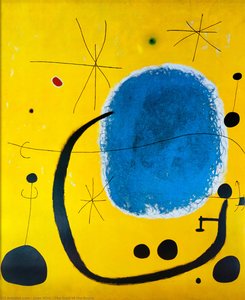
Mujer y perro cara a la luna

 Loe lähemalt
Avasta Joan Miró maailm! Vaata sürrealistlikke ja abstraktsed meistriteoseid, katalaani sümbolism ja mängulisi kujusid. Kaasaegse kunsti pioneer – vaata teoseid TopImpressionists'is!
Sellel lehel kuvatav kunstiteos on kaitstud autoriõigusega, mis tähendab, et meil ei ole seaduslikku õigust luua või müüa identset reproduktsiooni. Seda kaitset rakendatakse rahvusvaheliste kokkulepete alusel, nagu näiteks Berne konventsioon ning riiklike seadustega, sealhulgas nendega, mida on sätestatud USA autoriõiguse seadus – 17. peatükk.
See meetod järgib täielikult autoriõiguse reegleid, kuna see ei põhine kaitstud kunstiteose kopeerimisel või dupliteerimisel. Selle asemel on tegu loova reinterpreetatsiooniga – uue maaldisega, mis on algteosest inspireeritud, kuid ei ole sellest identiline.
Giclée / Kunstiprint
Muuseumikvaliteediga giclée- või kangasprint kiire tootmisega ja paindlikud viimistlusvõimalused. ( Osta käsitsi maalatud teos Lülita digitaalse pildi juurde)




P118B €10

P118H €10

P118W €10

P438Z €10

P508JH €12

P508YH €12

P805H €10

P805Z €10

P919BZ €10

P919G €10

P919XJ €10

P959ZH €10

P968JZ €12

W106C €8

W218G €10

W218JH €8

W218Y €10

W307PJ €10

W316G €10

W316PJ €8

W316Y €10

W398PJ €8

W4111J €10

W500HY €15

W500JH €15

W692G €12

W849H €8

W940BG €15

W953PJ €8




Standardne suurus
kohandatud
CM
INCH
Vali meie eelmääratud suurused, mis vastavad teose algupärastele proportsioonidele.
Loading sizes...

laius
kõrgus
Sisestage vajalik laius ja kõrgus, et see sobiks teie raamile või seinale. Trükki saab ainult lõigata, seda ei saa kunagi pildist suuremaks teha, seega ka erineva mustega suurus kaotab osa pildist. Enne trükkimist saadame teile kinnitamiseks digitaalse näidisprojektsiooni. Sellel lehel näidatud pilt ei kujuta reaalset lõiget — seda näitab ainult näidisprojektsioon.
Ülemaailmne tarne () 2 nädala jooksul, tavalise 4/5 nädala asemel. (7 november)

Tasuta ekspresssaatmine üle maailma

Kõrgekvaliteediline lina-kangas

Täielik transpordikindlustus

Tollimaksude tagastamise garantii

Värvitoime täpsuse garantii

100 päeva tagastusõigus (ainult valmistusdefektide korral)

100% raha tagasi garantii

Hulgusoodustus
 Klaasivalik on saadaval ainult kuni 110 cm suuruses teostes

Mujer y perro cara a la luna
Giclée / Kunstiprint
Reproduktsiooni suurus
-


Koguhind
€ 62
A Portrait of Dreams and Catalan Identity
Joan Miró’s “Mujer y perro cara a la luna” (“Woman and Dog Facing the Moon”) transcends mere visual representation; it embodies the spirit of Surrealism and delves into the subconscious depths of Catalan culture. Painted in 1936, during a period marked by political upheaval and artistic experimentation—specifically coinciding with the Spanish Civil War—the artwork serves as a poignant reflection on anxieties surrounding conflict and an affirmation of resilience.
Born in Barcelona in 1893, Miró’s formative years were steeped in the vibrant atmosphere of Gaudí’s architectural legacy. This fascination for organic forms would permeate his artistic endeavors, shaping his distinctive style characterized by biomorphic shapes, simplified lines, and a palette dominated by earthy hues punctuated with bursts of color.
Stylistic Innovation: Abstract Expressionism Meets Catalan Folklore
Miró’s approach to painting defied conventional realism. He embraced abstraction as a vehicle for conveying emotion and exploring inner landscapes—a technique that aligns seamlessly with the burgeoning movement of Abstract Expressionism in America. However, unlike many of his contemporaries who sought purely formal explorations, Miró infused his work with elements rooted in Catalan folklore and mythology.
The composition itself is deliberately unsettling yet captivating. A woman’s figure—a recurring motif in Miró's oeuvre—is positioned alongside a dog’s head, which rests upon her shoulder. The dog’s open mouth suggests a gesture of repose or perhaps even yearning, creating an interplay between stillness and vulnerability.
Symbolism Under Moonlight
The moon dominates the canvas, serving as both a visual focal point and a symbolic representation of contemplation and transformation. Miró's use of color—primarily ochre and crimson—further amplifies the artwork’s emotional resonance. These hues evoke feelings of warmth, passion, and primal instinct.
Adding to the surrealist atmosphere are subtle details: two birds scattered across the background—one on the left and another near the top right corner—represent freedom and aspiration. A solitary cat nestled in the lower left quadrant embodies quiet observation and resilience. Collectively, these elements contribute to a tapestry of imagery that invites viewers to contemplate themes of solitude, vulnerability, and the enduring power of nature.
Technical Mastery: Pochoir Printing
“Mujer y perro cara a la luna” was executed using oil on canvas—a medium favored by Miró for its ability to capture nuanced tonal variations. However, what distinguishes this particular reproduction is its printing technique: pochoir. This method involves transferring ink onto paper through stencils, resulting in exceptionally precise and luminous prints that faithfully reproduce the artist’s original vision.
The Museo Nacional Centro de Arte Reina Sofía houses a stunning example of this artwork, offering visitors an opportunity to experience Miró's distinctive style firsthand. Its enduring appeal lies not only in its aesthetic beauty but also in its profound exploration of human emotion and the subconscious—a testament to Miró’s genius as one of the most influential artists of the 20th century.
Korduvad küsimused
Kui tuntud on Joan Miró teos "Mujer y perro cara a la luna"?
Teose „Mujer y perro cara a la luna“, autor Joan Miró populaarsusaste on Iconic. See klassifikatsioon peegeldab teose tuntust ja tunnustust.
Kas teos "Mujer y perro cara a la luna" on ilma autoriõigusteta?
Tegijateõiguse osas on teos "Mujer y perro cara a la luna" kuuluv klassifikatsiooni alla: on endiselt autoriõiguse all under kaitse.
Kas saan kasutada täiendatud reaalset, et näha teost „Mujer y perro cara a la luna“, autor Joan Miró oma toonas?
Teost „Mujer y perro cara a la luna“, autor Joan Miró saab omaenda seinal eelvaatata teose AR-eelvaade teose kohta lehe abil, kasutades ühendataval seadmel täiendatud reaalсust.
Kunstniku elulugu
Katalaani Visionäär: Joan Miró Elu ja Kunst
Joan Miró i Ferrà, sündinud Barcelonas 1893. aastal, seisab kui üks olulisemaid tegelasi 20. sajandi kunstis. Tema tee ei olnud pelgalt stiilide vahel liikumine, vaid sisemiste maailmade uurimine, unistuste, mälude ja katalaani identiteedi tõlgitsemine lõuendile ainulaadse poeetilise visuaalse keelega. Alates tagasihärjustest algusaegadest, mis olid varjatud haigusega ja esialgsete vanemate reservatsioonidega tema kunstipüüdu suhtes, püsis Miró kindlameelsena, juhituna sündiomadusest väljendada mitteilmseid – tundeid, tajusid ja teadvuse alateki voolu, mis peituvad reaalsuse pinna all. Tema varajane elu oli läbi imbunud Barcelon traditsioonidest, linnast, mida täispeab arhitektuuriliste imedega tänu Antoni Gaudí’le, kelle orgaaniliselt kujundatud vormid mõjuksid hiljem Miró abstraheerimisele. Tema isa kuldsepapüstitööstus kasvatas temas meisterlikku käsitöö väärtust, samas kui karmi katalaani maastik sai korduvaks motiiviks ja inspiratsiooniallikaks kogu tema karjääri jooksul.Varased mõjud ja sürrealismi tee
Miró ametlik kunstiline haridus algas La Llotjas Barcelonas, kus ta lihvis oma oskusi traditsioonilistes tehnikates. Kuid just Pariisi katvaid avangardliikumiste nägemine tekitas tõeliselt tema loova evolutsiooni. Fauvism värviküllus ja kubismi fragmenteeritud vormid kõlasid sügavalt, mis viis ta 1920. aastal Pariisse kolima. See periood osutus võtmetähtsusega, kui ta kohtas kunstnikke nagu Pablo Picasso ja hakkas katsetama üha abstraktsemate kompositsioonidega. Siiski ei võtnud Miró neid stiile lihtsalt üle; ta sünteesis need, looma tee oma eripärase esteetika poole. Ta püüdis vorme nende olemuseni destilleerida, hüljates esinduslikke detaile kasuks sümbolilisi kujusid ja melankoolseid värve. See uurimine viis ta 1924. aastal sürrealistide rühma juurde, seostades ta selliste kunstnike nagu Max Ernst ja Salvador Dalíga. Sürrealismi teadlikkust alateki vastu omaks võttes säilitas Miró ainulaadse tundlikkuse – tema töö ei olnud nii šokeerivate kujundite või Freudliku sümbolismiga seotud, kui pigem maailma loomisega mänguliste kujude ja poeetilise vihje abil.Sümbolite keel: peamised teosed ja kunstilised uuendused
1920ndatel ja 30ndatel arendas Miró oma iseloomulikku visuaalset sõnavara – maailma, mida asustavad biomorfseid kujusid, hõljuvaid vorme ja elavaid värve. "Farm" (1922), mida peetakse sageli tema teose nurgakiviks, näitab seda üleminekut. See ei ole pelgalt maal kirikuküla elust, vaid katalaani identiteedi ja loodusmaailma sümbolilise esituse kaudne väljendamine. Tema koostöö vaim viis innovaatiliste tehnikate loomiseni, nagu *grattage*, mille ta 1926. aastal Max Ernstiga Sergei Djagilevi balleti jaoks kavandatud kujunduste puhul pioniirirolli mängis, kus tekstuurid paljastati lõuendile värvi kraabimisega. "Hollandi interjöörid" (1928) näitas tema võimekust reinterpreteerida vanameistreid läbi eriliselt tänapäevase objektiivi, muutes siseruumide stseene unelmaliste abstraheerimisteks. "Maalimine" (1933), mille iseloomustavad julged värvid ja lihtsustatud vormid, kapseldab Miró alateki uurimist ja konventsionaalsete kunstiliste piiride hüljamist. Maalikunstist kaugenev Miró katsetas julgalt skulptuuriga, keraamikaga ja trükisega, laiendades oma loovaid horisone ja demonstreerides märkimisväärset mitmekülgsust.Pärand ja jätkuv mõjutus
Joan Miró mõju 20. sajandi kunstile on eeldav. Ta ei olnud pelgalt maalija; ta oli visionäär, kes esitas küsimusi ise kunsti väljenduse definitsioonist. Tema töö rajas tee abstraktsele ekspressionismile ja jätkab kunstnike inspireerimist erinevates valdkondades. Ta asutas kaks fondi – Fundació Joan Miró Barcelonas (1975) ja Fundació Pilar i Joan Miró Mallorcas saarel Palma de Mallorca (1981), tagades, et tema pärand kestab, pakkudes ruume kunstilise uurimistöö ja hariduse jaoks. Kogu oma pikka karjääri vältel jäi ta truuks piiride ületamisele, konventsioonide kahtlustamisele ja inimkonna kujutlusvõime sügavuste uurimisele. Miró kunst on tunnistus abstraheerimise, sümbolismi ja poeetilise väljenduse võimsast jõust – elava tähistuse kohta elust, unistustest ja katalaani kultuuri kestes püsimajavast vaimust. Tema töö kõnetakse jätkuvalt kogu maailmas asuvate publikutele, kutsudes meid sisaldama maailma, kus kõik on võimalik ja reaalsuse ja fantaasia piirid ähmistuvad värvide ja kujude võluvas tantsus.
Joan Miró
1893 - 1983 , Hispaania
Lühikest infot
- Artistic Movement Or Style: Sürrealism, Abstraktsus
- Artists Or Movements Influenced By This Artist:
- Sürrealism
- Abstraktsus
- Artists Who Influenced This Artist:
- Van Gogh
- Cézanne
- Date Of Birth: 1893-04-20
- Date Of Death: 1983-12-25
- Full Name: Joan Miró i Ferrà
- Nationality: Hispaanlane
- Notable Artworks:
- The Farm
- Dutch Interiors
- Painting
- Place Of Birth: Barcelona, Hispaania
Sarnased artiklid

The Soul of Color: A Journey into the Emotional Resonance of Lyrical Abstraction
Embark on a cultural journey through Lyrical Abstraction. Explore how masters like Kandinsky used color and motion to translate emotion into visual poetry. Discover the profound beauty of abstract expressionism and learn to curate emotional resonance in your own art collection.
Avastage teoseid, mis on koondatud teemade, stiilide ja omaduste kaupa.