

Näidatud: · koos raamiga:
 Eelvaade
 Saada
Saada Jaga
Jaga
 Teave teose kohta
 Juhend

 Laadi alla
 Sarnased teosed
 Röntgenuuring
 Slaidietendus
 KÜSIMUSED JA VASTUSID
 Statistika
- 75.0 x 63.0 cm


€ 240
Käsitsi valmistatud õlimaalireproduktsioon
Meie kunstnike poolt tellimusel valmistatud käsitsi maalitud õli-kainaste teos teie soovitud suuruses ja raamis. ( Lülita trükkitoodetele Lülita digitaalse pildi juurde)
Suurus
·Standardne suurus
kohandatud
CM
INCH
Vali meie eelmääratud suurused, mis vastavad teose algupärastele proportsioonidele.
Suuruste laadimine...

laius
kõrgus
Sisestage vajalik laius ja kõrgus, et teos sobiks teie raamile või seinale. Kuna tegu on käsipainatud teosega, siis erineva kujuga suuruse korral võib kunstnik jätta pildi ümber veidi rohkem marginaali või lõigata osa ära — valik on teie. Enne maali alustamist saadame teile kinnitamiseks digitaalse näidisprojektsiooni. Sellel lehel näidatud pilt ei kajasta tegelikku tulemust — seda näitab ainult näidisprojektsioon.
 Loe lähemalt
Lõpuleviimine
·
Valge serv €1

häguse servaga lõppviimistlus €1

Laiendatud €1

P118B €10

P118H €10

P118W €10

P438Z €10

P508JH €12

P508YH €12

P805H €10

P805Z €10

P919BZ €10

P919G €10

P919XJ €10

P959ZH €10

P968JZ €12

W106C €8

W218G €10

W218JH €8

W218Y €10

W307PJ €10

W316G €10

W316PJ €8

W316Y €10

W398PJ €8

W4111J €10

W500HY €15

W500JH €15

W692G €12

W849H €8

W940BG €15

W953PJ €8

H24-GOLD €30

H24-SILVER €30

H36-GOLD €45

H36-SILVER €45
Saadetakse kaitsetorus, et te võiksite selle ise raamida.
Üle 105 cm suurust raami saadetakse komplektina professionaalse raamija jaoks — lugeege lisainfot.
Lisateenused
valikulineMida lisad sisaldavad?
Näited sellest, mida saab muuta: asendage nägu kliendi fotoga; lisage lemmikloom (nt asendage kass koega); lisage taustale peidetud sõnum; muutke tausta maastikku või elemente.
Pärast tellimust saadetab TopImpressionists.com meeskond klientile e-posti juhised ning esitab ette tasandatud eelvaate
Pärast tellimust saadetab TopImpressionists.com meeskond klientile e-posti juhised ning esitab ette tasandatud eelvaate
Maailmline tarne 3–4 nädala jooksul tavalise 5 nädala asemel. (6 november). Kvaliteedis kompromisse ei tehta.
Kaitsevärnitsus
Nimesildikiri
Graveeritud pronksplaadi üksikasjad
This elegant plaque features the artist's name and the title of the artwork, finely engraved for a timeless presentation.
It is made from bronze with a refined, elegant finish. The text is precisely laser-engraved for a sharp and permanent result. Measuring 9x2 cm, the plaque is compact yet easy to read. It's built to be durable and scratch-resistant, offering a professional, museum-quality look. Mounting is simple thanks to the included adhesive backing.
Läbipaistva akrüülplaadi üksikasjad
The plaque includes essential engraved details such as the artist's name, the title of the artwork, the date it was created, the type of media used-like oil on canvas or watercolor-a brief description of the piece, and a QR code that links to the complete artwork information.
It is crafted from clear acrylic, offering a sleek, modern appearance. The text is UV-engraved in black to ensure strong visual contrast. With a size of 10x15 cm, it ensures optimal readability. It comes equipped with two metal hooks for secure wall mounting. The plaque is designed to be weather-resistant, making it suitable for various environments, and it includes interactive features that work seamlessly with smartphone scanning.
Musta akrüülplaadiรายละเอียด (Note: The user provided "Musta akrüülplaadi detailid" as the current translation and asked for an improved version. Since "Musta akrüülplaadi
This elegant plaque includes engraved information such as the artist's name, the title of the artwork, the date it was created, the type of media used (like oil on canvas or watercolor), a short description of the artwork, and a QR code for quick access to more information.
The plaque itself is made from refined black acrylic with a premium finish. The text is laser-engraved in white for high contrast and readability. Its size is 10x15 cm, designed to be easy to read. It comes with two metal hooks for professional mounting. The design is sleek and fits any interior style. It is also weather-resistant and durable, with built-in digital integration for mobile compatibility.
Klaasivalik on saadaval ainult kuni 110 cm suuruses teostes
 Klaasivalik on saadaval ainult kuni 110 cm suuruses teostes
- Tasuta ekspresssaatmine üle maailma
- Kõrgekvaliteediline lina-kangas
- Täielik transpordikindlustus
- Tollimaksude tagastamise garantii
- Värvitoime täpsuse garantii
- 100 päeva tagastusõigus (ainult valmistusdefektide korral)
- 100% raha tagasi garantii
- Hulgusoodustus


Kogumisobjekti kirjeldus
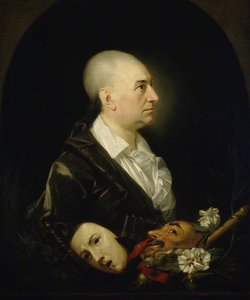
Admire Johann Zoffany's iconic portrait of David Garrick alongside Eva Maria Veigel, capturing the theatrical spirit of Georgian England at The Ashmolean Museum.
Kunstniku elulugu
Avastage Johann Zoffany 18. sajandi meistriteosed! Kuulus oma 'vestlusstseenidega', ühendades saksa täpsuse ja itaalia stiili. Portreed, ajalooalased maalid ja palju muud – saadaval TopImpressionists'is.
Teemal maalid
A Theatrical Soul Captured in Oil
In the quiet halls of The Ashmolean Museum of Art and Archaeology, there exists a portrait that does more than merely record a likeness; it breathes with the very essence of the eighteenth-century stage. Johann Zoffany’s 1763 masterpiece, David Garrick, is an evocative window into the heart of Enlightenment England. At first glance, we encounter the commanding presence of Garrick, the most celebrated actor of his era, rendered with a profound sense of dignity and intellectual depth. Zoffny does not present us with a mere performer in costume, but with a man whose very existence was intertwined with the dramatic arts. The composition is intimate yet grand, focusing on Garrick from the chest up against a somber, dark background that pushes his luminous features toward the viewer, demanding an immediate and visceral connection.
The technique employed by Zoffany is nothing short of masterful, showcasing the meticulous precision characteristic of the finest oil-on-canvas works of the period. Through subtle tonal gradations and a sophisticated command of light, the artist breathes life into the textures of the subject's attire—the crisp white collar contrasting sharply against the deep black of his formal coat. This interplay of light and shadow, or chiaroscuro, serves to sculpt Garrick’s face, highlighting a contemplative gaze that seems to look beyond the frame, perhaps lost in thought regarding a recent performance or a future script. For the discerning collector or interior designer, this painting offers a profound sense of classical elegance, making it an ideal centerpiece for spaces that value historical gravity and sophisticated drama.
The Dual Faces of Drama
Beyond the physical representation of a legendary actor, Zoffany weaves a complex tapestry of symbolism into the very fabric of the portrait. Floating near Garrick’s face are two iconic theatrical masks: the smiling visage of Comedy and the furrowed, mournful brow of Tragedy. These are not mere decorative elements; they are the dual pillars of the human experience that Garrick mastered on stage. The presence of these masks transforms the portrait from a standard biographical study into a profound meditation on the nature of performance and emotion. It suggests that behind the dignified gentleman lies the capacity for both joyous exuberance and profound sorrow, mirroring the duality of the human condition itself.
This symbolic layer adds an intellectual richness that elevates the artwork, making it much more than a decorative piece. It invites the viewer to contemplate the boundaries between reality and artifice, between the man and the persona. For those looking to adorn a home or gallery with a reproduction of this caliber, the painting provides a continuous source of conversation and inspiration. It embodies a period where art, intellect, and social status converged in a beautiful, theatrical display. To possess such a work is to hold a fragment of history—a moment frozen in 1763, where the spirit of the theatre remains eternally vibrant and hauntingly beautiful.
Korduvad küsimused
Kas teose „David Garrick“, autor Johann Zoffany autoriõigused lubavad selle reproduktsiooni?
Teos „David Garrick“, autor Johann Zoffany, mis asub The Ashmolean Museum of Art And Archaeology kogumuses, kuulub lubaõigusliku ala kategoria avalikus õiguses – selle autoriõigud onหมดunud. See staatus määravad, kas teose reproduktsioone on lubatud valmistada.
Mis on originaalteose "David Garrick" mõõdud?
Originaalteose „David Garrick“, autor Johann Zoffany mõõdud on 75 x 63 cm.
Kas saan teose "David Garrick" näha täiskuunil slideshowina?
Teose "David Garrick" diaporama on vaadatav teose Pildikava lehel.
Kiirinfo ja kunstiviktoriin
Info Johann Zoffany kohta

Johann Zoffany
1733 - 1810, Saksamaa
Kunstniku elulugu
Johann Zoffany: Elu ja Pärand
Johann Zoffany, sündinud Johannes Josephus Zaufallij 1733. aastal Freiburgis Saksamaal, oli maalikunstnik, kes saavutas tuntuse peamiselt Inglismaal ja Itaalias. Varajase lapsepõlve detailid on napid, kuid teada on, et ta sai kunstilist haridust noorest east alates. Ta õppis algul skulptori juures, võimalikuks Melchior Pauluse Ellwangenis, enne kui asus Martin Speeri õpilaseks Regensburgis. See põhiline periood pani aluse tema tulevasele karjäärile.
Teekond Itaaliasse ja Inglismaale
1750. aastal reisis Zoffany Rooma, astudes Agostino Masucci stuudiosse, kus ta lihvis oma oskusi itaalia kunstitraditsioonis. Hiljem kolis ta 1760. aastal Inglismaale, toetades end algul Stephen Rimbaulti valmistatud kellade dekoratiivsete kujundustega. See periood tähistas pöördepunkti, kuna ta hakkas looma sidemeid ja saavutama tunnustust Londoni kunstiringkondades.
Kuninglik Patroonlus ja Kunstiline Areng
Zoffany pälvis kiiresti kuningas George III ja kuninganna Charlotte'i tähelepanu, olles muutunud kuninkliku perekonna lemmikkunstnikuks. Tema võime tabada informaalset hetki – näiteks Kuninganna Charlotte ja tema vanemad lapsed (1765) – eristas teda formaalsematest õukonnamaalijatest. Ta oli populaarne ka Austria keiserliku perekonnas ning 1776. aastal tegi keisrinna Maria Theresa temast Püha Rooma impeeriumi paroni.
‘Vestlusmaalide’ Meister
Zoffany sai tuntuks oma “vestlusmaalide” ehk *conversazione* – informaalsete grupiportreedena, mis kujutasid seltskondlikke kokkutulekuid. Ta paistis silma selle oskusega tabada isiksusi ja interaktsioone nendes stseenides, millel olid sageli esindatud prominendid ühiskonna-, teatri- ja kirjanduse valdkonnast. Tema tööd nagu The Cope Family (1775) on näide sellest stiilist, pakkudes pilke oma patroonide ellu.
Peamised Saavutused ja Märkimisväärsed Teosed
- Uffizi Tribüün (1772-1778): Võib-olla tema kuulsaim teos, mis on hoolikalt detailne Uffizi galerii kujutus Firenzes.
- Dr William Hunteri õpetamine anatoomiat Royal Academys (1779): Fasineeriv meditsiinihariduse ja teadusliku uurimise portree.
- George III (1771): Regaalne portree, mis näitab kuninga võimu ja elegantsi.
- Colonel Mordaunt's Cock Match (1784-1786): Elav koloniaalelu kujutus Indias, mis tabab ainulaadset kultuurisündmust.
Aastad Indias ja Hilisem Elu
Alates 1783. aastast kuni 1789. aastani elas Zoffany Indias, kus ta maalis portreid silmapaistvatest figuuridest nagu Warren Hastings ja Asaf-ud-Daula. Tema kogemused seal mõjutasid tema kunstilist stiili ja teemasid. Märkimisväärne lugu sellest perioodist räägib laevahukust Andamani saarte lähedal, kus ellujäänud pidid äärmuslikeks meetmeteks.
Mõjud ja Pärand
Zoffany töö kajastab nii saksa täpsuse kui ka itaalia kunstipärasuse mõjusid. Ta oli Agostino Masucci ja barokk-traditsiooni inspireeritud. Tema stiil mõjutas omakorda kaasaegseid kunstnikke ja hilisemaid kunstnikke, kes olid huvitatud portreekunstist ja sotsiaalsest kommentaarist. Ta ühendas kunstitraditsioone ja jättis püsiva jälje 18. sajandi kunstile.
Ajalooline Tähtsus
Johann Zoffany maalid annavad väärtuslikku ülevaate oma aja sotsiaalsetest kommetest, intellektuaalsest elust ja kultuuriväärtustest. Tema “vestlusmaalid” pakuvad intiimseid portreid silmapaistvatest inimestest ja nende maailmast, samal ajal kui tema India kujutused aitavad meil mõista koloniaalajalugu. Ta on kunstiajaloo oluline tegelane, keda tähistatakse tema tehnilise oskuse, tabavate tähelepanekute ja unikaalse kunstinägemuse eest.
Kiirinfo Johann Zoffany kohta
- Kunstiliikumine: Neoklassitsism, Realism
- Rahvus: Sakslane
- Surmapäev: 1810
- Sünnipäev: 1733
- Täisnimi: Johann Zoffany
Johann Zoffany
David Garrick
() ·
koos raamiga: · Käsitööna õliga linale maaldud
Kokkuvõte