

Näidatud: · koos raamiga:
 Eelvaade

 Saada
 Jaga
 Teave teose kohta
 Teosest infokaart


 Laadi alla
 Sarnased teosed
 Röntgenuuring
 Slaidietendus
 KÜSIMUSED JA VASTUSID

 Statistika
Flatford Mill (John Constable, 1817)

- 50.0 x 60.0 cm


Lentekadmed ja fine art trükised alates €45 suuruses 28 x 36 cm
Käsinmaalitud õlireproduktsioon alates €178
- Tasuta rahvusvaheline tarne 3–4 nädalaga
- Rullitud trükised – täisteenus 3–4 nädalat
- 100 päeva tagasimaksumise õigus ja raha tagastamine
- ArtShopReviews.com-is 241 kliendi arvamus: 4.9/5
€ 69
Giclée / Kunstiprint
Muuseumikvaliteediga giclée- või kangasprint kiire tootmisega ja paindlikud viimistlusvõimalused. ( Impressionistlik õlimaal Osta digitaalne koopia
)
Tehnika ja materjal
 Loe lähemalt
Meie soodsam trükk: sama pilt trükkituna 260 g/m² polüesterlõendile puuvillase lõendile asemel, tarnituna rullitudna torus tavapostiga 3–4 nädala jooksul. Ainult rullitudna (ilma pingekraamiga ja raamita) ning ilma kiirtootluseta, suurustele, kus vähemalt üks külg on 80 cm või väiksem. Umbes 30% soodsam kui puuvillane lõendtrükk.
See suurus ei ole saadaval: vähemalt üks külg peab olema 80 cm või väiksem.
Vain rullituna: vali see trükis, et tellida lõend rullitud tüübis.
Saadaval suurustes, kus mõlemad pooled on 110 cm või väiksemad. Suuremate suuruste puhul trükatakse print matt-puuvillasse linale.
Matte arhivaalkangas ei ole selle suuruse jaoks saadaval: mõlemad pooled peavad olema 110 cm või väiksemad. Teie trükis on selle asemel kasutatud matte puuvillakangast.
Klaasivalik on saadaval ainult kuni 110 cm suuruses teostes
Suurus
·Vali meie eelmääratud suurused, mis vastavad teose algupärastele proportsioonidele.
Suuruste laadimine...

laius
kõrgus
Sisestage vajalik laius ja kõrgus, et see sobiks teie raamile või seinale. Trükki saab ainult lõigata, seda ei saa kunagi pildist suuremaks teha, seega ka erineva mustega suurus kaotab osa pildist. Enne trükkimist saadame teile kinnitamiseks digitaalse näidisprojektsiooni. Sellel lehel näidatud pilt ei kujuta reaalset lõiget — seda näitab ainult näidisprojektsioon.
Standardne suurus
kohandatud
CM
TOLLID
Lõpuleviimine
·
Valge serv €1

häguse servaga lõppviimistlus €1

Laiendatud €1

P118B €10

P118H €10

P118W €10

P438Z €10

P508JH €12

P508YH €12

P805H €10

P805Z €10

P919BZ €10

P919G €10

P919XJ €10

P959ZH €10

P968JZ €12

W106C €8

W218G €10

W218JH €8

W218Y €10

W307PJ €10

W316G €10

W316PJ €8

W316Y €10

W398PJ €8

W4111J €10

W500HY €15

W500JH €15

W692G €12

W849H €8

W940BG €15

W953PJ €8
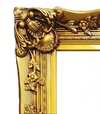
H24-GOLD €30
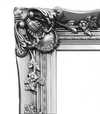
H24-SILVER €30
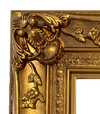
H36-GOLD €70
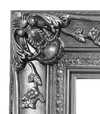
H36-SILVER €70
Saadetakse kaitsetorus, et te võiksite selle ise raamida.
Üle 105 cm suurust raami saadetakse komplektina professionaalse raamija jaoks — lugeege lisainfot.
Lisateenused
valikulineMida lisad sisaldavad?
Ülemaailmne tarne () 2 nädala jooksul, tavalise 4/5 nädala asemel. (27 detsember)
Economy poly-canvas trükis saadetakse tavapäervise postiga, mistõttu ei ole võimalik kasutada kiirtoodangut ega ekspress-kullerit.
Kaitsevärnitsus
Nimesildikiri
Graveeritud pronksplaadi üksikasjad
Sellel elegantsel tahvel on kunstniku nimi ja teose pealkiri, mis on peenelt graveeritud ajatuks esituseks.
Valmistatud pronksist peene ja elegantse viimistlusega. Tekst on täpne lasergraveeritud, tagades terava ja püsiva tulemuse. Mõõdubega 9x2 cm on plaak kompaktne, kuid kergesti loetav. See on vastupidav ja kriimustuskindel, pakkudes professionaalset muuseumikvalidadusega välimust. Paigaldamine on lihtne tänu kaasasolevale kleeppinnale.
Läbipaistva akrüülplaadi üksikasjad
Plaadil on säilitatud olulised graveeritud üks detailid, nagu kunstniku nimi, teose pealkiri, loomise aasta, kasutatud materjal (nt õli lærvarõnal või akvarell), teose lühike kirjeldus ning QR-kood, mis viib teose täieliku infoga.
See on valmistatud läbipaistvast akrülist, pakkudes sleekset ja modernset välimust. Tekst on graveeritud mustaga UV-meetodil, et tagada selge visuaalne kontrast. 10x15 cm suuruse tänu on tekst hästi loetav. Plaat on varustatud kahe metallise rippimiskuga turvaliseks seinale monteerimiseks. Plaat on ilmastikukindel, mistõttu on see sobiv erinevates keskkondades kasutada, ning sisaldab interaktiivseid funktsioone, mis töötavad sujuvalt nutitelefoniga skanneerimisel.
Musta akrüülplaadi üksikasjad
See elegantne plaat sisaldab graveeritud teavet, nagu kunstniku nimi, teose pealkiri, loomisaasta, kasutatud materjal (nt õli lærvarõnal või akvarell), teose lühike kirjeldus ja QR-kood kiireks juurdepääsuks lisateadetele.
Plaat on valmistatud kvaliteetsest mustast akrülist peene lõppviimistlusega. Tekst on lasergraveeritud valges toonis, et tagada kõrge kontrast ja loetavus. Plaat on mõõdukult 10x15 cm suurusega, et tekst oleks kergesti loetav. Komplektis on kaks metallist rippimiskuga professionaalneks paigaldamiseks. Disain on elegantne ja sobib igasugja stiiliga interjööri. Plaat on ilmastikukindel ja vastupidav ning sisaldab integreeritud digitaalset funktsiooni mobiililendli koosolekuks.
Klaasivalik on saadaval ainult kuni 110 cm suuruses teostes
 Klaasivalik on saadaval ainult kuni 110 cm suuruses teostes
- Tasuta rahvusvaheline tarne 3–4 nädalaga
- Kõrgekvaliteediline lina-kangas
- Täielik transpordikindlustus
- Tollimaksude tagastamise garantii
- Värvitoime täpsuse garantii
- 100 päeva tagasimaksumise õigus ja raha tagastamine
- 100% raha tagasi garantii
- Hulgusoodustus


Flatford Mill: John Constable ja Romanticism hetk
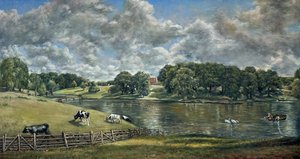
A tranquil river scene with boats and a horse by the water's edge, rendered with thick impasto to capture the shifting light of the Stour Valley.
John Constable: biograafia
Mariia surm tuberkuloosist pani ta rikkuma musta ja maalis oma hilispäevade emotsionaalsed maastikud.
Teose info
Identification of Flatford Mill by John Constable
Flatford Mill is an 1817 landscape painting by the British artist John Constable. This work offers a view of the mill located in East Bergholt on the River Stour. It is also known by the subtitle Scene on a Navigable River. The scene captures a specific moment in the rural landscape of the Stour Valley, focusing on the quiet activity surrounding the water's edge.
The painting was first presented to the public when it was displayed at the Royal Academy's Summer Exhibition at Somerset House in 1817. At that time, it established the artist's interest in the specific topography of his home region. The composition centers on the mill and the river, providing a detailed look at the relationship between the water and the surrounding land.
The Composition and Visual Elements
The composition pulls you into a world of lush greens and reflective waters. At the heart of the scene, the calm, reflective waters of the river act as a mirror to the lush, verdant banks. This interplay of light and liquid creates a sense of depth that draws the eye toward the center of the work. A moored boat and distant figures provide a gentle human connection to the vastness of the Suffolk countryside, grounding the landscape in a quiet, lived-in reality.
Several individuals stand near the water's edge, their presence adding a subtle layer of activity to the peaceful scene. On the left side of the image, a horse is positioned near the bank, its form integrated into the pastoral setting. Two boats are visible in the water; one is situated towards the center, while another rests slightly to the right. These elements, combined with the rhythmic presence of the river, establish a sense of harmony within the rural environment.
Technique and Artistic Materials
In this oil on canvas, one can sense the methodical preparation that preceded the final application of paint. Before committing to the large-scale composition, the artist relied on a foundation of oil sketches, graphite drawings, and watercolour studies. This disciplined approach allowed for a careful arrangement of the landscape's complexities. The resulting work possesses a physical weight, achieved through the use of thick impasto to build up texture across the surface. This tactile quality gives the river and the earth a sense of movement and life.
There is a particular luminosity in the way the light interacts with the water and the sky. This effect is achieved through the painstaking layering of thin glazes of paint. Such a technique allows light to penetrate the surface, creating an illusion of shimmering luminescence that mimics the shifting atmosphere of the Stour Valley. It is a quiet, deliberate mastery of light and shadow.
Historical Ownership and Collections
The provenance of this work is deeply connected to the artist's own legacy. It was eventually included as part of the Constable Bequest in 1888, ensuring its place within the public consciousness. This transition from private hands to a permanent collection secured its survival for future generations to study.
Today, the painting is held within the collection of Tate Britain. It is also part of the holdings at the Tate Gallery in London. These institutions maintain the work as a significant part of their English landscape holdings. Additionally, the National Trust holds a connection to the work through its stewardship of the surrounding landscapes and properties.
Related Works by John Constable
To understand the evolution of this artist, one might look toward his earlier explorations of the Stour Valley. In 1815, he produced Boat-building near Flatford Mill, a work that captures the rhythmic sounds of craftsmanship against a quiet river setting. This piece reflects his deep connection to the local landscape and the dignity of rural labor. It is a quiet study of the textures found in the Suffolk countryside.
His later compositions often expanded in scale and ambition. He moved toward larger canvases, such as The Hay Wain from 1821, which remains one of his most recognized depictions of the river. Other significant works include The Cornfield (1826) and The Lock (1824), both of which continue his investigation into the interplay of light and water. He also turned his attention to more architectural subjects, such as Salisbury Cathedral from the Meadows in 1831.
- Boat-building near Flatford Mill (1815)
- The Hay Wain (1821)
- The Lock (1824)
- The Cornfield (1826)
- Salisbury Cathedral from the Meadows (1831)
Where to See This Masterpiece Today
If you wish to experience the subtle shifts of light and the texture of the River Stour in person, you will find this work held within the collections of the Tate Gallery in London. It is part of the permanent collection at Tate Britain, where the painting is kept for public viewing. The work remains a significant part of the Tate Britain collection, allowing visitors to observe the specific impasto and the atmospheric perspective that Constable achieved in 1817.
The painting is situated in London, United Kingdom. It is housed within the Tate Gallery, London, providing a quiet space to study the relationship between the water and the sky. Being part of the Tate Britain collection, it is accessible to those who appreciate the nuances of the Romantic tradition in a museum setting.
Korduvad küsimused
Kas teose Flatford Mill reproduktsioon on käsitsi maalitud või trükitud?
Trükis: teos Flatford Mill on reprodukteeritud giclée-trükkina puuvillasel lærvarõkal või Epson'i arhivipaberil.
Millise suuruse teose Flatford Mill jaoks valida?
Originaali mõõtmed on 50 x 60 cm. Suurused on vahemikus 28.2 x 35.5 cm (€45) kuni 192.6 x 242.9 cm (€406); sellel lehel olev tabel on toodud peamised sammud ja nende hinnad.
Kui kaua kohalelymine aega võtab?
Torus lahtisena olev trükiseeritud pilt saabub tasuta tavapostiga 3–4 nädalaga; pingitud või raamiga pildid saabuvad 4–5 nädalaga. Express-kulleriga kohaletoimetamine on võimalik vaid tasulise Express-tarne valiku korral. Toote võib tagastada 100 päeva jooksul täies summaga tagasitelemiseks ilma igasuguste tingimusteta.
Millist materjali John Constable teoseks Flatford Mill kasutas?
Oil On Canvas
Kiirinfo ja kunstiviktoriin
Info John Constable kohta

John Constable
1776 - 1837, Suurbritannia
Teel John Constable: elu, teosed ja biograafia
Kiirinfo John Constable kohta
- Artistic Movement Or Style: Romantism
- Artists Or Movements Influenced By This Artist: ['Barbizoni koolkond']
- Artists Who Influenced This Artist: ['Claude Lorrain']
- Date Of Birth: 1776
- Date Of Death: 1837
- Full Name: John Constable
- Nationality: Briti
- Notable Artworks:
- The Hay Wain
- Hadleigh Castle
- Salisbury Cathedral from the Meadows
- Netley Abbey
- Place Of Birth: East Bergholt, United Kingdom
Sarnased teosed
Sarnased teosed, mis peegeldavad selle maali valgust, värvipaletti ja meeleolu.


Avastage teoseid, mis on koondatud teemade, stiilide ja omaduste kaupa.




John Constable
Flatford Mill
() ·
koos raamiga: ·
Kõikianese summa