


 Vaata sisu
 Jaga teost
 Jaga
Jaga
 Detailid
 Õppekate juhend

 Laadi alla
 Sarnased teosed
 Röntgenuuring
 Slaidietendus
 Statistika
View of Salisbury
 Oil On Canvas
- WallArt
- Romantic Landscape
 1820
1820- 19th Century
 35.0 x 51.0 cm
 Louvre'i muuseum
A serene vista of Salisbury town captured through John Constables masterful Romantic lens features a majestic church steeple amidst rolling hills and soft light, inviting you to bring this timeless English landscape home.
 Loe lähemalt
Avasta John Constable (1776–1837), romantikuks maalija, kes muutis Inglise maastikumaali emotsionaalsete Suffolk'i ja looduse kujutustega! Tutvu tema ikooniliste teostega nagu "Heinavanker"!
Käsitsi valmistatud õlimaalireproduktsioon
Meie kunstnike poolt tellimusel valmistatud käsitsi maalitud õli-kainaste teos teie soovitud suuruses ja raamis. ( Lülita trükkitoodetele Ülemineku digitaalse pildi müügi kanalisse)




P118B €10

P118H €10

P118W €10

P438Z €10

P508JH €12

P508YH €12

P805H €10

P805Z €10

P919BZ €10

P919G €10

P919XJ €10

P959ZH €10

P968JZ €12

W106C €8

W218G €10

W218JH €8

W218Y €10

W307PJ €10

W316G €10

W316PJ €8

W316Y €10

W398PJ €8

W4111J €10

W500HY €15

W500JH €15

W692G €12

W849H €8

W940BG €15

W953PJ €8




Standardne suurus
kohandatud
CM
INCH
Vali meie eelmääratud suurused, mis vastavad teose algupärastele proportsioonidele.
Loading sizes...

laius
kõrgus
Sisestage vajalik laius ja kõrgus, et teos sobiks teie raamile või seinale. Kuna tegu on käsipainatud teosega, siis erineva kujuga suuruse korral võib kunstnik jätta pildi ümber veidi rohkem marginaali või lõigata osa ära — valik on teie. Enne maali alustamist saadame teile kinnitamiseks digitaalse näidisprojektsiooni. Sellel lehel näidatud pilt ei kajasta tegelikku tulemust — seda näitab ainult näidisprojekttsioon.
Näited muudetavatest elementidest: asenda nägu kliendi fotoga; lisa lemmikloom (nt asenda kass koeraga); lisa taustale peidetud sõnum; muuda tausta maastikku või elemente.
Pärast tellimust saadab TopImpressionists.com meeskond kliendile e-posti juhised ning esitab eelvaate kavandi
Pärast tellimust saadab TopImpressionists.com meeskond kliendile e-posti juhised ning esitab eelvaate kavandi
Maailmline tarne 3–4 nädala jooksul tavalise 5 nädala asemel. (23 oktoober). Kvaliteedis kompromisse ei tehta.

Tasuta ekspresssaatmine üle maailma

Kõrgekvaliteediline lina-kangastest muld

Täielik transpordikindlustus

Tollimaksude tagastamise garantii

Värvitoime täpsuse garantii

100 päeva tagastusõigus (ainult defektide korral)

100% raha tagasi garantii

Hulgusoodustus
 Klaasivalik on saadaval ainult kuni 110 cm suuruses teostes

View of Salisbury
Reproduktsiooni materjal
Reproduktsiooni mõõtmed
-


Lõppsumma
€ 236
A Window into Rural Tranquility
John Constable’s “View of Salisbury,” painted in 1820, transcends mere depiction; it embodies the very spirit of Romantic landscape painting and captures a moment frozen in time—a serene tableau of English countryside life. The painting presents a captivating vista of Salisbury town nestled amongst rolling hills bathed in diffused sunlight. Dominating the composition is a stately church steeple, anchoring the scene with verticality and conveying a sense of permanence against the backdrop of shifting clouds. Within this picturesque setting, a body of water flows near the center, where a solitary boat can be seen floating, further enhancing the sense of life and movement within the landscape.
The atmosphere is one of profound peace, as Constable meticulously observes the subtle gradations of light. The sky, rendered with delicate shades of grey and white, suggests the ever-changing weather conditions characteristic of rural England, adding a layer of depth and movement to the scene. Scattered figures populate the town square, engaged in the quiet rhythms of everyday activities—farmers tending to their fields and merchants conducting business—subtly illustrating the enduring pulse of agricultural society during this era.
Technique and Romantic Vision
In creating this masterpiece, Constable employed a loose brushstroke technique, a hallmark of the Romantic movement that allows for an expressive handling of paint. This approach conveys an immediacy that contrasts sharply with the rigid precision of academic traditions. By utilizing oil paints on canvas and layering thin glazes, the artist achieved luminous effects, capturing the ephemeral and fleeting qualities of natural light. This technical mastery enables the viewer to feel the texture of the clouds and the shimmer of the water, making the landscape feel vibrantly alive.
The symbolism within the work adds a layer of spiritual resonance; the church steeple serves as a symbol of faith and tradition, anchoring the community within its moral landscape. Simultaneously, the expansive, rolling scenery embodies the Romantic ideal of freedom and contemplation—offering a restorative retreat from urban pressures into the embrace of nature. For the collector or interior designer, this painting offers more than just aesthetic beauty; it provides an emotional anchor of nostalgia and contentment, inviting anyone who views it to step into an idyllic, timeless world of natural splendor.
Küsimused ja vastused
Millist emotsionaalset toonikut saadab kaasata teose "View of Salisbury" Romantic Landscape stiil?
Romantic Landscape suunangu raames on teos "View of Salisbury" üles seabetud Calm toonil.
Kas teose „View of Salisbury“, autor John Constable värvid on eraldavad või pehmed?
Teose "View of Salisbury" värvitoon on kroomi方面 Muted ja intensiivsuse方面 Monochromatic.
Kui palju oli John Constable aastane, kui teos "View of Salisbury" loodi?
Kui teos "View of Salisbury" loodi aastal 1820, oli John Constable (sündinud aastal 1776) 44 aastane.
Sarnased teosed


Kunstniku elulugu
John Constable: Inglismaa Maastiku Poeesia
John Constable, sündinud 1776. aastal Ida-Bergholti idüllilises külas Suffolki krahvkonnas, polnud pelgalt maastikumaalija; ta oli maa poeet, tõlgitsedes selle peeni nüansse ja kestvat ilu lõuastele enneolematu emotsionaalse sügavusega. Tema isa, jõukas teraviljakaupmees, kelle pere omandas nii Dedhami orgi kui ka veskid Stouri jõe ääres, pakkus mitte ainult rahalist kindlust, vaid ka just selle maastiku, mis määras Constable’i kunstilist elu. See varajane sisseelamine maalielu rütmi – põllumajanduse aeglase tempo, valgus muutused väljadel ja vees, looduse intiimne detail – jäid tema tundlikkusse sügavalt raiutud. Kuigi algselt mõeldigi talle järgnema isa jalgu äris, kasvav kirg kunsti vastu, mida toetasid kohalikud patroonid nagu George Beaumont, kes tutvustas talle Claude Lorraini tööd, suunas ta lõpuks teisele teele. Constable’i kunstiline tee ei olnud otsene; see oli järkjärguline arenemine, kujundatud hoolsa vaatlusega ja pideva sooviga mitte ainult seda jäädvustada, mida ta nägi, vaid ka seda, kuidas talle tundus kohal olla maastikus.Konventsioonide Murramine: Uus Vaade Loomusele
Constable’i kunstiline areng oli märgitud teadlikult kehtivate akadeemiliste konventsioonide hüljamisest. Rahuldumata valitseva Akadeemia poolt eelistatud idealiseeritud ja sageli teatrilike maastikega, püüdis ta hoopis tõeväralist esindust loodusest, mis on täidetud isiklike tunnetega. Ta ei olnud huvitatud hiigelsuurtest ajaloolistest narratiividest või müütilistest stseenidest; tema keskendumine jäi vankumatult tuttava maapiirkonna ümbrusesse. See pühendumus tavaliste objektide kujutamisele – heinavankrid, talukohad, külaelu – kohtas algselt vastuseisu kriitikutelt, kes pidasid tema tööd liiga igapäevaseks ja ambitsioonitu puuduvaks. Constable’i ei heidutanud see aga, ta püsis oma veendumusega, et ilu peitub igapäevaelus. Ta oli pioneeri *plein air* maalijate seas, astudes otse loodusesse, et vahetult jälgida ja jäädvustada valguse ja ilma kiirelt muutuvat mõju. See otsene suhtlus loodusega võimaldas tal täita oma lõuasteid enneolematu vahetusega ja elavusega. Tema pintslilöökide tehnika muutus järjest lahtisemateks ja väljendavamateks, kasutades pastositehnikat – paksude värvikihtide kandmist – tekstuuri loomiseks ja liikumise ning atmosfääri tunde edastamiseks. Ta ei lihtsalt registreerinud seda, mida nägi; ta tõlgitses oma vastust maale visuaalseks vormiks.Ikoonilised Tööd ja Püsiv Mõjutus
Constable’i kõige tuntumad tööd on tunnistuseks tema ainulaadsest visionäärsusest. Heinavanker (1821), võib-olla tema äratuntuma maal, kujutab quintessential maapiirkonna stseeni Stouri jõe kaldal, jäädvustades põllumajandusliku elu rahulikkuse ja harmoonia. Hadleigh Castle (1829) näitab tema dramaatilist valguse ja atmosfääri efektide kasutamist, muutes laguneva kindluse võimsaks ajahulgamise sümboliks. Salisbury katedraali kujutavate maalide sari (1831) demonstreerib tema oskust tekitada erinevaid meelolde ja kellaaegu, paljastades katedraali kui loodusmaastiku lahutamatut osa. Netley Abbey (1824), oma erootiliste arhitektuurilise hiilguse kujutusega, mis on ümbritsetud metsikult kaunite maade poolt, näitab tema oskust segada inimloomingut loodusliku ilu ja ürgse väega. Vaatamata algsele vastupanule Inglismaal, saavutas Constable Prantsusmaal märkimisväärset tunnustust, kus tema uuenduslikud tehnikad ja emotsionaalne sügavus kõlasid soosivalt kunstnike seas, kes otsisid looduslähedasemat lähenemist maastikumaalijale. Ta mõjutas oluliselt Barbizon'i koolkonda, rühma prantsuse maalijaid, kes jagasid tema pühendumust *plein air* maalile ja looduse otsekohesele vaatlusele.Emotsionaalse Resonantsi Pärand
John Constable’i ajalooline tähendus peitub mitte ainult tema kunstilistes innovatsioonides, vaid ka tema sügavas mõjus maastikumaalijate arengule. Ta esitas kahtluse alla akadeemilised konventsioonid, tõstis tavaliste objektide staatust ja rajas teed isiklikumale ja emotsionaalselt väljendavale lähenemisviisile kunstile. Tema rõhutamine otsekohesele vaatlusele, atmosfääri efektidele ja looduse tõeväralisele esindamisele eelnenud paljude hilisemate impressionistlike maalijate muredele. Ta näitas, et maastik võib olla sügava emotsionaalse väljenduse vahend, mis on võimeline tekitama nostalgia, rahulikkuse ja imetluse tundeid. Kuigi ta oma karjääri jooksul silmitseti rahaliste raskustega ning suri suhteliselt noorelt 1837. aastal, jääb tema pärand kestma. Tänapäeval peetakse Constable’it üheks Suurbritannia suurimaks kunstnikuks, kelle maale jätkuvad publiku lummatsemisega oma ilu, siiruse ja püsiva jõuga. Tema töö on melankoolne meeldetuletus sügavaist inimeste ja loodusega seostest ning kunsti muutvast potentsiaalist selle olemust jäädvustada.Isiklik Elu ja Viimased Aastad
Constable’i isiklikku elu märgistasid nii rõõm kui ka kurbus. Ta abiellus Maria Bicknelliga 1816. aastal ning neil oli seitse last, kuigi kahjuks ei ellujäänud paljud imikutena. Abielu pakkis talle emotsionaalset tuge, kuid ka rahalisi raskusi. Kuninglikuks Akadeemikuks valituna 1829. aastal silmitseti ta mõne poolt jätkuvalt kriitikat, eriti tema ebatraditsiooniliste tehnikate tõttu. Tema hilisemad aastad olid varjutatud Maria halveneva tervise ja lõpuks surma poolt 1828. aastal, sündmus, mis mõjutas teda sügavalt. Vaatamata nendele raskustele jäi Constable pühendunult oma kunstile, maalides kuni oma surmani 31. märtsil 1837. Ta jättis maha rikka kunstilise pärandi – tunnistuse tema vankumatust pühendumisest Inglismaa maapiirkonna ilu ja emotsionaalse resonantsi jäädvastamisele. Tema maalijad on endiselt võimsaid kujutusi möödunud ajast, kutsetes vaatajaid kogema maastikku läbi tema ainulaadse tundliku pilgu.
John Constable
1776 - 1837 , Suurbritannia
Lühikest infot
- Artistic Movement Or Style: Romantism
- Artists Or Movements Influenced By This Artist: ['Barbizon koolkond']
- Artists Who Influenced This Artist:
- Claude Lorrain
- Jacob Ruisdael
- Date Of Birth: 11. juuni 1776
- Date Of Death: 31. märts 1837
- Full Name: John Constable
- Nationality: Briti
- Notable Artworks:
- The Hay Wain
- Hadleigh Castle
- Salisbury Cathedral
- Netley Abbey
- Place Of Birth: East Bergholt, UK
Sarnased artiklid

Capturing the Soul: The Emotional Magic and Sublime Grandeur of Romantic Landscape Painting
Explore the profound emotional depth of Romantic landscape painting. Discover how masters like Friedrich and Turner captured the sublime through light, shadow, and nature's power in this expert art history retrospective for discerning collectors.
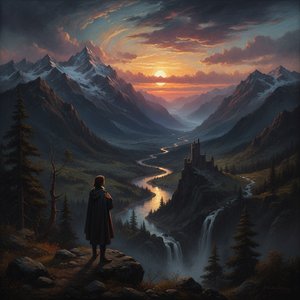
Capturing the Soul: The Emotional Majesty and Sublime Power of Romantic Landscape Painting
Explore the profound emotional depth of Romantic landscape painting. Discover how masters like Turner and Friedrich captured the sublime power of nature through intuition and imagination in this expert art history retrospective.
Avastage teoseid, mis on koondatud teemade, stiilide ja omaduste kaupa.


