


 Vaata sisu
 Jaga teost
 Jaga
Jaga
 Detailid
 Õppekate juhend

 Laadi alla
 Sarnased teosed
 Röntgenuuring
 Slaidietendus
 Statistika
Bowman


Discover John Fulton Folinsbee’s "Bowman" – an evocative impressionist landscape capturing New Hope’s beauty. Explore its textured brushwork & serene river scene.
 Loe lähemalt
American painter John Fulton Folinsbee (Jack) captured New Hope & Lambertville's factories/canals in impressionist scenes. Known for emotive landscapes & Cézanne influence.
Sellel lehel kuvatav kunstiteos on kaitstud autoriõigusega, mis tähendab, et meil ei ole seaduslikku õigust luua või müüa identset reproduktsiooni. Seda kaitset rakendatakse rahvusvaheliste kokkulepete alusel, nagu näiteks Berne konventsioon ning riiklike seadustega, sealhulgas nendega, mida on sätestatud USA autoriõiguse seadus – 17. peatükk.
See meetod järgib täielikult autoriõiguse reegleid, kuna see ei põhine kaitstud kunstiteose kopeerimisel või dupliteerimisel. Selle asemel on tegu loova reinterpreetatsiooniga – uue maaldisega, mis on algteosest inspireeritud, kuid ei ole sellest identiline.
Giclée / Kunstiprint
Muuseumikvaliteediga giclée- või kangasprint kiire tootmisega ja paindlikud viimistlusvõimalused. ( Telli käsitsi maalitud reproduktsioon Ülemineku digitaalse pildi müügi kanalisse)




































Standardne suurus
kohandatud
CM
INCH
Vali meie eelmääratud suurused, mis vastavad teose algupärastele proportsioonidele.
Loading sizes...

laius
kõrgus
Sisestage vajalik laius ja kõrgus, et see sobiks teie raamile või seinale. Trükki saab ainult lõigata, seda ei saa kunagi pildist suuremaks teha, seega ka differentse vormiga suurus kaotab osa pildist. Enne trükkimist saadame teile kinnitamiseks digitaalse näidisprojektsiooni. Sellel lehel näidatud pilt ei kujuta reaalset lõiget — seda näitab ainult näidisprojekttsioon.
Ülemaailmne tarne () 2 nädala jooksul, tavalise 4/5 nädala asemel. (21 oktoober)

Tasuta ekspresssaatmine üle maailma

Kõrgekvaliteediline lina-kangastest muld

Täielik transpordikindlustus

Tollimaksude tagastamise garantii

Värvitoime täpsuse garantii

100 päeva tagastusõigus (ainult defektide korral)

100% raha tagasi garantii

Hulgusoodustus
 Klaasivalik on saadaval ainult kuni 110 cm suuruses teostes

Bowman
Giclée / Kunstiprint
Reproduktsiooni mõõtmed
-


Lõppsumma
€ 60
Settling in New Hope in a home overlooking the Delaware River in 1916, John Fulton Folinsbee began painting winter scenes of the river and canal with a broken-brush technique and in a broad and vigorous style that captured the temporal effects of light and atmosphere. While his small canvases were often painted direct from nature, many of his larger canvases were painted in his studio from sketches. After traveling to England and France in 1926, his work changed. His colors became more somber, his treatment of light more dramatic, and, as River Ice suggests, his work more expressionist in approach while also exhibiting a stronger emphasis on structural design.
Küsimused ja vastused
Kuidas ma saan alla laadida teose „Bowman“, autor John Fulton Folinsbee pildi?
Teose „Bowman“, autor John Fulton Folinsbee digitaalset pilti saab alla laadida selle teose Laadi alla lehelt: kõrge resolutsiooniga digitaalse pildi allalaadimine.
Kuidas saan vaadata reproduktsiooni teosele „Bowman“, autor John Fulton Folinsbee?
Teavet lehel Eelvaade teose "Bowman" kohta võimaldab teil teost enne tellimist eelvaatata.
Millist tooni suundub "Bowman"?
Teose „Bowman“, autor John Fulton Folinsbee läbimõtes on tunda Ochre to Sepia toonist.
Sarnased teosed


Kunstniku elulugu
The Resilient Vision of John Fulton Folinsbee
In the annals of American landscape painting, few names evoke the atmospheric magic of the Delaware River valley quite like John Fulton “Jack” Folinsbee. Born in Buffalo, New York, on March 14, 1892, Folinsbee’s life was a profound testament to the triumph of spirit over physical adversity. At the tender age of fourteen, a debilitating bout of polio left him permanently wheelchair-bound, yet this physical limitation never constrained his artistic reach. Instead, it seemed to sharpen his focus, driving him toward a meticulous and deeply emotive observation of the natural world. His journey was one of constant movement—not through the landscape itself, but through the evolving textures of light, color, and form that he captured on canvas.
Folinscribe’s artistic lineage is a tapestry of influential mentors and prestigious art colonies. His earliest inclinations toward the brush began in childhood at the Art Students League of Buffalo, but his true technical foundation was laid under the guidance of the landscape painter Jonas Lie. This early exposure to tonalism—a style emphasizing mood and atmosphere over sharp detail—became a cornerstone of his sensibility. As he moved through the prestigious Woodstock Art Colony during the summers of 1912–1914, studying under masters like Birge Harrison and John Carlson, Folinsbee began to refine a voice that was uniquely his own. These formative years instilled in him a reverence for the ephemeral qualities of nature, particularly the way light dances across water and settles upon the earth.
A Stylistic Evolution: From Tonalism to Impressionist Mastery
The trajectory of Folinsbee’s career is marked by a breathtaking transition from the soft, muted tones of his youth to a more vigorous and structured approach. Settling in New Hope, Pennsylvania, in 1916, he found himself at the heart of a vibrant art community. His early works in this period often focused on the winter scenes of the Delaware River and its canals, utilizing a broken-brush technique that allowed him to capture the fleeting temporal effects of light and frost. These canvases were often painted directly from nature, breathing with the immediate energy of the riverbank.
However, a pivotal shift occurred following his travels to England and France in 1926. Inspired by the structural brilliance of Paul Cézanne, Folinsbee’s work underwent a profound metamorphosis. He moved away from the hazy boundaries of tonalism toward a more robust Impressionist style characterized by:
- Structural Design: A newfound emphasis on the underlying geometry and architecture of the landscape.
- Dramatic Light: A treatment of illumination that became more theatrical and impactful.
- Expressionist Tendencies: A shift toward more somber, emotive color palettes that suggested a deeper psychological connection to his subjects.
This evolution allowed him to transform the industrial and natural landmarks of New Hope and Lambertville—such as factories, quarries, and winding canals—into much more than mere scenery; they became symbols of a lived, breathing landscape.
Legacy and Historical Significance
John Fulton Folinsbee’s legacy resides in his ability to bridge the gap between the traditional American landscape tradition and the modernizing influences of European Impressionism and Expressionism. He did not merely document the Delaware River valley; he captured its very soul. Through his mastery of texture and light, he rendered the industrial grit of local factories alongside the tranquil beauty of autumn poplars with equal reverence and poetic depth.
Today, his work remains a cornerstone of the New Hope Art Colony’s history. He stands as a figure of immense historical significance, reminding us that the most profound visions often come from those who view the world through a lens of extraordinary perseverance. His paintings continue to resonate with collectors and art historians alike, offering a timeless window into an era where light, water, and human industry converged in a singular, breathtaking harmony.

Lühikest infot
- Artistic Movement Or Style: Impressionism
- Artists Or Movements Influenced By This Artist: ['Cézanne']
- Artists Who Influenced This Artist:
- Jonas Lie
- Birge Harrison
- Date Of Death: May 10, 1972
- Full Name: John Fulton Folinsbee
- Nationality: American
- Notable Artworks:
- Oaks & Tulip Poplars
- Bowman
- Place Of Birth: Buffalo, New York
Sarnased artiklid
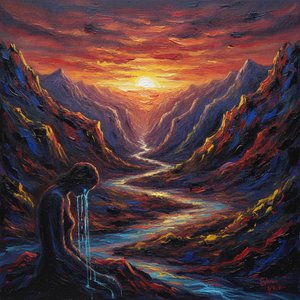
Capturing Emotion: A Journey Through the Soul of Expressionist Landscapes
Explore the profound emotional depth of Expressionist landscapes. Discover how Post-Impressionist masters moved beyond light to capture the soul through vibrant color and form. A curated journey for true art lovers seeking the beauty of expressive mastery.

Beyond the Light: Capturing Raw Emotion and Subjective Vision in Post-Impressionist Landscapes
Explore the profound emotional depth of Post-Impressionist landscapes. Discover how masters like Van Gogh moved beyond light to capture raw human feeling through vibrant color and expressive texture in this expert art history retrospective.