


 Eelvaade
 Saada
Saada Jaga
Jaga
 Teave teose kohta
 Juhend

 Laadi alla
 Sarnased teosed
 Röntgenuuring
 Slaidietendus
 Q&A
Q&A Statistika
Hollyhocks


John La Farge's 'Hollyhocks' watercolor captures the vibrant beauty of red and pink flowers on a leafy branch, showcasing his mastery of color and light. A serene 1885 study.
 Loe lähemalt
John La Farge (1835-1910): Ameerika maalikunstnik ja vitraažikunstniku uuendaja, kes jäi silma Jaapani kunstist inspireeritud valgusrikaste seinamaalide ja aknatehnikatega. Oluline Arts and Crafts liikumise esindaja.
Giclée / Kunstiprint
Muuseumikvaliteediga giclée- või kangasprint kiire tootmisega ja paindlikud viimistlusvõimalused. ( Osta käsitsi maalatud teos Lülita digitaalse pildi juurde)




































Standardne suurus
kohandatud
CM
INCH
Vali meie eelmääratud suurused, mis vastavad teose algupärastele proportsioonidele.
Loading sizes...

laius
kõrgus
Sisestage vajalik laius ja kõrgus, et see sobiks teie raamile või seinale. Trükki saab ainult lõigata, seda ei saa kunagi pildist suuremaks teha, seega ka erineva mustega suurus kaotab osa pildist. Enne trükkimist saadame teile kinnitamiseks digitaalse näidisprojektsiooni. Sellel lehel näidatud pilt ei kujuta reaalset lõiget — seda näitab ainult näidisprojektsioon.
Ülemaailmne tarne () 2 nädala jooksul, tavalise 4/5 nädala asemel. (29 oktoober)

Tasuta ekspresssaatmine üle maailma

Kõrgekvaliteediline lina-kangas

Täielik transpordikindlustus

Tollimaksude tagastamise garantii

Värvitoime täpsuse garantii

100 päeva tagastusõigus (ainult valmistusdefektide korral)

100% raha tagasi garantii

Hulgusoodustus
 Klaasivalik on saadaval ainult kuni 110 cm suuruses teostes

Hollyhocks
Giclée / Kunstiprint
Reproduktsiooni suurus
-


Koguhind
€ 61
A Delicate Study in Color: John La Farge's "Hollyhocks"
John La Farge’s “Hollyhocks,” painted in 1885, offers a captivating glimpse into the artist’s mastery of watercolor and his fascination with capturing the ephemeral beauty of nature. This intimate study showcases vibrant red and pink hollyhock flowers blooming on a verdant branch, rendered with remarkable sensitivity to light and color. More than just a botanical illustration, it's a testament to La Farge's ability to infuse everyday subjects with artistic depth and emotion.
Style & Technique: A Synthesis of Impressionism and Japonisme
La Farge was a pivotal figure in American art, bridging the gap between traditional academic painting and emerging modern styles. "Hollyhocks" exemplifies this synthesis. While rooted in observation – characteristic of Realism – the loose brushwork and emphasis on color harmonies reflect an influence from Impressionism. However, the composition’s flattened perspective and decorative quality also reveal a strong connection to Japonisme, the Western fascination with Japanese art that swept through Europe and America during this period. La Farge was deeply influenced by Japanese woodblock prints, particularly their use of bold outlines, simplified forms, and expressive color palettes. The watercolor medium itself allowed for a fluidity and transparency that further enhanced the painting’s delicate aesthetic.
Historical Context: American Art in the Late 19th Century
Painted during the Gilded Age, "Hollyhocks" reflects a broader shift in American artistic priorities. As industrialization transformed society, there was a growing appreciation for scenes of natural beauty and tranquility. La Farge’s focus on domestic flora aligns with this trend, offering a respite from the rapid changes occurring around him. Furthermore, La Farge's experimentation with watercolor and his embrace of non-traditional subject matter positioned him as a forward-thinking artist challenging conventional artistic norms. He was part of a generation that sought to define a distinctly American aesthetic, moving away from European dominance.
Symbolism & Emotional Impact
While seemingly simple in its subject matter, "Hollyhocks" carries subtle symbolic weight. Hollyhocks themselves often represent abundance, prosperity, and encouragement. La Farge’s careful arrangement of the flowers – three prominent blooms with a smaller one at the top – creates a sense of visual harmony and balance. The vibrant colors evoke feelings of warmth, joy, and vitality. The painting's overall effect is one of quiet contemplation and appreciation for the simple pleasures of nature. It invites viewers to pause and savor the fleeting beauty of a summer garden.
The Artist: John La Farge – A Renaissance Figure
John La Farge (1835-1910) was an extraordinarily versatile artist, renowned not only for his painting but also for his groundbreaking work in stained glass and mural design. Born into a wealthy French-American family in New York City, he received a broad education that fostered his intellectual curiosity and artistic experimentation. His studio in Rhode Island, known as "The Sacred Grove," became a haven for creativity and innovation. La Farge's legacy extends beyond individual artworks; he fundamentally shaped the course of American art by championing new techniques and embracing diverse cultural influences.
Korduvad küsimused
Kui karge on teose "Hollyhocks" väripalett?
Teose „Hollyhocks“, autor John La Farge värvitoit on Subtle Color kütkusega.
Millissele etapile John La Farge karjääris kuulub teos "Hollyhocks" (1885)?
Kuna teos on pärinev aastast 1885, kuulub "Hollyhocks" John La Farge loomingulisse perioodile Mature Period.
Kas ma saan teost „Hollyhocks“, autor John La Farge enne tellimist eelvaatata?
Teose „Hollyhocks“, autor John La Farge reproduktsiooni eelvaate saamiseks avage teose Eelvaade leht.
Sarnased teosed


Kunstniku elulugu
Varajane Elu ja Kunstiline Kutsumus
John La Farge, sündinud 31. märtsil 1835 New Yorgis jõuka Prantsuse perekonda, kujunes oluliseks figuuriks 19. sajandi lõpu ja 20. sajandi alguse Ameerika kunstis. Tema teekond oli pideva uurimise ja uuendamise tee, hõlmates maalikunstist monumentaalkunstini, vitraaažikunstist interjööride kujundamiseni ning teravaid kirjutisi tema reisidest – eriti Aasias käimistest. Kasvades kahekeelsena, andis La Farge’i lapsepõlv talle kosmopoliitse tundlikkuse, mis sügavalt mõjutas tema kunstilist visiooni. Algselt õppis ta seadust, kuid pöördus peagi kunsti poole, alustades Mount St. Mary's ülikoolis ja seejärel St. John’s kolledžis (praegune Fordhami ülikool). Saatuslik periood järgnes Thomas Couture’i juures Pariisis õppimisega, kus ta omandas Euroopa kunstitraditsioonid, arendades samal ajal unikaalselt Ameerika esteetikat. See varajane kokkupuude nii Vanamaailma meisterlikkusega kui ka oma iduneva originaalsusega pani aluse karjäärile, mida iseloomustasid läbimurdelised tehnikad ja eriline stiil.Pioneeritöö Erinevates Valdkondades
La Farge’i kunstiline looming oli tähelepanuväärselt mitmekesine, kuid ühtlaselt iseloomustasid intensiivne keskendumine värvile ja valgusele. Ta hakkas tuntuks saama oma illustratsioonide ja maastike kaudu, kuid monumentaalkunstis tegi ta esmakordselt olulise mulje. Tellimused kirikutele nagu Trinity kirikus Bostonis (1873) ja Ascensioni kirikus New Yorgis demonstreerisid tema võimet luua valgustoone täis vaimseid ruume. La Farge’i püsivaim pärand on aga tema revolutsiooniline töö vitraaažikunstis. Eraldi seistes tavapärasest, töötas ta välja tehnika, mis hõlmas mitme värvitud klaaskihi ülekattumist – protsessi, mille eest ta sai patendi 1880. aastal. See uuendus võimaldas tal saavutada enneolematu rikkuse ja sügavuse värvis, muutes vitraaažikunstist pelgalt dekoratiivse elemendist võimsa kunstilise väljendusvahendi. Tema vitraažiaknad ei olnud lihtsalt esitused; need olid valgus- ja toonide immersiivsed kogemused. Lisaks nendele põhialadele paistis La Farge silma ka interjööridisainis, luues harmoonilisi keskkondi, mis integreerisid tema maalid, monumentaalkunstid ja dekoratiivseid elemente.Ida Mõju ja Uute Vormide Otsingud
La Farge’i kunstilise arengu määravaks aspektiks oli tema kinnistunud huvi Jaapani kunsti ja kultuuri vastu. Tema reisid Aasias, alates 1880ndatest, mõjutasid sügavalt tema esteetilisi tundeid. Ta dokumenteeris oma tähelepanekuid hoolikalt kirjutistes ja integreeris Jaapani disainielemente – näiteks asümmeetriat, lamedaid perspektiive ja rafineeritud värsitunnet – oma loomingu hulka. See idamaise esteetika omaksvõtt ei olnud pelgalt jäljenduslik; La Farge sünteesiti need mõjud oma olemasoleva kunstilise sõnavaraga, et luua midagi täiesti uut. Tema stuudio aadressil 51 West 10th Street Greenwich Village’is sai keskuseks kunstnikele, kes olid huvitatud mitte-läänelike kunstivormide uurimisest, soodustades eksperimenteerimise ja kultuurivahetuse vaimu. Ta ei olnud selles püüdluses üksi – ka James McNeill Whistler oli Jaapani esteetikast lummatud –, kuid La Farge eristus oma võimest integreerida need mõjud sujuvalt oma mitmekülgsesse kunstilisse praktikasse. Pühadusmets, Rhode Islandi metsane ala, kus ta maalis palju mütoloogilisi stseene, sai tema vaimsete ja kunstiliste uurimuste isiklikuks pühapaigaks.Püsiv Mõju Ameerika Kunstile
John La Farge’i panus ulatus kaugemale tema individuaalsetest teostest; ta oli ka pühendunud kunstide propageerija ja jõuline akadeemilise konservatismi kriitik. Ta asutas 1877. aastal koos Ameerika Kunstnike Seltsi alternatiivina Rahvusliku Disaini Akadeemia tajutud jäigusele, propageerides kunstilist vabadust ja uuendust. Tema mõju on näha järgnevate põlvkondade kunstnike töödes, eriti nendega, kes olid seotud Arts and Crafts liikumise ja sümbolismiga. La Farge’i rõhk käsitööle, tema vaimsete teemade uurimine ja tema uuenduslik värvikasutus resonantsisid kunstnikega, kes otsisid traditsioonilistest konventsioonidest väljapääsu. Ta töötas õppejõuna Metropolitan Muuseumi Kunstikoolides, kasvatades noori talente ning jagades oma teadmisi ja kirge kunsti vastu. Kuigi ta seisati silmitsi probleemidega – sealhulgas pikaleveninud kohtuvaidlusega Louis Comfort Tiffanyga vitraažiakna patentide üle –, pühendus La Farge oma kunstilisele visioonile kuni oma surmani 1910. aastal. Tema pärand kestab uuenduse jõu, värvi ilu ja kultuurivahetuse kestva mõju tõestusena.Väljas Lõuendi Piiridest: Kirjutised ja Perekond
- Kirjanduslikud Panused: La Farge ei olnud mitte ainult visuaalne kunstnik, vaid ka andekas kirjanik. Tema reisikirjad, eriti *An Artist’s Letters from Japan* (1897), pakkusid sisukaid tähelepanekuid Jaapani kultuuri ja kunsti kohta, aidates kaasa kasvavale läänelikele inimeste hindamisele idamaise esteetika vastu.
- Perekonna Pärand: La Farge’i perekond jätkas panustamist kunstidesse ja humanitaarteadustesse. Tema poeg, Oliver Hazard Perry La Farge II, sai tuntud antropoloogiks ja kirjanikuks, keskendudes põlisameeriklaste kultuuridele ning võites Pulitzeri preemia oma romaani *Laughing Boy* (1929) eest.
- Viimased Aastad: Hilisematel aastatel töötas La Farge jätkuvalt viljakalt, luues monumentaalkunstid isegi seitsmekümnendates eluaastates. Ta suri Butleri haiglas Providence’is Rhode Islandil, jättes maha loomingu, mis jätkab inspireerimist ja publiku lummistamist tänapäevani.
- Tema matmine toimub Green-Woodi kalmistul Brooklynis New Yorgis.

John La Farge
1835 - 1910 , Ameerika Ühendriigid
Lühikest infot
- Artistic Movement Or Style: Sümbolism, Arts & Crafts
- Artists Or Movements Influenced By This Artist: ['Maria Oakey Dewing']
- Artists Who Influenced This Artist: ['Thomas Couture']
- Date Of Birth: 31. märts 1835
- Date Of Death: 14. november 1910
- Full Name: John La Farge
- Nationality: Ameeriklaste rahvus
- Notable Artworks:
- The Sacred Grove
- Trinity Church murals
- Place Of Birth (City And Country): New York, USA
Sarnased artiklid
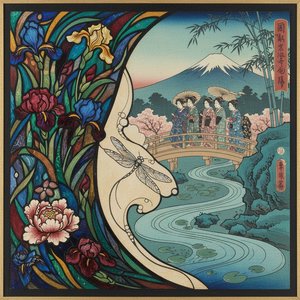
John La Farge: Pioneering American Colorism & Japonisme's Influence
Explore the groundbreaking work of John La Farge, a pioneer of American colorism and stained glass. Discover his captivating Japonisme-inspired murals & lasting legacy in 19th-century art. Expert insights for collectors.

John Singer Sargent's 25 Masterpieces: Portraits & Beyond | TopImpressionists
Explore 25 iconic John Singer Sargent paintings – from dazzling portraits to Impressionist landscapes. Discover the stories behind Madame X, El Jaleo & more! Find museum-quality art reproductions and elevate your home decor with TopImpressionists.com.

Watercolor Wonders: 10 Masterpieces That Redefined Art History | TopImpressionists
Journey through 10 legendary watercolor masterpieces by Sargent, Turner & Homer! Explore iconic landscapes, portraits & floral art that redefined history. Find museum-quality reproductions and curated decor ideas at TopImpressionists.com.

Ephemeral Visions: Exploring the Artistic Legacy & Contemporary Practice of Watercolor Painting
Explore the captivating world of watercolor painting! Discover its rich history, essential techniques, influential artists & collecting tips. A comprehensive guide for art enthusiasts from TopImpressionists.

John Constable: 25 Suurimat Teost Inglise Maastikumaali Tippu
Avastage John Constable'i 25 suurimat teost! Sukeldu inglise maastikumaali romantismisse, imetlege Dedham Vale ilu ja leia inspiratsiooni kodukaunistuseks. Kvaliteetsed kunstireprodutsioonid TopImpressionists.com-is. Vaata kohe!