


 Vaata sisu
 Jaga teost
 Jaga
Jaga
 Detailid
 Õppekate juhend

 Laadi alla
 Sarnased teosed
 Röntgenuuring
 Slaidietendus
 Statistika
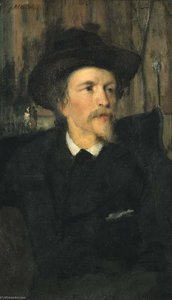
Self Portrait


Experience the realism of Eastman Johnson's 'Self Portrait' (1860). A captivating oil painting showcasing an American artist’s nuanced portrayal of himself, reflecting a bygone era.
 Loe lähemalt
Avastage Jonathan Eastman Johnson (1824-1906), 'amerika Rembrandt'! Avange tema žanripainide, Lincolnie portreede ja muud teoseid, mis jäädvustavad igapäevast Ameerika elu hollandi meistrite mõjutel.
Ostke kõrglahutusel ja täiustatud digitaalne pilt, mis on oluliselt parem kui veebilehel näidatud eelvaade.
Iga fail on meie spetsialistide poolt hoolikalt ette valmistatud, kasutades kaasaegseid tööriistu ja professionaalset käsitsi retušeerimist. Tagame, et igal pildil on erakordne selgus, täpne värvitäpsus ja peen detail.
Lõplik fail saadetakse e-posti teel 72 tunni jooksul ning on optimeeritud koheseks kasutamiseks professionaalsetes, toimetuslikes ja trüki keskkondades. See on sama kvaliteet, mida usaldavad tipptasemel disainistuudiod, kirjastused ja galeriid.
Digitaalne pilt
Laadi alla kõrge resolutsiooniga fail isiklikuks vaatamiseks, trükkimiseks ja loomingulisteks projektideks. ( Lülita trükkitoodetele Telli käsitsi maalitud reproduktsioon)
Sisse kuulub iga digitaalse pildi tellimusega
Professionaalne digitaalne kohaletoimetamine, garanteeritud
Valides TopImpressionists.com, ei saa sa lihtsalt pilti – saad professionaalselt parandatud digitaalse teose, mida on valmistatud täpsusega ja mis on toetatud rahuldamatusgarantiiga. Siin on kõik, mis sinu tellimusega automaatselt kaasneb:

Kiire e-posti edastus
Teie kõrge resolutsiooniga digitaalne pildifail saadetakse teile e-posti 72 tunni jooksul pärast tellimist – kohe kasutamiseks valmis.

Tehisintellektiga täiustatud digitaalne fail
Teie teos on professionaalselt optimeeritud arenenud tehisintellekti tööriistade ja käsitsi redigeerimise abil, tagades maksimaalse detailitaseme, selguse ja värvitäpsuse.

Tasuta eluaegne uuesti saatmine
Kas kustutasid faili kogukalu unustamisel või kustutamisel? Puudub mure – saad selle uuesti igal ajal ilma lisatasuta.

Puuduvad importimaksud – alati
Nautige oma teoseid koheselt ilma tolli-, maksude või tarnimaskuludeta – digiletchargused on alati maksuvabadud.

Värvitäpsuse garantii
Me tagame, et teie digitaalne pilt kajastaks originaali värve professionaalsete tööriistade ja värvihalduse abil võimalikult täpselt.

100 päeva rahuldamatuse garantii
Kui te ei ole oma digitaalse pildi eest rahul, siis me parandame seda või tagastame 100% summast 100 päeva jooksul – küsimusteta.

100% raha tagastamise garantii
Ei ole rahul? Saate täielise tagastaja 100 päeva jooksul pärast digitaalse faili kättesaamist – ilma küsimusteta.

Suurema tellimuse soodustused
Osta 3 pilti, säästa 10% - Osta 5, säästa 15% - Osta 10+, säästa 20%. Sobib suurepäraselt loomingulisteks projektideks, galeriideks ja agentuurideks.
A Window into American Realism: Eastman Johnson’s “Self Portrait” (1860)
Eastman Johnson's "Self Portrait" of 1860 is more than just a likeness; it’s a meticulously crafted window into the soul of an era and the quiet dignity of a man. Painted during a pivotal period of American artistic development, this oil-on-canvas work embodies the burgeoning realism that would define Johnson's career and, in many ways, shape the course of 19th-century portraiture. The painting immediately draws the viewer in with its direct gaze – Johnson’s eyes meet ours across time, conveying a sense of thoughtful introspection and understated strength.
The composition is deceptively simple yet profoundly effective. Dressed in a dark, well-tailored coat and holding a red cloth—a subtle detail that hints at theatricality or perhaps a deliberate gesture of presentation – Johnson presents himself against a muted wall adorned with a vase and a clock. These elements aren’t merely decorative; they ground the portrait within a domestic setting, suggesting a life lived within the rhythms of everyday existence. The background's subdued palette further emphasizes the subject, allowing his features and demeanor to take center stage.
The Painter’s Palette: Technique and Style
Johnson’s masterful technique is rooted in the academic traditions he studied in Europe, particularly in Düsseldorf, Germany, where he honed his skills alongside other American artists seeking a rigorous artistic education. However, unlike many of his European contemporaries, Johnson didn't simply replicate established styles; he adapted them to reflect the unique character of American life. His brushwork is precise and controlled, yet imbued with a remarkable sensitivity to light and shadow. Note the subtle gradations in tone that define the contours of his face, creating a sense of volume and depth.
The painting’s realism extends beyond mere representation. Johnson captures not just Johnson's physical appearance but also something of his personality – a quiet confidence tempered by a hint of melancholy. The careful attention to detail—the texture of the coat, the slight furrow in his brow—reveals a deep understanding of human anatomy and expression. It’s a testament to Johnson’s ability to translate observation into compelling visual narrative.
A Man of His Time: Historical Context
To fully appreciate “Self Portrait,” it's essential to understand the social and artistic landscape of 1860 America. The nation was grappling with the aftermath of the Civil War, navigating a period of Reconstruction and profound societal change. Johnson’s work reflects this atmosphere of introspection and quiet resilience. He wasn’t interested in grand historical narratives or idealized representations; instead, he focused on capturing the realities of ordinary American life – a theme that would become increasingly prominent in his later genre paintings.
Johnson's connection to Washington D.C. is particularly significant. He lived and worked there for much of his career, documenting the lives of politicians, businessmen, and everyday citizens. His portraits offer invaluable insights into the social fabric of a rapidly evolving nation. The inclusion of elements like the vase and clock—common features of domestic interiors—further anchors the portrait within this specific context.
Symbolism and Emotional Resonance
While seemingly straightforward, “Self Portrait” is rich in subtle symbolism. The red cloth held in Johnson’s hand could represent passion, creativity, or perhaps a theatrical element – reflecting his involvement in stage design and set dressing. The direct gaze of the subject invites contemplation, prompting us to consider not only Johnson's identity but also our own relationship with self-representation and portraiture itself.
Ultimately, “Self Portrait” is a powerful testament to the enduring appeal of realism as an artistic approach. It’s a painting that speaks to the complexities of human experience – capturing both the outward appearance and the inner life of a man who sought to document his time with honesty, nuance, and a profound appreciation for the beauty of everyday existence.
Küsimused ja vastused
Kas teosel "Self Portrait" on lisatud reaalsete elementidega (AR) eelvaade?
Teose „Self Portrait“, autor Jonathan Eastman Johnson leht AR-eelvaade kasutab täiendatud reaalset, et näidata teost ühilduva seadme abil teie enda ruumis.
Millest teos "Self Portrait" on valmistatud ja millises stiilis on see?
„Self Portrait“, autor Jonathan Eastman Johnson ühendab endas Acrylic On Canvas tehnikat ja Realism stiili. Tehnika ja suundumus kirjeldavad teose valmistusviisi ja stiili.
Millist trükkimisviisi soovitatakse teosele „Self Portrait“, autor Jonathan Eastman Johnson?
Teose „Self Portrait“, autor Jonathan Eastman Johnson trükkimiseks on soovitatav kasutada suurust Medium ja orientatsiooni Portrait.




Kunstniku biograafia
Elu, mis on graveeritud Ameerika realismisse
Jonathan Eastman Johnson, nimi, mis kõlab 19. sajandi Ameerika elu vaikse väärikusega, oli olnud palju enamat kui vaid maalari; ta oli oma ajastu visuaalne kronik. Sündides 1824. aastal Maine osariigis Lovellis, ei olnud Johnsoni tee kunstilise kuulsuse juurde vahetu, vaid pigem järk-järgne avandumine, mida kujutasid endast perekonna sidemed, rangsai õpe ja vankumatu pühendumus maailma kujutamisele nii, nagu ta seda nägi – ausalt, nüansitudalt ja veidi melankolia ilu puudutusega. Tema isa, Philip Carrigan Johnson, tegeles äri- ja vennaskondade valdkonnas, installeerides noore Eastmani hinge kogukonna kaasamine, mis peeti hiljem tema kunstiliste teemade sügavaks olemuseks. Varajane elatus Maine osariigi Fryeburgis ja Augusta linnades pakkus talle alustav kogemus, mis ligandas tema arusaamat igapäevasest enoughust – arusaamat, mida ta tõlkis lapidele hämmastav sensitiivsusega. Tema ametlik õpe algas 1atumapliniku õpilasena Bostonis 1840. aastal, tähistades esimeset sammu karjääris, mida iseloomustasid täpne tähelepanek ja tehniline oskus. Iseseisva liikumine Washington D.C.-sse koos perega, tema isa laevastikus ametikohale saanud edasiviija tõttu, laiendas tema horisonti, tutvustades talle erinevaid teemasid ja kogemusi, mis mõjutasid peaaegu nähtamatult tema kunstilist visiooni.Hollandi meistritest Ameerika suvedeni
Johnsoni kunstiline areng oli fascineeriv mõjudemate koosmäng. Algul tõdetud portreetide maalimisele, laiendas ta kiiresti oma repertuaari žanrimaalide ehk igapäevase elu kujutuste valdkonda. See ei olnud pelgalt esitamine; see oli Ameerika ühiskonna olemuse tabamine, pakkudes pilgusid tavaliste inimeste elule, keda suuremised ajaloolised narratiivid sageli üle näevad. === 1850. aastatel saabus murdepunkt, kui Johnson teekustas Haagi ja sisenes 17. sajandi hollandi meistrite teostele. See kohtumine osutus transformatiivseks. Ta imarus endasse nende meisterlikkuse kompositsiooni, valgustuse ja realismis, saades armastava nimeti "Ameerika Rembrandt". See mõju on tunda tema maalides – peen palett, dramaatiline chiaroscuro ja peaaegu fotoline täpsus detailides iseloomustavad tema küpsust saavutanud stiili. Kuid Johnson ei imiteerinud lihtsalt; ta sündis need Euroopa tehnikad koos oma unikaalse Ameerika tundlikkusega, luues teoseid, mis olid nii tehniliselt briljantsid kui ka sügavalt juurdunud oma ajastu sotsiaalsesse kanga. Ta liitudes kasvavale realistlikule suundumusele, lükkas ta tagasi idealiseeritud esitusi eelistades igapäevase elu täpset kujutamist – pühendumus, mis määras tema kunstilise pärandi.Aja tunnustajana
Johnsoni teos on hämmastavalt mitmekesine, hõlmades portrette märkimisväärsetest isikutest nagu Abraham Lincoln, Nathaniel Hawthorne, Ralph Waldo Emerson ja Henry Wadsworth Longfellow, koos intiimsete koduste ja maaelu stseenidega. Siiski erinevad mõned teosed eriti olulistena oma sotsiaalse kommentaari ja kunstilise innovatsiooni poolest. Negro Life at the South (1859) on jäänud üks tema kuulsaima – ja kontroversneim – maale. Kujutades afroameriklikke naudingupäevi nautimas, kütitas see tugevat debatti rühmituste suhete ja ennetuseaja lõuna osariikide köla realiteetide üle. Selles stseenis oleva ebaselgus – kas see oli romantiseeritud kujutis või peidetud kriitika? – kütitas arutelusid, mis kõlastasid kaugele beyond kunsti maailma. Tema vastus kodusõjale oli samuti emotsionaalselt võimas. Selle asemel, et keskenduda lahinguvõitluse kangelaslikule poolusele, pööras Johnson tähelepanu konfliktil siviliteeritud elu peetavale mõjule, luues hirmutavaid pilgusid ärmest eemal olevatest ärmitest ja murelikest peredest. Ride For Liberty (1rag 1862), mis kujutab vabaduse nimel põgenevat slaavitud peret, on võimas tunnistus tema pühendumusele sotsiaalsele õiglustusele. Tema kirjeldused New Englandi maaelust – vahtarisukoo kogumine, mustikakorjamine – tähistasid traditsioonilisi Ameerika väärtusi ja käsitöömeistrite oskust vaiksel austusega.Pärand beyond lapide
Lisaks oma kunstilistele saavutustele mängis Johnson olulist rolli Ameerika kunstimaastiku kujundamisel. Tema pühendumus žanrimaalidele tõstis seda auastatud kunstivormiks, esitades kuulutuse sellele, mis on "kõrge kunst". Ta ei olnud lihtsalt kunstnik; ta oli kultuuriline eestেleitja. Tema pühendumus laiemnes ka tema enda praktikale, culminatesides New York City Metropolitan Museum of Art'i asialise loomisega – see on tunnistus tema usku kohta kunsti võimekusse harida ja inspireerida. Tema nimi on graveeritud selle sissekäigu juurde, püsiv tunnustus tema olulisele panule riigi kunstipärandile. Johnsoni mõju Ameerika realismile on kinnitamatu; tema pühendumus igapäevase elu ausalt ja detailidega kujutamisele teavutas teed tulevatele kunstnikute põlvetele, kes soovisid tabada inimkogemuse keerukust. Täna mäletatakse Jonathan Eastman Johnsonit mitte ainult tehniliselt andekana maalarina, vaid ka Ameerika ühiskonna mõistliku vaatajana, kelle teosed jätkavad kõlamist oma igavene seisuvuse ja emotsionaalse sügavusega.Igavene tähtsus
Johnsoni pärand ulatub kaugemale kui konkreetsetest maalidest või institutsionaalsetest panustest. Ta oli pioneer, kes tõid sildid Euroopa kunstip traditsioonide ja unikaalse Ameerika teemastikuni. Tema võime ümbrizeda tavalistud stseenid sügava tähendusega, tema valmidus tegeleda keeruliste sotsiaalsete küsimustega ja tema vankumatu usku realismile kinnitas tema koha 19. sajandi Ameerika kunsti võtmefiguurina. Ta ei olnud lihtsalt elu dokumenteerija; ta tõlkis seda, kutsumist vaatajat mõtlema oma väärtuste ja usude üle. Tema töö toimib võimsana meeldetuletusena, et tõeline kunstiline meistriklaps peitub mitte ainult tehnilises oskuses, vaid ka võimes ühenduda inimvaimuga ja valgustada maailma ümber. Ta surmas New Yorkis 1906. aastal, jättes järele teosekogumi, mis jätkub lummama ja inspireerima, tagades tema püsiva tunnustuse kui olulise isikuna Ameerika kunstilo historys.
Jonathan Eastman Johnson
1824 - 1906 , Ühendatud Kuningriik
Kiired faktid
- Artistic Movement Or Style: Realism, žanripaitel
- Artists Or Movements Influenced By This Artist: ['American realism']
- Artists Who Influenced This Artist:
- Hollandi meistrid
- Jean-François Millet
- Date Of Birth: 29. juuli 1824
- Date Of Death: 5. aprill 1906
- Full Name: Jonathan Eastman Johnson
- Nationality: Ameerika
- Notable Artworks:
- Negro Life at the South
- Ride For Liberty
- Woman Reading
- Place Of Birth: Lovell, Ühendatud Kuningriik