


 Vaata sisu
 Jaga teost
 Jaga
Jaga
 Detailid
 Õppekate juhend

 Laadi alla
 Sarnased teosed
 Röntgenuuring
 Slaidietendus
 Statistika
CORNELIE, MERE DE GRACQUES


Experience the timeless beauty of Joseph Suvée's 'Cornelia, Mother of the Gracchi.' This Neoclassical masterpiece captures Roman family life with exquisite detail and serene elegance.
 Loe lähemalt
Joseph-Benoît Suvée (1743-1807) oli uusklassitsimi ajastu flammi maalikunstnik. Tuntud ajaliste ja müoodiliste stseenide poolest, näitavad tema teosed nagu 'Cornelia, Gracchi ema' 18./19. sajandi akadeemilist kunsti.
Käsitsi valmistatud õlimaalireproduktsioon
Meie kunstnike poolt tellimusel valmistatud käsitsi maalitud õli-kainaste teos teie soovitud suuruses ja raamis. ( Lülita trükkitoodetele Ülemineku digitaalse pildi müügi kanalisse)




P118B €10

P118H €10

P118W €10

P438Z €10

P508JH €12

P508YH €12

P805H €10

P805Z €10

P919BZ €10

P919G €10

P919XJ €10

P959ZH €10

P968JZ €12

W106C €8

W218G €10

W218JH €8

W218Y €10

W307PJ €10

W316G €10

W316PJ €8

W316Y €10

W398PJ €8

W4111J €10

W500HY €15

W500JH €15

W692G €12

W849H €8

W940BG €15

W953PJ €8




Standardne suurus
kohandatud
CM
INCH
Vali meie eelmääratud suurused, mis vastavad teose algupärastele proportsioonidele.
Loading sizes...

laius
kõrgus
Sisestage vajalik laius ja kõrgus, et teos sobiks teie raamile või seinale. Kuna tegu on käsipainatud teosega, siis erineva kujuga suuruse korral võib kunstnik jätta pildi ümber veidi rohkem marginaali või lõigata osa ära — valik on teie. Enne maali alustamist saadame teile kinnitamiseks digitaalse näidisprojektsiooni. Sellel lehel näidatud pilt ei kajasta tegelikku tulemust — seda näitab ainult näidisprojekttsioon.
Näited muudetavatest elementidest: asenda nägu kliendi fotoga; lisa lemmikloom (nt asenda kass koeraga); lisa taustale peidetud sõnum; muuda tausta maastikku või elemente.
Pärast tellimust saadab TopImpressionists.com meeskond kliendile e-posti juhised ning esitab eelvaate kavandi
Pärast tellimust saadab TopImpressionists.com meeskond kliendile e-posti juhised ning esitab eelvaate kavandi
Maailmline tarne 3–4 nädala jooksul tavalise 5 nädala asemel. (24 oktoober). Kvaliteedis kompromisse ei tehta.

Tasuta ekspresssaatmine üle maailma

Kõrgekvaliteediline lina-kangastest muld

Täielik transpordikindlustus

Tollimaksude tagastamise garantii

Värvitoime täpsuse garantii

100 päeva tagastusõigus (ainult defektide korral)

100% raha tagasi garantii

Hulgusoodustus
 Klaasivalik on saadaval ainult kuni 110 cm suuruses teostes

CORNELIE, MERE DE GRACQUES
Reproduktsiooni materjal
Reproduktsiooni mõõtmed
-


Lõppsumma
€ 411
Cornelia, Mother of the Gracchi – A Neoclassical Portrait of Roman Dignity
The painting “Cornelia, Mother of the Gracchi,” attributed to Joseph-Benoît Suvée, is more than just a portrait; it’s a carefully constructed tableau vivant, a window into the idealized world of late 18th-century Neoclassicism. Executed around 1795, this work captures a pivotal moment – Cornelia, the formidable mother of the celebrated Roman brothers Tiberius and Gaius Gracchus, imparting wisdom and guidance to her children. The scene unfolds within a meticulously rendered interior, reminiscent of a Roman villa or atrium, subtly hinting at both classical grandeur and domestic intimacy. Suvée’s masterful handling of light, color, and composition elevates this depiction beyond simple representation, imbuing it with an enduring sense of dignity, maternal love, and the weight of Roman history.Composition and Style – Echoes of Antiquity
Suvée’s approach is firmly rooted in the Neoclassical movement, a reaction against the excesses of the Rococo style. The composition adheres to strict principles of symmetry and balance, mirroring the order and rationality prized by the classical world. A central grouping dominates the foreground: Cornelia, seated with an air of serene authority, faces her two sons. Their postures are attentive, suggesting a receptive audience to her words. Architectural elements – arches, columns, and statues – frame the scene, creating a sense of depth and reinforcing the connection between the domestic interior and the broader Roman landscape. The painting’s overall effect is one of controlled elegance, reflecting the movement's emphasis on clarity, restraint, and idealized forms. The influence of artists like Nicolas Poussin and Claude Lorrain, masters of historical and mythological scenes, is readily apparent in Suvée’s careful attention to perspective and his ability to evoke a sense of timelessness.Technique – The Brushstroke as a Language
Suvée's technical skill is evident in the meticulous detail with which he renders every element of the scene. He employs a smooth, polished technique, characteristic of oil painting on canvas, achieved through careful blending and layering of colors. Note the subtle variations in brushstrokes – the rougher texture applied to the stone walls contrasts sharply with the smoother surfaces of the figures’ clothing and faces. This textural contrast not only adds visual interest but also contributes to the sense of depth and realism within the composition. The use of light is particularly noteworthy, creating a diffused illumination that highlights key features while casting subtle shadows, adding volume and dimension to the forms. The artist's ability to capture the nuances of fabric – the folds of Cornelia’s gown, the texture of her children’s clothing – speaks volumes about his observational skills and technical mastery.Symbolism and Historical Context – A Mother’s Legacy
“Cornelia, Mother of the Gracchi” is not merely a portrait; it's a carefully orchestrated symbol of Roman virtue and maternal authority. Cornelia’s pose—seated with her hands resting gracefully on her lap—evokes images of ancient Roman matrons, revered for their piety, wisdom, and dedication to family. The presence of the statues in the background further reinforces this connection to antiquity, suggesting that Cornelia embodies a lineage of noble women who have shaped the course of Roman history. The Gracchi brothers themselves were figures of immense historical significance – reformers who challenged the established order and ultimately met violent ends. By depicting Cornelia as their devoted mother, Suvée subtly elevates her status, portraying her as a guardian of Roman values and a source of strength for her sons. The painting was created during the tumultuous years of the French Revolution, when ideals of republicanism and civic virtue were being fiercely debated. Cornelia’s image resonated with those seeking to reclaim the legacy of classical Rome as a model for a just and equitable society.Emotional Impact – A Portrait of Enduring Strength
Despite its historical context, “Cornelia, Mother of the Gracchi” transcends mere representation to evoke a profound sense of emotional resonance. The painting’s serene atmosphere, combined with Cornelia's dignified expression, conveys an enduring message of maternal love, wisdom, and resilience. The scene suggests a quiet moment of connection between mother and children—a testament to the power of familial bonds. It is a portrait that invites contemplation on themes of legacy, virtue, and the enduring influence of individuals who shape the course of history. The painting’s timeless quality ensures its continued appeal as a powerful symbol of maternal strength and Roman ideals.Küsimused ja vastused
Millist ruumi on „CORNELIE, MERE DE GRACQUES“, autor Joseph-Benoît Suvée jaoks soovitatav?
Soovitatav paik „CORNELIE, MERE DE GRACQUES“, autor Joseph-Benoît Suvée jaoks on Living Room. See soovituse võib muidugi oma interjööri vajadust mööda kohandada.
Milleks on teose „CORNELIE, MERE DE GRACQUES“, autor Joseph-Benoît Suvée reproduktsiooni soovitatud kasutada?
Prindi "CORNELIE, MERE DE GRACQUES" soovituslik kasutus on Statement.
Kuidas teose „CORNELIE, MERE DE GRACQUES“, autor Joseph-Benoît Suvée värvikompositsioon on üles ehitatud?
Teose „CORNELIE, MERE DE GRACQUES“, autor Joseph-Benoît Suvée värvikompositsioon ühendab endas Bold kontrastiga Strong Color Unity harmooniat.
Sarnased teosed


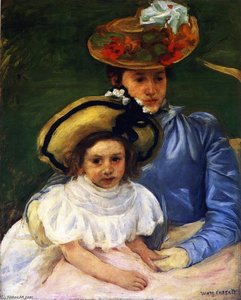


Kunstniku elulugu
Fra Galgario: Rokoo perioodi Veneetsia meister
Giuseppe Vittore Ghislandi, kes tuntub paremini nimega Fra’ Galgario (1655–1743), oli võt Quaruline roll mängijaga 18. sajandi Bergamos levanud vibratil kunstimaastrikul. Tema elu ja karjäär kujistavad lummavat mõjutuste liitmist – alates Vene maali traditsioonidest kuni Euroopas laiali levinud uue Rokoo stiili kuni, ning kõiki neid filtreerides läbi tema ainulaadse vaateoskuse kui munklaise ja pühendunud portretisti. Sündides kunstipärandiga rikastatud peresse, eriti *quadratura* (illusioonist laemaalimine) valdkonnas, pani Fra’ Galgario varajane koolitus aluse karjäärile, mis lõpuks eristas teda inimkuju elegantsi ja intiimsuse tabamise meistrina. Tema kujundavate aastate sisu veeti peamiselt Bergamos, Giacomo Cotta ja Bartolomeo Bianchi õpetuste all, imeldes kohaliku kunstikogukonna tehnikaid ja esteetikat. Kuid otsus liituda Veneetsias Minimi ordeniga märkis olulist pöördet, uputades teda kontemplatiivsesse keskkonda, pakkudes samas ligipääsu ühe Euroopa dünaamilisema kunstikeskuse juurde. See topeltelu – religioosne elu, mida katkavad kunstilised ambitsioonid – kujundas tema maalimislähenemist, andes tema töödele vaikse väärikuse ja inimsuhtluse peensuste väärtustamise. Ajastul vahetult 1eks 1675 ja 1688 aastate vahel töötas ta Sebastiano Bombelli stuudios, kuulsas Veneetsia maalari kesknel, kes oli tuntud oma draamatiliste kompositsioonide ja valgus-varjundmängu meisterliku kasutamise poolest. See koostöö osutus väärtuslikuks, avades Galgariole tee Veneetsia kunstimaailmas ringlevate uusimate trendide ja tehnikate juurde. Galgario stiili iseloomustab märkimisväärne tasakaal klassikalise kesisuse ja Rokoo lopsaka ilu vahel. Ta suutsid oskuslikult ühendada Vene kooli elemente – eriti rikkalikke väripalette ja detailset tähelepanu – Rokoo liikumuse mängulisemate ja dekoratiivsemate tendentsidega. Tema portreedi on eriti silmapaistvad oma psühholoogilise sügavuse ja võime edastada vaikse mõttelaimuse tunnet poolt. Teosed nagu Lodovico Rota (hoidis Budapesti Kuldkunsti Muuseumis) demonstreerivad seda täiuslikult, näidates forman elegantsi ja intiimse emotsiooni keerulist kooskõla. Kompositsioon on suurejooneline ja aristokraatlik, peegeldades teema staatust, kuid Galgario valgus- ja varjundkasutus loob intiimse tunne, tõmbates vaataja stsreeni. Sarnaselt sellele paljastab ka Barber's Shop Sign (asub Bergamo Accademia Carraras) tema huvi igapäevaelu tabamise vastu terava silma ja kaasaegsete trendide peenelt teadlikkusega – see on selge mõjut Salomon Adlerilt, kes töötas tollal Veneetsias.Nicolas Lancreti mõju ja sellest edasi
Kuigi Fra’ Galgario tegutses eraldatud Veneetsia traditsioonis, oli ta kahtlemata mõjutatud laiematest Euroopa kunstivooludest. Nicolas Lancret (1690–1743), kaasaja Prantsusmaa maalari, kes on tuntud oma fêtes galantes ehk aristokraatliku vabaaja ja romantsika stseenide poolest, on seda mõjutust suurepäraselt illustreeriv. Lancreti rõhuasetus ilul, elegantsetele kostüümidele ja idüllikule keskkonnale leidis kaja Galgario oma portreetööri lähenemises. Siiski säilitab Galgario töö teatud solemnituse ja kesisuse, mis eristab teda Lancreti otsekohe lollakamast stiilist. Detailide hoolikust tähelepanu, ekspressiooni peened nüanssid ja väärikuse tunne Galgariode portreettides peegeldavad tema kloostrikasvatust ja sügavat inimliku iseloomu austamist. Lisaks demonstreerib Galgario töö sügavkuulutavat arusaama kunstiloost. Lodovico Rota suurejoonelisus kaja Giovanni Battista Moroni teoseid, samas kui Marchese Giuseppe Maria Rota and Capitano Brinzago ruumiline keerukus paljastab teadlikkuse Veneetsia meistrite nagu Claude Lorrain ja Nicolas Poussin uuendustest. See võime sünteetiserida erinevaid mõjud ühtseks ja originaalseks stiiliks on Galgario kunstilise saavutuse tunnusmärk.Nicolai Abildgaard: Paralleelne teekond
Fra’ Galgario lugu jagab põnevusi Nicolai Abildgaardi (1743–1809) looga, Taania neoklassitsimeelne maalari, kes nagu Galgariokagi rändas kunstilise täiuslikkuse nimel Rooma. Mõlemad kunstnikud otsisid inspiratsiooni antikva klassikalistest traditsioonidest ja kasutasid draamatilist valgustust ning kompositsiooni võimsate emotsioonide edustamiseks. Abildgaardi keskendumine ajaloolistele teemadele ja detailide hoolikas tähelepanu peegeldas Galgario oma portretööri lähenemist, rõhutades ühist pühendumust inimkogemuse olemuse tabamisele meisterliku tehnikaga. Kuigi Abildgaard sai lõpuks Taania kuningliku maalari, tuntud oma suurejooneliste ajalooliste stseenide poolest, jäi Galgario juurde Bergamo traditsioonidesse, luues teoseid, mis jätavad vaatajad lummama oma vaikse ilu ja sügava psühholoogilise selgusega.Pärand ja ajalooline tähendus
Fra’ Galgario pärand peitub mitte ainult tema üksikisikute teoste kvaliteet, vaid ka tema panuses 18. sajandi Bergameo kunstilises arengus. Ta aitas kinnistada linna portretööri keskuseks, tõmmates ligi rikkate kuraatoreid ja edasivees vibrantset kunstikogukonda. Tema maalid pakuvad väärtuslikku vaadet ajastu sotsiaaliale ja kultuurile, pakkudes pilgu aristokraatlike perede ja religioossete institutsioonide maailma. Vaatamata suhteliselt lihtsale kujumusele tema eluajal, on Fra’ Galgario tööd viimastel aastatel üha rohkem tunnust saanud nende kunstilise väärtuse ja ajaloolise olulisuse tõttu. Tema portreedi seisavad inimlikku seost avastavena ja Rokoo stiili ajatuna kestava ilu kui tõestustena.
Joseph-Benoît Suvée
1743 - 1807 , Belgia
Lühikest infot
- Artistic Movement Or Style: Neoklassitsism, ajalooline maal
- Artists Or Movements Influenced By This Artist: ['Riiklik Taani Akadeemia']
- Artists Who Influenced This Artist:
- Mandelberg
- Wiedewelt
- Claude Lorrain
- Nicolas Poussin
- Date Of Birth: 11. september 1743
- Date Of Death: 4. juuni 1809
- Full Name: Nicolai Abraham Abildgaard
- Nationality: Taani
- Notable Artworks:
- Christiansborgi friis
- Fredensborgi saal
- Levetzau trepi
- Place Of Birth: Koopenhagene, Taani
Sarnased artiklid

The Elegance of Neoclassicism: Rediscovering Order, Balance, and Timeless Beauty in Fine Art
Explore the timeless elegance of Neoclassicism. Discover how order, balance, and classical ideals shaped art history through masterful sculptures and paintings, offering inspiration for collectors seeking sophisticated, enduring beauty in fine art.

The Elegance of Neoclassicism: Rediscovering Order, Logic, and Timeless Beauty in Art History
Explore the profound elegance of Neoclassicism. Discover how the Enlightenment era replaced Rococo excess with the timeless beauty, order, and logic of Greco-Roman antiquity through masterfully rendered art and enduring classical ideals.
Neoclassicism Unveiled: Discovering the Timeless Elegance and Rational Order of Classical Art
Unveil the timeless elegance of Neoclassicism. Journey through an era defined by reason, order, and the revival of Greco-Roman ideals. Our expert exploration offers a sophisticated look at the transition from Rococo excess to classical precision for the true art enthusiast.
Avastage teoseid, mis on koondatud teemade, stiilide ja omaduste kaupa.
