


 Vaata sisu
 Jaga teost
 Jaga
Jaga
 Detailid
 Õppekate juhend

 Laadi alla
 Sarnased teosed
 Röntgenuuring
 Slaidietendus
 Statistika
Fruit
 Oil On Canvas
- WallArt
- Impressionism
 1888
1888- 19th Century
 54.0 x 44.0 cm
 Metropolitani Kunstimuuseum
Admire Julian Alden Weir’s ‘Fruit’ (1888), a vibrant Impressionist still life featuring apples, oranges & grapes. Hand-painted reproduction – perfect for art lovers.
 Loe lähemalt
"Julian Alden Weir (1852-1919): Avastage ameerika impressionismi vaiksed maastikud, "The Ten" asutajaliige ja tonalismimeister. Tutvuge tema pärandusega Weir Farmi ajaloolises kohas."
Giclée / Kunstiprint
Muuseumikvaliteediga giclée- või kangasprint kiire tootmisega ja paindlikud viimistlusvõimalused. ( Telli käsitsi maalitud reproduktsioon Ülemineku digitaalse pildi müügi kanalisse)




P118B €10

P118H €10

P118W €10

P438Z €10

P508JH €12

P508YH €12

P805H €10

P805Z €10

P919BZ €10

P919G €10

P919XJ €10

P959ZH €10

P968JZ €12

W106C €8

W218G €10

W218JH €8

W218Y €10

W307PJ €10

W316G €10

W316PJ €8

W316Y €10

W398PJ €8

W4111J €10

W500HY €15

W500JH €15

W692G €12

W849H €8

W940BG €15

W953PJ €8




Standardne suurus
kohandatud
CM
INCH
Vali meie eelmääratud suurused, mis vastavad teose algupärastele proportsioonidele.
Loading sizes...

laius
kõrgus
Type the width and the height you need, to fit your frame or your wall. A print can only be cut, never made bigger than the picture, so a size with a different shape loses a part of the image. We send you a digital mockup to approve before we print anything. The picture shown on this page does not show the real cut — only the mockup does.
Ülemaailmne tarne () 2 nädala jooksul, tavalise 4/5 nädala asemel. (15 oktoober)

Tasuta ekspresssaatmine üle maailma

Kõrgekvaliteediline lina-kangastest muld

Täielik transpordikindlustus

Tollimaksude tagastamise garantii

Värvitoime täpsuse garantii

100 päeva tagastusõigus (ainult defektide korral)

100% raha tagasi garantii

Hulgusoodustus
 Klaasivalik on saadaval ainult kuni 110 cm suuruses teostes

Fruit
Giclée / Kunstiprint
Reproduktsiooni mõõtmed
-


Lõppsumma
€ 60
Julian Alden Weir’s “Fruit”: A Still Life of Transient Beauty
Julian Alden Weir's 1888 painting, "Fruit," offers a captivating glimpse into the burgeoning world of American Impressionism. More than just a depiction of apples, oranges, and grapes arranged on a table, it’s a meditation on beauty, decay, and the fleeting nature of existence – a core tenet of the *vanitas* tradition prevalent in European art at the time. Weir, born in West Point, New York, inherited an artistic lineage deeply rooted in formal training, beginning with his father's instruction at the United States Military Academy, yet it was his immersion in Parisian ateliers and encounters with artists like Jean-Léon Gérôme that truly ignited his distinctive style. This painting represents a pivotal moment in Weir’s artistic journey – a deliberate shift away from the rigid academicism of his early years towards a more subjective and emotionally resonant approach to capturing the world around him.
The composition itself is deceptively simple, yet meticulously crafted. The arrangement of the fruit—the vibrant red of the apples, the sunny yellow of the oranges, and the deep purple of the grapes – draws the eye immediately. Notice how Weir doesn’t strive for photographic realism; instead, he employs loose brushstrokes and a muted palette, prioritizing atmosphere and light over precise detail. The table, rendered with subtle tonal variations, provides a grounding element, anchoring the vibrant fruits within a sense of quiet contemplation. This deliberate choice reflects the influence of artists like Edouard Manet, whom Weir admired and whose work encouraged him to explore more intimate still lifes that evoked the *vanitas* tradition – a reminder of mortality and the transience of earthly pleasures.
The Influence of *Vanitas* and the Symbolism of Decay
“Fruit” is deeply informed by the *vanitas* genre, a popular theme in Northern European art during the 16th and 17th centuries. *Vanitas* paintings typically featured symbolic objects – skulls, decaying fruit, extinguished candles – to remind viewers of the inevitability of death and the futility of worldly pursuits. While Weir’s work isn't overtly morbid, the inclusion of ripe fruit on the verge of decay subtly conveys this underlying theme. The slightly bruised apple, for instance, hints at the passage of time and the ephemeral nature of beauty. The grapes, plump and luscious, represent abundance and pleasure, but their proximity to the decaying elements suggests that even these joys are ultimately transient.
Beyond *vanitas*, individual fruits carry specific symbolic weight. Apples have long been associated with knowledge, temptation, and immortality in Western art. Oranges, introduced to Europe from the East, represented wealth and luxury. Grapes symbolize abundance, fertility, and joy. Weir’s careful selection of these elements creates a layered visual narrative, inviting viewers to contemplate not just the beauty of the fruit itself, but also its deeper meaning.
Technique and Artistic Style
Weir's masterful technique is evident in his skillful use of light and shadow. He employs broken color—applying small dabs of paint rather than blending them smoothly—to create a sense of luminosity and atmospheric depth. The brushstrokes are loose and expressive, capturing the texture of the fruit’s skin and the sheen of its surfaces. This approach aligns with the Impressionist movement's emphasis on capturing fleeting moments and subjective perceptions. The painting is executed in oil on canvas, a medium that allowed Weir to achieve rich colors and subtle tonal variations.
Interestingly, this period of Weir’s work – the 1880s – saw him moving away from his earlier academic style and embracing a more intimate and emotionally driven approach. His connection with artists like Edouard Manet during his time in Paris undoubtedly played a role in this transformation. The painting's quiet elegance and contemplative mood reflect Weir’s growing confidence as an artist, signaling a shift towards a distinctly American brand of Impressionism.
A Reproduction for Art Lovers
TopImpressionists is proud to offer a meticulously hand-painted reproduction of Julian Alden Weir’s “Fruit.” This isn't merely a print; it’s a faithful recreation of the original, capturing the artist’s delicate brushwork and evocative atmosphere. The 54 x 44 cm size makes this piece ideal for adding a touch of timeless beauty to any room – from a cozy study to a sophisticated dining area. The subtle color palette and nuanced details will bring a sense of serenity and contemplation to your space, reminding you of the fleeting nature of beauty and the importance of appreciating the present moment. Explore our collection today and bring home a piece of art history.
Küsimused ja vastused
Kust leian juhendi teose "Fruit" kohta?
Teosele „Fruit“, autor Julian Alden Weir on saadaval Juhend leht: trüvitav infoleht teose kohta, mis on loodud õpilasteks ja klassiruumis kasutamiseks.
Kas teos "Fruit" on üldmuljeLT pigem hele või tumene?
Teose "Fruit" üldine ere on shadow ja selle luminants on Soft Shadow.
Millissele stiilile kuulub "Fruit"?
Teos „Fruit“, autor Julian Alden Weir kuulub Impressionism suunasse. See suund annab teosele stilistilise konteksti.
Sarnased teosed


Kunstniku elulugu
Varajane Elu ja Kunstilised Alused
Julian Alden Weir, sündinud 30. augustil 1852. aastal West Pointis New Yorgi osariigis, päris kunstilise päranduse, mis määras tema tee sügavalt. Tema isa, Robert Walter Weir, oli austatud maalikunstnik ja joonistusõpetaja Ameerika Sõjaväeakadeemias, mis andis noorele Julianile varakult sügava kunstiarmastuse. Kodust kujunes elav ateljee, täidetud loovate tööriistadega ja inspiratsiooniga. See toetav keskkond laienes ka tema vanemale vennale John Ferguson Weirile, kes samuti tuntud maastikukunstnikuks sai. Juliani formaalne õpe algas umbes 1870. aastal National Academy of Design’is New Yorgi linnas, andes talle tugeva aluse traditsioonilistes tehnikates. Kuid tema reis Pariisi 1873. aastal süütis tõeliselt tema kunstilise arengu. Jean-Léon Gérôme'i juures École des Beaux-Arts’is õppimine tutvustas teda akadeemilisele rangusele ja täpsusele, samal ajal kui sõprussuhted Jules Bastien-Lepage'iga laiendasid tema perspektiivi maalimisvõimaluste kohta. Esialgu tundis Weir tugevat vastumeelsust uue Impressiooniliikumise suhtes, pidades selle väidetavat vormipuudust ja struktuuritust "kohutavaks". See varane vastupanu osutus pöördeliseks, kuna tema lõplik omaksvõtt Impressionismist ei tulnud vahetu aktsepteerimisest, vaid järk-järgulise arusaama arengust.Connecticut’i Aastad ja Kunstiline Muundumine
Pöördepunkt Weiri elus saabus tema abieluga Anna Dwight Bakeriga 1883. aastal ning nende hilisem kolimine Branchville'i Connecticutisse. Seal ostis ta farmi, otsides puhkust New Yorgi linna kihava kunstimaailmast. See maapiirkond sai rohkemaks kui lihtsalt taganemiskohaks; see oli inspiratsiooni allikas. Rahulikud maastikud, taluelu rütmid ja intiimne seos loodusega hakkasid pehmelt muutma tema kunstilist fookust. Kuigi ta jätkas alguses portreede ja natüürmortide loomist traditsioonilisel viisil, leidis Weir end üha enam tõmbuvat lühiajaliste valgusefektide ja atmosfääri tabamise poole. Umbes 1891. aastal õitis see kalduvus täieliku omaksvõtuga Impressionismi suhtes. John Twachtmani ja Theodore Robinson’i mõjul hakkas ta katsetama katkendlike pintslilöökidega, elavate värvipalettidega ning subjektiivse tajumise rõhutamisega. See ei olnud vana koolkonna õpetuste täielik hüljamine; pigem oli see akadeemilise oskuse süntees uue liikumise uuendusliku vaimuga. Tema stiil kõikus sageli puhta Impressionistliku väljenduse ja tagasihoidlikuma tonalismivahel, luues unikaalse visuaalse keele, mis eristas teda kaasaegsetest kunstnikutest. Ta demonstreeris ka märkimisväärset annet graafikakunstis, eriti osava akvatintatehnikaga kasutamise kaudu.Juhtiv Hääl Ameerika Kunstis
19. sajandi lõpus oli Julian Alden Weir kindlustanud end silmapaistva kujuna Ameerika kunstimaailmas. Ta mängis olulist rolli "The Ten" moodustamisel, kümne iseseisva mõtlemisega maalikunstniku rühmas, kes otsisid oma tööde eksponeerimist traditsiooniliste institutsioonide nagu National Academy of Design piirangutest väljaspool. See kollektiiv – kuhu kuulusid kunstnikud nagu Childe Hassam, Willard Leroy Metcalf ja Edmund Tarbell – oli oluline samm kunsti autonoomia suunas ning aitas kujundada Ameerika maalikunsti suunda. 1912. aastal valiti Weir Association of American Painters and Sculptors’i esimeseks presidendiks, kinnitades veelgi tema juhtivat rolli kunstikogukonnas. Hiljem ta teenis ka National Academy of Design'i presidendina, demonstreerides austust, mida ta oli pälvinud nii progressiivsetelt kui ka konservatiivsetelt fraktsioonidelt kunstimaailmas. Tema peateosed sel perioodil – näiteks *On the Shore* (1892), elav rannakultuuristseen; *New England Barnyard* (1904), võluv maaelu kujutus; ja *Upland Pasture* (1905) – on näide tema Impressionistlike tehnikate meisterlikkusest ning tema võimest tabada Ameerika maastike olemust.Pärand ja Püsiv Mõju
Julian Alden Weiri panus ulatub kaugemale tema individuaalsetest maalideist. Ta mängis olulist rolli traditsioonilise akadeemilise maalikunsti ja Impressionismi uuendusliku vaimu vahelise lõhe ühendamises, sillutades teed tulevaste põlvkondade Ameerika kunstnike jaoks. Tema pühendumine kunsti iseseisvuse edendamisele "The Ten" kaudu väljakutse traditsioonilistele normidele ja aitas luua elavamate ja mitmekesisemate kunstimaastiku. Tänapäeval on Weir Farm National Historic Site Branchville'is Connecticutis tunnistus tema elust ja tööst. Säilitatud nagu tema ajal, pakub farm külastajatele pilku maailma, mis teda inspireeris – veerivad künkad, vananenud aidud ja maaelu vaikne ilu. See koht ei ole mitte ainult ajalooline mälkmarker, vaid ka jätkuv inspiratsiooniallikas kunstnikele tänapäeval. Tema perekonna kunstiline pärand – tuleneb tema isast Robert Walter Weirist, Hudson River Schooli maalikunstnikust – kinnitab veelgi Julian Alden Weiri kohta Ameerika kunstiajaloo laiemas narratiivis. Ta suri New Yorgi linnas 8. detsembril 1919. aastal, jättes maha tööde kogu, mis jätkab lummanud ja inspireerimist, meenutades meile kunsti võimu tabada maailma ilu ja olemust ümber meid.- Peateosed: *On the Shore* (1892), *New England Barnyard* (1904), *Upland Pasture* (1905)
- Kunstistiil: Impressionism, Tonalism
- Assotsiatsioonid: “The Ten,” National Academy of Design

Julian Alden Weir
1852 - 1919 , Ameerika Ühendriigid
Lühikest infot
- Artistic Movement Or Style: Impressionism, Tonalism
- Artists Or Movements Influenced By This Artist: ['The Ten American Painters']
- Artists Who Influenced This Artist:
- Jean-Léon Gérôme
- Jules Bastien-Lepage
- Date Of Birth: 30. august 1852
- Date Of Death: 8. detsember 1919
- Full Name: Julian Alden Weir
- Nationality: Ameeriklaste rahvus
- Notable Artworks:
- On the Shore
- New England Barnyard
- Upland Pasture
- Place Of Birth: West Point, USA
Sarnased artiklid

The Timeless Charm of Oil on Board: Reimagining Texture and Light through the Impressionist Lens
Discover the profound intimacy of oil on panel. Explore how Impressionist masters used rigid supports to capture light, texture, and impasto depth through exquisite, handmade oil reproductions for discerning collectors.

The Soul of Impressionism: Why Oil on Canvas Captures Eternal Light and Timeless Emotion
Discover the enchanting alchemy of Impressionism. Explore how the mastery of oil on canvas, through glazing and impasto, captures eternal light and emotion. Perfect for lovers of Monet and Van Gogh seeking the profound depth of hand-painted fine art.

Enchanting Strokes: Unveiling the Luminous Magic and Timeless Soul of Impressionist Masterpieces
Immerse yourself in the luminous beauty of Impressionism. TopImpressionists.com offers exquisite, hand-painted oil reproductions of masters like Monet and Van Gogh. From museum-quality landscapes to bespoke portraits from photos, we bring timeless artistry and soul to your collection.
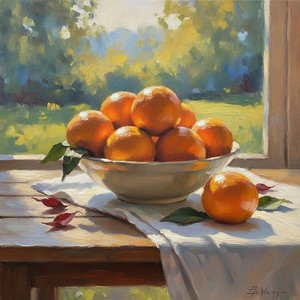
Sun-Drenched Citrus: The Vibrant Beauty of Oranges in Impressionist Masterpieces
Embark on a sensory journey through Impressionist masterpieces. Discover how Renoir and Cézanne captured the vibrant light and luscious textures of sun-drenched oranges in exquisite still life paintings designed to inspire and transform your home.

Moonlight Magic: Capturing the Luminous Glow of Impressionist Nightscapes
Discover the ethereal beauty of Impressionist nightscapes. Explore how masters like Monet and Van Gogh captured moonlight through luminous oil textures. Expert insights for collectors seeking museum-quality, handmade reproductions to transform their homes with timeless nocturnal magic.