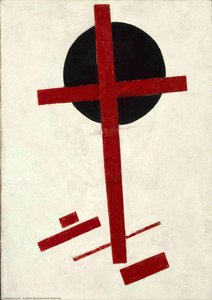
Eelvaade
 Saada
Saada Jaga
Jaga
 Teave teose kohta
 Juhend

 Laadi alla
 Sarnased teosed
 Röntgenuuring
 Slaidietendus
 KÜSIMUSED JA VASTUSID
 Statistika
On the Boulevard 1


A striking Fauvist portrait of a man in a yellow jacket by Kazimir Malevich captures the vibrant energy of early 20th-century urban life and invites you to bring this bold piece of modern art history into your home.
 Loe lähemalt
Kazimir Malevitš (1878–1935) – ukrainalane, kes asutas suprematismiavar-e ja oli abstraktsiooni pioniir. Tutvuge tema ikooniliste teostega nagu "Must Ruut", geomeetriliste kujudega ning puhta tunde mõjuga 20. sajandi kunstile.
Giclée / Kunstiprint
Muuseumikvaliteediga giclée- või kangasprint kiire tootmisega ja paindlikud viimistlusvõimalused. ( Osta käsitsi maalatud teos Lülita digitaalse pildi juurde)




P118B €10

P118H €10

P118W €10

P438Z €10

P508JH €12

P508YH €12

P805H €10

P805Z €10

P919BZ €10

P919G €10

P919XJ €10

P959ZH €10

P968JZ €12

W106C €8

W218G €10

W218JH €8

W218Y €10

W307PJ €10

W316G €10

W316PJ €8

W316Y €10

W398PJ €8

W4111J €10

W500HY €15

W500JH €15

W692G €12

W849H €8

W940BG €15

W953PJ €8




Standardne suurus
kohandatud
CM
INCH
Vali meie eelmääratud suurused, mis vastavad teose algupärastele proportsioonidele.
Loading sizes...

laius
kõrgus
Sisestage vajalik laius ja kõrgus, et see sobiks teie raamile või seinale. Trükki saab ainult lõigata, seda ei saa kunagi pildist suuremaks teha, seega ka erineva mustega suurus kaotab osa pildist. Enne trükkimist saadame teile kinnitamiseks digitaalse näidisprojektsiooni. Sellel lehel näidatud pilt ei kujuta reaalset lõiget — seda näitab ainult näidisprojektsioon.
Ülemaailmne tarne () 2 nädala jooksul, tavalise 4/5 nädala asemel. (4 november)

Tasuta ekspresssaatmine üle maailma

Kõrgekvaliteediline lina-kangas

Täielik transpordikindlustus

Tollimaksude tagastamise garantii

Värvitoime täpsuse garantii

100 päeva tagastusõigus (ainult valmistusdefektide korral)

100% raha tagasi garantii

Hulgusoodustus
 Klaasivalik on saadaval ainult kuni 110 cm suuruses teostes

On the Boulevard 1
Giclée / Kunstiprint
Reproduktsiooni suurus
-


Koguhind
€ 62
A Fragmented Gaze: The Vibrant Soul of On the Boulevard
In the bustling transition between the nineteenth and twentieth centuries, few artists captured the electric tension of modernity quite like Kazimir Malevich. His masterpiece, On the Boulevard, serves as a breathtaking window into an era defined by radical change and the breaking of traditional boundaries. At first glance, the viewer is met with a striking portrait of a gentleman, seated with a quiet, contemplative gravity upon a park bench. Dressed in a vivid yellow jacket that commands immediate attention, his presence is anchored by the bold contrast of red gloves, creating a focal point that feels both intimate and monumental. Yet, as one lingers on the canvas, the scene begins to dissolve and reform; the man is not merely a subject in a landscape, but a central figure within a complex, geometric dance of color and form.
The technique employed here is a masterful dialogue between Fauvism and the burgeoning language of Cubism. Malevich does not seek to replicate the photographic reality of a Parisian or Russian street scene; instead, he utilizes fragmented planes and a daringly saturated palette to evoke the sensory experience of urban life. The brushwork, though controlled, possesses an energetic texture that breathes life into the composition. By deconstructing the environment into essential shapes—squares, rectangles, and sweeping curves—Malevich invites the collector to look beyond the surface. This approach transforms a simple moment of repose into a profound exploration of how light, color, and structure intersect to create our perception of reality.
The Intersection of Tradition and Avant-Garde
To understand On the Boulevard is to understand the heartbeat of the Russian avant-garde. Created during a period when Malevich was experimenting with various European influences, the painting acts as a bridge between the representational traditions of the past and the pure abstraction of his later Suprematist period. The presence of secondary figures in the background—subtly integrated into the rhythmic patterns of the composition—adds a layer of narrative depth, suggesting the collective pulse of a society in motion. There is a deliberate tension here: the subject’s stillness contrasts sharply with the dynamic, almost aggressive, application of color, mirroring the psychological state of an era caught between old-world stability and new-world chaos.
For the discerning interior designer or art enthusiast, this piece offers more than mere decoration; it provides a sophisticated focal point that stimulates intellectual curiosity. The bold interplay of primary hues—the sun-drenched yellow and the passionate red—makes it an ideal centerpiece for modern, minimalist, or eclectic spaces. A high-quality reproduction of this work allows the heavy textures and emotive power of Malevich’s vision to inhabit a contemporary home, bringing with it a sense of historical weight and artistic rebellion. It is an invitation to dwell within a moment of fragmented beauty, where every stroke tells a story of a world being reimagined.
Korduvad küsimused
Kust saan alla laadida „On the Boulevard 1“, autor Kazimirs Malevičius?
Teose „On the Boulevard 1“, autor Kazimirs Malevičius digitaalset pilti vormatsis kõrge resolutsiooniga digitaalse pildi allalaadimine saab alla laadida selle Laadi alla lehelt.
Milline on teose „On the Boulevard 1“, autor Kazimirs Malevičius emotsionaalne toon?
„On the Boulevard 1“, autor Kazimirs Malevičius edastab Reflective emotsionaalset toonust.
Millest on teos "On the Boulevard 1" valmistatud?
Teose „On the Boulevard 1“, autor Kazimirs Malevičius materjal on Acrylic On Canvas. Reproduktsioonide eesmärk on jälitada selle tehnika välimust.


Kunstniku elulugu
Kazimir Malevitš: Abstraktsiooni Pioniir
Ukraina päritolu kunstnik Kazimir Malevitš (sündinud 1878. aastal, praegune Ukraina territooriumil) on üks olulisemaid tegelasi modernismi ajaloos. Tema nimi on siiani seotud revolutsioonilise kunstihoiakuga, mis lõhkus traditsioonilised kujutamisviisid ja avas uksi täiesti abstraktsiooni maailmale. Malevitši eluteekäik oli põnev segu vaimust, otsinguid ja radikaalset uuendamist, mille tulemuseks sündis Suprematism – kunstihoiak, mis kuulutas puhta värvi ja geomeetrilise vormi ülimuslikkust.
Noorena kasvas Malevitš maalähedases keskkonnas, kus tal tekkisid juba varakult huvi rahvakunsti vastu. Tema kunstiline areng ei kulgenud otsejoones abstraktsiooni suunas; ta õppis erinevaid stiile – Impressionismi, Sümbolismi ja Kubismist mõjutusi omades. Pariisi reisi aastal 1912 oli pöördepunkt, mis tutvustas teda Euroopa avangardi uusimate trendidega ning andis tõuke tema isikupärase kunstihoiakuga vormi leidmisele. Malevitši varajased tööd peegeldavad seda perioodi – maalilised kompositsioonid, kus on näha kubistlikku mõjutust ja värvi kasutamist.
Suprematismi Sünd ja "Must Ruut"
Aastal 1915 tegi Malevitš sensatsioonilise avalduse – ta kuulutas välja Suprematismi. See uus kunstihoiak püüdis loobuda igast seostumisest reaalsusega, esindades puhta värvi ja geomeetrilise vormi ülimuslikkust. "Suprematism" tuleneb sõnast "suprem," mis tähendab ülemust või valitsevat. Malevitši jaoks oli kunst mitte reaalsete objektide jäljendamine, vaid puhta tunge ja vaimulise kogemuse väljendamine läbi lihtsate kujude. Tema kuulsaim teos, "Must Ruut" (1915), on selle hoiakuga seotud sümboliks saanud. See ei ole lihtsalt must ruut valgel taustal; see on radikaalne katkestus traditsioonilise kunsti ajaloos, väljakutse igale kujutusele ja esindusele. "Must Ruut" on mõeldav kui puhta vaimulikkuse ja lõputu võimaluste sümbol.
Teosed ja Filosoofia
Malevitši loomes jätkasid teoseid, mis arendasid Suprematismi põhimõtteid. "Valge peale valget" (1918) sarjas uuriti värvi puhtust ja vormi lihtsust viies seda äärmuseni – valged geomeetrilised kujud valgel taustal. Tema teosed, nagu "Ehitamisel olev maja" (1916), näitavad, kuidas abstraktsiooni põhimõtteid saab kasutada ka arhitektuuri ja ruumi väljendamiseks. Malevitš ei olnud mitte ainult kunstnik, vaid ka teoreetik; ta kirjutas mitmeid raamatuid ja esseesid, milles süvendas Suprematismi filosoofiat ja selgitas oma kunstihoiakut. Tema kirjutised olid oluliseks panuseks avangardi ideedesse ning mõjutasid paljusid kunstnikke ja intellektuaale.
Pärand ja Histrooliline Tähendus
Kazimir Malevitši pärand on tohutu. Ta oli üks esimesi, kes julges loobuda täielikult kujutusest ning avas tee abstraktsiooni kunstile. Tema Suprematism mõjutas oluliselt hilisemat minimalistlikku kunsti ja konstrukktivismi. Kuigi Nõukogude Liidus hakkas tema looming hiljem kritiseerima ja ta oli sunnitud loobuma oma radikaalsest stiilist, on Malevitši nimi tänapäeval sünonüümiks abstraktsiooni revolutsioonile kunstis. Tema teosed on leidnud koha maailma juhtivates muuseumides ning inspireerinud põlvi kunstnikke ja vaatajaid.

Kazimirs Malevičius
1878 - 1935 , Ukraina
Lühikest infot
- Artistic Movement Or Style: Suprematism, Abstraktsionism
- Artists Or Movements Influenced By This Artist:
- Minimalism
- Konstruktivism
- Artists Who Influenced This Artist:
- Impressionism
- Fovismi
- Kubism
- Date Of Birth: 23. veebruar 1878
- Date Of Death: 15. mai 1935
- Full Name: Kazimir Malevitš
- Nationality: Ukrainlane/Venelane
- Notable Artworks:
- Must Ruut
- Valge Valgel
- Ehitamisel olev maja
- Place Of Birth: Kiievi oblast, Ukraina
Sarnased artiklid

Crimson Threads of Narrative: Exploring Symbolism & Representation in Artworks Featuring the Red Dress
Explore the rich symbolism of the red dress in art history! From ancient power displays to iconic portraits like Cézanne’s 'Madame Cezanne', discover the cultural and artistic significance behind this captivating color. Expert analysis & insights.
Golden Hues: Top 10 Paintings Dominated by Yellow Ochre |
Explore 10 iconic paintings bathed in golden yellow ochre! From Van Gogh's sunflowers to Monet’s haystacks, discover the stories behind these masterpieces. Find museum-quality art reproductions & elevate your home decor on .
Golden Hues: 10 Masterpieces Dominated by Chrome Yellow | TopImpressionists
Immerse yourself in golden light! Explore 10 famous paintings dominated by 'Chrome Yellow', from Van Gogh’s Sunflowers to Monet's Haystacks. Discover the stories behind these iconic Impressionist & Post-Impressionist masterpieces and find museum-quality art reproductions at TopImpressionists.com.

Mark Rothko 25 Parimat Teost: Emotsionaalsed Värvid ja Sügav Sisu | TopImpressionists
Avastage Mark Rothko 25 parimat teost! Sukelduge ekspressionismi sügavustesse, emotsionaalsetesse värvimaalid ja kunstniku lugudesse. Leidke täiuslik seinakaunistus TopImpressionists.com-ist – kvaliteetsed reproduktsioonid ja interjööride inspiratsioon.

Geomeetrilise Abstraktsiooni 10 Meisterteost: Kunst ja Kodukaunistus TopImpressionists.com-is
Avastage geomeetrilise abstraktsiooni 10 suurteost – Kandinsky, Mondrian ja teised. Lugege kunstiteoste lugusid ning leidke inspiratsiooni kodukaunistuseks TopImpressionists.com-is! Kunstikollektsioon ja reprodutsioonid.
Avastage teoseid, mis on koondatud teemade, stiilide ja omaduste kaupa.