


 Vaata sisu
 Jaga teost
 Jaga
Jaga
 Detailid
 Õppekate juhend

 Laadi alla
 Sarnased teosed
 Röntgenuuring
 Slaidietendus
 Statistika
A River Scene (triptych)
 Impressionism
 1945
1945 59.0 x 164.0 cm
Explore 'A River Scene' by Leopold Pascal (1945), an atmospheric triptych showcasing Impressionistic landscapes of nature & tranquility. Discover its serene beauty & painterly texture.
Discover Leopold Pascal’s evocative landscapes & scenes of Brittany & Chelsea. Explore his atmospheric paintings reflecting light & nature's beauty.
 Loe lähemalt
Käsitsi valmistatud õlimaalireproduktsioon
Meie kunstnike poolt tellimusel valmistatud käsitsi maalitud õli-kainaste teos teie soovitud suuruses ja raamis. ( Lülita trükkitoodetele Ülemineku digitaalse pildi müügi kanalisse)




































Standardne suurus
kohandatud
CM
INCH
Vali meie eelmääratud suurused, mis vastavad teose algupärastele proportsioonidele.
Loading sizes...

laius
kõrgus
Sa võite sisestada oma mõõtmed konkreetse raami või ruumi sobivuse tagamiseks. Kui teie valitud suurus ei vasta originaalpildi proportsioonidele, siis kärvime kunstiteost või laiendame maali täiendavate käsitsi maalitud elementidega. Enne tootmise algust saadetakse teile heakskiitmiseks digitaalne eelvaade.
Palun pidage meeles, et ekraanil kuvatav eelvaade ei kajasta tegelikku kärpimist või laiendamist. Ainult eelvaade näitab täpselt lõplikku kompositsiooni.
Kuigi on saadaval kohandatud suurused, soovitame originaalproportsioonide säilimiseks valida mõõdud eelmääratletud nimekirjast.
Näited muudetavatest elementidest: asenda nägu kliendi fotoga; lisa lemmikloom (nt asenda kass koeraga); lisa taustale peidetud sõnum; muuda tausta maastikku või elemente.
Pärast tellimust saadab TopImpressionists.com meeskond kliendile e-posti juhised ning esitab eelvaate kavandi
Pärast tellimust saadab TopImpressionists.com meeskond kliendile e-posti juhised ning esitab eelvaate kavandi
Maailmline tarne 3–4 nädala jooksul tavalise 5 nädala asemel. (26 september). Kvaliteedis kompromisse ei tehta.

Tasuta ekspresssaatmine üle maailma

Kõrgekvaliteediline lina-kangastest muld

Täielik transpordikindlustus

Tollimaksude tagastamise garantii

Värvitoime täpsuse garantii

100 päeva tagastusõigus (ainult defektide korral)

100% raha tagasi garantii

Hulgusoodustus
 Klaasivalik on saadaval ainult kuni 110 cm suuruses teostes

A River Scene (triptych)
Reproduktsiooni materjal
Reproduktsiooni mõõtmed
-


Lõppsumma
$ 269
Sarnased teosed


Kunstniku elulugu
The Luminous Shadows of Léopold Pascal
To encounter the work of Léopold Pascal is to step into a world where the boundaries between the physical landscape and the human psyche begin to dissolve. Born in 1900, Pascal was an artist who existed in the delicate tension between two great movements: the light-drenched observations of Impressionism and the raw, emotive power of Expressionism. While his roots trace back to a formative period of study at Harvard University, it was his deep immersion in the European landscape that truly forged his artistic soul. His journey through France and Italy allowed him to absorb the ancient traditions of light and color, yet he never merely imitated the masters; instead, he sought to capture the very breath of the atmosphere, imbuing every canvas with a sense of profound solitude and the sublime.
The foundation of Pascal’s technique was laid under the watchful eye of Eugène Boudin, a titan of Impressionism. From Boudin, Pascal inherited the sacred discipline of plein air painting—the practice of working directly from nature to catch the fleeting nuances of a passing cloud or the shifting glow of twilight. However, where Boudin sought the clarity of light, Pascal pursued its emotional weight. He developed a masterful command over impasto, applying paint with such thickness and vigor that his landscapes became tactile, sculptural entities. These heavy textures were not merely aesthetic choices; they served as a physical manifestation of the turbulent inner landscapes he wished to portray, turning a simple river scene or a winter street into a visceral experience of texture and movement.
A Palette of Atmosphere and Emotion
Pascal’s visual language is defined by a sophisticated interplay of muted serenity and sudden, vibrant energy. His preferred palette often leaned toward the somber and the contemplative—earthy ochres, deep browns, and misty greys that evoke the quietude of a foggy morning in Brittany or the hushed stillness of a London winter. Yet, within these subdued tones, he would strategically place flashes of brilliant pigment, mimicking the way sunlight pieradamente pierces through a heavy canopy or breaks through a storm. This technique allowed him to capture the ephemeral nature of beauty, reminding the viewer that even in the most melancholic settings, there is a persistent, flickering light.
His subject matter often reflected his personal connection to specific geographies, ranging from the rugged, salt-sprayed coasts of France to the urban winterscapes of London. Notable works such as Snow in Chelsea demonstrate his ability to transform a cityscape into a study of quietude and texture, while his triptychs, like A River Scene, showcase his capacity for narrative depth through landscape. Through these works, Pascal explored themes that resonated deeply with the human condition:
- Solitude: The quiet, reflective state of being alone within nature's vastness.
- The Sublime: A fascination with the overwhelming grandeur and inherent vulnerability of the natural world.
- Transience: The capturing of moments that are inherently fleeting, such as the changing light at dusk.
Legacy and Historical Significance
Though his life was relatively short, ending in 1958, Pascal left behind a body of work that serves as a vital bridge between eras. He was an artist who could honor the observational truth of the 19th century while embracing the psychological complexity of the 20th. His ability to marry the luminous qualities of his predecessors with a modern, expressive intensity ensured that his landscapes were never merely topographical; they were emotional portraits of the earth itself. Today, his work remains a testament to the power of the painterly touch and the enduring ability of art to find profound meaning in the subtle shifts of light and shadow.

léopold pascal
1900 - 1958
Lühikest infot
- Artistic Movement Or Style: Impressionism
- Artists Or Movements Influenced By This Artist: ['Egon Schiele']
- Artists Who Influenced This Artist:
- Claude Monet
- Pierre-Auguste Renoir
- Date Of Death: 1958
- Full Name: Leopold Pascal
- Nationality: British
- Notable Artworks:
- Snow in Chelsea
- A River Scene (triptych)
- La Grand'Rue, Morlaix
- Place Of Birth: Cambridge, England
Sarnased artiklid

Beyond the Light: Capturing Raw Emotion and Subjective Vision in Post-Impressionist Landscapes
Explore the profound emotional depth of Post-Impressionist landscapes. Discover how masters like Van Gogh moved beyond light to capture raw human feeling through vibrant color and expressive texture in this expert art history retrospective.

Capturing the Soul: The Most Emotionally Moving Impressionist and Post-Impressionist Masterpieces
Discover the profound emotional depth of Impressionist and Post-Impressionist masterpieces. Explore how legends like Monet, Van Gogh, and Gauguin captured light and soul through evocative landscapes and vibrant brushwork for a timeless connection to art history.
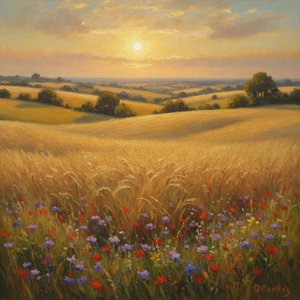
Golden Fields & Sun-Drenched Meadows: Capturing the Soul of Impressionist Landscapes
Immerse yourself in the luminous world of Impressionist landscapes. Discover how masters like Monet and Gauguin captured ephemeral light through plein air painting, and learn to bring the soul of sun-drenched meadows into your home with exquisite, hand-painted oil reproductions.

The Beauty of Impermanence: Capturing Decay through Impressionist Eyes
Explore the profound beauty of impermanence through Impressionist and Post-Impressionist eyes. Discover how masters like Monet and Van Gogh captured fleeting light and the poetic essence of nature's transitions in our deep dive into art history and emotional landscapes.

The Timeless Charm of Oil on Board: Reimagining Texture and Light through the Impressionist Lens
Discover the profound intimacy of oil on panel. Explore how Impressionist masters used rigid supports to capture light, texture, and impasto depth through exquisite, handmade oil reproductions for discerning collectors.