


 Vaata sisu
 Jaga teost
 Jaga
Jaga
 Detailid
 Õppekate juhend

 Laadi alla
 Sarnased teosed
 Röntgenuuring
 Slaidietendus
 Statistika
Carnival in Arcueil


Lyonel Feininger's "Carnival in Arcueil" (1911) bursts with Expressionist energy! Witness vibrant colors, dynamic figures, and a captivating Parisian carnival scene – a masterpiece by a pioneering artist.
 Loe lähemalt
Avastage Lyonel Feininger (1871-1956), saksa-ameerika ekspressionisti ja Bauhausi meister. Tutvuge tema unikaalse stiiliga, mis ühendab kubismi, vitraži esteetikat ja arhitektuuriteemasid. Mõjuka kunstniku loomingu põhitööd!
Giclée / Kunstiprint
Muuseumikvaliteediga giclée- või kangasprint kiire tootmisega ja paindlikud viimistlusvõimalused. ( Telli käsitsi maalitud reproduktsioon Ülemineku digitaalse pildi müügi kanalisse)




P118B €10

P118H €10

P118W €10

P438Z €10

P508JH €12

P508YH €12

P805H €10

P805Z €10

P919BZ €10

P919G €10

P919XJ €10

P959ZH €10

P968JZ €12

W106C €8

W218G €10

W218JH €8

W218Y €10

W307PJ €10

W316G €10

W316PJ €8

W316Y €10

W398PJ €8

W4111J €10

W500HY €15

W500JH €15

W692G €12

W849H €8

W940BG €15

W953PJ €8




Standardne suurus
kohandatud
CM
INCH
Vali meie eelmääratud suurused, mis vastavad teose algupärastele proportsioonidele.
Loading sizes...

laius
kõrgus
Sisestage vajalik laius ja kõrgus, et see sobiks teie raamile või seinale. Trükki saab ainult lõigata, seda ei saa kunagi pildist suuremaks teha, seega ka differentse vormiga suurus kaotab osa pildist. Enne trükkimist saadame teile kinnitamiseks digitaalse näidisprojektsiooni. Sellel lehel näidatud pilt ei kujuta reaalset lõiget — seda näitab ainult näidisprojekttsioon.
Ülemaailmne tarne () 2 nädala jooksul, tavalise 4/5 nädala asemel. (21 oktoober)

Tasuta ekspresssaatmine üle maailma

Kõrgekvaliteediline lina-kangastest muld

Täielik transpordikindlustus

Tollimaksude tagastamise garantii

Värvitoime täpsuse garantii

100 päeva tagastusõigus (ainult defektide korral)

100% raha tagasi garantii

Hulgusoodustus
 Klaasivalik on saadaval ainult kuni 110 cm suuruses teostes

Carnival in Arcueil
Giclée / Kunstiprint
Reproduktsiooni mõõtmed
-


Lõppsumma
€ 60
A Burst of Joy: Lyonel Feininger’s “Carnival in Arcueil”
Lyonel Feininger's "Carnival in Arcueil," painted in 1911, isn’t merely a depiction of a festive street scene; it’s a vibrant distillation of Expressionist energy and a testament to the artist’s unique ability to imbue everyday life with an extraordinary sense of movement and emotion. Housed within the Art Institute of Chicago, this oil on canvas transports us to the heart of a Parisian carnival, capturing not just the visual spectacle but also the palpable excitement and slightly surreal atmosphere that defines the moment. Feininger, a German-American painter deeply rooted in both European artistic traditions and American popular culture, masterfully blends elements of Cubism with the passionate intensity of Expressionism, creating an image that is both familiar and strikingly original.
The painting immediately draws the eye to its central figure: a man in black, balancing precariously on one leg while juggling three balls. This dynamic pose isn’t simply illustrative; it embodies the spirit of the carnival itself – a celebration of skill, daring, and joyful abandon. Surrounding him is a throng of figures, rendered with a remarkable degree of detail despite the overall impression of movement. They are not portraits in the traditional sense, but rather archetypes of carnival revelers—a mix of faces, costumes, and gestures that collectively contribute to the painting’s lively energy. The artist's use of color is particularly noteworthy; bold yellows, reds, blues, and greens dominate the palette, creating a dazzling visual effect that mirrors the vibrancy of the event itself.
The Architectural Backdrop: Bridges and Parisian Identity
Beyond the figures, it’s crucial to consider the setting – two prominent bridges that frame the scene. These aren't merely architectural elements; they are integral to the painting’s narrative. Arcueil, a town just south of Paris, was a frequent subject for Feininger, and these bridges became recurring motifs in his work. They represent not only the physical connection between different parts of the city but also a sense of Parisian identity—a blend of urban dynamism and historical heritage. The bridges’ solid forms provide a grounding element to the swirling chaos of the carnival, anchoring the scene within a recognizable, yet subtly stylized, reality.
Feininger's fascination with architecture is evident throughout his oeuvre, reflecting a broader interest in geometric form and spatial relationships. He often depicted buildings not as static objects but as dynamic forces shaping the urban landscape. In “Carnival in Arcueil,” the bridges serve as both structural supports and visual anchors, guiding the viewer’s eye through the composition and contributing to the painting's overall sense of depth and movement.
Expressionist Techniques: Color, Form, and Emotion
The painting’s distinctive style is firmly rooted in Expressionism—a movement that sought to convey subjective emotions rather than objective reality. Feininger achieves this through a number of key techniques. His use of flattened perspective and fragmented forms creates a sense of disorientation and immediacy, as if the viewer is swept up in the carnival's frenetic energy. The colors are applied with thick impasto—a technique that adds texture and physicality to the surface of the canvas—further enhancing the painting’s emotional impact.
Furthermore, Feininger employs a masterful use of color theory. He utilizes contrasting hues to heighten visual interest and create a sense of dynamism. The vibrant yellows and reds of the carnival scene are juxtaposed with cooler blues and greens in the background, generating a powerful visual tension. This interplay of colors not only captures the sensory experience of the carnival but also reflects the artist’s own emotional response to it—a mixture of excitement, wonder, and perhaps even a touch of melancholy.
A Legacy of Modernity: Feininger's Place in Art History
“Carnival in Arcueil” stands as a pivotal work in Lyonel Feininger’s career and a significant example of early 20th-century art. His exploration of urban life, combined with his innovative use of color and form, foreshadowed many of the developments that would characterize modernism. The painting's influence can be seen in the works of later Expressionist artists such as Max Beckmann and Emil Nolde, while its stylistic elements also resonate with the Cubist explorations of Picasso and Braque.
Today, “Carnival in Arcueil” continues to captivate viewers with its vibrant energy and emotional depth. It’s a reminder of the power of art to capture not just what we see but also what we feel—a celebration of joy, movement, and the enduring spirit of human connection.
Küsimused ja vastused
Milline suurus on soovituslik teosele "Carnival in Arcueil" ruumis Living Room?
Living Room jaoks on teose „Carnival in Arcueil“, autor Lyonel Feininger soovitatav trükimõõt Medium.
Kas teos "Carnival in Arcueil" on tüüpiline selle, mida Lyonel Feininger tavaliselt lõi?
"Carnival in Arcueil" kujutab teemasid carnival, arcueil, feininger, expressionism, bridge, figures, joy, celebration, samal ajal kui Lyonel Feininger tuntud teemad on german expressionism, vibrant colors, post-impressionist, architectural focus, urban life, festive scenes, feininger's exploration of joy, bridging art and caricature. Nende kahe võrdlemine näitab, kuidas teos seobub kunstniku tavalistega motiividega.
Millist teemat ja atmosfääri „Carnival in Arcueil“, autor Lyonel Feininger ühendab?
Teos „Carnival in Arcueil“, autor Lyonel Feininger kujutab teemasid carnival, arcueil, feininger, expressionism, bridge, figures, joy, celebration ja selle meeleolu on Dramatic. Teema ja atmosfäär loovad koos teose terviku.
Kunstniku elulugu
Varajane Elu ja Karjäär: Karikaturistist Kujutava Kunstniku
Lyonel Charles Adrian Feininger sündis 17. juulil 1871. aastal New Yorgi linnas kunstnikuperes. Tema isa, Karl Feininger, oli saksa-ameerika viiuldaja ja helilooja ning ema, Elizabeth Feininger, ameerika lauljanna. See kunstiline taust mõjutas oluliselt tema varast arengut. 1887. aastal, 16-aastaselt reisis Feininger Euroopasse muusikat õppima, kuid pöördus peagi kunsti poole. Ta õppis joonistamist Hamburgis ja Berliinis. Alates 1894. aastast rajas Feininger edukas karjääri karikaturistina erinevates saksa, prantsuse ja ameerika ajakirjades. Tema koomiksid, näiteks “The Kin-der-Kids” ja “Wee Willie Winkie’s World”, saavutasid märkimisväärse populaarsuse ning demonstreerisid tema unikaalset graafilist stiili. Pärast 20 aastat ärikunstis tegi Feininger 36-aastaselt olulise pöörde ja pühendus kujutavale kunstile, mis muutis tema kunstilist teekonda radikaalselt.Ekspressionism ja Bauhausi Mõju
Feininger sai ekspressionismi üheks juhtivaks esindajaks, liitudes mõjukate gruppidega nagu Die Brücke, Novembergruppe ja Gruppe 1919. Tema töö sel perioodil kajastas liikumise rõhuasetust emotsionaalsele väljendusele ja subjektiivsele kogemusele. 1917. aastal Berliinis Sturm galeriis toimunud tema esimene isikunäitus oli pöördepunkt, mis kinnistas ta kunstimaailmas silmapaistva figuurina. 1919. aastal määras Walter Gropius Feiningeri Bauhausi esimeseks õppejõuks – uuenduslikuks kunstikooliks ja disainiasutuseks. Ta oli printmakingu töötoa meisterkunstnik, mõjutades oluliselt paljusid õpilasi. Tema loomingut iseloomustasid prismatiliselt purunenud vormid, läbipaistvad värvid ning viited arhitektuurile ja merele, mis paigutasid ta klassikalise modernismi voolu.Peamised Teosed ja Kunstiline Areng
Suvepuhkuste ajal Usedomi saarel (1909-1918) lõi Feininger arvukalt meremaale, kujutades Läänemerd ning demonstreerides oma arenevat stiili. Mõned tema olulisemad teosed on “Werder I” (akvarell), “Gaberndorf II” (paber) ja “Boats” (kuubism, õlimaal lõuendil). Need tööd näitavad tema unikaalset ekspressionistlike tehnikate ja arhitektuuriliste motiivide segu. 1928. aasta ja 1950ndate keskpaiga vahel tegi Feininger ulatusliku fototööde kogu, mis tõestasid tema mitmekülgsust kunstnikuna. Ta helistas ka mitmeid klaveripalu ja fuugasid orelile, mis avasid tema kunstilise ande veel ühe tahupoole.Hilised Aastad ja Pärand
1933. aastal natsipartei tõusu tõttu emigreerus Feininger koos oma abikaasaga Ameerika Ühendriikidesse. Ta jätkas maalimist ja kunsti loomist kogu elu, säilitades eristava stiili. Lyonel Feininger suri 13. jaanuaril 1956. aastal. Tema töö on jätnud kustumatu jälje kunstimaailma, inspireerides kunstnikke ja entusiaste oma unikaalse ekspressionismi, graafilise eksperimenteerimise ja arhitektuuriliste motiivide seguga. Võtmeisikuna nii ekspressionismis kui ka Bauhausi liikumises on Feiningeri panus oluliselt kujundanud modernse kunsti kulgu. Tema uuenduslik värvi-, vormi- ja perspektiivikasutus resonab tänini publiku hulgas. Feininger oli kunstnik, kes ületas piire ja avas uusi võimalusi väljendusele.
Lyonel Feininger
1871 - 1956 , Ameerika Ühendriigid
Lühikest infot
- Artistic Movement Or Style: Ekspressionism, Kubism
- Artists Or Movements Influenced By This Artist: ['Bauhaus']
- Date Of Birth: 17. juuli 1871
- Date Of Death: 13. jaanuar 1956
- Full Name: Lyonel Charles Adrian Feininger
- Nationality: Saksa-Ameerika
- Notable Artworks:
- Werder I
- Gaberndorf II
- Boats
- Place Of Birth: New York, USA
Sarnased artiklid
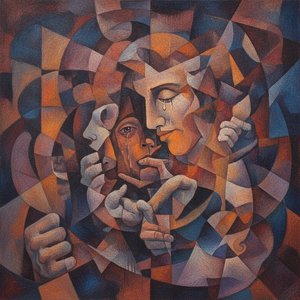
Beyond the Surface: Exploring the Emotional Depth of Cubist Expressionism
Discover the profound emotional resonance within Cubist Expressionism. Explore how fragmented forms and geometric abstraction convey deep human feeling through an expert art-historical lens for the discerning collector.