

 Eelvaade
 Saada
Saada Jaga
Jaga
 Teave teose kohta
 Juhend

 Laadi alla
 Sarnased teosed
 Röntgenuuring
 Slaidietendus
 KÜSIMUSED JA VASTUSID
 Statistika
Bust of a young Boy

- 59.0 x 48.0 cm


Mario Sironi’s ‘Bust of a Young Boy’ (1925) – A poignant Expressionist portrait in earthy tones & textured brushstrokes. Explore this evocative Italian masterpiece.
 Loe lähemalt
Mario Sironi (1885-1961): Itaalia modernisti maalija, tuntud monumentaalsete vormide ja geomeetriliste kompositsioonidega. Avastage tema futuristlikke ja Novecento Italiano stiili teoseid ning töid, mis kujutavad üksindust, industriaalset maastikku ja itaalia identiteeti.
Sellel lehel kuvatav kunstiteos on kaitstud autoriõigusega, mis tähendab, et meil ei ole seaduslikku õigust luua või müüa identset reproduktsiooni. Seda kaitset rakendatakse rahvusvaheliste kokkulepete alusel, nagu näiteks Berne konventsioon ning riiklike seadustega, sealhulgas nendega, mida on sätestatud USA autoriõiguse seadus – 17. peatükk.
See meetod järgib täielikult autoriõiguse reegleid, kuna see ei põhine kaitstud kunstiteose kopeerimisel või dupliteerimisel. Selle asemel on tegu loova reinterpreetatsiooniga – uue maaldisega, mis on algteosest inspireeritud, kuid ei ole sellest identiline.
Giclée / Kunstiprint
Muuseumikvaliteediga giclée- või kangasprint kiire tootmisega ja paindlikud viimistlusvõimalused. ( Osta käsitsi maalatud teos Lülita digitaalse pildi juurde)




P118B €10

P118H €10

P118W €10

P438Z €10

P508JH €12

P508YH €12

P805H €10

P805Z €10

P919BZ €10

P919G €10

P919XJ €10

P959ZH €10

P968JZ €12

W106C €8

W218G €10

W218JH €8

W218Y €10

W307PJ €10

W316G €10

W316PJ €8

W316Y €10

W398PJ €8

W4111J €10

W500HY €15

W500JH €15

W692G €12

W849H €8

W940BG €15

W953PJ €8




Standardne suurus
kohandatud
CM
INCH
Vali meie eelmääratud suurused, mis vastavad teose algupärastele proportsioonidele.
Loading sizes...

laius
kõrgus
Sisestage vajalik laius ja kõrgus, et see sobiks teie raamile või seinale. Trükki saab ainult lõigata, seda ei saa kunagi pildist suuremaks teha, seega ka erineva mustega suurus kaotab osa pildist. Enne trükkimist saadame teile kinnitamiseks digitaalse näidisprojektsiooni. Sellel lehel näidatud pilt ei kujuta reaalset lõiget — seda näitab ainult näidisprojektsioon.
Ülemaailmne tarne () 2 nädala jooksul, tavalise 4/5 nädala asemel. (6 november)

Tasuta ekspresssaatmine üle maailma

Kõrgekvaliteediline lina-kangas

Täielik transpordikindlustus

Tollimaksude tagastamise garantii

Värvitoime täpsuse garantii

100 päeva tagastusõigus (ainult valmistusdefektide korral)

100% raha tagasi garantii

Hulgusoodustus
 Klaasivalik on saadaval ainult kuni 110 cm suuruses teostes

Bust of a young Boy
Giclée / Kunstiprint
Reproduktsiooni suurus
-


Koguhind
€ 63
A Portrait of Quietude: Mario Sironi's "Bust of a Young Boy" (1925)
Mario Sironi’s “Bust of a Young Boy,” painted in 1925, is more than just a portrait; it’s a profound meditation on solitude and the weight of unspoken emotion. This striking work, measuring 59 x 48 cm, immediately draws the viewer into its melancholic atmosphere through a masterful deployment of color and texture that speaks directly to the tenets of Post-Impressionism and foreshadows the burgeoning Expressionist movement. The painting’s power resides in its ability to evoke a sense of quiet introspection, inviting contemplation on themes of vulnerability and perhaps even a subtle sadness.
Technique and Style: A Gestural Embrace
- Oil Paint & Palette Knife: Sironi’s technique is characterized by bold, gestural brushstrokes – or, more accurately, the application of paint with a palette knife. This creates a remarkably textured surface, denying any illusion of smooth perfection and emphasizing the artist's deliberate engagement with the medium.
- Reduced Forms & Flattened Perspective: The figure’s features are simplified and abstracted, prioritizing volume and form through color and texture over meticulous realism. The flattened perspective further contributes to this dreamlike quality, eliminating traditional depth cues and intensifying the emotional impact.
- Warm Earth Tones: Dominated by warm, earthy tones – ochres, browns, and muted reds – the palette reinforces the painting’s somber mood, creating a sense of intimacy and drawing the viewer into the subject's private world.
Historical Context & Influences: From Divisionism to Emotional Intensity
Sironi’s artistic journey reflects the shifting landscape of Italian art in the early 20th century. Initially influenced by Divisionism, a technique that sought to capture light through separated colors – evident in works like “The Student” – he briefly flirted with Futurism around 1914 before rejecting its emphasis on dynamism and embracing a more introspective approach. The painting’s creation occurred after World War I, a period of profound disillusionment and societal upheaval that undoubtedly shaped Sironi's artistic vision. This post-war sensibility is palpable in the work’s emotional intensity – a deliberate departure from objective observation towards conveying subjective experience.
Symbolism & Emotional Resonance: A Portrait of Vulnerability
The subject’s downcast gaze and downturned mouth immediately communicate a sense of melancholy, inviting viewers to consider the weight of unspoken thoughts. The muted colors and expressionless face could be interpreted as representing vulnerability or quiet contemplation – a poignant symbol of human fragility in the face of life's uncertainties. Sironi skillfully avoids overt narrative, allowing the viewer to project their own emotions and interpretations onto the image, thereby amplifying its emotional resonance.
A Statement Piece for Your Collection
This hand-painted reproduction captures the essence of Sironi’s masterpiece, offering a timeless work of art that will undoubtedly become a focal point in any interior space. Its evocative style and profound symbolism make it an ideal addition to discerning collections and a source of inspiration for those seeking to infuse their surroundings with quiet contemplation and emotional depth.
Korduvad küsimused
Kas saan kasutada täiendatud reaalset, et näha teost „Bust of a young Boy“, autor Mario Sironi oma toonas?
Teose „Bust of a young Boy“, autor Mario Sironi leht AR-eelvaade teose kohta kasutab täiendatud reaalset, et näidata teost ühilduva seadme abil teie enda ruumis.
Millist tehnikat ja stiili iseloomustavad teos „Bust of a young Boy“, autor Mario Sironi?
Teos "Bust of a young Boy" on valmistatud tehnikas Oil On Canvas ja kuulub Expressionism stiili.
Mis on teose „Bust of a young Boy“, autor Mario Sironi orientatsioon?
„Bust of a young Boy“, autor Mario Sironi on Portrait kompositsioon. Trüki suuruse valimisel on mõistlik kontrollida selle proportsioone.
Kunstniku elulugu
Mario Sironi: Elu ja Looming Itaalia Modernismis
Mario Sironi (1885-1961) oli oluline itaalia modernistlik maalikunstnik, kelle loomingut iseloomustavad massiivsed vormid ja geomeetrilised kujundid. Tema kunstiline tee peegeldab 20. sajandi Itaalia keerulist ajalugu ning tema tööd uurivad sageli üksindust, võõrandumist ja inimolendi olukorda muutuvas maailmas. Sironi sündis 12. mail 1885. aastal Sassaris, Sardiinias. Tema isa oli insener, kuid ema vanaisa Ignazio Villa oli austatud arhitekt ja skulptor, mis pakkus noorele Mariolle varaseid kunstilisi kogemusi ja inspiratsiooni. Algselt õppis Sironi Rooma ülikoolis inseneriteadust, ent katkestas õpingud 1903. aastal närvikriisi tõttu. See oli pöördepunkt tema elus, mis viis ta kunstimaailma. Ta alustas formaalset kunstiõpet Accademia di Belle Arti di Roma Scuola Libera del Nudos, kus kohtus oma esimese olulise õpetajaga Giacomo Ballaga.Kunstiline Areng ja Mõjutused
Sironi varaseid töid mõjutas tugevalt divisioonism – tehnika, mis rõhutas eraldatud värve heleduse loomiseks, näiteks teos “Üliõpilane”. Ta katsetas lühikest aega ka futurismiga umbes 1914. aastal ja esines Galleria Sprovieris Roomas. Kuid ta liikus kiiresti edasi futurismi kiiruse ja dünaamikaga seotud fookusest. Pärast Esimest maailmasõda toimus tema loomingus oluline muutus, arenedes stiilis, mida iseloomustavad massiivsed, liikumatud vormid ja geomeetrilised kujundid. Sellele aitas kaasa tema kogemus sõjaajal ning kasvav eraldatuse tunne. Olulisteks mõjutajateks olid Giacomo Balla (varane õpetamine), Giorgio de Chirico ja Carlo Carrà (metafiilsest maalikunstist saadud vormimõjud) ning elemendid neoklassitsismist ja primitiivsest klassitsismist. Tema loomingus on näha erinevate stiilide sulandumist, mis peegeldab tema otsinguid uue kunstilise keele leidmisel.Novecento Italiano ja Küps Stiil
1922. aastal sai Sironi Novecento Italiano liikumise asutajaliikmeks – Itaalia kunstiliikumine, mis pöördus tagasi korrale sõjajärgses Euroopa kunstis, rõhuades selgust ja traditsiooni. Tema küps stiil on märgitud:- Geomeetriliste kujundite ja lihtsustatud vormide rõhutamisest.
- Hilisemates töödes tahtlikult ebamugavast esteetikast.
- Teemadest, mis käsitlevad üksindust, võõrandumist ja inimolukorda.
- Tööstusmaastike ja töölisklassi elu uurimisest.
Poliitilised Sidemed ja Hilisem Elu
Sironi oli Benito Mussolini toetaja ning andis olulise panuse fašistlike väljaannete loomisesse, avaldades üle 1700 karikatuuri. Ta uskus kunsti ja arhitektuuri integreerimisesse, otsides monumentaalsete tööde loomist avalikele ruumidele – mis peegeldas fašistliku režiimi ideaale. Teise maailmasõja järel vähenes tema populaarsus ja kriitiline tunnustus seoses tema seostega fašismiga. Ta tõmbus suurel määral tagasi üldsuse eest, jätkates maalimist suhtelises isolatsioonis kuni oma surmani. Tema hilisemad tööd on tihti isiklikud ja introspektiivsed, uurides sügavalt tema sisemaailma ja kunstniku olukorda.Peamised Saavutused ja Ajalooline Tähtsus
Sironi looming on oluline panus Itaalia modernismi arengusse, olles sillaks futurismist hilisemate kunstiliikumiste vahel. Tema uurimine teemadel nagu üksindus ja võõrandumine resonantsis 20. sajandi ärevusega. Vaidluste vaatamata tema poliitiliste sidemete tõttu on tema kunsti eksponeeritud rahvusvahelistel näitustel, sealhulgas Centre Georges Pompidous (1981) ja Royal Academy’s Londonis (1989). Suri 13. augustil 1961 Milanos. Tema pärand seisneb tema unikaalses stiilisünteesis ning võimsa inimolukorra kujutamises kiiresti muutuvas maailmas. Mario Sironi on Itaalia kunstiajaloo oluline figuur, kelle loomingut uuritakse ja hinnatakse tänini.
Mario Sironi
1885 - 1961 , Itaalia
Lühikest infot
- Kunstiliikumine: Modernism, Novecento
- Mõjutajad: ['Giacomo Balla']
- Rahvus: Itaallane
- Surmapäev: 13. august 1961
- Sünnipäev: 12. mai 1885
- Täisnimi: Mario Sironi
Sarnased artiklid
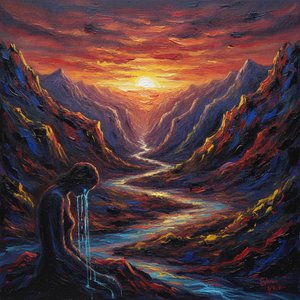
Capturing Emotion: A Journey Through the Soul of Expressionist Landscapes
Explore the profound emotional depth of Expressionist landscapes. Discover how Post-Impressionist masters moved beyond light to capture the soul through vibrant color and form. A curated journey for true art lovers seeking the beauty of expressive mastery.

Beyond the Light: Discovering the Soul and Emotional Depth of Post-Impressionism
Embark on a cultural journey through Post-Impressionism. Discover the profound emotional depth of masters like Van Gogh and Cézanne, exploring how they moved beyond light to capture the very soul of human experience through vibrant color and symbolic form.
Avastage teoseid, mis on koondatud teemade, stiilide ja omaduste kaupa.
