

 Eelvaade
 Saada
Saada Jaga
Jaga
 Teave teose kohta
 Juhend

 Laadi alla
 Sarnased teosed
 Röntgenuuring
 Slaidietendus
 KÜSIMUSED JA VASTUSID
 Statistika
Helene de Septeuil


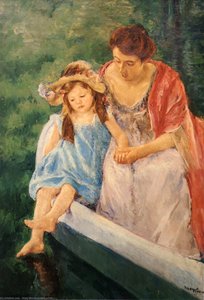
A tender moment of maternal love unfolds in this Impressionist portrait by Mary Cassatt featuring a mother cradling her child, inviting you to bring this warm and nurturing masterpiece into your private collection.
 Loe lähemalt
Mary Cassatt oli üks mõjukamaid impressionistlikku kunstnike maailmas, kes tänu oma intiimsetele perekonna ja laste kujutustele jäi ajalukku. Tema töö stiil oli tuntud värviküllastusega, liikuvuse tõttu ning keskendus naiste elu väljavalmistamisele. Mary Cassatt on tähtis osa kunstiajaloo suurtest meistriteostest ja tunnustus naistöödele 19. sajandil.
Giclée / Kunstiprint
Muuseumikvaliteediga giclée- või kangasprint kiire tootmisega ja paindlikud viimistlusvõimalused. ( Osta käsitsi maalatud teos Lülita digitaalse pildi juurde)




P118B €10

P118H €10

P118W €10

P438Z €10

P508JH €12

P508YH €12

P805H €10

P805Z €10

P919BZ €10

P919G €10

P919XJ €10

P959ZH €10

P968JZ €12

W106C €8

W218G €10

W218JH €8

W218Y €10

W307PJ €10

W316G €10

W316PJ €8

W316Y €10

W398PJ €8

W4111J €10

W500HY €15

W500JH €15

W692G €12

W849H €8

W940BG €15

W953PJ €8




Standardne suurus
kohandatud
CM
INCH
Vali meie eelmääratud suurused, mis vastavad teose algupärastele proportsioonidele.
Loading sizes...

laius
kõrgus
Sisestage vajalik laius ja kõrgus, et see sobiks teie raamile või seinale. Trükki saab ainult lõigata, seda ei saa kunagi pildist suuremaks teha, seega ka erineva mustega suurus kaotab osa pildist. Enne trükkimist saadame teile kinnitamiseks digitaalse näidisprojektsiooni. Sellel lehel näidatud pilt ei kujuta reaalset lõiget — seda näitab ainult näidisprojektsioon.
Ülemaailmne tarne () 2 nädala jooksul, tavalise 4/5 nädala asemel. (7 november)

Tasuta ekspresssaatmine üle maailma

Kõrgekvaliteediline lina-kangas

Täielik transpordikindlustus

Tollimaksude tagastamise garantii

Värvitoime täpsuse garantii

100 päeva tagastusõigus (ainult valmistusdefektide korral)

100% raha tagasi garantii

Hulgusoodustus
 Klaasivalik on saadaval ainult kuni 110 cm suuruses teostes

Helene de Septeuil
Giclée / Kunstiprint
Reproduktsiooni suurus
-


Koguhind
€ 62
A Tender Encounter in Impressionist Light
In the quiet, luminous realm of Mary Cassatt’s Helene de Septeuil, we are invited into a moment of profound intimacy that transcends the mere depiction of figures. The painting serves as a breathtaking window into the private world of maternal affection, capturing a tender dialogue between a mother and her infant. As the woman cradles the child close to her chest, there is an unmistakable sense of sanctuary within the frame. The baby, positioned with a delicate curiosity, gazard up at his mother, eyes wide with the silent anticipation of discovery. This is not merely a portrait; it is a rhythmic dance of gaze and touch, rendered with the soft, breathing light that defined the Impressionist movement.
The composition is masterfully balanced, drawing the viewer’s eye through the elegant contours of the woman's silhouette. Her attire, rich in texture and understated elegance, speaks to a refined social standing, yet it is her posture—the protective curve of her arms and the gentle tilt of her head—that provides the painting's true emotional weight. A subtle necklace catches the light, adding a touch of sophisticated grace that complements the soft textures of her hat and dress. Through Cassatt’s expert use of color and form, the physical boundaries between mother and child seem to blur, creating a singular, unified essence of nurturing love.
The Mastery of the Impressionist Touch
Technically, Helene de Septeuil exemplifies the brilliance of Mary Cassatt’s approach to light and atmosphere. Eschewing the rigid, heavy outlines of traditional academic portraiture, Cassatt employs a more fluid, painterly technique that allows light to dance across the surfaces of fabric and skin. The brushwork is deliberate yet soft, creating a sense of movement and vitality that makes the scene feel as though it were captured in a fleeting, precious second of time. This mastery of texture—from the delicate smoothness of the infant's cheek to the structured elegance of the mother's hat—demonstrates why Cassatt was revered alongside legends like Degas and Morisot.
For the discerning collector or interior designer, this piece offers a unique opportunity to introduce a sense of warmth and historical depth into a living space. The painting does not demand attention through loud colors or jarring subjects; rather, it commands the room through its quiet dignity and emotional resonance. It possesses an enduring quality that complements both classical and contemporary decor, acting as a focal point of serenity. To possess a reproduction of such a work is to bring a piece of late 19th-century Parisian elegance into the modern home, offering a constant reminder of the beauty found in life's most intimate connections.
A Legacy of Domestic Grace
To understand the soul of this artwork, one must look to Cassatt’s place within the history of art. As an American expatriate who became a cornerstone of the French Impressionist circle, Cassatt revolutionized the way the domestic sphere was viewed by the art world. While her contemporaries often focused on landscapes or bustling city streets, Cassatt found the extraordinary within the ordinary. She elevated the private bonds of women and children to the level of high art, stripping away sentimentality to reveal the psychological depth and strength inherent in motherhood.
In Helene de Septeuil, we see the culmination of this lifelong dedication. The painting stands as a testament to her ability to capture the "modern" experience through the lens of domesticity—a modernism that is found not in machines or industry, but in the authentic, unadorned emotions of the human heart. For those seeking art that inspires empathy, peace, and a sense of timelessness, this work remains an incomparable masterpiece of the Impressionist era.
Korduvad küsimused
Kust kohalt Mary Cassatt korduvad teemad teoses "Helene de Septeuil" ilmumisel?
"Helene de Septeuil" kujutab teemasid woman, baby, child, hat, necklace, dress, samal ajal kui Mary Cassatt tuntud teemad on impressionist influences, motherhood and domesticity, intimate maternal bonds, women's private lives, french impressionist scene. Nende kahe võrdlemine näitab, kuidas teos seobub kunstniku tavalistega motiividega.
Kas saan teose "Helene de Septeuil" näha täiskuunil slideshowina?
Saadaval on diavorama: „Helene de Septeuil“, autor Mary Cassatt teose Pildikava leht.
Kust saan leida statistikat teose „Helene de Septeuil“, autor Mary Cassatt kohta?
Teose „Helene de Septeuil“, autor Mary Cassatt lehe Statistika lehel on esitatud avalikud külastusstatistika: selle teose kuutlikud külastused, võrdlus kunstniku kõige vaatamistult populaarsemate teostega ning külastajate päritolu.
Sarnased teosed




Kunstniku elulugu
Mary Stevenson Cassatt (1844–1926) – Een Ülemaailmeline Impressionist ja Kodukujunduse Kunstnik
Mary Stevenson Cassatt oli ameerika maalikunstnik ja graafik, kes jäi truuks impressionistlikule stiilile ning kelle töö keskendus naiste ja laste intiimsele maailmale. Tema kunstniku karjäär algas Pittsburghis, Pennsylvania, kus ta sündinud oli 22. mail 1844. Cassatti perekond oli rahvusvaheline ja välismaal kasvamine õppimise ning kultuurinähtuste avardamise jaoks oluline osa tema kunstilises maailmanurjas. Ühiskondlikud norme olid naiste kohta piiratud, kuid ema Katherine Kelso Johnston pakkus endast tuge Cassatti kasvavale huulele kunstile, tunnustades ja kasvatades talenti, mis oli tavade vastuolus. See varane toetus oli oluline Cassatti jaoks väljakutsetega kaasasolevate ametnike karjääriga ning naiste kohta domineeriva maailmavaate vastu võitlemisel.Varased Eluaasta Ja Kunstilise Põlve
Cassatt õppis esimest korda kunstnikuna Pennsylvania Akadeemia Fine Arts’ keskkonna kasvatuses Philadelphia linnas 1861 aastal, mis oli suur samm naise jaoks Ameerikas selle ajalooga. Ühiskondlik kriitika ja mõni õpetaja ning kaasõpilased olid teda aga kahtlustele vastuolus olevad ning ta püsis tänu aastatel 1862–1865 hoolikale tööle püüdudes. Akadeemia aeglane kasv ja traditsioonilised meetodid tundusid siiski piiravate olevat, nii et Cassatt otsis suuremat perspektiivi. Oluline hetk oli 1866 aastal tema kolmekordne kolmekondlik reis Pariisi, kus ta oli koos ema ja perekonna sõbraladena kaasas. See liikumine oli Cassatti kunstilise arengu käänak, kui ta tundub olevat lähedal impressionistliku maailmavaatega. Ta õppis privaatselt tuntud kunstnike juures, kes olid seotud École des Beaux-Arts’ga ning assimileeris tehnilisi oskusi samuti Pariisi kunstinähtuste kasvades. See oli periood, mil Cassatt hakkas atraktiivselt liikuma impressionistlikesse ideessse, mis oli Ameerika kunstnike jaoks väljakutse vastuolus olevate akadeemiliste konventsioonide vastu ning püsis selle maailmavaatega värviküllasena ja tänu kunstniku suurele oskusele. Ühe olulise suhtumuse kasvataja oli Edgar Degas, kes nägi Cassatti tööd Pariisi Saloni ajal 1874 aastal ning väitis, et „Siin on üks inimene, kes tunneb nii nagu ma tunnen!“ Samal ajal kohtusid kunstnikud ja sõbrad Louisine Havemeyer ja William Bouguereau. Ühe maailmavaate suurepärase omaniku oli Louisine Havemeyer, kes kutsus Cassatti osa impressionistlikust liikmest ning korraldas nelja Saloni suurte kunstinähtuste korraldusega. See oli esimene kord, kui Cassatti töö oli Ameerikas eksponeeritud ja see pakkus olulist panust Ameerika impresionismi kujundamisel.Pariisi Impressionistlik Üleminek Ja Koostöö Degasega
Cassatt jõudis Pariisi 1874 aastal ning elas seal suure osa oma täiskirjast, kuid oli Ameerikana suur osa ajast välismaal ja oli uhkelt Pittsburghi juurtega. Ta õppis kunstnikuna esimest korda aastatel 1860–1862 Pennsylvania Akadeemia Fine Arts’ keskkonna kasvatuses Philadelphia linnas ning jätkas oma tööd püüdudes tänu Ameerika sõjale aastatel 1865–1867 hoolikale tööle püüdudes. Akadeemia kasv oli siiski aeglane ja õpetajate suhtumine kriitiline, nii et Cassatt otsis suuremat perspektiivi. Oluline hetk oli 1866 aastal tema kolmekordne kolmekondlik reis Pariisi, kus ta oli koos ema ja perekonna sõbraladena kaasas. Ta õppis privaatselt Jean-Léon Gérome juures ning assimileeris tehnilisi oskusi samuti Pariisi kunstinähtuste kasvades. See oli periood, mil Cassatt hakkas atraktiivselt liikuma impressionistlikesse ideessse, mis oli Ameerika kunstnike jaoks väljakutse vastuolus olevate akadeemiliste konventsioonide vastu ning püsis selle maailmavaatega värviküllasena ja tänu kunstniku suurele oskusele. Ühe olulise suhtumuse kasvataja oli Edgar Degas, kes nägi Cassatti tööd Pariisi Saloni ajal 1874 aastal ning väitis, et „Siin on üks inimene, kes tunneb nii nagu ma tunnen!“ Samal ajal kohtusid kunstnikud ja sõbrad Louisine Havemeyer ja William Bouguereau. Ühe maailmavaate suurepärase omaniku oli Louisine Havemeyer, kes kutsus Cassatti osa impressionistlikust liikmest ning korraldas nelja Saloni suurte kunstinähtuste korraldusega. See oli esimene kord, kui Cassatti töö oli Ameerikas eksponeeritud ja see pakkus olulist panust Ameerika impresionismi kujundamisel.Kodukujunduse Stilil Ja Tema Ülemaailmeline Tähtsus
Cassatt oli üks kolmest suurest naisartistidest impressionismiga, koos Marie Bracquemond ja Berthe Morisot ning ta lõhkus piire Ameerika kunstnike jaoks ning avas tee tulevastele põlvedele. Ta mängis suurepäärase rolli Ameerika ja Euroopa kunstimaailma ühendamisel, tutvustades impressionistlikke ideid Ameeriklastele ning pakkudes olulist panust Ameerika impresionismi kujundamisel. Tema töö pakkus tänuväärselt tundmatu maailmavaate ja naiste elu kohta süüvitavalt värviküllast ja tänuväärset vaadet, mis oli väljakutse vastuolus Ameerikas domineeriva maailmavaatega ning tunnustas ema ja lapse armu jõudu ning õhtu väge. Tema töö on eksponeeritud maailma suurimatel kunstinähtudel, nagu Chicago Kunstimuuseum ja Londoni Riiklik Portreegaleri ja sellega tagatakse tema perekonna tähtsus ja mõju tulevastele põlvedele. Ta jääb suurepäraseks kujunduseks kunstniku sõltumatusele ning tõestusena kunstniku jõule inimliku maailmavaate valguses.
Mary Cassatt
1843 - 1926 , USA
Lühikest infot
- Artistic Movement Or Style: Impressionism
- Artists Or Movements Influenced By This Artist: ['American Impressionism']
- Artists Who Influenced This Artist:
- Edgar Degas
- Jean-Léon Gérôme
- Date Of Birth: Mai 22, 1844
- Date Of Death: Juuni 14, 1926
- Full Name: Mary Stevenson Cassatt
- Nationality: Ameerika
- Notable Artworks:
- The Boating Party
- Child's Bath
- Little Girl in Blue Armchair
- Place Of Birth: Pittsburgh, USA
Sarnased artiklid

10 Iconic Impressionist Landscapes That Changed Art Forever
Journey through time with 10 iconic Impressionist landscapes. From Monet's light to Renoir's color, explore the stories behind these timeless masterpieces. Find museum-quality art reproductions and decor inspiration at TopImpressionists.com. Discover all masterpieces on TopImpressionists.com

10 Iconic Impressionist Masterpieces That Changed Art Forever
Journey through time with 10 iconic Impressionist masterpieces. From Monet's light to Renoir's color, explore the stories behind these timeless works and find museum-quality art reproductions for your decor. Discover all masterpieces on TopImpressionists.com.

Whimsical Wonders: Curating Impressionist Masterpieces for a Child's Sanctuary of Imagination
Transform your child's room into a sanctuary of wonder with hand-painted Impressionist reproductions. Discover how the soft light of Monet and Renoir can inspire imagination through bespoke, museum-quality oil paintings designed for the next generation of dreamers.

10 Iconic Impressionist Landscapes That Changed Art Forever
Journey through light and color with 10 iconic Impressionist landscapes. From Monet to Renoir, explore the stories behind these timeless masterpieces and find museum-quality art reproductions for your decor. Discover all masterpieces on TopImpressionists.com.

Eternal Bonds in Dappled Light: Capturing the Tender Warmth of Family Gatherings in Impressionist Masterpieces
Step into a world of dappled sunlight and tender connections. Explore how Impressionist masters like Renoir captured the warmth of family life. At TopImpressionists.com, we transform your cherished memories into exquisite, hand-painted oil masterpieces that celebrate eternal bonds.
Avastage teoseid, mis on koondatud teemade, stiilide ja omaduste kaupa.


