
 Eelvaade
 Saada
Saada Jaga
Jaga
 Teave teose kohta
 Juhend

 Laadi alla
 Sarnased teosed
 Röntgenuuring
 Slaidietendus
 KÜSIMUSED JA VASTUSID
 Statistika
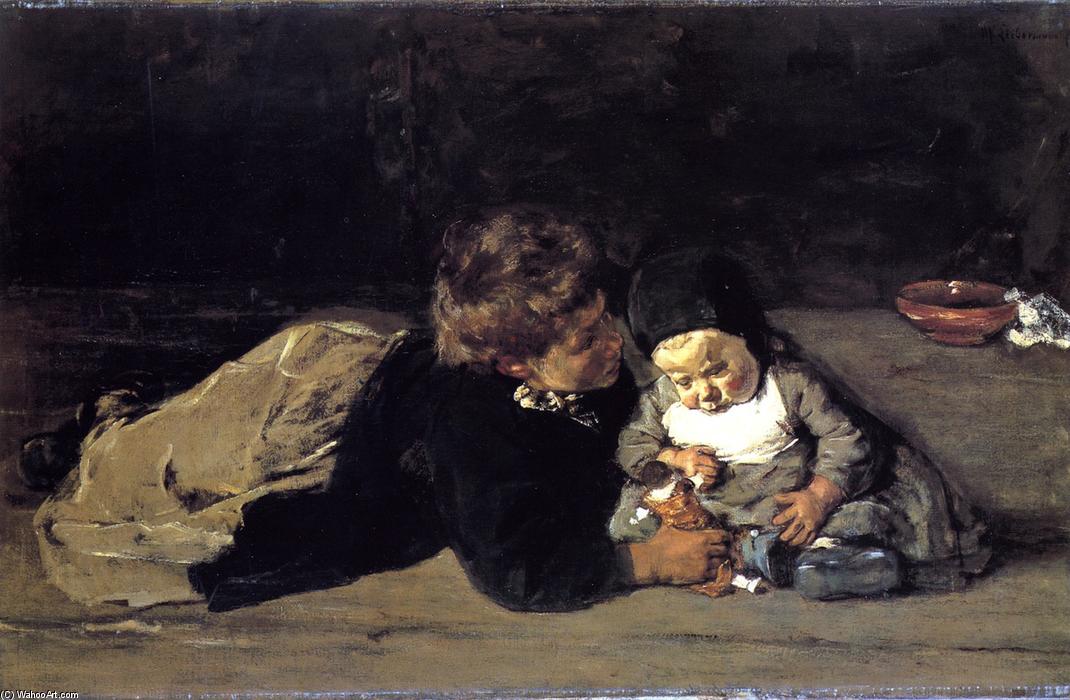
The Siblings


This painting by Max Liebermann exemplifies Impressionistic style, characterized by loose brushwork and tonal variations to depict a heartwarming scene of human interaction. Employing wet-on-wet technique on canvas, Liebermann skillfully captures fleeting moments with sensitivity to light and color, reflecting themes of caregiving and connection within an understated interior setting.
 Loe lähemalt
Max Liebermann (1847-1935): Saksamaa juhtiv impressionist, tuntud eluliste kaasaegse elu stseenide, portreede ja rahulike aedavaatega. Avastage tema pärandit!
Hankige trükiivaldatav fail, mis on kvaliteedilt palju parem kui veebilehel näidatud eelvaade. Kõik meie müüdavad digitaalsed pildid pärinevad meie arhiivist kõrge resolutsiooniga originaalfailidest — tavaliselt 5000 kuni 15 000 pikslit laiust — nii et saate julgelt trükida suurematsat, lüüdist teha või detailset sisu reproduktsiooni teha.
Meie stuudiost ei lahtu ükski fail puutumatuna. Digiekpert võrdleb värve algsest maalistimusega ja vajadusel korrigeerib neid, seejärel parandab selgust ja detaile professionaalsete retušimisvahendite abil — püüdes alati jääda truudeks kunstniku pintoonile ja stiilile. Tulemuseks on pilt, mis näeb välja nagu maali, mitte nagu filtreeritud skann.
Teet kinnituse enne lõplikku valmimist: meie ekspert saadab pildi 72 tunni jooksul e-posti ülevaatamiseks. Ei ole rahul? Paluge parandusi või korrektsioone ning kui kvaliteet ei vasta ootustele, võite paluda tagastamist.
See on kvaliteet, millele tuguvad väljaandjad, disainistuudiod, galeriid ja trükikojad.
Digitaalne kunstiteos
Laadi alla kõrge resolutsiooniga fail isiklikuks vaatamiseks, trükkimiseks ja loomingulisteks projektideks. ( Lülita trükkitoodetele Osta käsitsi maalatud teos)
Sisse kuulub iga digitaalse pildi tellimusega
Eksperdi digitaalne kohaletoimetamine, garanteeritud
Valides TopImpressionists.com, ei saa sa lihtsalt pilti – saad professionaalselt parandatud digitaalse teose, mida on valmistatud täpsusega ja mis on toetatud rahuldamatusgarantiiga. Siin on kõik, mis sinu tellimusega automaatselt kaasneb:

Kiire digitaalne edastus
Teie kõrge resolutsiooniga digitaalne pildifail saadetakse teile e-posti 72 tunni jooksul pärast tellimist – kohe kasutamiseks valmis.

Tehisintellektiga täiustatud digitaalne fail
Teie teos on professionaalselt optimeeritud arenenud tehisintellekti tööriistade ja käsitsi redigeerimise abil, tagades maksimaalse detailitaseme, selguse ja värvitäpsuse.

Tasuta eluaegne uuesti saatmine
Kas kustutasid faili kogukalu unustamisel või kustutamisel? Puudub mure – saad selle uuesti igal ajal ilma lisatasuta.

Puuduvad importimaksud – alati
Nautige oma teoseid koheselt ilma tolli-, maksude või tarnimaskuludeta – digiletchargused on alati maksuvabadud.

Värvitäpsuse garantii
Me tagame, et teie digitaalne pilt kajastaks originaali värve professionaalsete tööriistade ja värvihalduse abil võimalikult täpselt.

100 päeva rahuldamatuse garantii
Kui te ei ole oma digitaalse pildi eest rahul, siis me parandame seda või tagastame 100% summast 100 päeva jooksul – küsimusteta.

100% raha tagastamise garantii
Ei ole rahul? Saate täielise tagastaja 100 päeva jooksul pärast digitaalse faili kättesaamist – ilma küsimusteta.

Suurema tellimuse soodustused
Osta 3 pilti, säästa 10% - Osta 5, säästa 15% - Osta 10+, säästa 20%. Sobib suurepäraselt loomingulisteks projektideks, galeriideks ja agentuurideks.
A Tender Encounter in Monochrome
In the quietude of Max Liebermann’s 1876 masterpiece, “The Siblings,” time seems to suspend its forward march, allowing a singular moment of human connection to breathe. This monochrome triumph is far more than a mere study of figures; it is a profound exploration of familial tenderness and the soft, unspoken language of intimacy. As the eye meets the canvas, one is immediately drawn into a world of diffused light and tonal harmony, where a man and a child are captured in a fleeting tableau of closeness. The painting transcends its simple subject matter to become a distillation of emotion, rendered with a precision that speaks to the soul as much as it does to the intellect.
The composition is masterfully understated, centering the viewer's attention on the intimate core of the foreground. Here, the figures occupy a simple ground plane, their proximity creating a palpable sense of warmth and protection. While subtle, indistinct individuals linger in the background, they serve only as contextual anchors, ensuring that the primary focus remains fixed upon the bond between the two central subjects. This arrangement creates an inviting depth, drawing collectors and admirers alike into a private, domestic sanctuary that feels both timeless and deeply personal.
Impressionistic Light and Fluid Technique
Liebermann, a leading proponent of Impressionism in Germany, utilizes a technique that prioritizes the ephemeral quality of light over the rigid constraints of photographic realism. Through the skillful application of a wet-on-wet technique, the artist allows colors and tones to blend seamlessly across the canvas, generating a soft, hazy luminescence. This method imbues the scene with an ethereal glow, as if the very air within the room is heavy with memory and quietude. The brushstrokes are loose and organic, characteristic of the Impressionist movement, favoring the suggestion of texture and form over meticulous, sharp-edged detail.
The monochromatic palette—a sophisticated arrangement of blacks, whites, and varying shades of gray—plays a crucial role in the painting's atmospheric success. By stripping away the distraction of color, Liebermann directs our attention to the subtle interplay of shadow and light. This tonal mastery creates a sense of depth and volume, where the soft edges of clothing and facial features emerge from the shadows with a gentle, rhythmic grace. For the interior designer, such a piece offers a sophisticated anchor for a room, providing a neutral yet emotionally resonant focal point that complements both classical and contemporary decor.
A Legacy of Emotion and Connection
To understand “The Siblings,” one must consider the historical currents flowing through Liebermann’s early career. Painted during his formative years in Paris and Weimar, the work reflects the burgeoning fascination with capturing everyday life and subjective experience that defined the era. Much like his contemporaries Monet and Renoir, Liebermann sought to move beyond academic stiffness, embracing a style that mirrored the shifting moods of the natural and domestic worlds. This piece stands as a testament to his ability to translate the essence of human experience onto canvas.
Beyond its technical brilliance, the painting carries a profound symbolic weight. The focus on the relationship between the man and the child evokes universal themes of caregiving, protection, and the enduring strength of familial bonds. There is a palpable sense of nostalgia and quiet contemplation within the frame, making it an ideal acquisition for those who seek art that offers more than mere decoration. It is a piece that invites long periods of reflection, offering a window into a moment of shared attention that remains as poignant today as it was in 1876.
Korduvad küsimused
Kuidas materjal ja suund teoses "The Siblings" kokku saavad?
„The Siblings“, autor Max Liebermann ühendab endas Oil On Canvas tehnikat ja Impressionistic Style stiili. Tehnika ja suundumus kirjeldavad teose valmistusviisi ja esteetikat.
Millest on teos "The Siblings" valmistatud?
Teose „The Siblings“, autor Max Liebermann materjal on Oil On Canvas. Reproduktsioonide eesmärk on jälitada selle tehnika välimust.
Kuidas kunstiliikumine ja ajastu kohtuvad teoses „The Siblings“, autor Max Liebermann?
Teoses „The Siblings“, autor Max Liebermann kohtuvad Impressionistic Style suunad ja 19. sajand ajastu.
Sarnased teosed


Kunstniku elulugu
Varajane Elu ja Kunsti Kutsumus
Max Liebermann sündis 1847. aastal jõuka juudi perekonnas Berliinis. Tema tee üheks Saksamaa silmapaistvamaks impressionistlikuks maalikunstnikuks ei olnud ette määratud. Alguses suunati ta Berliini Ülikoolis õigusteaduse ja filosoofia õpingutele, kuid tema tõeline kutsumus kõlas palju võimsamalt lõuendilt kui kohtusaalist. See varane intellektuaalse uurimise periood kujundas kahtlemata tema tähelepanelikku silma ja mõtlikku lähenemist maailma kujutamisele. Just sihilik suund – õpingud Weimaris, Pariisis ja Hollandis – süütas tõeliselt tema kunstilise kirge, avades talle erinevaid stiile ja luues aluse karjäärile, mida iseloomustab hetkede tabamine erakordse valgustundlikkusega. Ta ei maalinud lihtsalt seda, mida ta nägi; ta tõlki kogemuse olemust lõuendile. Liebermanni varased teosed kujutasid sageli igapäevaelu stene, eriti töötavate klasside elu, mille naturalism väljakutse esitatud valitsevatele romantiseeritud esteetilistele ideaalidele. Need maalid ei olnud mõeldud sotsiaalseks kommentaariks, vaid ausateks inimliku eksistentsi kujutusteks, mis olid täidetud väärikuse ja austusega.Impressionismi Omaks Võtmine Saksamaa Kontekstis
Liebermanni kunstiline areng oli sügavalt mõjutatud tema kokkupuutel Prantsuse realismiga ning oluliselt ka kasvava impressionistliku liikumisega. Édouard Maneti vaim – tema julgus, akadeemiliste konventsioonide tagasilükkamine, keskendumine kaasaegsele elule – resonantsi Liebermanniga sügavalt. Ta ei kopeerinud aga lihtsalt seda, mida ta Pariisis nägi; selle asemel kohandas ta neid põhimõtteid Saksamaa tundlikkusele, luues oma unikaalse impressionismi. Tema palett muutus heledamaks, pintslilöögid vabamad ja spontaansemad ning tema teemad nihkusid kodubuuržuaaria vabaaja stseenide ja tema aia rahuliku ilu poole Wannsee järve ääres. See aed sai eriti korduvaks motiiviks kogu tema karjääri jooksul, pakkudes pelgupaika kiiresti muutuvas välisilmast ning andes lõputult inspiratsiooni tema valgus- ja atmosfääriliste uuringute jaoks. Ta ei maalinud lihtsalt lilli ja lehti; ta tabas suve tundeid, päikese soojust, õrna tuule rustlemist lehtedes. Peale maastikke kujunes Liebermann ka kõrgelt hinnatud portreekunstnikuks, täites üle 200 tellimustööde, sealhulgas ikoonilisi Albert Einsteini ja Paul von Hindenburgi kujutusi. Need portreed ei olnud pelgalt sarnased; need olid sisukad iseloomu uuringud, mis paljastasid tema subjekti sisema elu peente žestide ja väljenduste kaudu.Kunstivabaduse Võitleja
Liebermann ei piirdunud ainult maalimise, vaid ta võitles aktiivselt kunstilise uuendusliku vaimu ja iseseisvuse eest. Tunnistades traditsiooniliste kunstiasutuste lämmatavaid piiranguid, sai ta 1898. aastal Berliini Sektsiooni juhtiv jõud, olles selle avangardgrupi eesotsas üle kümne aasta. Sektsioon väljakutse konventsionaalsetele normidele, pakkudes platvormi kunstnikele, kes töötasid akadeemilise traditsiooni piiridest väljaspool. See pühendumine kunstivabadusele laienes tema enda töö piiridest kaugemale; Liebermann uskus kirglikult, et kunstnikud peaksid olema vabad uurima oma visioone ilma poliitiliste või ideoloogiliste survekata. Tema valimine Preisi Kunstiakadeemiasse 1909. aastal ja hilisem presidendiametisse tõusmine 1920. aastal olid tunnistused tema kasvavast mõjust Saksamaa kunstimaailmas, kuid need ametikohad viisid ta ka silmitsi kasvava antisemitismi ja natsionalismi tõusuga, mis ähvardas lõpuks tema elutööd.Muutuva Maailma Varjud: Pärand ja Vastupidavus
Natsismi tõus heitis Liebermanni hilisematel aastatel tumeda varju. Tema põhimõtteline seisukoht diskrimineerimise vastu viis ta 1933. aastal Preisi Kunstiakadeemiast tagasi astuma, julge tegu, mis näitas tema keeldumist kompromisse minna oma väärtustega. Vaatamata kasvavale tagakiusamisele jätkas ta maalimist, leides lohutust ja eesmärki oma kunstis. Ta suri 1935. aastal Berliinis, jättes rikka pärandi maalidest, graafikatest ning sügava pühendumuse kunstivabadusele. Tema naine Martha võttis traagiliselt enese elu 1943. aastal vältimaks deporteerimist, südantlõhestav tunnistus Holokausti õudustest. Paljud aastad pärast sõda jäi Liebermanni töö mõnevõrra tähelepanuta, kuid viimastel aastakümnetel on tema panust Saksamaa impressionismi ja kaasaegse kunstiajaloo alal uuesti hinnatud. Täna mäletatakse teda mitte ainult särava maalikunstnikuna, vaid ka julge kunstiväljenduse eest seisjana ning türannia vastupanu sümbolina. Tema maalid võluvad jätkuvalt vaatajaid oma valgusrikka iluga, sisukate tähelepanekutega ja kestva inimlikkusega.Peamised Saavutused ja Püsiv Mõju
- "Kaksteist aastast Jeesus Templis": See varane teos põhjustas olulisi arutelusid oma ebatraditsioonilise Semiidilikku Jeesust kujutava pildi tõttu, väljakutsuv traditsioonilist religioosset ikonograafiat.
- Berliini Sektsiooni Juhtimine: Tema keskne roll selle avangardliikumise juhtimisel väljakutse kunstinormidele ja sillutas teed kaasaegsele kunstile Saksamaal.
- Preisi Kunstiakadeemia Presidendiamet: Oluline tunnustus tema kunstilisele väärtusele, kuigi lõpuks kompromisseeritud natsismi tõusu tõttu.
- Meisterlik Portreekunst: Tema võime tabada oma subjekti olemust üle 200 tellimustöös kinnistas tema maine juhtiva portreekunstnikuna.
- Mõju Saksamaa Impressionismile: Liebermann tõi edukalt impressionismi põhimõtted unikaalselt Saksamaa konteksti, inspireerides kunstnike põlvkondi.

Max Liebermann
1847 - 1935 , Saksamaa
Lühikesed faktid
- Artistic Movement Or Style: Impressionism
- Artists Or Movements Influenced By This Artist: ['Saksa Impressionism']
- Artists Who Influenced This Artist: ['Édouard Manet']
- Date Of Birth: 20. juuli 1847
- Date Of Death: 8. veebruar 1935
- Full Name: Max Liebermann
- Nationality: Saksamaa
- Notable Artworks:
- The 12-Year-Old Jesus...
- Dutch Farmhouse with Woman
- Portrait of Dr. Max Linde
- Place Of Birth: Berliin, Saksamaa